

Best Face Lymphatic Drainage Brush: 2026 Buying Guide
Choosing a face lymphatic drainage brush is not simply about picking the prettiest brush or the highest-priced option. Facial massage tools can differ substantially in shape, pressure control, materials, grip, coverage, and ease of cleaning. The right choice should make gentle facial massage easier while fitting your skin type and routine.
A face lymphatic drainage brush is a manual tool designed to help you perform gentle massage movements across the face. For cosmetic use, the realistic goal is to support a refreshed appearance and temporarily reduce the look of facial puffiness. It should not be presented as a permanent facial-sculpting treatment, fat-loss tool, detox treatment, or replacement for medical care.
If facial massage is part of a broader routine, you can also explore the Skin and Beauty Care Devices collection for other at-home skincare tools.
What Is a Face Lymphatic Drainage Brush?
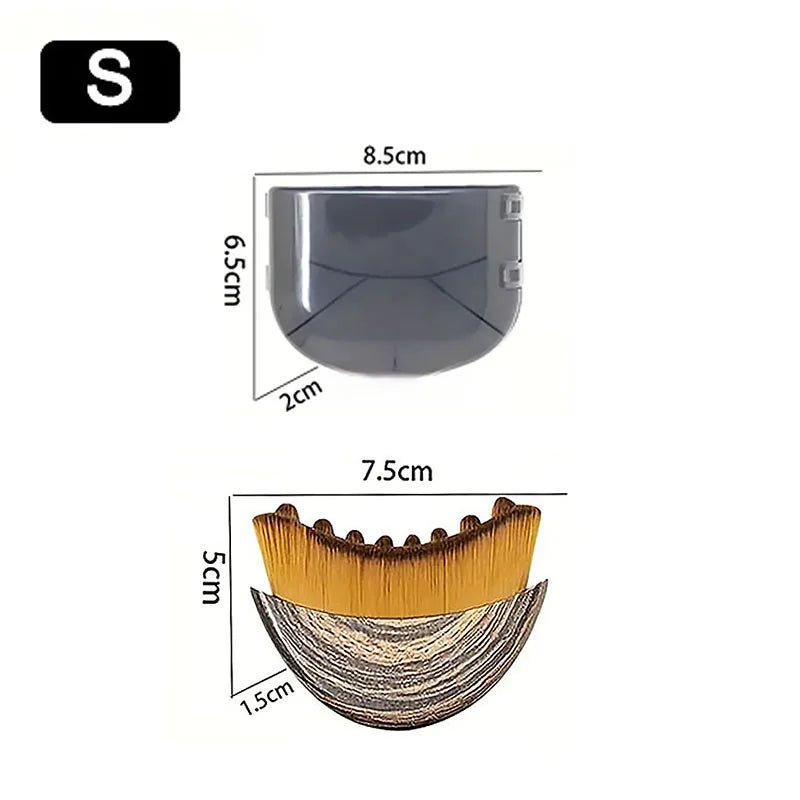
A face lymphatic drainage brush is a manual facial massage tool intended for controlled, light-pressure movements over facial contours. Unlike conventional body dry-brushing tools, facial massage requires a much gentler approach because facial skin can be sensitive to friction and repeated mechanical stimulation.
How gentle facial lymphatic drainage massage works
Facial lymphatic drainage massage uses light, deliberate strokes rather than vigorous scrubbing. The technique generally involves preparing the neck area and then using controlled movements across areas such as the cheeks, jawline, forehead, and sides of the face.
The important distinction is pressure. More pressure does not automatically mean better drainage or better cosmetic results. A suitable facial tool should allow you to maintain a comfortable, controlled touch throughout the routine.
What results can you realistically expect?
Some people use facial massage to make morning puffiness look less noticeable or to create a temporarily more refreshed appearance. Results can vary depending on the individual, the cause of puffiness, timing, technique, and consistency.
A facial massage brush cannot reliably reshape facial structure, remove facial fat, permanently sculpt the face, or “detox” the body. Treat visible changes as cosmetic and potentially temporary rather than permanent transformations.
Best Face Lymphatic Drainage Brushes Compared
When comparing facial massage tools, focus on the features that affect actual use: pressure control, facial coverage, ergonomics, material, maintenance, and compatibility with your preferred technique.
Side-by-side comparison
| Tool type | Primary motion | Pressure control | Facial coverage | Best suited for | Maintenance |
| Manual lymphatic face brush | Gentle gliding | High when used lightly | Cheeks, jawline, forehead and other contours | Simple daily facial massage and de-puffing routines | Clean and dry according to material instructions |
| Gua sha | Gliding with a smooth edge | Depends strongly on technique | Broad facial contours | Users who prefer a smooth, tool-on-skin massage experience | Wipe and clean after use |
| Facial roller | Rolling | Generally easy to moderate | Large facial areas | Users who prefer a rolling sensation | Regular surface cleaning |
| Traditional dry brush | Brushing | Can vary considerably | Depends on brush design | Body-focused dry brushing rather than delicate facial massage | Requires careful cleaning and drying |
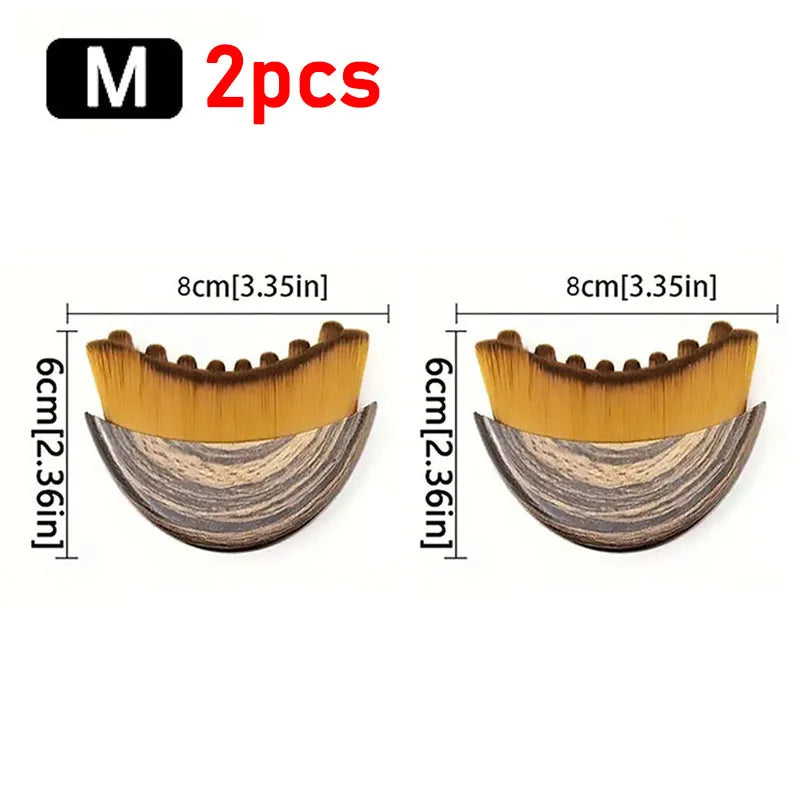
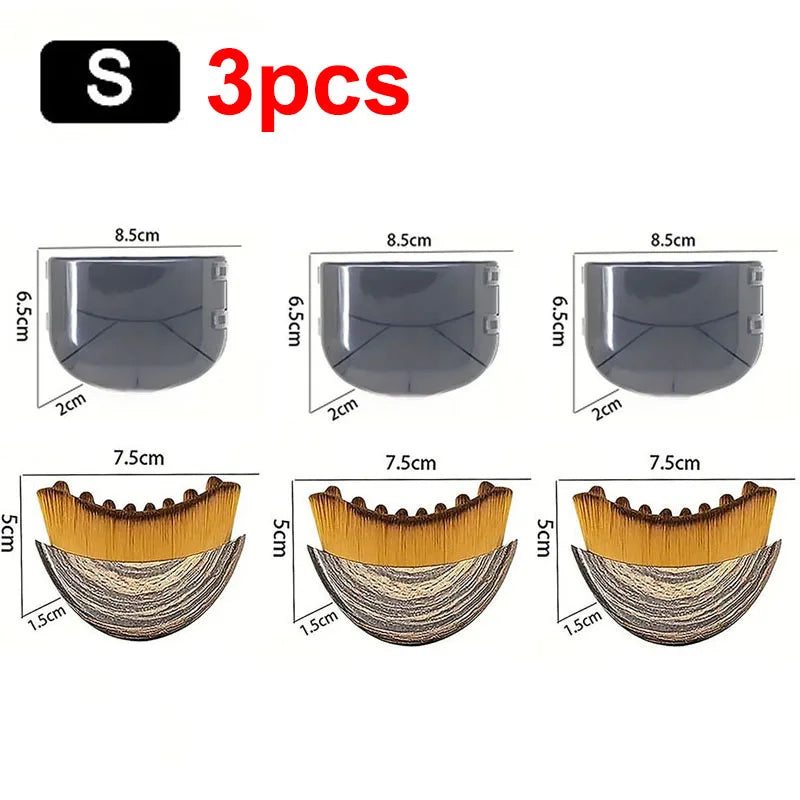
For shoppers who want a straightforward manual option, the Lymphatic Face Brush for facial massage uses a contoured design, ergonomic shape, rubber construction, and requires no batteries or power source. Those characteristics make it a practical option for people who want a simple, portable massage ritual without electronic settings.
Best brush for each skin type and use case
- Sensitive skin: Prioritize the gentlest possible contact, minimal pressure, short sessions, and careful monitoring for redness or discomfort.
- Dry or compromised skin: Mechanical friction may worsen discomfort when the skin barrier is irritated or damaged. Consider postponing brushing until the skin is comfortable again.
- Normal or combination skin: Focus on a comfortable shape, controlled movements, and easy cleaning for regular gentle massage.
- Oily or resilient skin: Oiliness does not mean you need aggressive pressure or a firmer-feeling tool.
- Morning depuffing: Choose a tool that is quick to use, easy to control, and convenient enough to become part of your routine.
- Travel: A non-electric design avoids charging and cord requirements.
What we would choose and why
For a simple at-home routine, we would prioritize control and comfort over aggressive stimulation. The KentDO Lymphatic Face Brush is particularly straightforward because it is a manual rubber tool with no power source, an ergonomic shape, and a contoured design intended to follow facial areas such as the cheeks and jawline.
How to Choose a Face Lymphatic Drainage Brush
Bristle softness and density
If you are specifically shopping for a bristled facial brush, softness should be a priority. Facial skin generally calls for substantially gentler treatment than body dry brushing. Avoid assuming that dense, stiff, or abrasive bristles are more effective.
For a manual tool that does not rely on conventional powered settings, the ability to control contact yourself becomes especially important. The supplied KentDO product specifications identify the tool as a manual facial massage tool made from rubber rather than specifying a conventional bristle construction, so buyers should evaluate it as a contoured massage tool rather than assume it has a particular bristle density.
Brush shape and facial coverage
Look for a shape that can comfortably reach the areas you actually want to massage. Rounded or contoured designs can make it easier to follow facial curves, while smaller areas may require more precise maneuvering.
For cheeks and jawline work, a comfortable contour can be more useful than a large head that forces you to use awkward angles. Your forehead, sides of the face, and neck may also benefit from a tool that remains easy to control as direction changes.
Handle ergonomics and control
A comfortable grip helps prevent accidental increases in pressure. Consider how easily you can hold the tool while maintaining light, smooth movements. Weight, shape, balance, and access to facial contours all influence the experience.
Bristle materials and overall construction
Construction matters because a facial tool is repeatedly exposed to skin contact and skincare residue. Buyers should look for transparent material information and inspect the connection between the working surface and handle or backing.
The KentDO Lymphatic Face Brush is specified as rubber, with one unit included and no power source. This simple construction can appeal to shoppers who prefer a non-electric facial massage routine.
Hygiene and cleanability
Any facial massage tool should be maintained regularly. Skincare residue, oils, moisture, and environmental debris can accumulate if the tool is not cleaned and dried appropriately.
Before purchasing, consider whether the tool can be cleaned according to its material requirements and whether it can dry completely between uses. A tool that is difficult to maintain may become inconvenient even if its massage experience is initially appealing.
Price versus value
A higher price does not automatically mean better facial massage results. Pay for meaningful differences such as comfortable ergonomics, durable construction, easy maintenance, useful facial coverage, and a design that encourages consistent gentle use.
Expensive marketing claims about permanent sculpting or detoxification should not substitute for clear specifications and realistic cosmetic expectations.
How to Use a Face Lymphatic Drainage Brush
Before you start
Begin with clean skin and clean hands. Make sure the massage tool is clean and appropriate for use on the face. If your skin needs additional slip for comfortable movement, use a skincare product that is compatible with your routine rather than dragging the tool directly across dry, uncomfortable skin.
Step 1: Begin around the neck and collarbone
Start with gentle preparatory strokes around the neck and collarbone area. Keep the pressure light and controlled. The purpose is to establish a calm rhythm rather than to press deeply into the tissue.
Step 2: Move from the face toward drainage pathways
Use slow, outward and downward movements across the face, adapting the direction to the facial area you are working on. Around the cheeks, work gently toward the sides of the face. Along the jawline, follow the contour without pressing aggressively. On the forehead, use controlled movements toward the sides.
The supplied product guidance describes using light pressure and comfortable outward and upward motions over clean skin. The key principle is consistency and comfort rather than force.
Step 3: Use light, controlled pressure
Lymphatic-style facial massage should not feel like vigorous exfoliation. Avoid aggressive scrubbing, repeated passes over one area, or pressure that causes pain. If the skin becomes uncomfortable, reduce pressure or stop.
Step 4: Finish at the neck
Complete the routine with gentle neck-directed movements. Keep the same light pressure used throughout the massage rather than increasing force at the end.
How long should a facial brushing routine take?
There is no universally optimal duration established by the supplied product information. For beginners, a short, comfortable routine is a practical starting point. The goal is to create a sustainable ritual rather than forcing a long session.
If you want a simple non-electric tool for practicing this technique, the KentDO Lymphatic Face Brush is designed for controlled facial massage and can be used at home or while traveling.
Face Lymphatic Drainage Brush vs. Gua Sha vs. Facial Roller vs. Dry Brushing
Lymphatic drainage brush vs. gua sha
A lymphatic massage brush and gua sha differ most obviously in their contact surfaces and technique. A brush uses a textured or brush-style working surface depending on its design, while gua sha uses a smooth-edged tool. Gua sha can require careful attention to angle and pressure, whereas a contoured manual brush can provide a more straightforward brushing experience.
Lymphatic drainage brush vs. facial roller
A facial roller relies on rolling motion, while a manual massage brush uses gliding or brushing movements. A roller may appeal to someone who enjoys a smooth rolling sensation, while a brush can feel more direct and controlled across facial contours.
Lymphatic drainage brush vs. traditional dry brushing
Do not treat facial lymphatic brushing and traditional body dry brushing as interchangeable. Facial skin generally calls for more delicate mechanical treatment. A body dry brush may have characteristics that are inappropriate for sensitive facial skin, particularly if used with excessive pressure.
Which tool is best for your routine?
Choose according to the experience you actually want. If you prefer a simple, manual facial massage tool with no charging, a lymphatic face brush may be a convenient choice. If you prefer a smooth tool-on-skin technique, gua sha may appeal to you. If you like rolling movements, consider a facial roller.
For broader skincare shopping, the Body & Face Blog can also provide a useful starting point for exploring related facial-care topics.
Face Lymphatic Drainage Brushes for Different Skin Types
Sensitive skin
Use the lightest pressure possible and choose a tool that allows precise control. Stop if you notice persistent redness, burning, scratching, or discomfort.
Dry or compromised facial skin barrier
Mechanical friction can be inappropriate when the skin barrier is irritated, cracked, inflamed, or unusually reactive. Wait until the skin is comfortable before introducing facial brushing again.
Normal and combination skin
Focus on comfort, maneuverability, cleanability, and a design that makes gentle massage easy to perform consistently.
Oily or resilient skin
Do not equate oiliness with a need for harder brushing. Excessive pressure can still cause mechanical irritation regardless of skin type.
How to Clean and Maintain a Facial Lymphatic Drainage Brush
Basic cleaning routine
Clean the tool according to the manufacturer's material instructions. Remove skincare residue after use and avoid leaving the tool coated with oils or creams. Because the supplied product is made from rubber, follow the manufacturer's specific care guidance rather than applying assumptions intended for another material.
How to dry and store the brush
Allow the tool to dry completely before storage. Keep it in a clean, ventilated location away from unnecessary moisture. Avoid storing a damp facial tool in a closed container where moisture can remain trapped.
Signs the brush should be replaced
Replace a facial massage tool if you notice deterioration that affects hygiene or safe use, such as persistent residue, unusual odor, cracks, damaged components, or other material breakdown. For conventional bristled brushes, excessive shedding or damaged bristles are additional warning signs.
Safety, Irritation, and When to Skip Facial Brushing
Can a face lymphatic drainage brush irritate sensitive skin?
Yes. Excessive friction, stiff contact surfaces, repeated passes, or excessive pressure can cause irritation. Facial massage should remain comfortable. More force is not a shortcut to better results.
Avoid brushing over active irritation or broken skin
Do not mechanically massage areas that are injured, broken, inflamed, or unusually reactive. If a skincare reaction is already present, adding repeated friction may make the situation less comfortable.
When to ask a healthcare professional
Facial brushing should not be used as a treatment for unexplained medical swelling, persistent facial edema, or lymphatic disorders. If facial swelling is significant, persistent, painful, sudden, or associated with other concerning symptoms, seek appropriate medical advice instead of relying on a cosmetic massage tool.
What to Expect Before and After Using a Facial Lymphatic Drainage Brush

Realistic short-term cosmetic effects
A gentle massage routine may leave the face feeling refreshed and may temporarily make puffiness look less noticeable for some people. The visible effect can vary substantially and should not be interpreted as permanent facial contouring.
What a facial brush cannot reliably do
- It cannot reliably remove facial fat.
- It cannot permanently reshape facial structure.
- It should not be marketed as a medical treatment for lymphatic disorders.
- It cannot guarantee permanent reduction in facial swelling.
- It should not be relied upon to provide a generalized “detox.”
How to evaluate results fairly
If you compare your appearance before and after massage, keep conditions as consistent as possible. Use similar lighting, facial position, timing, and camera distance. Morning puffiness can naturally change throughout the day, so an apparent before-and-after difference is not necessarily caused entirely by the massage.
Our Testing Criteria for Face Lymphatic Drainage Brushes
Bristle feel and pressure control
For bristled tools, evaluate softness, flexibility, density, scratchiness, and whether you can easily adjust pressure. For non-bristled manual tools, assess how smoothly the working surface follows facial contours without requiring excessive force.
Ergonomics and facial maneuverability
Test whether the grip remains comfortable through a complete routine. A good facial tool should be easy to reposition around the cheeks, jawline, forehead, and other contours without forcing awkward wrist angles.
Build quality and material integrity
Inspect seams, connections, working surfaces, and overall construction. With bristled brushes, check bristle retention. With a rubber manual tool such as the KentDO model, focus on the integrity and finish of the rubber construction and whether the shape remains comfortable to use.
Cleaning and long-term maintenance
Evaluate whether residue can be removed without damaging the tool and whether it can dry fully between uses. A facial massage tool should be practical to maintain as part of a regular skincare routine.
Value for money
Compare the features you will actually use rather than assuming a higher price guarantees better cosmetic results. Durability, comfort, control, easy maintenance, and useful design characteristics generally provide more practical value than unsupported performance claims.
Pros and Cons of Using a Face Lymphatic Drainage Brush
Potential advantages
- Provides a simple way to incorporate gentle facial massage into a skincare routine.
- Can support a temporarily refreshed or less puffy-looking appearance.
- Manual tools do not require batteries, charging, or electrical settings.
- Contoured designs can make facial massage easier to control.
- A compact manual tool can be convenient for home and travel routines.
Potential drawbacks
- Excessive pressure or friction can irritate facial skin.
- Results can vary and may be temporary.
- Massage tools require appropriate cleaning and storage.
- Some conventional brushes may shed or deteriorate over time.
- Facial brushing is not a substitute for medical evaluation of unexplained swelling.
Which Face Lymphatic Drainage Brush Should You Buy?
Choose the softest option if irritation is your main concern
Prioritize gentle contact, precise pressure control, and conservative use. If your skin is sensitive or currently irritated, mechanical massage may not be appropriate until the skin has recovered.
Choose based on ergonomics if technique is your priority
A comfortable grip and useful contour can make correct technique easier to maintain. For a simple manual option, the KentDO Lymphatic Face Brush combines a contoured design with an ergonomic shape and rubber construction. It has no battery or cord, making it particularly straightforward for a daily facial massage ritual.
Choose based on construction if long-term value matters
Look for transparent material information, secure construction, manageable cleaning requirements, and a design you will realistically use. The supplied KentDO specifications identify the product as a one-piece manual rubber facial massage tool with no power source, keeping the product concept deliberately simple.
If your priority is an uncomplicated, non-electric tool for gentle facial massage and the temporary cosmetic appearance of reduced puffiness, this type of manual contoured brush is a sensible category to consider.
Final Verdict
The best face lymphatic drainage brush is not necessarily the most expensive, firmest, or most heavily marketed option. It is the tool that gives you comfortable control, appropriate facial contact, useful ergonomics, hygienic maintenance, and a design that encourages gentle, consistent technique.
For shoppers who want a simple manual option, the KentDO Lymphatic Face Brush offers a straightforward combination of rubber construction, contoured facial coverage, ergonomic handling, and no electrical power requirement. Its intended role is gentle facial massage and support for a refreshed-looking complexion—not permanent sculpting or medical treatment.
Use light pressure, keep the tool clean, avoid irritated or broken skin, and judge cosmetic results real
Pillar Article: Face Brush for Lymphatic Drainage: How to Choose the Right Tool













