

Face Brush for Lymphatic Drainage: How to Choose the Right Tool
A face brush for lymphatic drainage is not automatically suitable just because it is marketed for facial massage. For lymphatic-style facial massage, the most useful tool is one that allows very light, controlled, directional contact with minimal skin drag and friction. The right choice depends on softness, pressure control, shape, ergonomics, cleanability, and your skin's sensitivity—not simply whether the packaging uses words such as “lymphatic” or “detox.”
This guide compares manual massage brushes with hands, facial rollers, gua sha tools, cleansing brushes, and other common options so you can choose a tool that fits your routine. It also explains how to use a face brush for gentle facial massage and when persistent swelling should be evaluated by a healthcare professional rather than managed with a cosmetic tool.
Face Brush for Lymphatic Drainage: Quick Buying Decision
If your goal is lymphatic-style facial massage, prioritize a tool that makes gentle pressure and slow directional movements easy. A cleansing brush designed for exfoliation or vigorous scrubbing may be a poor fit even if it is marketed for facial use.
| Tool | Pressure Control | Friction | Sensitive-Skin Friendliness | Lymphatic-Style Massage Compatibility | Best For |
|---|---|---|---|---|---|
| Soft manual massage brush | High | Low to moderate, depending on surface | Good when used gently | Good | Repeatable light facial massage |
| Hands | Excellent | Very low with suitable glide | Excellent control | Excellent | Maximum pressure feedback |
| Facial roller | Moderate | Low | Generally good with light pressure | Good | Consistent rolling contact |
| Gua sha | Moderate to high | Variable | Depends heavily on technique | Possible with appropriate technique | Controlled surface massage |
| Silicone cleansing brush | Moderate | Low to moderate | Varies by design | Not automatically suitable | Cleansing and light facial stimulation |
| Dry facial brush | Lower control for some users | Often higher | May be less suitable | Not automatically suitable | Dry brushing or exfoliation-focused routines |
Which Tool Is Best for Lymphatic-Style Facial Massage?
There is no single tool that is best for everyone. For many beginners, hands provide the simplest way to regulate pressure because you can immediately feel whether your skin is being pulled or irritated. A soft manual facial massage brush can be useful when you prefer a dedicated tool and want a consistent contact surface and grip.
The key is tool fit. A brush should support light, controlled strokes rather than encourage scrubbing. If a tool makes you press hard to feel that it is “working,” it is probably not the right design for this purpose.
Face Brush vs Hands vs Gua Sha vs Facial Roller
Choose a manual brush if you want a dedicated massage tool with an ergonomic shape. Choose your hands if pressure feedback and maximum control matter most. A facial roller may appeal if you prefer smooth, repeated rolling contact, while gua sha can provide controlled surface massage when used with appropriate technique and minimal pressure. None of these tools should be treated as automatically superior simply because of its shape or marketing claims.
How Facial Lymphatic Drainage Massage Works
Facial lymphatic-style massage is based on gentle, directional movements over areas associated with the superficial lymphatic network. The lymphatic system is part of the body's fluid-management and immune system, and lymphatic vessels are located throughout superficial tissues. Facial massage should therefore be approached differently from deep tissue massage or vigorous exfoliation.
What Are the Superficial Lymphatic Vessels?
The superficial lymphatic vessels are small channels located within superficial tissues. In the face and neck, lymphatic drainage pathways connect with regional lymph nodes. For a consumer facial massage routine, the practical takeaway is simple: use gentle contact and directional movements rather than trying to forcefully “push” fluid through the face.
The Preauricular, Submandibular, and Neck Drainage Pathways
When learning facial lymphatic-style massage, you may encounter terms such as preauricular and submandibular lymph nodes. The preauricular region is located near the front of the ears, while the submandibular region is associated with the area beneath the jaw. The neck also contains important lymphatic pathways.
These anatomical concepts help explain why facial massage routines often incorporate the neck rather than focusing exclusively on the cheeks or forehead. However, consumer massage instructions should remain conservative and should not be interpreted as treatment for a diagnosed lymphatic disorder.
Why Gentle Pressure Is More Appropriate Than Aggressive Brushing
Lymphatic-style facial massage is not the same thing as scrubbing. Excessive pressure can increase friction, redness, soreness, and irritation. Repeated aggressive brushing can also be counterproductive if it compromises the skin barrier.
A useful test is whether the tool can glide without pulling, scraping, or creating discomfort. The objective of a cosmetic massage routine is comfortable, controlled contact—not maximum pressure.
Temporary Facial Puffiness vs Facial Edema
Morning puffiness can be temporary and may change throughout the day. Factors such as sleep position, normal fluid shifts, and lifestyle habits can influence how swollen or tired the face appears. Facial edema, however, can have medical causes and should not automatically be treated as ordinary cosmetic puffiness.
If swelling is persistent, unexplained, sudden, painful, severe, or accompanied by other concerning symptoms, a cosmetic face brush is not an appropriate substitute for medical evaluation.
Can a Face Brush Actually Be Used for Lymphatic Drainage?
Yes, a soft manual face brush can be used as part of a gentle, lymphatic-style facial massage routine when its construction allows light pressure and controlled directional movement. However, that does not mean a cosmetic brush provides medical lymphatic drainage treatment.
When a Soft Manual Brush Can Be Appropriate
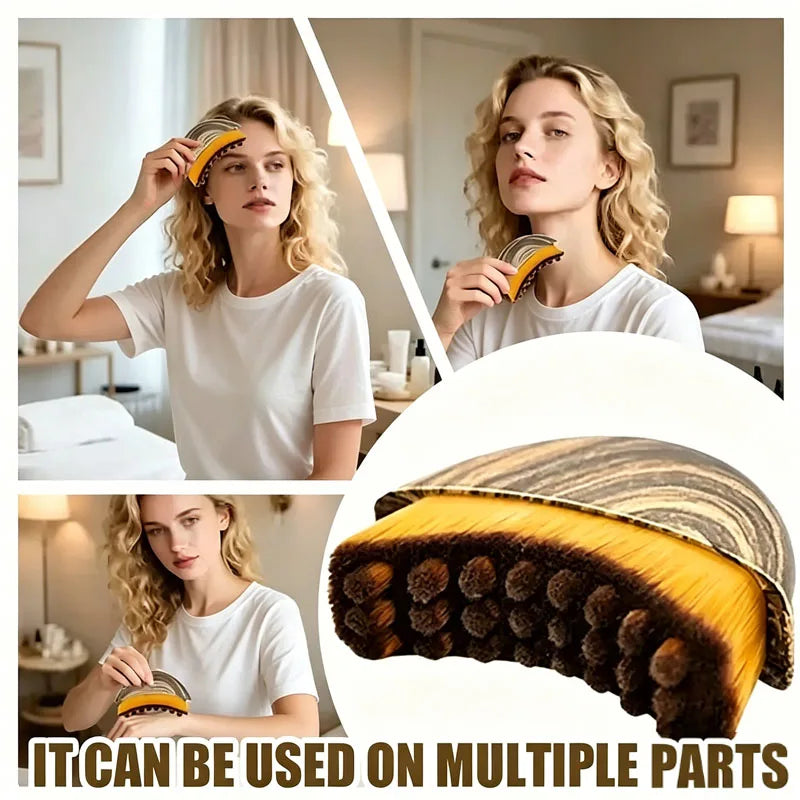
A manual brush can be a practical choice when you want a repeatable facial massage ritual and prefer a tool over your hands. Look for a surface and shape that allow comfortable contact across the cheeks, jawline, forehead, and other facial areas without requiring force.
A contoured design can also make it easier to follow facial contours. The most important factor remains pressure control: you should be able to use the brush gently without excessive skin drag.
Why Cleansing Brushes and Dry Brushes Are Not Automatically Suitable
Cleansing brushes are designed primarily to help cleanse the skin. Dry brushes may be designed around exfoliation or stimulation. Those purposes can involve different bristle stiffness, friction, movement patterns, or pressure than a lymphatic-style facial massage requires.
Do not assume that every facial brush can perform every function. A tool designed to scrub should not automatically be repurposed for gentle lymphatic-style massage.
What a Face Brush Cannot Do
A consumer face brush cannot diagnose swelling, treat lymphedema, or replace professional lymphatic care. It should be viewed as a cosmetic facial massage tool that may help support a refreshed-looking appearance rather than as a medical device.
What Makes a Face Brush Good for Lymphatic-Style Massage?
The best buying decision starts with construction rather than branding. When evaluating a face brush for lymphatic drainage, consider how the contact surface behaves against your skin, how precisely you can regulate pressure, and how easily the tool can be cleaned.
Softness and Bristle Density
Softness affects comfort and the amount of friction generated during movement. Dense or stiff bristles may create more resistance, while a softer contact surface can make light pressure easier to maintain. There is no universal ideal bristle density, so prioritize the combination that allows comfortable contact without pulling the skin.
Pressure Control
Pressure control is one of the most important characteristics of a lymphatic-style massage tool. A good brush should not require force to create a noticeable sensation. If you naturally find yourself pressing harder because the brush feels ineffective, consider a different tool or use your hands instead.
Brush Shape and Coverage
Rounded and contoured designs can help follow facial contours. A compact shape may provide more control around the jawline and cheeks, while other shapes may cover larger areas more efficiently. Choose a design that lets you make slow, directional strokes without awkward wrist positioning.
Handle Ergonomics
An ergonomic grip matters because facial massage requires consistent control. If a brush is difficult to hold, you may unintentionally increase pressure or lose control of the direction of movement. A comfortable handle can make a simple routine easier to repeat.
Glide, Skin Drag, and Friction
Pay close attention to how the contact surface moves across your skin. Skin drag, rubbing, or pulling can increase irritation. If you need a cosmetic product to improve glide, make sure it is compatible with both your skin and the tool's material.
Synthetic Bristles vs Natural Bristles
Synthetic and natural bristles can differ in softness, consistency, durability, and cleaning requirements. Neither material is automatically superior for every face. For lymphatic-style massage, the more useful question is whether the finished brush provides comfortable, controllable, facial-appropriate contact.
Silicone Contact Surfaces
Silicone contact surfaces are common in cleansing and facial tools because they can be relatively simple to clean. However, silicone construction alone does not make a brush suitable for lymphatic-style massage. Evaluate the texture, flexibility, friction, intended purpose, and pressure control of the complete tool.
Cleanability and Sanitation
A facial massage brush is repeatedly exposed to skin oils, skincare products, and environmental residue. Easy cleaning should therefore be part of your purchase decision. A tool that is difficult to clean may be less practical for frequent use.
How to Choose the Right Face Brush for Your Skin and Massage Goals
Best Choice for Sensitive or Easily Irritated Skin
If your skin is easily irritated, prioritize the lowest practical friction and the greatest pressure control. A very soft manual tool—or simply your hands—may be preferable to a brush with stiff bristles or an aggressive texture.
Best Choice for Beginners
Beginners generally benefit from simple designs that make light, directional strokes easy to control. Avoid tools that encourage vigorous scrubbing or require complicated settings. The easier it is to maintain gentle pressure, the easier it is to develop a consistent routine.
Best Choice for Cleansing Plus Massage
If you want cleansing and massage from the same device, carefully check what the tool is actually designed to do. Cleansing and lymphatic-style massage have different objectives. A dual-purpose tool should still allow comfortable, low-friction contact when used for massage.
Best Choice for Frequent Use
For regular use, prioritize durable construction, comfortable ergonomics, easy sanitation, and low irritation potential. A simple manual tool can be particularly convenient because there are no batteries, charging requirements, cords, or electronic settings.
Face Brush Buying Checklist
- Soft, comfortable contact surface
- Easy pressure control
- Low skin drag and manageable friction
- Shape that follows facial contours
- Comfortable ergonomic grip
- Facial-appropriate material
- Easy cleaning and drying
- Suitable for your skin sensitivity
- Designed for massage rather than aggressive scrubbing
If you are comparing dedicated facial tools, the Skin and Beauty Care Devices collection is a useful place to explore other skincare-oriented options.
For a simple manual option, you can also compare your checklist with the Lymphatic Face Brush, which is designed around gentle, controlled facial massage rather than electric settings.
How to Use a Face Brush for Lymphatic-Style Facial Massage
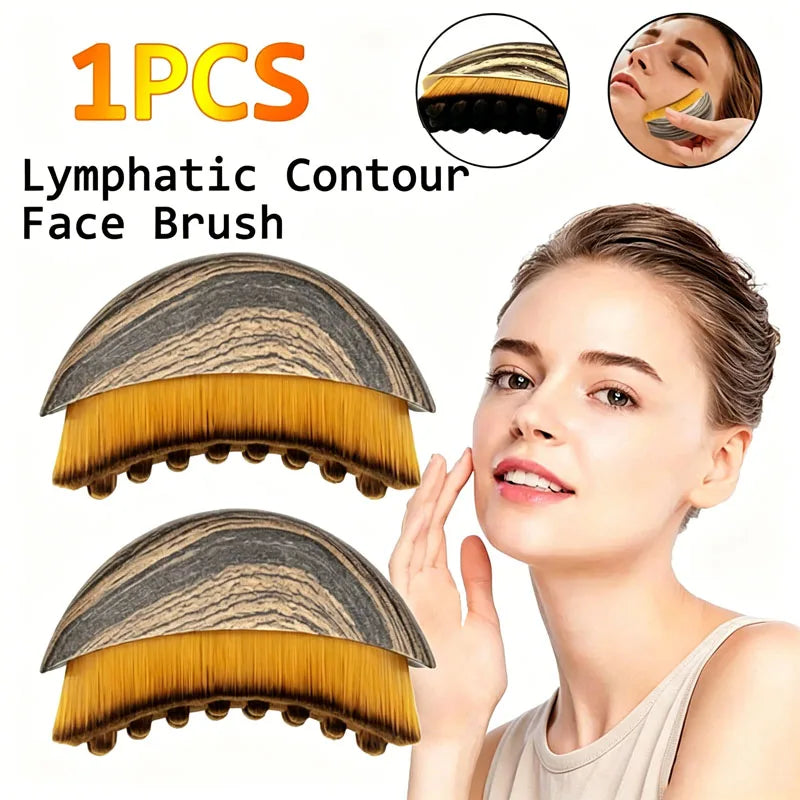
The technique matters as much as the tool. Use slow movements, very light pressure, and enough glide to prevent unnecessary rubbing. The goal is comfortable facial massage, not deep pressure.
Step 1: Start With Clean Skin and a Clean Tool
Begin with clean skin and a clean, dry tool. Remove makeup, dirt, and residue according to your normal skincare routine. A clean starting surface helps reduce unnecessary irritation and contamination.
Step 2: Begin Around the Neck and Drainage Pathways
Use very light contact around the neck and then work through your facial massage routine. Avoid digging into the skin. The movement should feel gentle and comfortable rather than like a deep-tissue massage.
Step 3: Use Light, Slow, Directional Strokes
Glide the brush slowly in comfortable outward and upward motions. Avoid rapid back-and-forth scrubbing. If the tool catches on the skin or creates noticeable pulling, reduce pressure or improve glide.
Step 4: Work Across the Jaw, Cheeks, and Forehead
Move gradually across the jawline, cheeks, and forehead while maintaining the same light-pressure principle. Follow the contours of the face rather than forcing the brush into a straight path.
Step 5: Stop If the Skin Feels Irritated
Stop immediately if you notice burning, soreness, significant redness, discomfort, or excessive skin drag. Facial massage should not leave the skin feeling scraped or painful.
Face Brush vs Hands, Facial Roller, Gua Sha, and Cleansing Brush
Hands: Best for Maximum Pressure Control
Your hands provide direct feedback. You can instantly reduce pressure, change the angle of contact, or stop if the skin becomes uncomfortable. For highly reactive skin or users who want maximum control, hands may be the better choice.
Facial Rollers: Best for Consistent Light Contact
Facial rollers provide a smooth contact surface and a predictable rolling motion. They can be convenient for users who prefer a tool that glides over the face. Their limitation is that the rolling format may offer less flexibility than fingers for certain facial contours.
Gua Sha: Best for Controlled Surface Massage, Not Automatically Lymphatic Massage
Gua sha tools can provide controlled surface massage, but the tool itself does not guarantee a lymphatic technique. Pressure, direction, speed, and skin drag still matter. Aggressive scraping is not necessary for a gentle facial massage routine.
Cleansing Brushes: Best for Cleansing, Not Automatically Drainage
A cleansing brush should be judged according to its intended cleansing function. Bristle texture, stiffness, and movement patterns can make some cleansing brushes poorly suited to gentle lymphatic-style massage. Do not confuse facial cleansing with lymphatic drainage massage.
Which Tool Should You Buy?
Use this simple decision framework:
- Choose your hands if maximum pressure feedback is your priority.
- Choose a soft manual massage brush if you want a dedicated, repeatable facial massage tool.
- Choose a facial roller if you prefer smooth, consistent rolling contact.
- Choose gua sha if you want controlled surface massage and are comfortable managing pressure carefully.
- Choose a cleansing brush primarily when cleansing is the main objective.
How to Keep a Facial Massage Brush Clean
Cleaning After Each Use
Remove visible skincare residue after use and clean the contact surface according to the material and manufacturer's care instructions. Allow the tool to dry thoroughly before storing it. Avoid storing a damp facial tool in a closed container where moisture can remain trapped.
Bristles vs Silicone: Which Is Easier to Sanitize?
Silicone surfaces can be relatively straightforward to wipe and wash, while bristles may require more attention to residue trapped between fibers. However, construction matters as much as material. A densely packed brush that is difficult to dry may be less convenient than a simpler design made from a different material.
When to Replace the Brush
Replace a brush when its contact surface becomes damaged, degraded, contaminated, permanently misshapen, or difficult to clean effectively. If bristles become rough or the surface begins creating unexpected friction, continuing to use the tool may increase irritation.
For more personal-care device options, you can browse the Body Care and Health Devices collection.
Safety: When You Should Not Use a Face Brush for Swelling
Avoid Aggressive Pressure and Scrubbing
More pressure does not necessarily produce better cosmetic results. Excessive brushing can increase friction, redness, soreness, and irritation. Avoid trying to force visible changes by repeatedly working the same area.
When Persistent Facial Edema Needs Medical Evaluation
Do not rely on a face brush for persistent, unexplained, sudden, painful, or significant facial swelling. Swelling can have many possible causes, and a cosmetic massage tool cannot identify the cause. Seek appropriate medical advice when swelling is unusual or does not resolve as expected.
Can a Brush Treat Lymphedema?
No. A consumer facial massage brush is not a treatment for lymphedema or other medical causes of swelling. People with diagnosed lymphatic conditions should follow guidance from qualified healthcare professionals rather than replacing prescribed care with a cosmetic massage tool.
For additional educational content about facial and body-care routines, the Beauty & Self-Care Blog provides a broader resource for skincare and self-care topics.
Recommended Face Brush Features: What to Look for Before You Buy
Once you understand the tool-fit principles, a dedicated manual facial massage brush can make sense if you value a consistent tactile routine. The most useful features are gentle contact, pressure control, an ergonomic shape, manageable friction, and straightforward maintenance.
Ideal Specification Checklist
- Contact: Gentle enough for light facial massage
- Pressure: Easy to control without force
- Friction: Low enough to avoid unnecessary pulling and rubbing
- Shape: Contoured for areas such as the cheeks and jawline
- Grip: Comfortable and stable during directional strokes
- Material: Appropriate for repeated facial contact
- Maintenance: Simple to clean and dry
- Power: Manual operation can eliminate batteries and charging
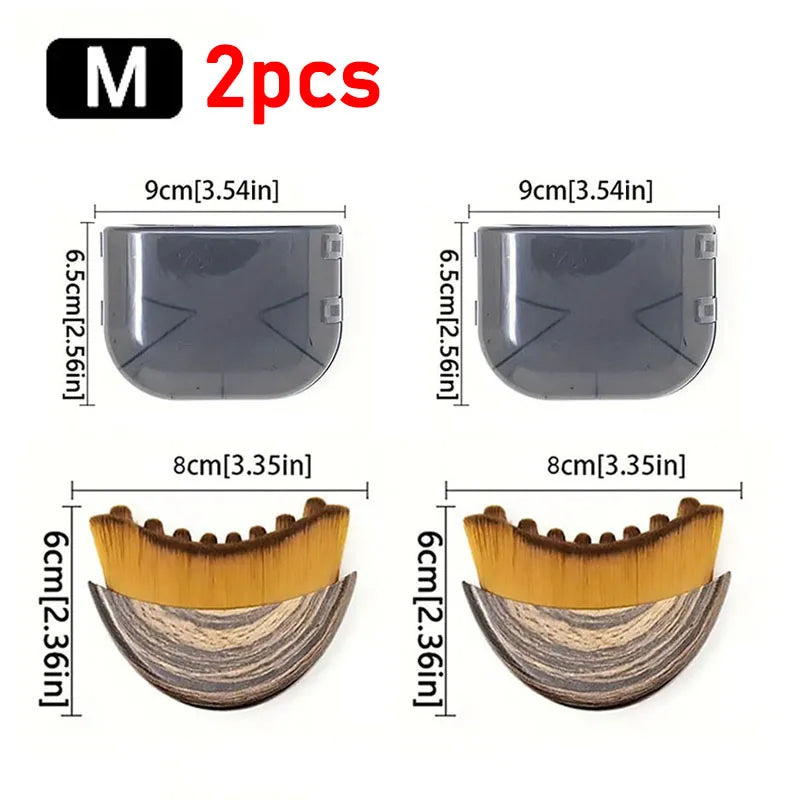
The Lymphatic Face Brush fits this criteria-based approach as a manual facial massage tool. It uses a contoured design intended to follow facial areas such as the cheeks and jawline, has an ergonomic shape for control, and requires no batteries or cords. Its listed material is rubber, and it is intended for use with gentle pressure.
Who Should Consider a Dedicated Facial Massage Brush?
A dedicated brush may suit people who want a repeatable facial massage ritual and prefer having a physical tool rather than using their fingers. It can also be convenient for travel because a manual tool does not require charging or electrical settings.
Who May Be Better Off Using Their Hands?
Hands may be preferable if you want the highest level of pressure feedback or your skin reacts easily to contact surfaces. They also eliminate the need to clean and maintain another tool. If you cannot use a brush without pressing firmly, using your hands may be the more practical option.
Pros and Cons of a Manual Lymphatic Face Brush
Pros:
- Manual control without batteries or cords
- Can support a consistent facial massage routine
- Contoured shapes can follow facial areas
- Convenient for travel
- Simple tactile experience
Cons:
- Technique and pressure still depend on the user
- Not every facial brush is appropriate for lymphatic-style massage
- Requires regular cleaning
- May not be the best choice for highly reactive skin
- Cannot treat medical swelling or lymphedema
Frequently Asked Questions About Face Brushes for Lymphatic Drainage
Can a face brush be used for lymphatic drainage?
A soft manual face brush can be used for gentle, lymphatic-style facial massage when it allows light pressure, controlled directional movement, and low skin drag. It should not be considered a medical lymphatic treatment.
What type of face brush is best for lymphatic drainage massage?
Look for a soft, controllable manual tool with comfortable facial contact, low friction, an ergonomic grip, and a shape that allows slow directional strokes. Avoid choosing solely based on “lymphatic” or “detox” marketing language.
Is a lymphatic drainage face brush better than using your hands?
Not necessarily. Hands provide excellent pressure control and direct feedback. A brush may be preferable if you want a dedicated tool and a more repeatable tactile routine.
Can you use a facial cleansing brush for lymphatic drainage?
Not automatically. Cleansing brushes are designed for cleansing, and their bristles, texture, pressure requirements, and friction may not be appropriate for gentle lymphatic-style massage.
Can facial brushing treat lymphedema or other medical swelling?
No. A consumer facial brush cannot treat lymphedema or diagnose the cause of facial swelling. Persistent or medically significant swelling should be evaluated by an appropriate healthcare professional.
How much pressure should you use with a lymphatic drainage face brush?
Use very light, comfortable pressure. The brush should glide rather than scrub, pull, or cause pain. Reduce pressure immediately if you notice burning, soreness, significant redness, or excessive skin drag.
Should you use a face brush on sensitive skin?
You can consider a very soft, low-friction tool if your skin tolerates facial massage, but hands may provide better pressure control. Stop if the skin becomes irritated and avoid aggressive brushing.
How often can you use a face brush for lymphatic-style facial massage?
A gentle manual design can be incorporated into a regular facial massage routine when your skin tolerates it. The appropriate frequency depends on your skin's response, so avoid excessive use if you experience irritation or sensitivity.
Final Takeaway: Choose the Tool by Technique, Not Marketing
The best face brush for lymphatic drainage is not necessarily the one with the strongest “de-puffing” or “detox” claims. Instead, look for a tool that supports gentle pressure control, low skin drag, appropriate softness, comfortable handling, and easy sanitation.
A soft manual brush can be a practical choice when you want a dedicated facial massage tool, while hands may be better when maximum pressure feedback is your priority. Facial rollers and gua sha tools can also fit certain routines, provided they are used with appropriate pressure and technique.
For a simple, non-electric option, the Lymphatic Face Brush is designed for controlled facial massage and features a contoured, ergonomic form with no batteries or cords. Evaluate it against the same checklist used for any other tool: gentle contact, pressure control, comfortable movement, and practical maintenance.
If facial swelling is persistent, sudden, painful, unexplained, or medically significant, skip the cosmetic brush and seek professional evaluation. A facial massage tool can support a skincare ritual, but it should never replace appropriate medical care.
Related Articles:
- How to Reduce Face Puffiness: Fast Relief, Causes & Prevention
- Manual Lymphatic Drainage for Face: A Gentle 5–10 Minute Guide
- Lymphatic Drainage Face Massage: Beginner Step-by-Step Guide
- Best Lymphatic Drainage Massage Brushes for the Face in 2026
- Do Lymphatic Brushes Work? What Science Says About Face Brushes
- Facial Massage for Puffy Face: A Step-by-Step De-Puffing Guide
- Best Facial Lymph Brush: How to Choose the Right One
- Facial Lymphatic Drainage Massage Tools: Best Options for 2026
- Lymphatic Drainage Massage for Face: A 5–10 Minute Beginner Routine
- Best Face Lymphatic Drainage Brush: 2026 Buying Guide













