

Best Facial Lymph Brush: How to Choose the Right One
The best facial lymph brush is not necessarily the firmest, most expensive, or most heavily marketed option. For facial massage, the better choice is usually a tool that makes gentle, controlled, directional movements easy while minimizing unnecessary friction. If you are shopping for a facial lymph brush to help reduce the appearance of puffiness, refresh tired-looking skin, or support a simple at-home facial massage routine, focus on bristle softness, facial contour fit, grip, materials, hygiene, and realistic expectations.
A good facial lymph brush should complement your technique rather than encourage aggressive scrubbing. Before buying, it is also important to understand the difference between a lymphatic massage brush, gua sha tool, and facial cleansing brush because these products are designed for different purposes.
What Is a Facial Lymph Brush?
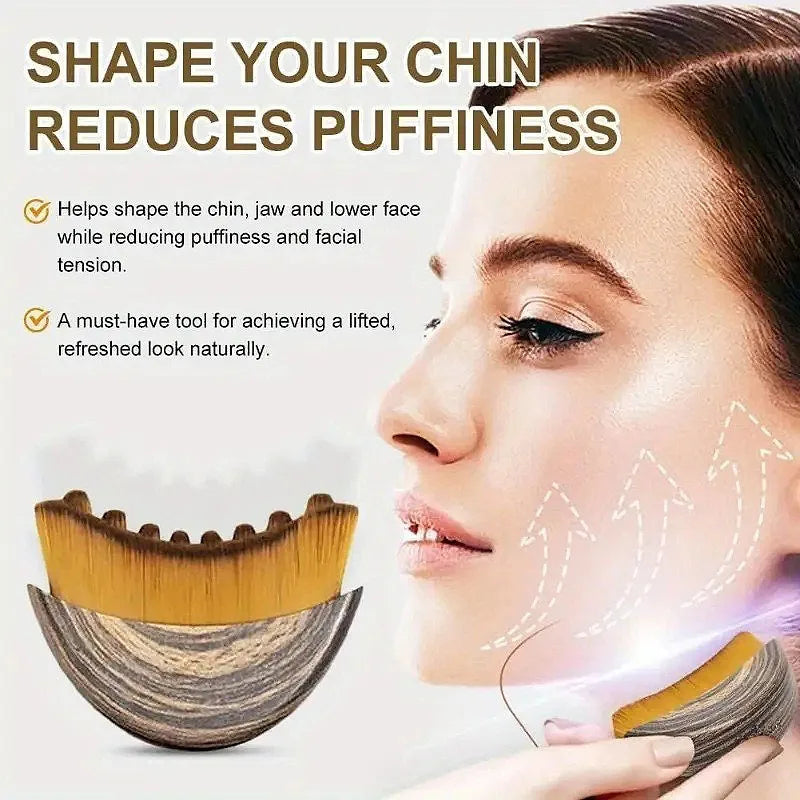
A facial lymph brush is a manual massage tool designed to help you perform gentle facial massage using controlled, directional strokes. Unlike an electric cleansing brush, its primary purpose is not vigorous cleansing or exfoliation. The goal is to provide comfortable surface contact that can make a light facial massage easier to perform around areas such as the cheeks, jawline, forehead, and neck.
How a Facial Lymph Brush Is Designed to Work
The design of a facial lymph brush matters because facial skin generally benefits from controlled contact rather than aggressive pressure. Soft or flexible contact points can help the brush glide across facial contours while allowing you to maintain a light touch.
For people interested in lymphatic drainage face massage, the tool can provide a consistent way to practice slow, directional movements. The brush itself does not guarantee lymphatic drainage or a particular cosmetic result. Technique, pressure, individual skin characteristics, and the reason for facial puffiness all matter.
What Results Can You Realistically Expect?
A facial massage may temporarily make a puffy or tired-looking face appear more refreshed or less swollen. This is different from permanently changing facial structure, removing facial fat, or creating lasting facial sculpting.
If your goal is to reduce the appearance of morning facial puffiness, think of a lymphatic face brush as a massage accessory rather than a permanent contouring device. Consistent, gentle use may fit well into a skincare ritual, but stronger pressure does not automatically produce better results.
Best Facial Lymph Brush Buying Criteria
When comparing facial lymph brushes, prioritize features that affect comfort, control, and practical everyday use. The following criteria are more useful than simply choosing the brush with the most attractive packaging or the longest list of cosmetic promises.
1. Bristle Softness and Skin Feel
Softness should be one of the first things you evaluate. Facial massage is generally intended to be gentle, so very stiff or abrasive bristles can create unnecessary friction. A brush that feels comfortable with light pressure is usually easier to control than one that encourages you to press harder.
If you have sensitive skin, pay particular attention to how the contact surface feels. A stronger sensation is not evidence that a brush is working better. Redness, stinging, or persistent irritation are signs to reduce pressure or stop using the tool.
2. Facial Contour Fit
The face contains many different contours, so a useful brush should be easy to maneuver around the cheeks, jawline, forehead, and other areas. A contoured design can make it easier to maintain contact without repeatedly repositioning your hand.
Consider whether the shape feels intuitive for the areas you want to massage. If your primary concern is puffy cheeks and a tired-looking jawline, control and maneuverability may matter more than having a large contact surface.
3. Handle, Grip, and Control
A comfortable grip is important because facial lymphatic massage relies on light, controlled movements. An awkward handle may encourage excessive pressure or make directional strokes difficult.
Look for a shape that feels secure without requiring a tight grip. The goal is to guide the brush slowly rather than scrub the skin. Ergonomic handling is especially useful if facial massage is going to become part of your daily skincare routine.
4. Material and Skin Compatibility
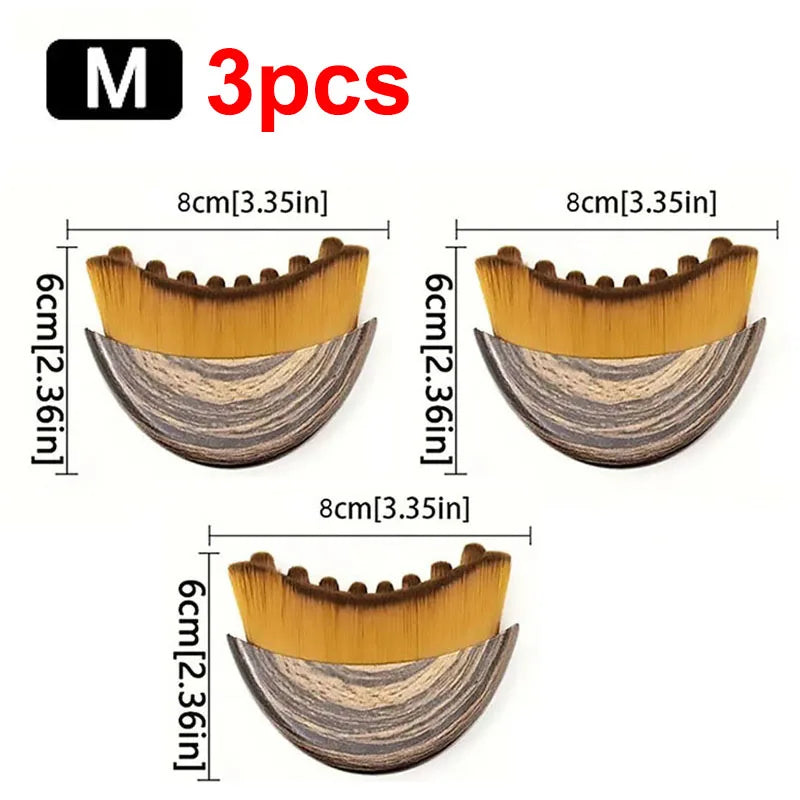
Material affects feel, cleaning, durability, and overall usability. For example, the Lymphatic Face Brush described in this guide uses rubber and is designed as a manual facial massage tool with no electrical power source.
For sensitive skin, keep your routine simple. Avoid assuming that a premium material or complicated construction is automatically better. What matters most is comfortable contact, appropriate pressure, and whether the material can be kept clean.
5. Hygiene and Ease of Cleaning
Any facial tool that comes into repeated contact with skin should be easy to clean and dry. Product residue, skincare buildup, and moisture can accumulate if a brush is not properly maintained.
Before purchasing, consider whether the material can be washed according to the manufacturer's instructions and whether the design has areas that are difficult to dry. Simple construction can be a practical advantage for frequent use.
6. Price and Overall Value
Price should be evaluated alongside construction and usability. A higher price does not automatically mean a better facial lymph brush. Look for features that directly affect your experience: comfortable contact, useful contouring, a secure grip, durable construction, and easy cleaning.
If two brushes provide similar functionality, the simpler and more affordable option may offer better value, particularly if you are new to facial massage.
Facial Lymph Brush Comparison: What Matters Most?
The following comparison framework shows how different facial massage options can fit different needs. Rather than ranking every product by marketing claims, evaluate the characteristics that affect how you will actually use the tool.
Facial Lymph Brush Comparison Table
| Tool Type | Primary Purpose | Pressure & Control | Best For | Key Consideration |
| Manual facial lymph brush | Gentle facial massage | High user control | Facial puffiness and massage routines | Softness and contour fit |
| Gua sha | Facial massage and sculpting-style techniques | Depends on technique | Users comfortable with a firm contact surface | Pressure control and technique |
| Facial cleansing brush | Cleansing and exfoliation | Varies by design | Removing cleanser and surface buildup | Not primarily designed for lymphatic massage |
| Electric facial massager | Powered massage or vibration | Device-dependent | Users who prefer powered tools | Settings, charging, and intensity |
How to Read the Comparison
If your priority is gentle facial lymphatic massage, look first for softness, maneuverability, and control. If you mainly want cleansing or exfoliation, a cleansing brush may be more appropriate. If you prefer a rigid contact surface and already know how to perform gua sha techniques, a gua sha tool may better match your routine.
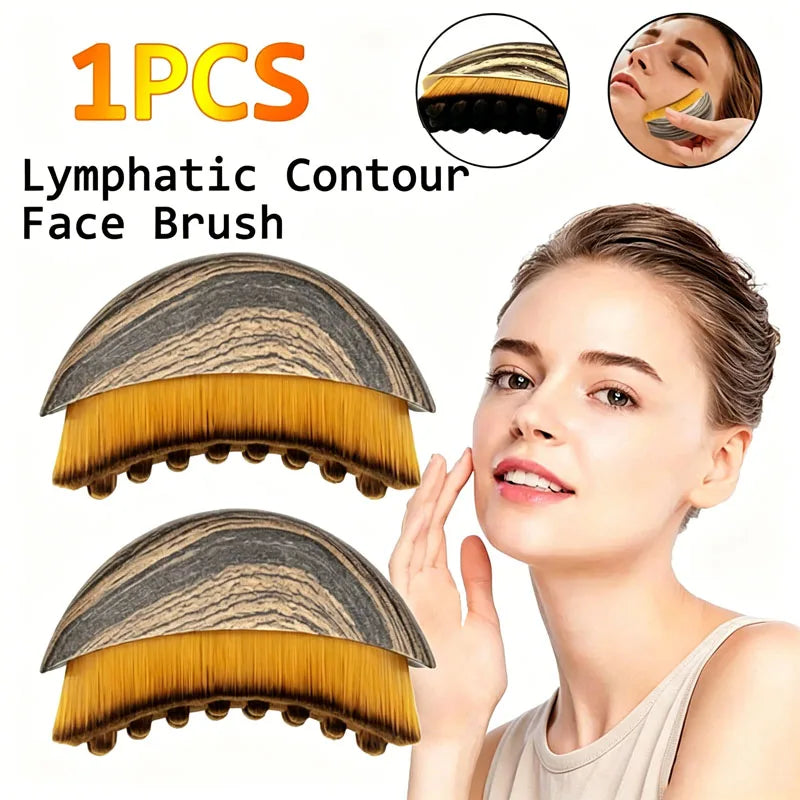
For shoppers who want a simple manual option, the Lymphatic Face Brush uses a contoured design, ergonomic shape, rubber construction, and no batteries or cords. Its design is intended to support gentle facial massage and make the tool convenient for regular use.
For a broader selection of personal-care tools, you can also explore skin and beauty care devices when building a larger at-home skincare routine.
Which Facial Lymph Brush Is Right for You?
Best Choice for Sensitive Skin
Choose the brush with the softest comfortable contact and avoid designs that feel abrasive. Simple materials and easy pressure control can be advantages. Regardless of the brush you choose, use a light touch and stop if you experience persistent redness, burning, or discomfort.
Best Choice for Beginners
Beginners should prioritize an intuitive shape, comfortable grip, easy maneuverability, and straightforward cleaning. A simple manual tool can also make it easier to learn how your skin responds to facial massage without introducing complicated settings.
Best Choice for Facial Puffiness
If your primary goal is the temporary reduction in the appearance of facial puffiness, choose a brush that makes light, slow, directional strokes easy. A contoured tool can be useful around the cheeks and jawline, but remember that a massage tool should not be expected to permanently reshape the face.
Best Choice for Frequent Use
For frequent use, durability and hygiene become especially important. Look for washable construction, easy drying, comfortable handling, and a design you will actually enjoy using. A tool that is simple to clean is more practical than one with complicated features that are difficult to maintain.
Best Budget Choice
On a budget, focus on function rather than branding. You do not necessarily need an electric motor, multiple settings, or elaborate accessories for a basic facial massage routine. Soft contact, useful contour fit, reliable grip, and easy cleaning are the features worth prioritizing.
How to Use a Facial Lymphatic Drainage Brush Correctly
Choosing the right brush is only half of the equation. Technique matters because excessive pressure or repeated scrubbing can undermine the comfort of a facial massage routine.
Start With Clean Skin and a Suitable Slip
Begin with clean skin. If your skincare routine includes a product that provides suitable slip, it may help the brush move smoothly rather than drag across the skin. Avoid creating excessive friction, particularly if your skin is sensitive or easily irritated.
Use Light, Slow, Directional Strokes
Use light pressure and move the brush slowly. The product guidance for the Lymphatic Face Brush recommends gliding over clean skin in comfortable outward and upward motions.
Think controlled rather than forceful. You should not need to press deeply to feel that the tool is doing something. If you notice discomfort, significant redness, or pulling of the skin, reduce pressure.
Work Around the Face Without Aggressive Scrubbing
A simple beginner sequence can start around the neck, then move toward the jawline, cheeks, and forehead. Keep movements comfortable and directional rather than rapidly brushing back and forth.
For a morning routine, gentle massage can be combined with the rest of your skincare steps. If facial puffiness is persistent, severe, painful, or associated with other concerning symptoms, a massage brush is not a substitute for appropriate medical evaluation.
For additional personal-care options that can complement an at-home routine, the Body Care and Health Devices collection provides another place to browse related wellness tools.
Facial Lymph Brush vs. Gua Sha vs. Facial Cleansing Brush
Facial Lymph Brush vs. Gua Sha
A facial lymph brush and gua sha tool can both be used for facial massage, but their contact surfaces and handling are different. A brush generally provides multiple soft contact points, while gua sha traditionally uses a smooth, relatively firm surface.
This means technique and pressure can feel quite different. Neither tool is universally superior. Choose based on the type of contact you prefer and how easily you can maintain gentle pressure.
Facial Lymph Brush vs. Facial Cleansing Brush
A facial cleansing brush is primarily designed for cleansing and, depending on its construction, exfoliation. A facial lymph brush is instead selected for gentle massage. These functions should not be treated as interchangeable.
If you are trying to remove cleanser, makeup residue, or surface buildup, choose a tool intended for cleansing. If your goal is a simple facial massage routine for a refreshed-looking appearance, a manual massage brush may be a better match.
Which Tool Should You Choose?
Choose a facial lymph brush if your main goal is gentle, manual facial massage. Choose gua sha if you prefer a firm contact surface and are comfortable with the associated technique. Choose a cleansing brush when cleansing or exfoliation is your primary objective.
Safety, Sensitive Skin, and Hygiene Considerations
When a Facial Lymph Brush May Irritate Skin
Excessive pressure, repeated friction, or unsuitable bristles can contribute to redness and irritation. This is especially relevant for people with sensitive skin or a compromised skin barrier.
Use gentle pressure and pay attention to how your skin responds. A facial massage should feel comfortable rather than painful or abrasive.
How to Keep Your Brush Clean
Clean the brush according to its material and manufacturer instructions. Remove product residue after use, allow the tool to dry properly, and store it in a clean, dry location. Avoid storing a damp brush in an enclosed space where moisture can remain trapped.
Regular cleaning is particularly important when the brush is part of a daily skincare ritual.
When to Skip Facial Massage
Skip facial massage over broken skin, active irritation, or areas that are painful or unusually inflamed. If a healthcare professional has advised you to avoid massage, follow that guidance rather than relying on a cosmetic massage tool.
Common Mistakes When Buying a Facial Lymph Brush
Choosing Firm Bristles for a Stronger Feel
A stronger sensation is not necessarily a better massage. Firm or abrasive bristles can create more friction without providing a meaningful advantage for gentle facial massage. Prioritize comfort and control instead.
Confusing Cleansing With Lymphatic Massage
Not every facial brush is a lymphatic massage brush. Cleansing brushes are designed around cleansing and exfoliation, while lymph brushes are intended to facilitate gentle massage. Using the wrong tool for your goal can lead to unnecessary pressure or friction.
Expecting Permanent Facial Sculpting
Be cautious about claims that a facial massage brush can permanently reshape your face, eliminate facial fat, or create guaranteed long-term contour changes. A more realistic expectation is a temporary refreshed or less-puffy appearance for some users.
Ignoring Cleaning and Storage
Hygiene should be part of the purchase decision. A brush that is difficult to wash, dry, or store may become inconvenient for regular use. Simple maintenance can make the difference between a tool you use consistently and one that ends up unused.
Final Buying Checklist: How to Choose the Best Facial Lymph Brush
7 Questions to Ask Before You Buy
- Are the contact points soft enough for gentle facial massage? Avoid choosing firmness simply because it feels stronger.
- Does the shape follow your facial contours? Look for a design that is easy to maneuver around the cheeks, jawline, and forehead.
- Can you maintain light pressure? A comfortable grip should make controlled movements easy.
- Are the materials appropriate for your routine? Consider comfort, durability, and skin compatibility.
- Is the brush easy to clean and dry? Simple hygiene matters for repeated facial use.
- Does it match your primary goal? Choose a massage brush for massage rather than using a cleansing tool for a purpose it was not designed to serve.
- Are you paying for useful features? Prioritize comfort, control, fit, and usability over unnecessary premium features.
If those criteria match what you are looking for, the manual Lymphatic Face Brush is a straightforward option. It uses a contoured rubber design, ergonomic handling, and a non-electric construction for a simple facial massage routine at home or while traveling.
You can also browse the Body & Face Blog for additional skincare and facial-care topics when building a broader routine.
Conclusion
The best facial lymph brush is the one that fits your skin, technique, and routine—not necessarily the most expensive or firmest option. Soft contact, useful facial contouring, controlled handling, hygienic materials, and comfortable everyday use are the features that deserve the most attention.
If your goal is to massage the face when it looks puffy or tired, keep expectations realistic. Gentle facial massage may support a temporarily refreshed-looking appearance, but it should not be presented as a permanent facial sculpting or fat-loss solution.
For a simple, non-electric option designed around gentle facial massage, you can explore the Lymphatic Face Brush and decide whether its contoured, ergonomic design fits your routine.
Pillar Article: Face Brush for Lymphatic Drainage: How to Choose the Right Tool













