

Best Lymphatic Drainage Massage Brushes for the Face in 2026
If your face looks puffy, swollen, or tired after waking up, a gentle facial massage can be a simple addition to your morning routine. But not every facial brush is designed for the same purpose. A brush intended for exfoliation may create more friction than you want for a lymphatic-style facial massage, while a stiff or poorly shaped tool can make it difficult to control pressure.
The best lymphatic drainage massage brush for the face should make light, controlled movement easy. Look for a facial-safe contact surface, comfortable handling, appropriate coverage, and a design that can be cleaned thoroughly. Most importantly, facial lymphatic-style massage should feel gentle rather than abrasive.
Best Lymphatic Drainage Massage Brushes for the Face: Quick Comparison
For most people shopping specifically for facial puffiness, a manual brush with a soft-feeling contact surface, ergonomic grip, and easy-to-clean construction is the most practical starting point. The right choice depends less on aggressive brushing and more on pressure control, comfort, and how easily the brush fits into your routine.
Comparison Matrix: Material, Softness, Design, Skin Type, and Best Use
| Brush Type or Feature | Material / Contact | Softness | Design & Control | Suitable Skin Types | Best Use |
| Manual rubber facial massage brush | Rubber | Gentle when used with light pressure | Contoured, ergonomic, non-electric | Most skin types; adjust frequency for sensitive skin | Daily facial massage and temporary de-puffing appearance |
| Traditional bristle brush | Natural or synthetic fibers | Varies considerably | Often designed for brushing rather than massage | Depends on bristle stiffness and skin tolerance | More appropriate when the product is specifically designed for gentle facial use |
| Gua sha | Usually smooth stone or similar solid material | Depends on pressure and edge design | Requires deliberate hand control | Most skin types with appropriate technique | Slow, targeted facial massage |
| Facial roller | Stone, metal, or other smooth surface | Smooth contact rather than bristles | Easy rolling motion | Most skin types when used gently | Simple, soothing facial massage |
| Electric facial massager | Varies by device | Varies by attachment and intensity | Powered movement with settings | Depends on device instructions and skin tolerance | Users who prefer powered massage rather than a manual tool |
Best Overall: A Gentle Manual Facial Massage Brush
For shoppers who want simplicity, a manual facial massage brush offers a useful combination of control, portability, and straightforward operation. There are no batteries, cords, charging cycles, or intensity settings to manage. You control the speed and pressure yourself.
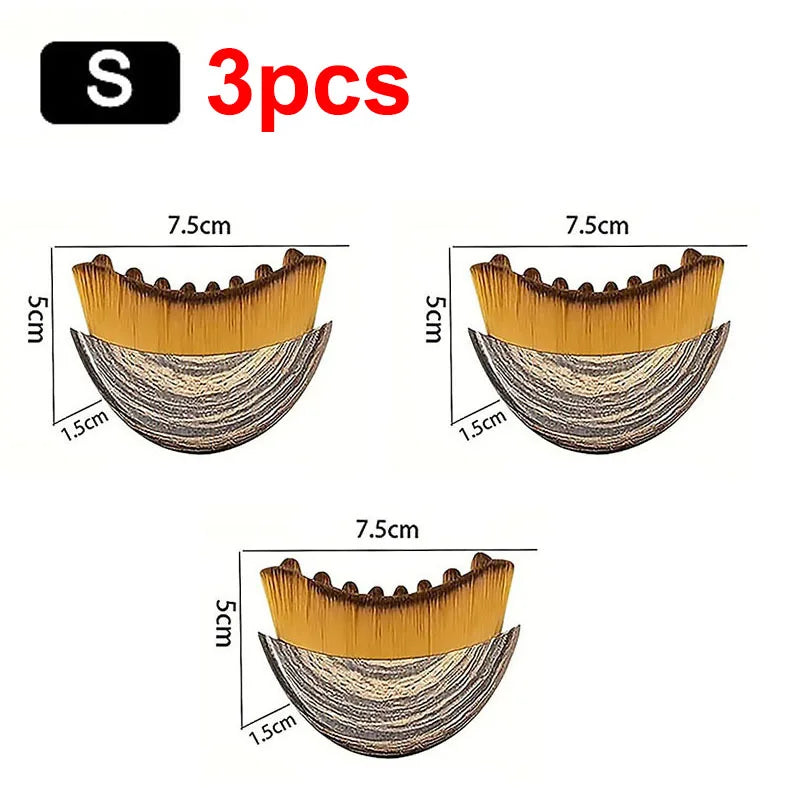
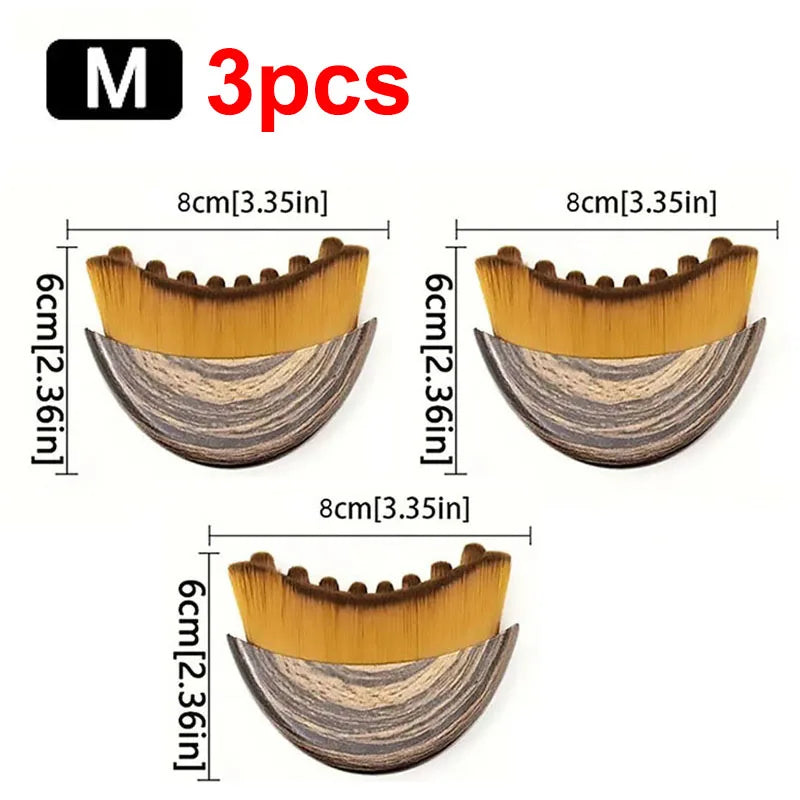
The Lymphatic Face Brush for sculpting and de-puffing facial care fits this use case with a rubber construction, contoured shape, ergonomic handling, and manual operation. It is designed for cheeks, jawline, and other facial areas where gentle massage can be incorporated into a skincare ritual.
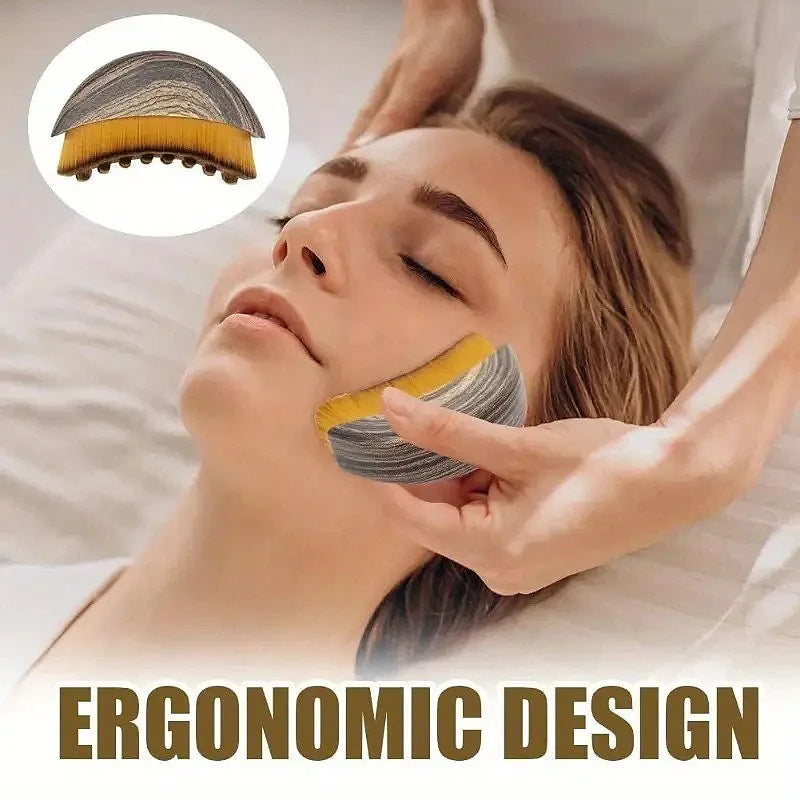
Pros: Manual pressure control, non-electric design, contoured handling, travel-friendly, simple to incorporate into a routine.
Cons: Results depend on technique and consistency; it is not a treatment for an underlying medical cause of facial swelling.
If you are already building a broader home beauty routine, you can also explore skin and beauty care devices to compare other at-home skincare tools.
Best for Sensitive Skin: The Softest Practical Contact Surface
Sensitive skin does not necessarily require avoiding facial massage altogether, but it does require greater attention to friction. A suitable tool should allow you to use very light pressure without repeatedly dragging or scrubbing the skin.
For easily irritated skin, prioritize a smooth or flexible contact surface over stiff bristles. Keep sessions short and stop if you notice persistent redness, burning, stinging, tenderness, or dryness. The objective is gentle massage, not exfoliation.
Best for Facial Puffiness: A Contoured Manual Brush
For people searching for how to reduce the appearance of a puffy face in the morning, a contoured manual brush can make it easier to work across the cheeks and jawline with controlled strokes. The key is not the amount of force. Facial massage should remain light and comfortable.
A tool such as the manual Lymphatic Face Brush is designed to follow facial contours and can be used with outward and upward movements as part of a gentle facial massage routine.
Best Easy-to-Clean Option: Washable, Simple Construction
Hygiene matters whenever a tool repeatedly contacts the face. A simple manual construction can be easier to maintain than a device with multiple crevices, electronic components, or difficult-to-remove attachments. Always follow the manufacturer's cleaning instructions for the specific material.
What Is a Lymphatic Drainage Massage Brush for the Face?
A lymphatic drainage massage brush for the face is a manual tool intended to assist gentle facial massage using controlled strokes. The concept is related to manual lymphatic drainage, a specialized form of very light-touch massage used in appropriate clinical contexts. A cosmetic facial brush should not be presented as equivalent to professional manual lymphatic drainage or as a treatment for lymphatic disorders.
For everyday skincare, the practical goal is usually much simpler: a soothing massage routine that may temporarily improve the appearance of facial puffiness and help the face look more refreshed.
How Facial Lymphatic Drainage Differs From Exfoliation
This distinction is important. Exfoliation focuses on removing or loosening dead surface skin cells and may involve friction or exfoliating ingredients. A lymphatic-style facial massage focuses on light, controlled movement and should not require vigorous rubbing.
If your face is swollen after sleeping, pressing harder is not a better strategy. Aggressive brushing can increase friction and irritation, particularly if the skin barrier is already dry or sensitive.
What It May Help With—and What It Cannot Do
Gentle facial massage may temporarily make a puffy or tired-looking face appear more refreshed. Massage can also feel relaxing and can become a useful part of a consistent skincare ritual.
However, a facial massage brush should not be expected to permanently reshape the face, remove facial fat, or "detox" the body. Temporary changes in facial appearance should not be confused with permanent facial contouring or treatment of an underlying cause of swelling.
If you are looking for more ways to build a consistent facial-care routine, the Body & Face Blog can complement your product-selection research with additional skincare and facial-care topics.
How We Chose the Best Facial Lymphatic Massage Brushes
The most useful comparison criteria are the characteristics that directly affect comfort and technique. Rather than ranking products solely by appearance or marketing claims, evaluate whether a brush makes gentle, controlled facial massage practical.
Bristle Softness and Skin Contact
Softness is one of the most important considerations. A facial massage brush should not feel scratchy, sharp, or abrasive. If a brush requires force to create movement, it is a poor fit for a gentle massage technique.
Flexible or soft-feeling contact is particularly important around the cheeks and other delicate facial areas. When evaluating a product, consider whether the contact surface can move across the skin without pulling, scraping, or creating uncomfortable friction.
Brush Material and Construction
Materials affect feel, durability, cleaning, and handling. Rubber is one practical option for a manual facial massage tool because it can provide a flexible contact surface and a simple construction without electronics.
Natural and synthetic bristles can also work when they are specifically designed for gentle facial use, but bristle density and stiffness vary considerably. Never assume that a brush marketed for the body or scalp is appropriate for delicate facial massage.
Ergonomics and Pressure Control
A comfortable grip helps you maintain consistent, light pressure. This matters more than adding complicated features. An ergonomic, contoured shape can make it easier to move around the jawline and cheeks without gripping the tool too tightly.
Facial Coverage
A useful facial massage brush should make it practical to reach broad areas such as the cheeks, lower face, jawline, forehead, and appropriate parts of the neck. Smaller contact areas may provide more precision, while larger surfaces can make a short routine faster.
Cleaning and Hygiene
Choose a construction that can be cleaned according to its material requirements and dried completely. Avoid storing a damp facial tool in a closed, humid environment. A brush that becomes rough, damaged, misshapen, or persistently dirty should be replaced.
Lymphatic Drainage Massage Brush vs. Gua Sha vs. Facial Massage
There is no single facial massage tool that is automatically best for everyone. The choice comes down to how you prefer to control pressure, the type of contact you like, and how easily the tool fits your routine.
Facial Lymphatic Brush
A facial massage brush is useful when you prefer repetitive, gentle strokes and want a physical tool to guide movement. A contoured manual brush can also be convenient for quick morning routines because it does not require charging or batteries.
Gua Sha
Gua sha uses a smooth, solid surface rather than bristles. It can provide targeted facial massage, but pressure control is especially important. Dragging a solid tool aggressively across the skin can cause unnecessary friction.
Hands-Only Manual Lymphatic Drainage
Your hands are always an option. Fingers can provide precise feedback and make it easy to adjust pressure immediately. A tool is therefore optional rather than necessary for gentle facial massage. Some people simply prefer the consistency and grip of a dedicated brush.
How to Use a Lymphatic Drainage Massage Brush on Your Face
The safest general approach is slow, light, and controlled. Do not treat a lymphatic-style facial massage like an exfoliating scrub.
Step 1: Clean Your Face and Brush
Start with clean skin and a clean brush. This helps prevent unnecessary transfer of makeup, oil, or other residue onto the face.
Step 2: Apply a Suitable Slip Product
If your skin needs additional slip, use a lightweight skincare product that you already know your skin tolerates. The purpose is to reduce dragging, not to saturate the brush with product.
Step 3: Start at the Neck
Begin with gentle strokes around the neck to establish the light pressure you will use on the face. Avoid forceful pressing. The movement should feel soothing rather than deep.
Step 4: Brush the Jawline and Lower Face
Move along the jawline using slow, comfortable strokes. Work from the central lower face outward toward the sides rather than repeatedly scrubbing back and forth over the same area.
Step 5: Move Across the Cheeks
Use gentle outward strokes across the cheeks. If your main concern is puffy cheeks after waking, keep the movement light and repeat only a few controlled passes rather than increasing pressure.
Step 6: Treat the Forehead and Temples
Use slow, light movements across the forehead and toward the temples. Avoid pressing hard around the eyes or other delicate areas.
Step 7: Finish With the Neck
Complete the routine with gentle movements around the neck. Stop when the skin feels comfortable and refreshed. A longer or harder session is not automatically more effective.
How Much Pressure Should You Use?
Use very light pressure. The brush should glide rather than drag, scrape, or dig into the skin. If you feel pain, burning, significant tenderness, or increasing irritation, stop the massage.
How Often Can You Use a Facial Lymphatic Massage Brush?
Frequency should be based on how your skin responds rather than a universal schedule. A short, gentle session may fit comfortably into a regular skincare routine for many people, while sensitive or easily irritated skin may need less frequent use.
For Normal or Resilient Skin
If your skin tolerates gentle massage without redness or irritation, a short session can be incorporated into your routine as desired. Keep the pressure light and avoid turning the massage into an exfoliation session.
For Sensitive or Easily Irritated Skin
Start less frequently and use shorter sessions. A very soft contact surface and minimal pressure are more important than trying to achieve a strong sensation.
Signs You Are Brushing Too Hard or Too Often
Persistent redness, stinging, tenderness, unusual dryness, or worsening irritation are signs to reduce frequency, reduce pressure, or stop. The absence of discomfort is a better target than trying to make the skin feel intensely stimulated.
Who Should Avoid Facial Lymphatic Drainage Brushing?
Active Skin Irritation or a Compromised Skin Barrier
Do not brush over skin that is actively irritated, severely dry, peeling, or otherwise compromised. Additional friction can make an already uncomfortable skin barrier feel worse.
Open Wounds, Significant Inflammation, or Infection
Avoid brushing over open wounds, areas of significant inflammation, or suspected skin infections. Allow affected areas to heal appropriately or seek professional evaluation when necessary.
Recent Procedures or Treatments
After cosmetic, dermatologic, or other facial procedures, follow the aftercare instructions provided by the treating professional. Do not assume that a normally gentle massage tool is appropriate immediately after treatment.
When Medical Guidance Is Appropriate
Persistent, sudden, severe, or unexplained facial swelling is not a cosmetic problem to manage solely with a massage brush. Facial swelling can have many possible causes. Seek appropriate medical advice when swelling is significant, recurrent, painful, associated with other concerning symptoms, or otherwise unusual for you.
How to Clean and Store a Facial Massage Brush
Cleaning After Each Use
Clean the brush according to the manufacturer's material-specific instructions. Remove visible skincare residue and avoid leaving product buildup on the contact surface.
Drying and Storage
Allow the brush to dry thoroughly before storing it. A clean, ventilated storage location is preferable to a consistently damp container or closed space.
When to Replace the Brush
Replace a facial brush when its contact surface becomes damaged, rough, misshapen, sheds material, or can no longer be cleaned properly. Damaged contact surfaces can make gentle massage less comfortable and more irritating.
Which Lymphatic Drainage Massage Brush Is Right for You?
The best choice depends on what you actually want from your facial massage routine. Use the following decision framework instead of choosing a brush solely because it promises dramatic results.
Choose Based on Skin Type
For normal or resilient skin, focus on comfort, pressure control, and ease of cleaning. For sensitive skin, prioritize the softest suitable contact surface and use shorter, less frequent sessions. Dry or easily irritated skin should be monitored closely for signs of friction.
Choose Based on Your Main Goal
If your main concern is morning facial puffiness, choose a tool that makes gentle, outward facial massage easy. If you want a relaxing skincare ritual, prioritize ergonomics and comfortable handling. If you want permanent fat reduction or structural facial reshaping, a massage brush is not the appropriate tool for that expectation.
Choose Based on Brush Design
Look for an ergonomic grip, a facial-appropriate contact surface, useful coverage, and straightforward cleaning. A non-electric tool can be particularly convenient if you travel frequently or want a low-maintenance daily routine.
For those criteria, the Lymphatic Face Brush offers a simple manual format with rubber construction, a contoured shape, and no battery or cord. It can be used at home or packed for travel as part of a gentle facial massage routine.
You can also browse Body Care and Health Devices if you are comparing facial massage with other at-home body-care tools.
Common Mistakes to Avoid With Facial Lymphatic Brushing
Using Too Much Pressure
One of the most common mistakes is assuming that stronger pressure produces better results. For gentle facial lymphatic-style massage, the opposite approach is generally more appropriate. Use controlled, comfortable strokes rather than deep pressure.
Treating It Like an Exfoliating Brush
Do not scrub rapidly back and forth. A facial lymphatic massage routine is fundamentally different from aggressive exfoliation. Slow, light movement is the better technique when your objective is a soothing massage and refreshed-looking appearance.
Ignoring Bristle or Contact-Surface Condition
Inspect the tool regularly. If the contact surface becomes rough, damaged, or otherwise uncomfortable, continuing to use it can increase irritation.
Expecting Permanent Facial Contouring
A temporary reduction in the appearance of puffiness is not the same as permanent facial reshaping. Massage may help the face look temporarily more refreshed, but it should not be marketed or understood as a way to permanently remove facial fat, reshape facial bones, or medically treat lymphatic dysfunction.
Final Takeaway: Choose Gentle Control Over Aggressive Claims
The best lymphatic drainage massage brush for the face is not necessarily the brush with the most features or the strongest sensation. For everyday facial care, prioritize a gentle contact surface, controllable pressure, ergonomic handling, appropriate facial coverage, and simple hygiene.
If your goal is a more refreshed-looking face after sleep, a short, gentle facial massage can be a practical addition to your routine. Keep expectations realistic: the appeal is temporary de-puffing appearance, relaxation, and a simple skincare ritual—not detoxification, fat loss, or guaranteed permanent contouring.
If a straightforward, non-electric tool fits your routine, you can explore the Lymphatic Face Brush for sculpting and de-puffing facial care and use it with the light-pressure technique described above.
Pillar Article: Face Brush for Lymphatic Drainage: How to Choose the Right Tool













