

What is a body recovery massage?
Body recovery massage is a targeted technique that loosens tight muscles, releases knots, and improves circulation to speed up healing. It helps reduce stiffness after workouts, supports deep tissue pain relief, and restores mobility so your body feels lighter, more relaxed, and ready for daily movement.
Body Recovery Massage: Personalized Solutions for Muscle Relief
A body recovery massage can do more than soothe sore muscles—it can deliver targeted muscle knot release guide benefits, act as a reliable neck and shoulder pain remedy, offer deep tissue pain help, and even speed up your post workout stiffness remedy routine so you feel lighter, looser, and more energized. But which personalized techniques actually make the biggest difference—and why do most people overlook them until it’s too late?
⏱ 7 min read
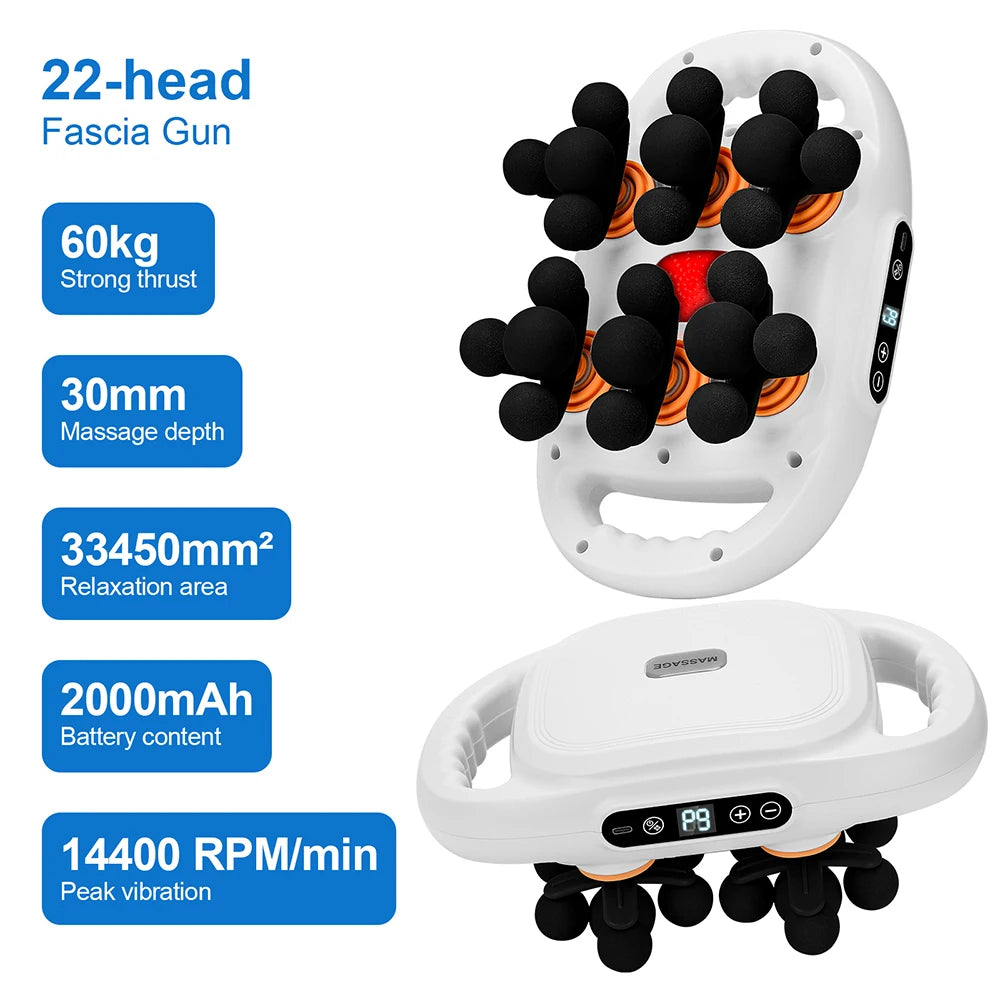
Body recovery massage for muscle knot release guide and deep relief — 💡 See it in action
Why Body Recovery Massage Matters for Everyday Tension Relief
If you’ve ever woken up with a stiff neck, felt shoulders tighten after a long workday, or struggled to shake off soreness after exercise, you’re not alone. Personalized body recovery massage techniques are becoming essential for people who want fast, at-home solutions without needing weekly spa appointments.
And here’s the big question: Which style suits you best? Read on!
How does body recovery massage work?
Body recovery massage works by increasing blood flow, relaxing muscle fibers, and releasing tension stored in deeper layers of tissue. These methods help reduce stiffness, improve mobility, and accelerate healing especially after workouts or long hours of sitting. It’s effective for neck pain, shoulder tightness, knots, and overall stress release.
Personalized Techniques That Deliver Faster Relief
Not all pain feels the same—so one technique won’t solve everything. Here’s how to personalize your body recovery massage routine based on your needs.
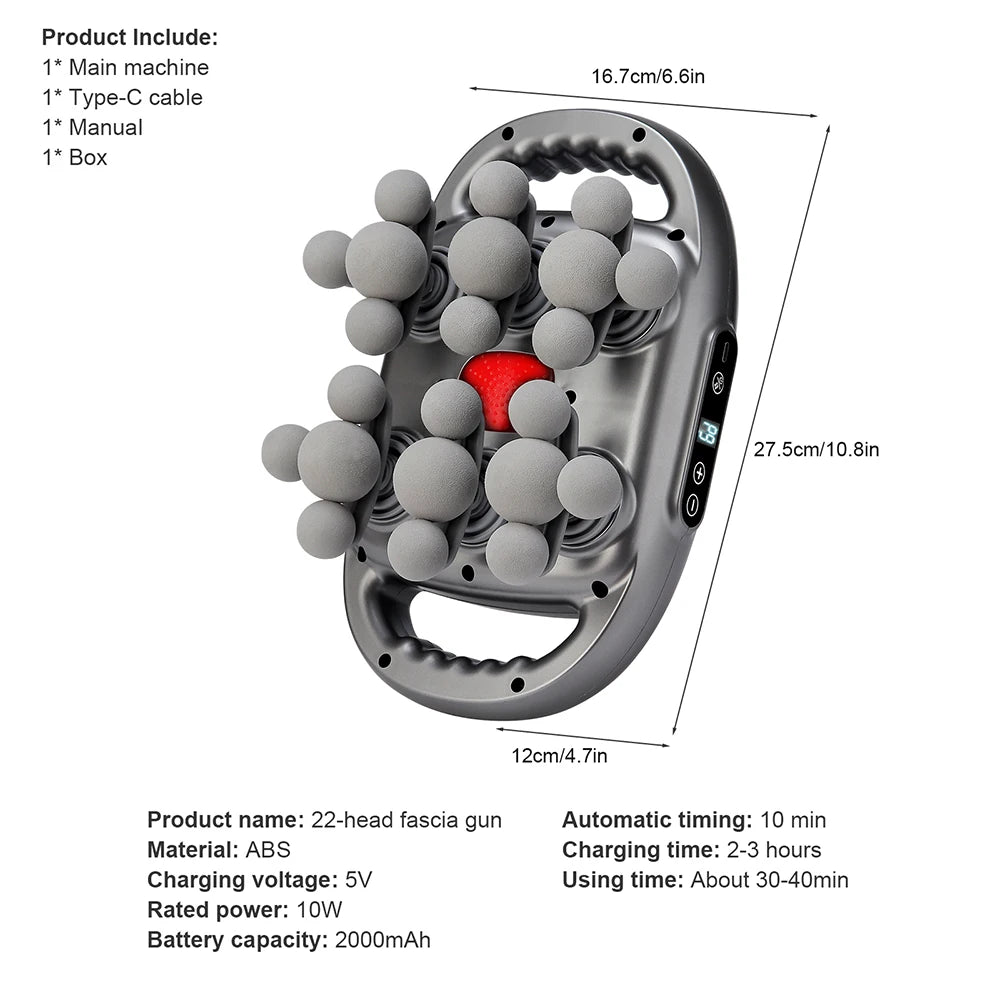
Deep tissue pain help and post workout stiffness remedy — 💡 See it in action
Neck & Shoulder Pain Relief: How This Method Reduces Tension Fast
Neck and shoulder pain often comes from posture, stress, or repetitive motion. A targeted massage can reduce trapped tension and improve range of motion in minutes.
Direct Answer: Neck and shoulder pain relief through body recovery massage uses pressure, stretching, and muscle activation to relax tight fibers. These methods increase circulation and reduce stiffness, making movement easier and lowering pain within minutes.
- Start with gentle warm-up strokes.
- Apply slow, deep pressure to the upper traps.
- Use circular motions behind the shoulder blades.
- Finish with lengthening stretches.
Muscle Knot Release Guide: What Works Best?
Knots form when muscle fibers contract and fail to release. They restrict motion and create achy pressure points.
Direct Answer: Muscle knot release works by applying slow, sustained pressure that softens tight tissue. Body recovery massage techniques target trigger points to break up adhesion, reduce pain, and restore flexibility in the affected area.
- Locate the tight point with fingertips.
- Apply steady pressure for 20–40 seconds.
- Release slowly and breathe deeply.
- Stretch the area immediately afterward.
Deep Tissue Pain Help: How to Reduce Discomfort Safely
Deep tissue work reaches the layers where long-term tension hides—ideal for athletes, office workers, and anyone with chronic tightness.
Direct Answer: Deep tissue pain relief comes from slow, strong pressure that targets deeper layers of muscle. It enhances circulation, reduces inflammation, and loosens chronic knots, helping the body heal faster.
- Use downward strokes with moderate to deep pressure.
- Hold pressure where you feel resistance.
- Move gradually to avoid muscle guarding.
- Hydrate afterward to support recovery.
Post Workout Stiffness Remedy: Steps That Speed Up Recovery
If you struggle with tightness after workouts, adding massage to your cooldown routine can cut stiffness dramatically.
Direct Answer: Body recovery massage helps relieve post-workout stiffness by increasing circulation and reducing lactic acid buildup. With consistent use, it improves flexibility, minimizes soreness, and supports muscle repair after training sessions.
- Start with light warming strokes for circulation.
- Apply deeper pressure to fatigued areas.
- Finish with lymphatic-style drainage strokes.
- Stretch for 2–3 minutes after massaging.
Best Device Support for Personalized Massage Results
For many users, pairing technique with the right tool boosts results dramatically. The KentDO Trapezius Electric Massage Pillow (Product Link) is a favorite for neck, shoulder, and upper-back relief because it mimics deep-kneading massage hands and targets muscles many people struggle to reach manually.
Related collections you may explore for complementary solutions:
Manual vs. Device-Assisted Body Recovery Massage
| Feature | Manual Massage | Electric Massage Pillow |
|---|---|---|
| Pressure Consistency | Depends on technique | Even and continuous |
| Muscle Knot Release | Effective but tiring | Highly effective, effortless |
| Best For | Gentle relaxation | Deep tissue pain help |
| Time Required | 10–20 minutes manually | 5–10 minutes |
Expert Tips to Maximize Body Recovery Massage Results
- Warm the muscles first to reduce discomfort.
- Prioritize slow, controlled pressure over fast movements.
- Use a device for hard-to-reach or frequently tight areas.
- Stay hydrated to support muscle repair.
- Be consistent—daily micro sessions outperform occasional long ones.
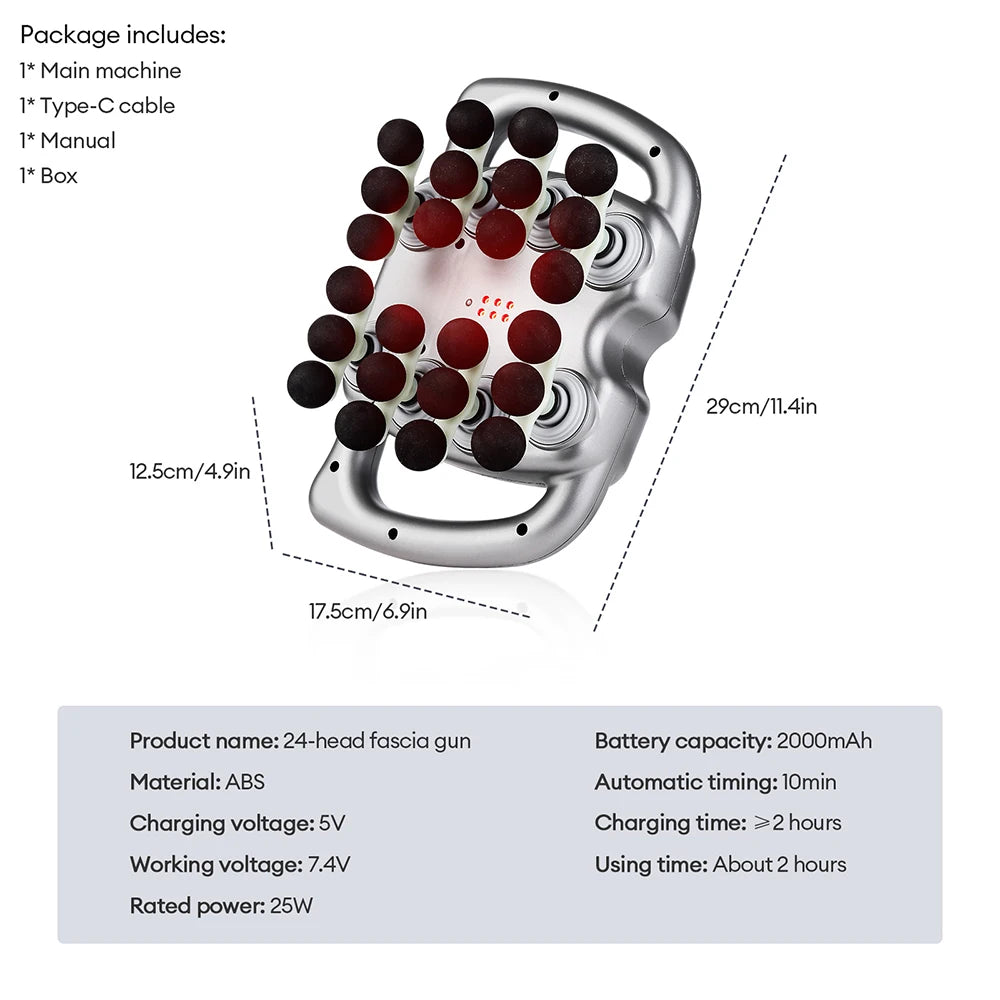
Post workout stiffness remedy with body recovery massage — 💡 See it in action
FAQ
How often should I do a body recovery massage?
Most people benefit from 5–10 minutes daily or 15–20 minutes 3–4 times a week. Consistency improves long-term mobility and pain reduction.
Is body recovery massage good for chronic stiffness?
Yes. It helps reduce long-term tightness by increasing tissue elasticity and improving blood flow to stubborn areas like the neck, shoulders, and lower back.
Can I combine massage with other self-care tools?
Absolutely. Explore complementary categories such as Body Care and Health Devices or Lifestyle for a more holistic routine.
Pillar Article: Deep Tissue Massager: Best Fits for Every Muscle Type
Other Related Articles:
Explore More:













