

Deep Tissue Massager: Best Fits for Every Muscle Type
A deep tissue massager can transform your recovery routine, targeting stubborn knots and tension with precision. Discover how simple muscle recovery massage steps can ease post workout stiffness, while a full body massage routine can act as a chronic muscle tightness fix, leaving you more flexible and energized than ever. Ready to unlock the secret to faster recovery and lasting relief that athletes swear by?
⏱ 5 min read
Does a deep tissue massager really work?
A deep tissue massager works by applying targeted pressure to tight muscles, improving circulation and easing soreness. Regular use can accelerate recovery, reduce post workout stiffness, and provide a long-term chronic muscle tightness fix through guided muscle recovery massage steps. Athletes and home users alike benefit from faster, more efficient recovery.
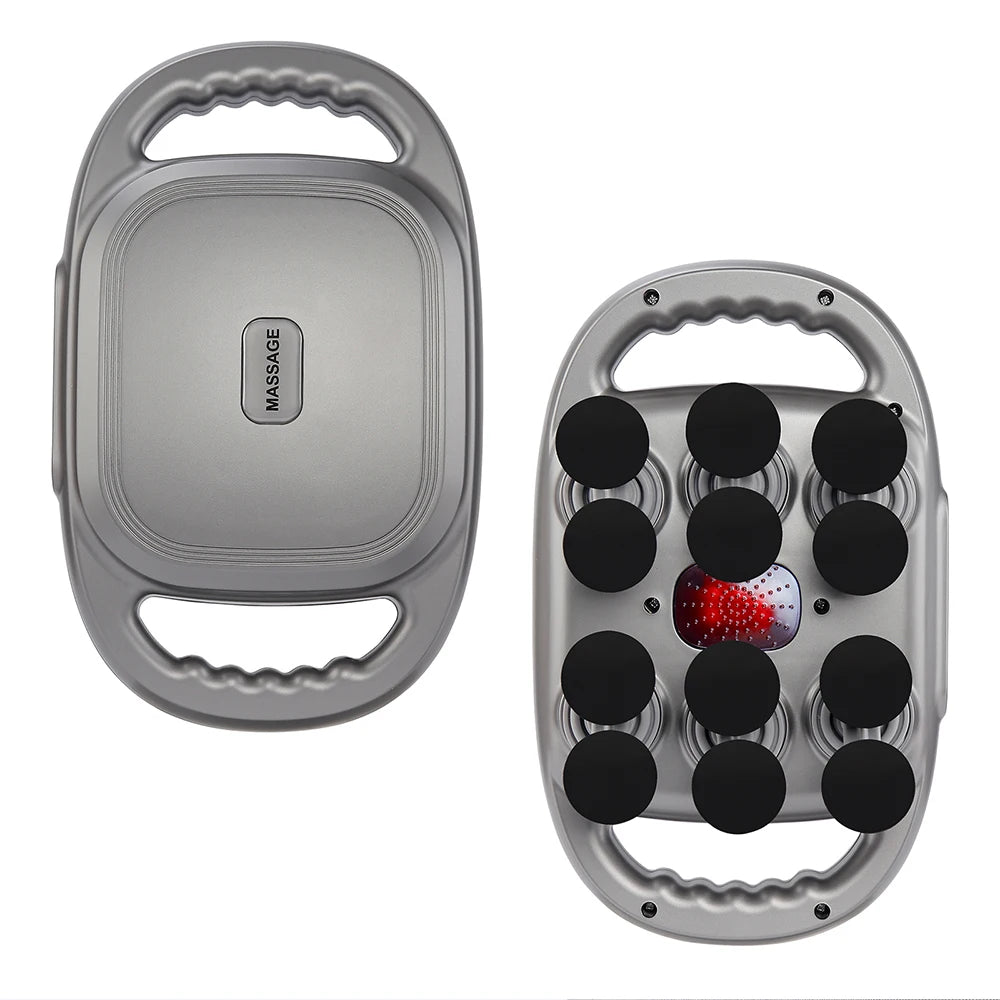
💡 See how this deep tissue massager accelerates muscle recovery and tension relief — Get yours now
Benefits of a Deep Tissue Massager
Deep tissue massagers are designed to go beyond surface relaxation. Here’s why investing in one can transform your recovery routine:
- Reduces Muscle Tension: Penetrates deep into knots and trigger points to relieve tightness.
- Speeds Up Recovery: Improves blood flow to sore areas, reducing downtime after workouts.
- Full Body Relief: Effective on back, shoulders, legs, and arms for a full body massage routine.
- Customizable Pressure: Adjustable speed and intensity suit different muscle types and sensitivity levels.
- Convenience: Provides professional-level relief at home, without frequent massage appointments.
Real User Experience
Jane, a marathon runner, says: “Using the KentDO deep tissue massager after training has reduced my post-workout stiffness significantly. Following simple muscle recovery massage steps, I now recover faster and avoid lingering tightness.”
How to Use a Deep Tissue Massager
To get the most out of your device, follow these easy steps:
- Start with warm-up strokes on the muscle area for 1-2 minutes.
- Apply deeper pressure to knots, holding 15-30 seconds on tight points.
- Move the massager slowly along the muscle fibers, not across them.
- End with light, gentle strokes to relax and restore circulation.
- Incorporate a full body massage routine 2-3 times a week for chronic tension relief.
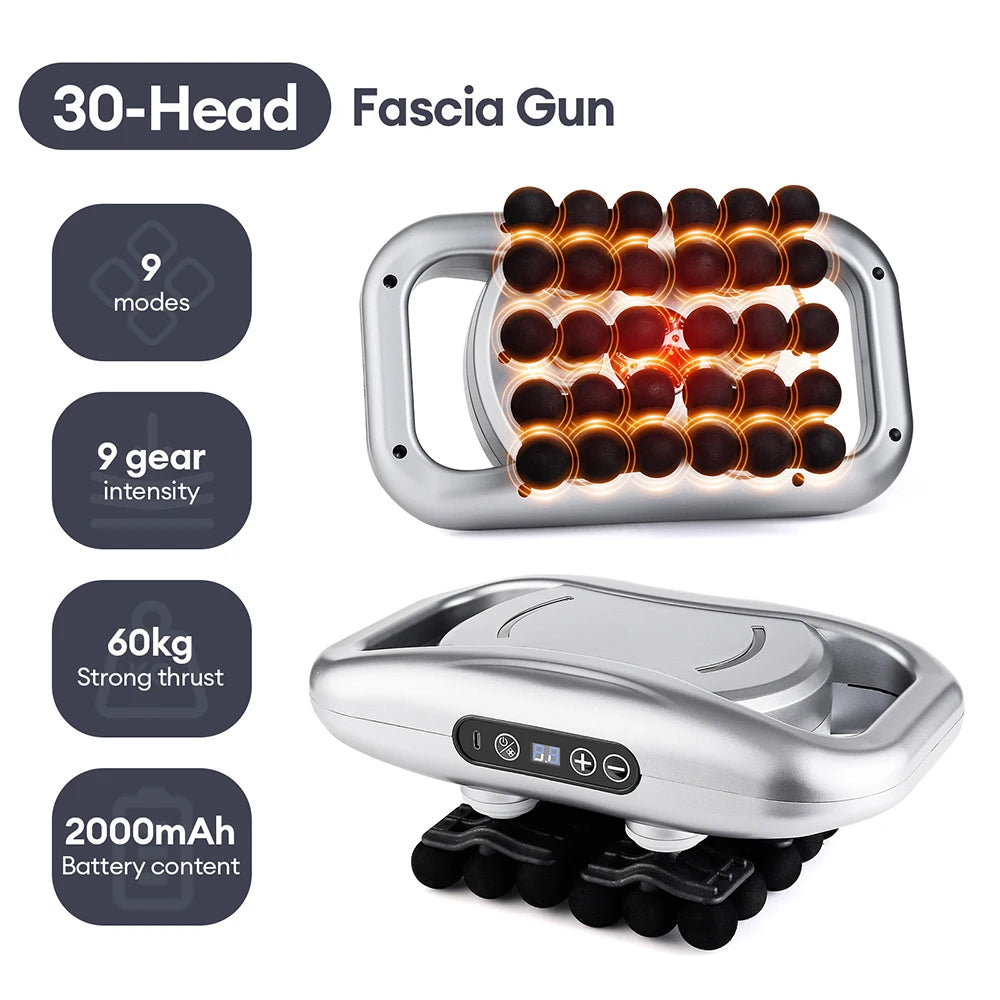
💡 Follow these muscle recovery massage steps to fix post workout stiffness — Try it today
Muscle Recovery Routine for Every Muscle Type
Different muscle groups require tailored approaches. Here's how to target each effectively:
Back and Shoulders
- Use firm pressure to target knots in the upper back and trapezius.
- Combine long strokes with circular motions for maximum tension relief.
Legs and Glutes
- Focus on calves and hamstrings after running or cycling.
- Spend extra time on glutes to relieve hip and lower back stress.
Arms and Forearms
- Target forearm muscles to prevent tightness from repetitive motions like typing or weight lifting.
- Use moderate intensity to avoid discomfort.
Neck and Trapezius
- Gently glide the massager along the neck and shoulder line.
- Apply light pressure on sensitive areas to prevent soreness.
Choosing the Right Deep Tissue Massager
Selecting a device depends on your goals and lifestyle. Consider these factors:
- Intensity Levels: Adjustable speed settings help target different muscle groups effectively.
- Attachment Options: Ball, fork, or flat heads for specific muscles.
- Portability: Cordless devices allow convenient use at home or on-the-go.
- Durability: High-quality motors and materials ensure long-term use.
For a high-performance option, check out the KentDO Trapezius Electric Massage Pillow, ideal for a chronic muscle tightness fix and post workout stiffness remedy.
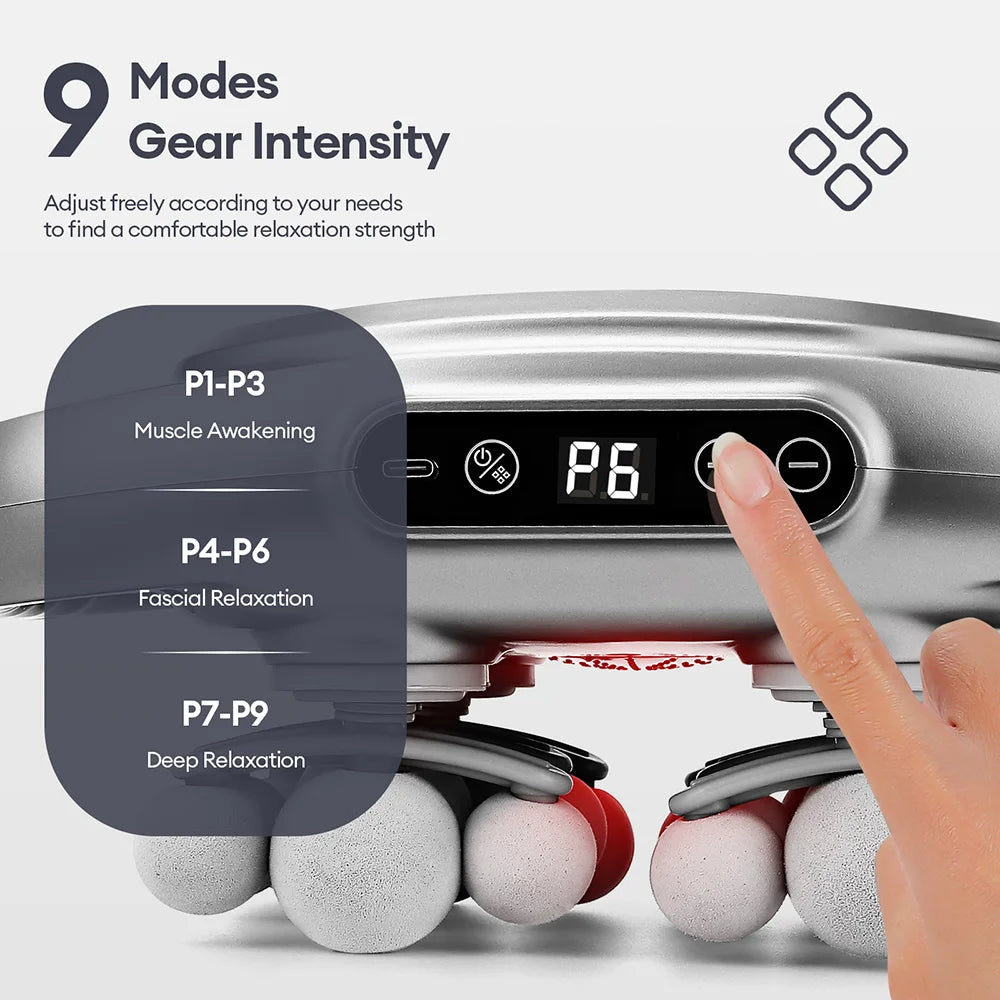
💡 Integrate this deep tissue massager into your full body massage routine for lasting relief — Buy now
FAQ
How often should I use a deep tissue massager?
2-3 times per week is recommended for recovery, but light daily use is safe for maintenance of muscle health.
Can it help with chronic muscle tightness?
Yes. Regular application using proper muscle recovery massage steps can alleviate long-term tension.
Is a deep tissue massager safe for all muscles?
Yes, if used according to instructions. Avoid direct pressure on bones or inflamed areas.
Can I combine it with other recovery methods?
Absolutely. Stretching, foam rolling, and hydration complement the effects of a deep tissue massager.
Related Articles:
- Body Recovery Massage: Personalized Solutions for Muscle Relief
- Athletes Massage Therapy: Tools for Targeted Recovery
Pillar Articles:













