

Body Sculpting Treatment Areas: What Works for Each Zone
Body sculpting treatment areas are best chosen by what you want to change, not simply by the name of a device. Abdomen, flanks, buttocks, thighs, arms, back, and calves can have very different concerns, including localized fat, low muscle definition, skin laxity, or an uneven contour. Noninvasive body contouring technologies also work on different tissues and are designed for different objectives. Fat-reduction approaches target localized adipose tissue, radiofrequency (RF) may focus on tissue heating and skin appearance, while electromagnetic muscle stimulation such as HIEMT focuses on producing strong muscle contractions.
Understanding the treatment area, the underlying tissue, and the desired aesthetic outcome makes it easier to select an appropriate body sculpting approach and maintain realistic expectations.
What Are the Main Body Sculpting Treatment Areas?
Common noninvasive body sculpting treatment areas include the abdomen, flanks or love handles, buttocks and glutes, thighs, upper arms, and back. Some technologies may also be used on other areas, but treatment availability depends on the device, applicator design, manufacturer instructions, tissue characteristics, and professional assessment.
Common Areas for Noninvasive Body Contouring
The abdomen is frequently considered for localized fat reduction, core muscle stimulation, or overall contour refinement. The flanks may be treated when localized fat affects waist definition. The buttocks and glutes are more commonly associated with muscle stimulation and shape enhancement goals. The thighs may involve fat, muscle tone, or skin laxity concerns. The upper arms can involve localized fat, low muscle definition, or loose-looking skin. The back may involve bra-line or flank-area fat and surface contour concerns.
Not every device is appropriate for every body zone. Always check the manufacturer's intended treatment areas and follow the applicable treatment and safety instructions.
Fat Reduction vs Muscle Toning vs Skin Tightening
Fat reduction is intended to address localized adipose tissue. Muscle stimulation is designed to produce muscle contractions and may support muscle tone and definition. Skin tightening focuses primarily on the appearance and quality of lax or loose skin. These objectives overlap visually but are not interchangeable.
For example, a person may describe their abdomen as “stubborn,” but the appropriate approach depends on whether the concern is excess fat, limited abdominal muscle definition, skin laxity, or a combination of these factors.
Body Sculpting Treatment Area by Goal: Quick Comparison
Treatment Area and Technology Matrix
| Area | Primary Concerns | Potential Modality | Primary Objective |
| Abdomen | Localized fat, low core definition, contour | Fat-focused contouring, RF, electromagnetic muscle stimulation | Fat reduction, toning, contouring |
| Flanks | Love handles, localized fat, waist definition | Fat-focused contouring, RF where indicated | Contour refinement |
| Buttocks/glutes | Low muscle definition, shape concerns | Electromagnetic muscle stimulation | Muscle stimulation and toning |
| Thighs | Localized fat, muscle tone, skin laxity | Fat-focused contouring, electromagnetic stimulation, RF | Area-specific contouring |
| Arms | Localized fat, low muscle tone, laxity | Fat-focused approaches, muscle stimulation, RF | Contour and appearance refinement |
| Back | Localized fat, bra-line fullness, skin appearance | Fat-focused contouring or RF where indicated | Contour refinement |
| Calves | Shape or muscle-volume concerns | Highly device-dependent | Requires careful assessment |
Match the Technology to the Tissue Being Targeted
Cryolipolysis uses controlled cooling to target localized fat cells. Radiofrequency body contouring uses RF energy to heat tissue and may be selected when the treatment objective includes skin appearance or contouring, depending on the device. Electromagnetic muscle stimulation uses electromagnetic energy to induce repeated muscle contractions and is therefore fundamentally different from a treatment designed primarily for fat reduction.
This distinction matters because reducing fat and increasing muscle stimulation are not the same biological objective. A treatment can improve the appearance of a body zone without functioning as a general weight-loss method.
Abdomen: Fat Reduction, Muscle Stimulation, and Core Contouring
The abdomen can be considered for several different body sculpting objectives, so it is one of the clearest examples of why treatment selection should begin with the specific concern. Localized abdominal fat, weak-looking muscle definition, and loose skin require different approaches.
Best Treatment Objective for the Abdomen
If the primary concern is a localized fat deposit, a fat-focused body contouring technology may be more appropriate. If the goal is to stimulate abdominal muscles and support visible muscle definition, electromagnetic muscle stimulation or HIEMT may be considered where the technology is indicated. If loose or lax-looking skin is the dominant concern, a skin-focused approach may make more sense.
Technologies Used for Abdominal Contouring
HIEMT and related electromagnetic muscle stimulation technologies are designed to generate strong muscle contractions. This makes them particularly relevant when the desired outcome involves muscle stimulation rather than simply reducing the amount of subcutaneous fat.
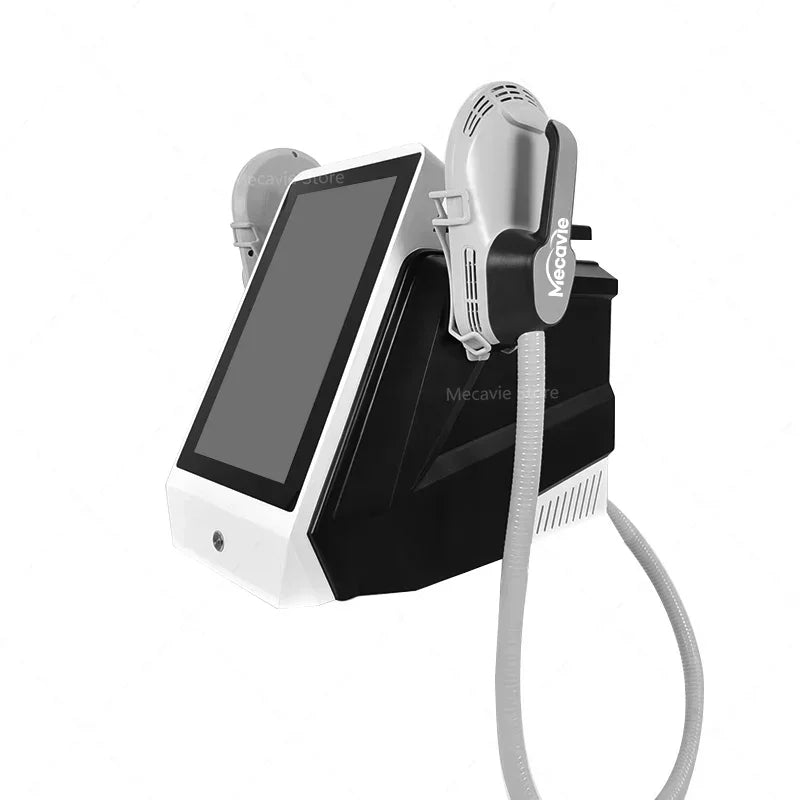
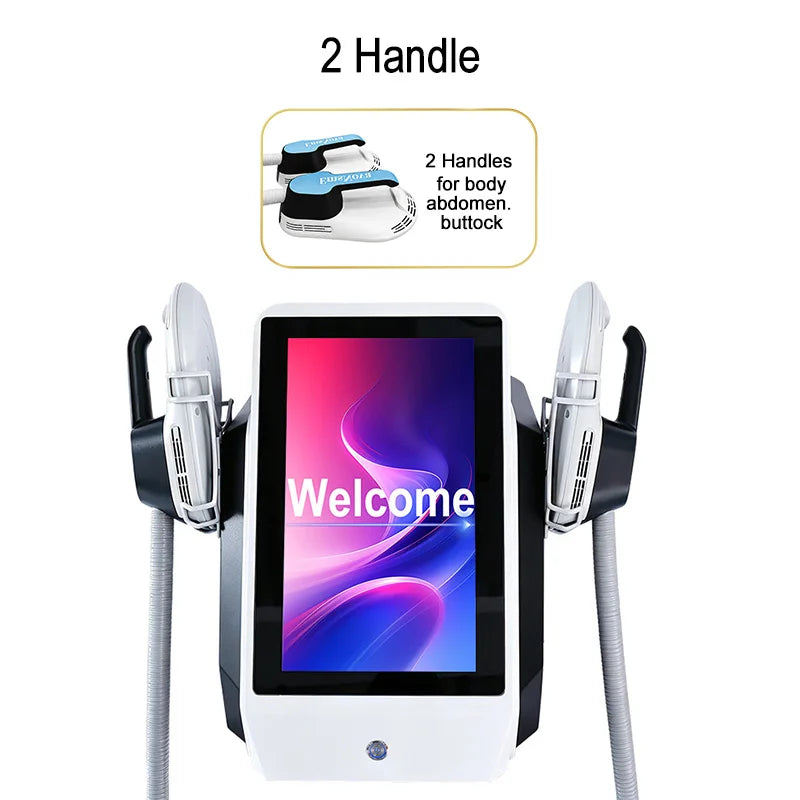
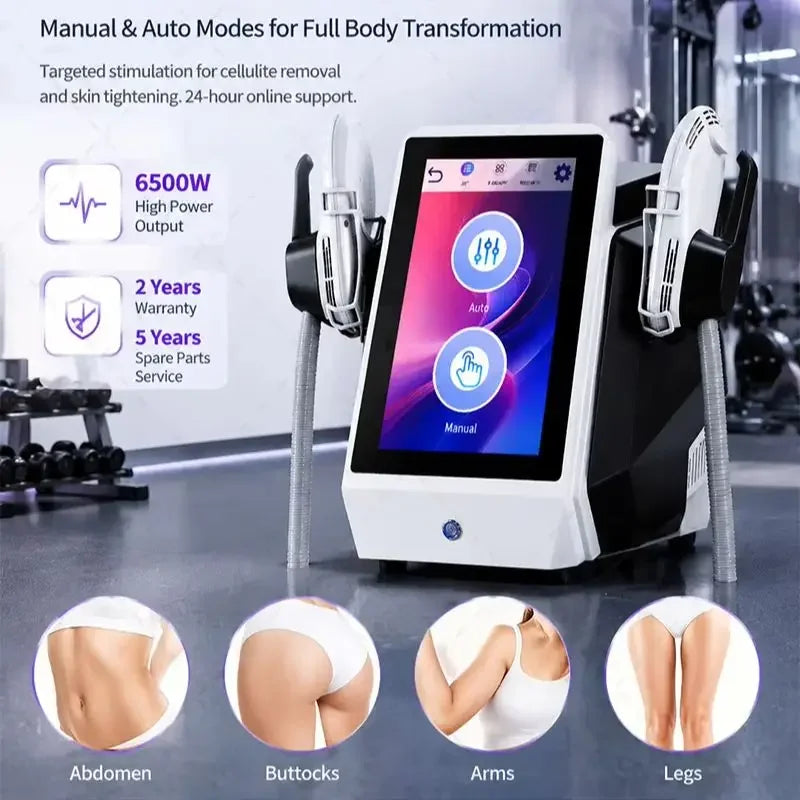
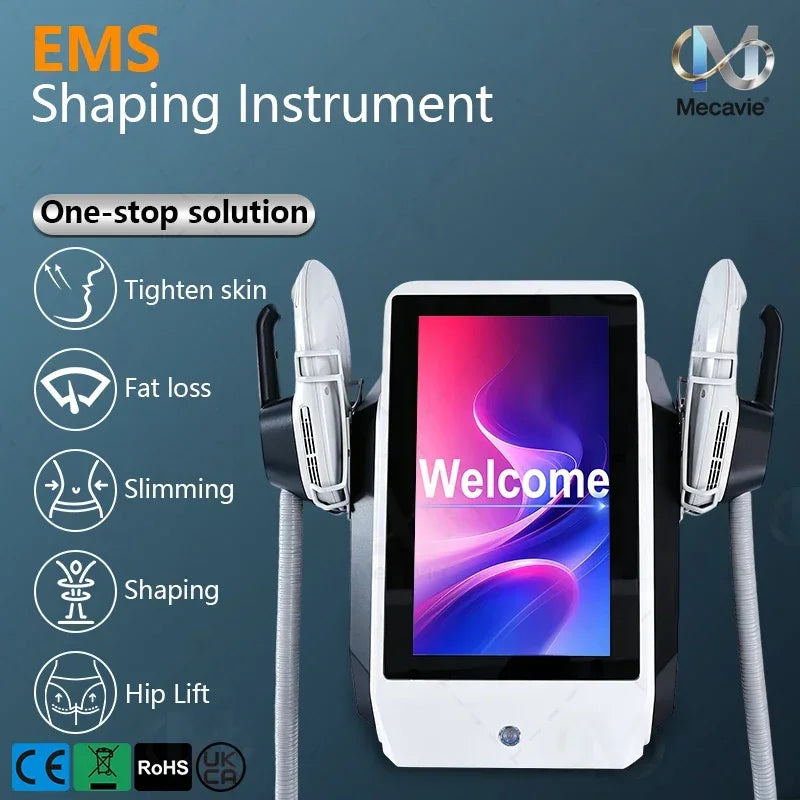
An example is the Emsnova EMS Body Sculpting Machine, which combines HIEMT, EMS, and RF technologies. According to the provided product specifications, it is designed for areas including the abdomen, buttocks, arms, and legs, with manual and automatic operating modes. Its role in this article is as an example of a professional-style muscle stimulation system, not as a claim that one machine is appropriate for every treatment goal.
What Abdominal Body Sculpting Can and Cannot Change
Abdominal body sculpting is generally intended for localized contour refinement rather than overall weight loss. Muscle stimulation may support muscle tone, while fat-focused treatments address localized adipose tissue. Neither objective should be presented as a replacement for nutrition, physical activity, or medical treatment for obesity.
For additional body-focused wellness equipment, explore the Body Care and Health Devices collection to compare other device categories without assuming that every technology serves the same purpose.
Flanks and Love Handles: Localized Fat and Waist Contouring
The flanks, commonly called love handles, are primarily a contouring concern when localized adipose tissue affects the appearance of the waist. Treatment selection should consider the amount and location of fat, skin quality, and the desired final contour.
When Fat Reduction Is the Primary Goal
When the dominant issue is a discrete area of localized fat, a fat-reduction technology may be considered if the individual meets the treatment criteria. The objective is localized shape refinement rather than reducing total body weight.
When Skin Tightening or Muscle Stimulation May Help
If the waist concern is related more to skin laxity than fat volume, a skin-tightening approach may be more relevant. Muscle stimulation serves a different purpose and is more appropriate when muscle activation or tone is part of the desired outcome. Simply choosing a muscle stimulator because an area appears “soft” does not mean the underlying issue is muscle-related.
Buttocks and Glutes: Muscle Stimulation vs Shape Enhancement
The buttocks and gluteal muscles are especially relevant to muscle-stimulation treatments because the aesthetic goal may involve improving muscle tone and definition rather than removing fat.
Can Body Sculpting Stimulate the Gluteal Muscles?
Yes, electromagnetic muscle stimulation technologies can be designed to induce contractions in targeted muscles, including the gluteal muscles when the device and applicator are indicated for that area. The resulting objective is muscle stimulation rather than surgical augmentation.
What Glute Sculpting Can Realistically Improve
Glute-focused muscle stimulation may support muscle tone, firmness, and contour definition. Expectations should remain realistic: noninvasive muscle stimulation is not equivalent to a surgical buttock augmentation procedure, and it should not be marketed as producing guaranteed dramatic lifting or enlargement.
When Fat Reduction Is a Better Match
If the main concern is excess localized adipose tissue around the buttocks or adjacent areas, a fat-focused approach may be more appropriate. Conversely, if the concern is low muscle definition, muscle stimulation may better match the intended objective.
Thighs: Outer, Inner, and Front-Thigh Contouring
Outer and Inner Thigh Fat
Outer and inner thigh contouring is often considered when localized fat affects the proportions of the legs. Fat-focused technologies may be appropriate for selected candidates, but the exact treatment area and tissue depth must match the device's indications.
Thigh Muscle Stimulation and Toning
Muscle stimulation targets muscle activity rather than directly removing adipose tissue. For someone primarily concerned with muscle definition, a suitable electromagnetic stimulation system may be considered where approved for the treatment area.
Loose Skin and Thigh Contouring
When skin laxity is the dominant concern, a tightening-focused modality may be more relevant than a fat-reduction or muscle-stimulation treatment. In some cases, the appearance of a thigh may reflect multiple factors, so professional assessment can help identify the main treatment objective.
Arms: Upper-Arm Fat, Muscle Tone, and Skin Tightening
When Upper-Arm Fat Reduction Makes Sense
Localized upper-arm fat may be considered for appropriate fat-reduction approaches when the person has a suitable treatment area and realistic expectations. Body contouring should not be confused with a method for achieving overall weight loss.
Muscle Stimulation for Arm Toning
When the goal is improved muscle tone rather than reduction of adipose tissue, muscle stimulation addresses a different target. A device intended for arm treatment may produce repeated contractions in the selected muscles, potentially supporting the appearance of greater definition.
Skin Tightening for Arm Laxity
If loose-looking skin is the principal concern, a skin-tightening technology may be considered. RF body contouring is one modality used in aesthetic settings for tissue-heating applications, but device-specific indications and treatment parameters vary.
Because the arms can involve several different concerns, the best approach should be selected based on the tissue being targeted rather than using “arm sculpting” as a single treatment category.
Back: Bra-Line Fat, Flanks, and Overall Contouring
The back is frequently overlooked when discussing body sculpting treatment areas, yet localized fullness around the bra line, upper back, and posterior waist can influence overall body proportions.
Localized Back Fat and Contouring
When a discrete area of localized fat is the main concern, a suitable fat-focused body contouring approach may be considered. Treatment should account for tissue thickness, treatment-area access, and the specific device's indications.
Skin Tightening and Surface Appearance
If the main issue is skin laxity or surface appearance rather than fat volume, a tightening-oriented approach may be more appropriate. Combining technologies should only be considered when each modality is appropriate for the individual and the treatment protocol allows it.
Calves and Other Areas: Where Treatment Is More Limited
Why Calf Contouring Requires Extra Caution
Calf treatment requires particular attention to anatomy because the area contains prominent muscles, tendons, nerves, blood vessels, and relatively limited soft-tissue regions compared with areas such as the abdomen. Not every body sculpting technology is indicated for calves, and a device designed for abdominal or gluteal treatment should not automatically be assumed to be suitable for the lower leg.
Areas That May Not Be Appropriate
Bony areas, areas with insufficient tissue, and anatomical locations excluded by the manufacturer should not be treated simply because they are technically accessible. Device-specific restrictions are important, particularly for energy-based technologies. Professional screening may also be appropriate when anatomy, implanted devices, medications, or other individual factors could affect treatment suitability.
How to Choose the Right Body Sculpting Treatment for Your Area
Step 1: Identify the Main Concern
Start by identifying whether the primary concern is localized fat, muscle tone, skin laxity, or overall contour. This prevents choosing a modality based only on the body part.
Step 2: Match the Concern to a Modality
For localized fat, consider technologies designed specifically for adipose-tissue reduction. For muscle toning, electromagnetic muscle stimulation may be relevant when the treatment area is indicated. For skin laxity or surface appearance, a skin-tightening approach may be more appropriate. Some systems combine technologies, but combination features do not mean every function is equally suitable for every individual or body zone.
Step 3: Evaluate Treatment Candidacy
Consider body composition, the size and location of the treatment area, skin condition, treatment expectations, and the device's indications. Professional assessment is particularly important when the intended treatment involves a medical or aesthetic device with specific contraindications.
If you are evaluating professional muscle stimulation equipment, the Body & Face Blog can provide additional context around body-focused and aesthetic-device topics.
For a professional-style system specifically combining HIEMT, EMS, and RF, you can also review the Emsnova body sculpting machine and compare its stated treatment areas and operating features with your intended use.
Body Sculpting Is Not a Weight-Loss Treatment
Body Fat Reduction vs Overall Weight Loss
Noninvasive body contouring is generally intended to refine the appearance of selected areas rather than treat overall obesity or produce broad weight loss. A localized reduction or contour change in one zone does not mean that total body weight will substantially decrease.
This distinction is particularly important when comparing body sculpting with exercise and nutrition. Body contouring may address a specific aesthetic concern, while sustainable weight management involves broader lifestyle and, when appropriate, medical strategies.
What Results Typically Look Like
Results from noninvasive body sculpting can vary according to the technology, treatment protocol, individual anatomy, baseline condition, and number of sessions. Outcomes should be described as gradual and localized rather than guaranteed or dramatic. Muscle stimulation, fat reduction, and skin tightening also produce different types of visible changes, so they should not be evaluated using the same expectations.
Who Is a Good Candidate for Noninvasive Body Sculpting?
Common Characteristics of Appropriate Candidates
Appropriate candidates commonly have a specific localized aesthetic concern, realistic expectations, and a treatment area that matches the device's intended use. Stable body weight and a clear understanding that body contouring is not a substitute for overall weight management can also help establish appropriate expectations.
Contraindications and Situations Requiring Professional Screening
Always follow the manufacturer's contraindications and treatment instructions. Professional screening may be particularly important for people with implanted electronic devices, pregnancy, significant medical conditions, or tissue and anatomical characteristics that could make a treatment unsuitable. Device-specific safety requirements take priority over general body sculpting advice.
Before using an energy-based device, confirm that the intended body area and treatment objective are explicitly supported by the device documentation. If there is uncertainty about candidacy, seek assessment from an appropriately qualified professional.
Key Takeaways: Match the Treatment to the Area and Goal
The most useful way to evaluate body sculpting treatment areas is to work through three questions: Which area am I treating? What tissue or concern am I trying to change? Which technology is actually designed for that objective?
Abdomen, flanks, buttocks, thighs, arms, and back can all have different treatment goals. Fat reduction is not the same as muscle stimulation, and skin tightening is not the same as either. HIEMT and electromagnetic muscle stimulation are most relevant when muscle activation and toning are the objective, while fat-focused and RF technologies serve different roles.
For additional device categories and body-focused options, explore the Body Care and Health Devices collection. The key is not choosing the most powerful-sounding technology, but matching the treatment area, tissue target, device indication, and expected outcome appropriately.
If your primary goal is targeted muscle stimulation for areas such as the abdomen, buttocks, arms, or legs, you can evaluate the Emsnova EMS Body Sculpting Machine as one professional-style option while considering whether its stated capabilities align with your intended treatment goals.
Pillar Article: Abdominal Muscle Stimulation Device: Benefits, Safety & Buying Guide













