

Abdominal Muscle Stimulation Device: Benefits, Safety & Buying Guide
An abdominal muscle stimulation device can help activate abdominal muscles through controlled stimulation, making it an option for people who want additional support for muscle toning or body-contouring routines. But these devices are not interchangeable with exercise, and they should not be evaluated primarily by claims about rapid fat loss or weight reduction. The most useful buying approach is to look at the stimulation technology, adjustable parameters, electrode or applicator coverage, safety information, usability, and manufacturer support.
For shoppers comparing EMS, NMES, and HIEMT systems, the key question is not simply which device feels strongest. It is whether the technology and operating controls match the intended goal and whether the manufacturer provides clear instructions and realistic claims.
What Is an Abdominal Muscle Stimulation Device?
An abdominal muscle stimulation device is designed to stimulate muscles using an external energy source rather than voluntary muscle contraction alone. Electrical systems commonly use electrodes or applicators positioned over a target area to produce controlled muscle contractions. Depending on the device, the intended purpose may include muscle activation, muscle-toning support, rehabilitation-related stimulation, or body-contouring applications.
How Electrical Muscle Stimulation (EMS) Works
Electrical Muscle Stimulation, or EMS, uses electrical impulses to stimulate motor nerves and produce muscle contractions. The sensation and contraction strength depend on factors such as the device's waveform, frequency, intensity, pulse characteristics, electrode placement, and individual tolerance.
For abdominal applications, the goal is targeted activation rather than simply creating a sensation on the skin. Proper placement and appropriate intensity are therefore important. A higher advertised power rating alone does not establish that a device will deliver better results.
EMS vs Neuromuscular Electrical Stimulation (NMES)
EMS and NMES are closely related terms, and product terminology can vary by manufacturer and application. NMES generally refers more specifically to electrically induced neuromuscular contractions, particularly in therapeutic or rehabilitation contexts. EMS is a broader consumer and commercial term used for muscle stimulation devices.
When evaluating an abdominal device, focus less on the label and more on the actual operating parameters, intended use, instructions, electrode design, safety information, and available controls.
Which Abdominal Muscles Can Be Stimulated?
Depending on applicator design and placement, abdominal stimulation may target muscles such as the rectus abdominis and external obliques. Coverage and contraction patterns depend heavily on the device configuration. A device designed for broader body-contouring applications may also provide treatment options for the buttocks, arms, or legs.
Does Abdominal Muscle Stimulation Actually Work?
Abdominal muscle stimulation can produce muscle contractions, but that does not mean every device will produce the same degree of muscle development or visible body transformation. The strongest evidence-based interpretation is that stimulation can support muscle activation and, under appropriate conditions, contribute to changes in muscle performance or development. It should not automatically be interpreted as a shortcut for losing abdominal fat.
What Research Suggests About Muscle Activation and Strength
Electrical stimulation can recruit muscles through externally generated impulses. Repeated, appropriately dosed contractions can provide a training stimulus, although outcomes depend on the stimulation protocol, training status, treatment consistency, and other individual factors.
This distinction matters when reading product pages. A device can be capable of generating strong contractions without guaranteeing a specific increase in strength, muscle size, or visible definition.
Can EMS Build Abdominal Muscle?
EMS may contribute to muscle-conditioning goals when used appropriately, particularly when the stimulation is strong enough to produce meaningful contractions and the routine is consistent. However, results should be viewed as supportive rather than guaranteed. Nutrition, physical activity, recovery, baseline muscle mass, and body-fat levels all influence how abdominal development looks.
Muscle Development vs Fat Loss and Weight Loss
Muscle stimulation and fat loss are different outcomes. Activating the abdominal muscles does not mean that an abdominal EMS device replaces a calorie-controlled diet or regular physical activity. Likewise, a stronger contraction does not automatically mean greater overall fat loss.
This is one of the most important distinctions when comparing an abdominal muscle stimulation device with a body-contouring system. Look for product information that clearly separates muscle stimulation from claims about body-fat reduction or weight management.
What Results Should You Realistically Expect?
Realistic expectations include improved awareness of muscle activation, stronger or more noticeable contractions as familiarity develops, and potentially gradual changes in muscle conditioning when the device is used consistently. Visible definition will also depend on the amount of tissue covering the abdominal muscles.
Abdominal EMS vs Exercise: Which Is Better?
For most people, EMS is best considered a complement to exercise rather than a replacement. Active training provides benefits that electrical stimulation alone cannot fully reproduce, including voluntary motor control, movement coordination, progressive resistance, cardiovascular conditioning, and whole-body functional adaptation.
What Exercise Provides That EMS Does Not
- Voluntary movement and motor control
- Progressive resistance through exercises such as squats, presses, carries, and core movements
- Coordination between multiple muscle groups
- Broader cardiovascular and metabolic benefits
- Functional movement practice
When EMS May Complement a Workout Routine
EMS may be useful when someone wants additional targeted muscle stimulation alongside an existing routine. It can also appeal to users who have limited time or want a structured muscle-conditioning modality that does not require conventional exercise equipment.
The most sensible approach is to treat stimulation as one component of a broader routine rather than assuming it can replace resistance training or healthy lifestyle habits.
EMS, Core Training, and Muscle Hypertrophy
Muscle hypertrophy requires an appropriate training stimulus and recovery. Electrical stimulation can create contractions, but the quality of a muscle-building program still depends on progressive overload, sufficient recovery, nutrition, and consistency. A device should therefore be evaluated according to what it can realistically add to a training strategy.
EMS vs NMES vs HIEMT for Abdominal Muscle Stimulation
These technologies are related to muscle stimulation but should not be treated as identical. Understanding the basic distinction makes product comparisons much easier.
EMS and NMES: Electrical Stimulation Approaches
EMS and NMES use electrical impulses delivered through electrodes or similar contact points to stimulate nerves and produce muscle contractions. They can offer precise control over intensity and treatment parameters, depending on the system.
What High-Intensity Electromagnetic Therapy (HIEMT) Does Differently
HIEMT systems use electromagnetic energy rather than relying on conventional surface electrical electrodes in the same way as typical EMS systems. The goal is to generate intense muscle contractions through electromagnetic stimulation. Commercial body-contouring systems may combine HIEMT-style muscle stimulation with additional technologies such as radiofrequency.
Which Technology Fits Different Goals?
For targeted electrical muscle stimulation, EMS or NMES may be the relevant category. For professional body-contouring programs focused on high-intensity muscle contractions, HIEMT may be more appropriate. Systems that combine HIEMT and RF are designed to provide a broader body-shaping approach.
- EMS: electrical stimulation delivered through a suitable electrode or contact system.
- NMES: a more specific neuromuscular electrical stimulation approach often associated with controlled muscle activation.
- HIEMT: high-intensity electromagnetic stimulation designed to induce strong muscle contractions.
- RF: radiofrequency technology that can be incorporated into some body-contouring systems for a different treatment mechanism.
Key Specifications to Check Before Buying an Abdominal Muscle Stimulation Device
The most useful specifications are the ones that tell you how the device operates and whether it fits your intended application. Avoid choosing solely on headline power, marketing language, or claims about instant transformation.
Stimulation Modes and Intensity Levels
Adjustable intensity is important because users have different tolerance levels and treatment goals. Multiple modes or programs can also make a system easier to adapt over time. Automatic programs may be convenient for beginners, while manual controls can be more useful for experienced operators.
Frequency, Pulse Width, and Adjustable Parameters
Frequency, pulse width, intensity, and other stimulation parameters influence how contractions are produced and experienced. When comparing professional equipment, transparent specifications are preferable to vague claims such as “maximum muscle power.” If detailed parameters are not disclosed, ask the manufacturer for the operating information and intended protocol.
Electrical Stimulation Electrodes and Contact Quality
For electrode-based systems, contact quality matters. Poor contact can affect how stimulation is delivered and may increase discomfort. Applicator design, electrode size, placement guidance, and ease of cleaning are practical considerations that deserve attention before purchase.
Coverage Area and Abdominal Muscle Targeting
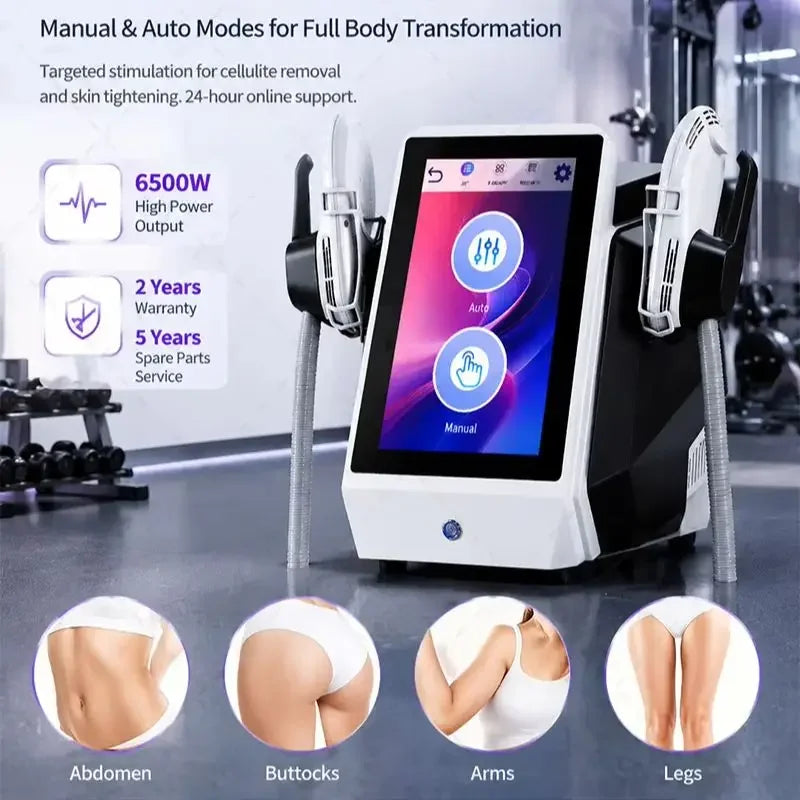
Check whether the device is designed specifically for abdominal use or whether it supports several treatment areas. A broader professional system may be useful for clinics or aesthetic businesses that want flexibility across the abdomen, buttocks, arms, and legs.
Controls, Preset Programs, and Usability
Usability can determine whether a technically capable machine becomes a practical part of a routine. Look for clearly labeled controls, accessible presets, adjustable settings, and straightforward operating instructions. A system that is difficult to configure may be less useful than a simpler device with appropriate controls.
Build Quality, Cleaning, Warranty, and Support
For professional buyers, after-sales support can be as important as treatment features. Warranty coverage, spare-parts availability, maintenance instructions, cleaning requirements, and manufacturer support all affect the long-term value of a machine.
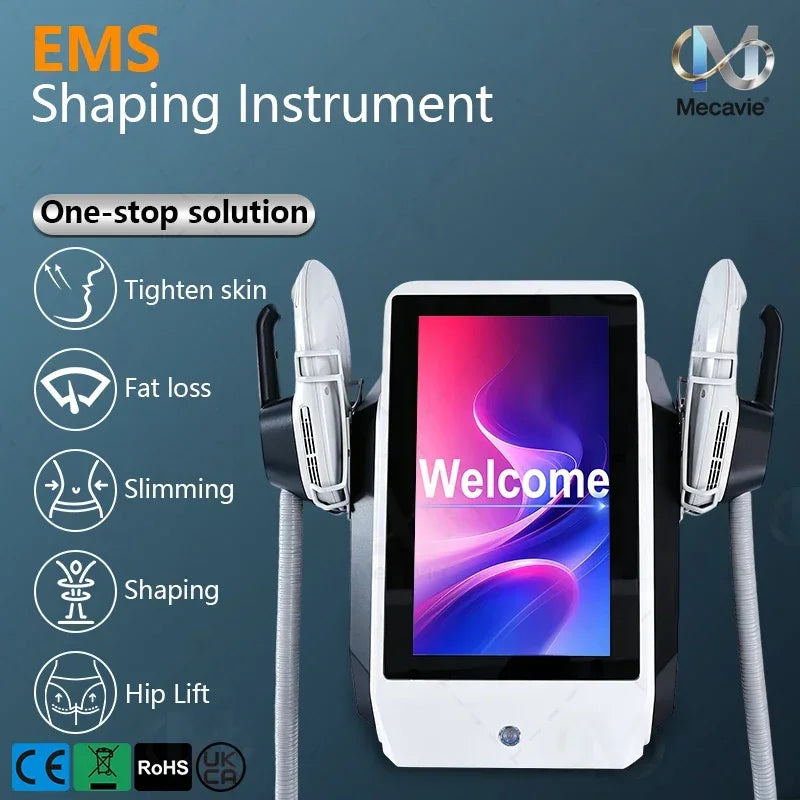
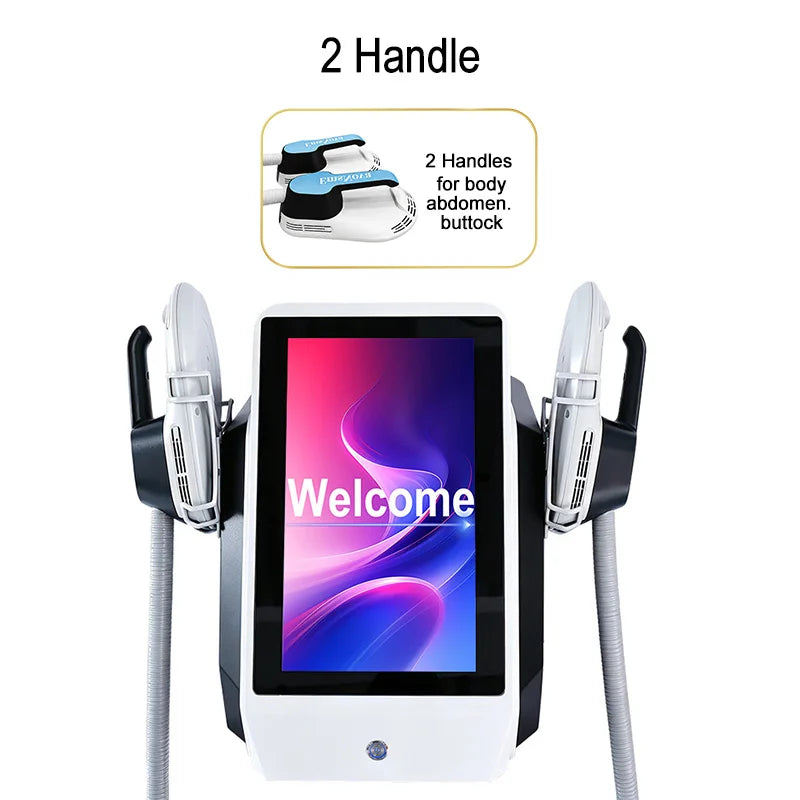
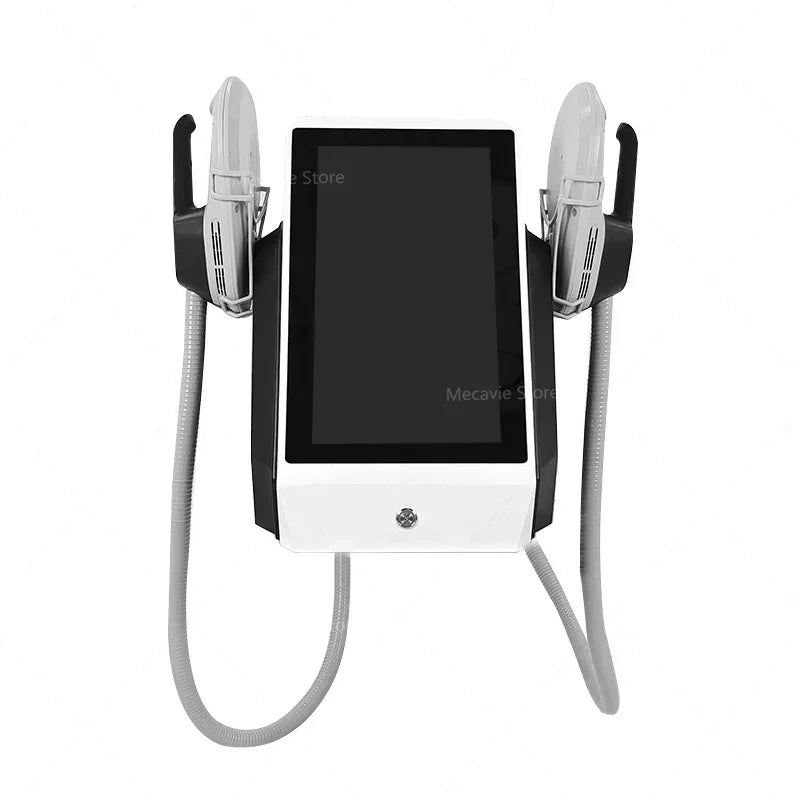
For example, the Emsnova EMS Body Sculpting Machine combines HIEMT, RF, and EMS technologies and provides manual and automatic operation. Its listed specifications include 6500W power, ABS + TPR construction, AC power, CE and RoHS certification, and a 2-year warranty with 5-year spare-parts service. These are useful specifications to evaluate as part of a broader purchasing decision rather than as proof of guaranteed results.
If you are comparing professional wellness equipment more broadly, the Body Care and Health Devices collection provides additional context for the types of devices available.
Pros and Cons of a Professional EMS/HIEMT System
- Pros: targeted muscle stimulation, non-invasive operation, multiple treatment areas, adjustable operating modes, potential convenience for busy routines, and the ability to combine technologies such as HIEMT and RF in one system.
- Cons: higher upfront cost than basic consumer devices, greater importance of operator training and manufacturer instructions, results vary between users, and stimulation should not be presented as a substitute for exercise or a guaranteed fat-loss method.
Abdominal Muscle Stimulation Device Buying Checklist
For Muscle Activation and Strength Support
- Confirm that the device is actually designed for muscle stimulation.
- Look for adjustable intensity and clearly documented operating modes.
- Review available frequency and pulse specifications where provided.
- Check abdominal applicator or electrode coverage.
- Use realistic expectations about strength and muscle-development outcomes.
For Body Contouring Goals
- Determine whether the device is intended for body contouring in addition to muscle stimulation.
- Check which treatment areas are supported.
- Distinguish muscle stimulation claims from fat-loss claims.
- For combination systems, understand what each technology is intended to contribute.
For Home Use and Convenience
- Prioritize straightforward controls and clear instructions.
- Consider setup time and storage requirements.
- Check whether the system is appropriate for the intended setting.
- Confirm cleaning and maintenance requirements.
Red Flags in Product Claims
- Guaranteed abdominal fat loss
- Promises of permanent results after minimal use
- Claims that EMS completely replaces exercise
- Unclear treatment parameters
- No meaningful safety or contraindication information
- Unexplained power claims used as the primary measure of effectiveness
Comparison Matrix: Which Muscle-Stimulation Approach Fits Your Goal?
- EMS → Targeted electrical muscle activation: Best suited to users specifically looking for electrical stimulation through electrodes or related applicators.
- NMES → Controlled neuromuscular stimulation: Relevant when precise electrically induced muscle activation is the primary consideration.
- HIEMT → High-intensity electromagnetic muscle contractions: Relevant to professional body-contouring systems designed around intense muscle stimulation.
- HIEMT + RF → Combined body-contouring approach: Useful for professional systems where muscle stimulation and RF technology are incorporated into one treatment platform.
- Exercise → Active progressive training: Best suited as the foundation for overall fitness, strength development, movement quality, and long-term conditioning.
How Often Should You Use an Abdominal Muscle Stimulation Device?
There is no single frequency that applies to every abdominal muscle stimulation device. The appropriate schedule depends on the technology, treatment intensity, programmed protocol, user experience, recovery, and manufacturer instructions.
Typical Session Structure
A session generally involves positioning the applicable electrodes or applicators correctly, selecting an appropriate program or intensity, gradually progressing according to the device instructions, and allowing adequate recovery afterward. Users should never assume that maximum intensity is automatically the most effective setting.
Building a Consistent Routine
Consistency is generally more useful than sporadic high-intensity sessions. Follow the manufacturer's recommended treatment schedule rather than creating an aggressive routine based solely on how quickly you want results.
Why More Intensity or More Sessions Is Not Always Better
Muscles require recovery after demanding contractions. Excessive intensity or frequency can increase discomfort and may make the routine harder to sustain. A sensible program balances stimulation, tolerance, recovery, and other physical activity.
Is Abdominal Muscle Stimulation Safe?
Abdominal muscle stimulation is designed as a non-invasive approach, but non-invasive does not mean universally appropriate. Correct device operation, appropriate placement, reasonable intensity, and compliance with manufacturer instructions are essential.
Common Sensations and Expected Effects
Users may experience tingling, pulsing, tightening, or noticeable muscle contractions during stimulation. The sensation should remain within the device's intended operating range. Unexpected pain, significant skin irritation, or other concerning reactions are reasons to stop and review the manufacturer's guidance or seek appropriate professional advice.
Who Should Avoid or Seek Medical Advice Before Use
People with implanted electronic medical devices, certain medical conditions, or other circumstances that may make electrical or electromagnetic stimulation inappropriate should not assume a device is suitable for them. Pregnancy and other specific situations may also require avoidance or medical guidance depending on the technology.
Because contraindications vary between devices, the safest approach is to read the exact manufacturer's safety instructions and consult a qualified healthcare professional when there is uncertainty.
Where Electrodes Should and Should Not Be Placed
Placement should follow the device-specific instructions. Do not improvise electrode positions or place applicators on areas that the manufacturer excludes. Correct positioning helps ensure the intended muscles receive stimulation and reduces the risk of inappropriate exposure.
Why Following the Manufacturer's Instructions Matters
Professional stimulation equipment can have substantially different operating characteristics from consumer devices. Follow the supplied treatment parameters, cleaning instructions, contraindications, and maintenance requirements. Certification or compliance markings such as CE or RoHS can provide useful product information, but they do not replace correct operation or guarantee a particular cosmetic outcome.
What Results Timeline Should You Expect?
Results from an abdominal muscle stimulation device should be evaluated over time rather than after a single session. Immediate changes in sensation or muscle activation are different from longer-term adaptations.
Early Changes: Muscle Activation and Familiarity
During early sessions, users may primarily notice the stimulation sensation and learn how their muscles respond. Becoming comfortable with the controls and appropriate intensity is an important first step.
Progress Over Several Weeks
With consistent use, some users may notice changes in muscle conditioning or appearance. The pace varies substantially based on baseline fitness, stimulation protocol, treatment consistency, nutrition, activity level, and body composition.
Factors That Influence Visible Results
- Starting muscle mass and conditioning
- Body-fat distribution
- Training and physical activity
- Nutrition and overall lifestyle
- Stimulation intensity and protocol
- Consistency and recovery
- Correct applicator or electrode placement
Which Abdominal Muscle Stimulation Device Is Right for You?
The best abdominal muscle stimulation device depends on the setting and the result you are trying to support. There is no universal winner because a simple home device and a professional multi-technology system are designed for different use cases.
Best Fit for Beginners
Beginners should prioritize clear instructions, manageable intensity controls, straightforward programs, and strong safety information. Automatic programs can make operation simpler when users are still learning how stimulation feels.
Best Fit for Fitness Users
Fitness users may benefit most from a device that complements rather than replaces resistance training. Adjustable stimulation and targeted abdominal coverage can make sense when the objective is additional muscle activation within an established fitness routine.
Best Fit for Body Contouring Programs
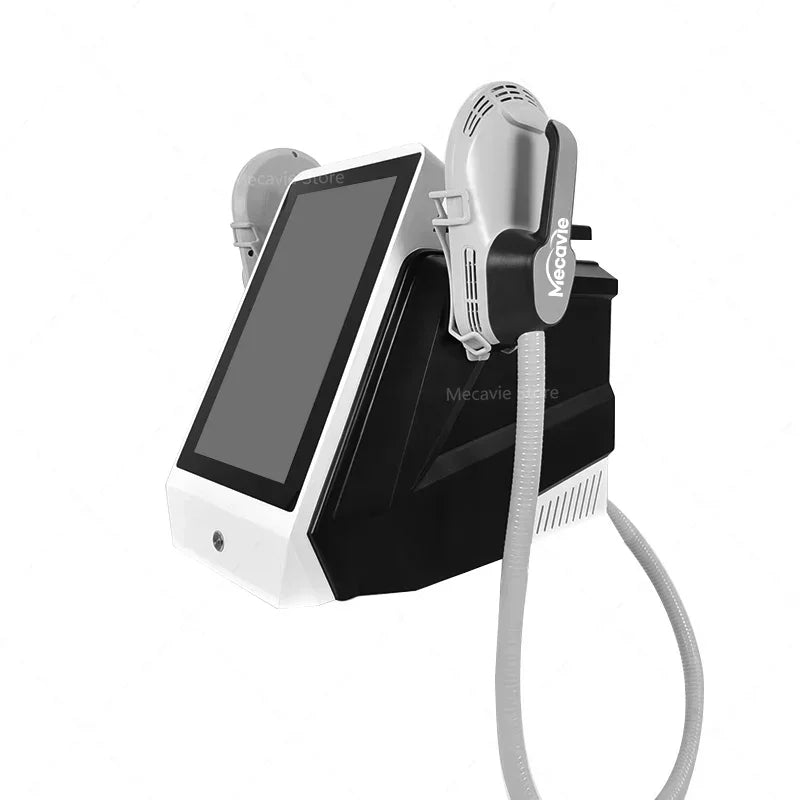
For body-contouring programs, consider broader treatment-area coverage and whether combining technologies is important. The Emsnova body sculpting machine is positioned as a professional system combining HIEMT muscle stimulation with RF and EMS, with target areas including the abdomen, buttocks, arms, and legs.
This type of system may be more relevant to users building a professional-style body-contouring setup than someone looking only for basic abdominal electrical stimulation.
Best Fit for Professional or Clinical Settings
Professional buyers should place greater emphasis on treatment versatility, operating controls, documentation, warranty coverage, spare-parts support, maintenance, and suitability for the intended business environment. A device's headline specifications should be considered alongside training requirements and the manufacturer's operating guidance.
Final Takeaway: Choosing an Abdominal Muscle Stimulation Device
The strongest buying decision is not necessarily the device with the biggest power number or the most aggressive transformation claims. A better choice combines appropriate stimulation technology, transparent parameters, suitable abdominal coverage, practical controls, credible safety information, and dependable manufacturer support.
EMS can provide targeted muscle stimulation, while HIEMT systems take a different electromagnetic approach to producing intense muscle contractions. Combination systems can add RF technology for a broader body-contouring strategy. None of these approaches should be treated as a replacement for exercise, sound nutrition, or realistic expectations.
For buyers who want a professional system that combines muscle stimulation and RF, the Emsnova EMS Body Sculpting Machine is one example to evaluate against the criteria in this guide. Its listed manual and automatic operation, HIEMT + RF + EMS technology, multiple target areas, and warranty and spare-parts support make those specifications especially relevant when comparing professional body-contouring equipment.
For a broader look at related wellness equipment, explore the Body & Face Blog for additional educational content before selecting a device.
Related Articles:
- Body Contouring Machine With RF: 2026 Comparison Guide
- Professional vs Home EMS Machines: Which Is Right for You?
- Professional HIEMT Muscle Stimulator: 2026 Comparison Guide
- Professional Muscle Stimulation Machine With RF: Buyer’s Guide
- Non Invasive Body Sculpting Machine Comparison: EMS, RF, Cryolipolysis & More
- Non Invasive Body Contouring Machine: Compare 5 Technologies
- Muscle Contraction Body Sculpting: How It Works, Evidence & Results
- HIEMT vs EMS Body Sculpting: What’s the Difference?
- HIEMT RF Body Sculpting Machine: 2026 Buying Guide
- HIEMT Body Contouring Treatment Tips: A Practical Guide
- HIEMT vs Traditional Muscle Training: What Works Best?
- EMS Machine vs Body Sculpting: Which Is Right for You?
- EMS Treatment Frequency Guide: How Often Should You Use EMS?
- Muscle Toning EMS: How It Works, Benefits, Safety & Results
- EMS Body Sculpting Machine: Professional Buyer’s Guide
- RF and EMS Treatment Benefits: Evidence, Results, and Safety
- Electrical Muscle Stimulation Machines: Technology, Types & Buying Guide
- Body Sculpting Treatment Areas: What Works for Each Zone
- Abdominal Muscle Stimulation: How It Works & Who It’s For













