Can You Use a High Frequency Wand Every Day? Safety, Dermatologist Advice & Real Risks
Can you use high frequency wand everyday without damaging your skin barrier? Or could daily use unlock clearer, younger-looking skin faster? Learn what dermatologists and studies reveal about frequency, safety, and how to integrate this tool smartly into your routine for the best results.
⏱ 7 min read
Quick Answer: Can You Use a High Frequency Wand Every Day?
No — most dermatologists do not recommend using a high frequency wand every day. For most skin types, high frequency facial treatments are safest and most effective when used 2–3 times per week. Daily use can increase the risk of irritation, dehydration, and disruption of the skin barrier.
However, short-term daily use may sometimes be appropriate for targeted acne spot treatment or under professional guidance. The key factors that determine safe frequency include:
- Your skin type (sensitive, acne-prone, oily, or dry)
- The strength of the device
- Treatment duration
- Existing skin conditions
In general, most experts recommend limiting treatments to 3–5 minutes per area, 2–3 times per week for consistent results without increasing the risk of side effects.

💡 See it in action: can you use high frequency wand everyday for smoother skin and fewer breakouts?
Can You Use a High Frequency Wand Every Day?
While daily use is technically possible, most dermatologists and estheticians recommend moderation. High frequency therapy works best when the skin has time to recover between sessions.
For many users, 2–3 treatments per week provide visible improvements in acne, circulation, and skin tone without stressing the skin barrier.
If you're exploring how to use a high frequency wand safely, the most important factors are treatment length, device intensity, and your skin’s tolerance.
How High Frequency Wands Work on the Skin
High frequency wands use a mild electrical current delivered through a glass electrode filled with inert gas. When the electrode touches the skin, it produces a small electrical arc that generates oxygen-rich ozone and mild heat.
This process can help improve circulation, temporarily tighten pores, and reduce acne-causing bacteria on the skin’s surface. Because of these effects, the device is commonly used as an at-home skincare device for acne management and anti-aging routines.
What the Electrical Current Actually Does
The electrical current stimulates the skin by increasing local blood circulation and encouraging mild cellular activity. This improved circulation may help deliver more oxygen and nutrients to the treated area.
Why Ozone Helps Acne-Causing Bacteria
During treatment, the electrode creates ozone. This oxygen-rich environment is hostile to Cutibacterium acnes, the bacteria most associated with inflammatory acne.
This antibacterial action is one reason high frequency treatments are often used after extractions or as part of acne-focused facial treatments.
Why Overuse Can Irritate the Skin Barrier
Although stimulation can benefit the skin in moderation, excessive treatments may dry out the skin barrier. Too much electrical stimulation and ozone exposure can lead to irritation, dehydration, and increased sensitivity.

💡 Use daily? Find out when it boosts glow or disrupts balance — KentDO high frequency wand
How Often Should You Use a High Frequency Wand? (Dermatologist Guidelines)
Most dermatology and esthetician guidelines recommend using a high frequency wand 2–3 times per week rather than daily. This allows the skin to benefit from stimulation while minimizing irritation risk.
Recommended Frequency by Skin Type
- Oily or acne-prone skin: 2–3 times per week
- Normal skin: 1–2 times per week
- Sensitive skin: once per week or less
- Dry skin: once per week with shorter sessions
Recommended Frequency by Skin Concern
- Active acne: 2–3 weekly sessions plus short spot treatments
- Post-acne healing: 1–2 sessions weekly
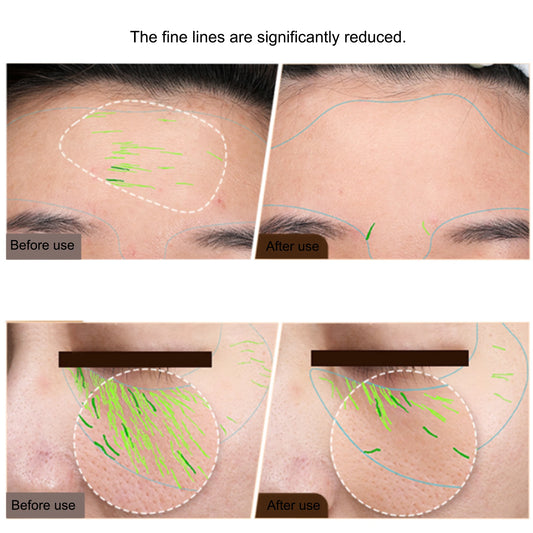
- Fine lines or dull skin: 1–2 sessions weekly
- Maintenance: once per week
Daily treatments are rarely necessary for long-term results.
High Frequency Wand Side Effects and Safety Risks
High frequency treatments are generally safe when used correctly. However, overuse or improper technique can lead to temporary side effects.
Common Temporary Side Effects
- Mild redness
- Temporary warmth or tingling
- Slight dryness
- Minor irritation in sensitive areas
These reactions usually disappear within a few hours after treatment.
Rare but Possible Skin Reactions
- Barrier dehydration
- Inflammation in reactive skin
- Temporary breakouts caused by overstimulation
High Frequency Machine Side Effects From Overuse
- Persistent redness
- Skin flaking or peeling
- Increased sensitivity to skincare
- Possible broken capillaries in delicate areas
These issues are typically linked to treatments performed too frequently or for too long.
Signs You’re Using a High Frequency Wand Too Often
Early Skin Barrier Damage Symptoms
- Redness lasting longer than a few hours
- Tight, dehydrated skin
- Increased product sensitivity
- Unexpected irritation breakouts
What to Do If Irritation Happens
Pause treatments for about a week and focus on barrier-repair skincare such as gentle cleansers, hydrating serums, and moisturizers. Resume treatments slowly only after the skin returns to normal.
High Frequency Wand Contraindications: Who Should Avoid It
Medical Contraindications
Daily use is not recommended for individuals with pacemakers, epilepsy, or electrical implants. Pregnant individuals should avoid high frequency devices unless cleared by a medical professional.
Skin Conditions That Require Caution
If you have active rosacea, eczema, open wounds, or severely compromised skin barrier function, daily use may worsen irritation. Reduced frequency or avoidance is usually recommended.
When Daily High Frequency Treatments May Be Appropriate
Although daily use is not recommended for most people, there are situations where short-term daily treatments may be appropriate.
Short-Term Acne Spot Treatment
Some estheticians suggest very short daily treatments on individual acne lesions for several days in a row. These treatments typically last less than one minute per spot.
Professional vs At-Home Devices
Professional spa devices are often more powerful than consumer models. As a result, professional treatments may be spaced farther apart.
At-home tools are designed for lighter use, but they still require moderation to prevent irritation.
Safe High Frequency Treatment Schedule (Beginner → Advanced)
Beginner Schedule
Start with two sessions per week at low intensity for under five minutes per area.
Acne-Prone Skin Schedule
Use the wand two to three times weekly. Spot treat active blemishes briefly if needed.
Sensitive Skin Schedule
Limit treatments to once weekly and avoid combining with strong actives.
Maintenance Schedule
After results appear, maintain improvements with one or two weekly treatments.
Best Practices for Using a High Frequency Wand Safely
Proper technique helps maximize the benefits of high frequency treatments while minimizing irritation risk.
Correct Treatment Time Per Area
- Full face: 3–5 minutes total
- Individual acne spots: 10–30 seconds
- Maximum session time: about 10 minutes
Products to Avoid During Treatment
Certain ingredients can increase irritation when combined with electrical stimulation.
- Strong exfoliating acids (AHA/BHA)
- Retinoids
- Benzoyl peroxide
- Alcohol-based toners
Use the device on clean, dry skin and apply a soothing moisturizer afterward.
Daily vs 2–3x Weekly: What Actually Works Better?
- Daily short sessions: may help target active breakouts but increase irritation risk.
- 2–3 weekly sessions: balanced stimulation with lower barrier disruption risk.
- Spot treatment: useful for occasional blemishes without full-face exposure.

💡 KentDO: A trusted tool in your anti-aging arsenal — see how daily use could transform your routine
Mini-FAQ: High Frequency Wand Safety Questions
Is it safe to use high frequency wand everyday?
Most dermatologists recommend using high frequency wands two to three times per week rather than daily to prevent irritation.
Can I do high frequency on my face everyday for acne?
Short daily spot treatments may help individual breakouts, but full-face daily treatments are usually unnecessary.
What happens if you use high frequency too often?
Overuse can disrupt the skin barrier and cause redness, dryness, and increased sensitivity.
How long before high frequency results appear?
Many users begin seeing improvement in acne or skin tone within two to four weeks of consistent use.
Can high frequency damage skin?
When used properly, high frequency treatments are considered safe. Problems usually occur only with excessive use or overly long sessions.
Can high frequency break capillaries?
Broken capillaries are rare but may occur in very delicate skin if treatments are too aggressive or too frequent.
The Origins of High Frequency Therapy (Brief History)
High frequency therapy dates back to the early electrical experiments of the late 19th century. Researchers discovered that controlled electrical currents could stimulate circulation and support certain skin treatments.
By the early 20th century, devices based on the work of Nikola Tesla were used in medical clinics and beauty salons. Modern high frequency wands are smaller, safer, and designed for convenient at-home skincare routines.
Pillar Article: Is the High Frequency Wand Safe? 7 Things You Need to Know
Other Related Articles:
- Electrotherapy or Facial Wand? What Actually Works Better
- High Frequency Wand Results: What Real Users Are Saying
- The Hidden Difference Between Argon vs Neon High Frequency Wands
- Top 5 High Frequency Wands Compared: Which One Fits Your Skin Goals?
Explore More: