

Does deep cleansing oil really work?
Yes — deep cleansing oil dissolves excess sebum, sunscreen, and makeup with oil-on-oil chemistry, safely loosening pore-clogging debris without stripping skin. When used as the first step in a double-cleanse, deep cleansing oil reduces congestion, helps control surface shine, and leaves acne-prone skin calmer and more balanced.
⏱ 7 min readDeep Cleansing Oil for Oily or Congested Skin: Why It Works
A deep cleansing oil can actually help control excess shine, melt stubborn buildup, and clear clogged pores without stripping your skin. If you’ve been avoiding oils because you have oily or congested skin, you might be missing out on a game-changing solution—ready to see why it works?
Why oil works for oily & congested skin — short explanation
Direct answer: Deep cleansing oil dissolves the same oils and lipids that clog pores—sebum, sunscreen, makeup, and excess dirt—allowing them to rinse away gently. It prevents over-drying, supports the skin barrier, and reduces rebound oil production when used properly as the first step in a double-cleanse.
Direct answer (repeat for clarity): Deep cleansing oil uses oil-soluble emulsifiers to attract and lift pore-clogging oils; it doesn’t strip the skin. Used before a water-based cleanser, it improves clarity, reduces comedones, and leaves skin ready to absorb targeted treatments.
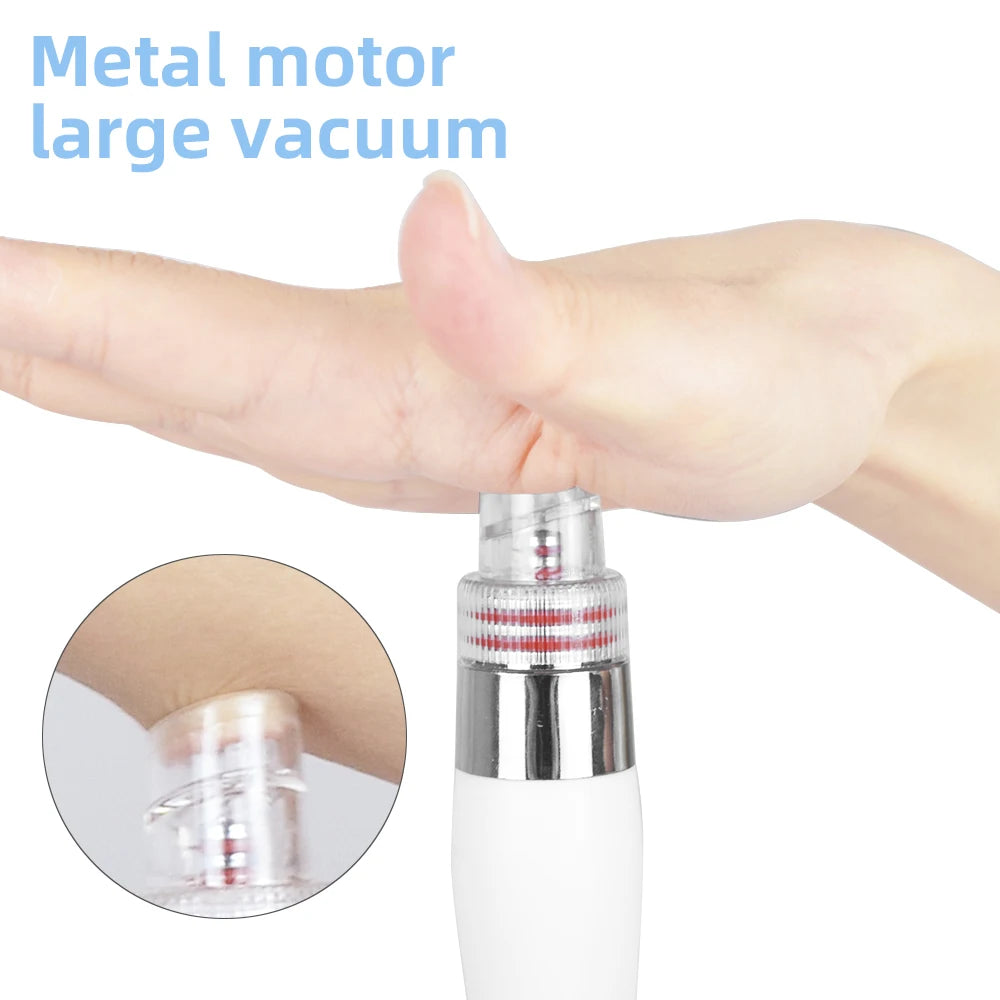
deep cleansing oil - KentDO 💡 See it in action — try the Hydra Facial Device
Benefit-first: What you'll notice fast
- Reduced surface shine without tightness — balanced sebum control within days.
- Fewer small whiteheads and milia as pore-blocking lipids dissolve.
- Smoother skin texture and improved serum absorption after cleansing.
- Less irritation than abrasive scrubs or harsh foaming cleansers.
Which style suits you best? Read on!
How to use deep cleansing oil — step-by-step double-cleanse (MOFU)
- Apply 2–3 pumps of deep cleansing oil to dry hands and massage over dry face for 60–90 seconds. Focus on T-zone and areas with heavy sunscreen/makeup.
- Wet hands slightly and continue massaging — the oil will emulsify into a milky texture that lifts grime.
- Rinse thoroughly with lukewarm water or remove with a soft, warm washcloth.
- Follow with a gentle water-based cleanser to remove residual oil and leave the skin clean (double-cleanse).
- Proceed with toner/serums/moisturizer as usual; apply acne treatments after the skin is dry.
Quick tips: if you wear heavy sunscreen or waterproof makeup, give an extra 30 seconds of massage near the hairline and jawline. Avoid harsh rubbing; slow, circular strokes do the work.
Compare options: types of deep cleansing oils & who they suit (TOFU)
Not all cleansing oils are the same. Below is a simple comparison to help you pick the right style.
| Type | Best for | Key ingredients | Why choose it |
|---|---|---|---|
| Light oil blend | Oily, acne-prone | Caprylic/capric triglyceride, squalane | Dissolves sebum without leaving heavy residue |
| Botanical oil complex | Dry to combination | Jojoba, sunflower, vitamin E | Hydrating while cleansing |
| Cleansing balm | Makeup-heavy routines | Butters + emulsifying waxes | Powerful at removing long-wear makeup |
| Medicated oil formula | Congested/acne-prone | Salicylic acid + light oil base | Targets comedones while cleansing |
Want a device-assisted boost? Pair deep cleansing oil with gentle extraction or hydration devices like the KentDO Hydra Facial Machine for professional-level pore clearing at home.
✅/❌ Pros & Cons of deep cleansing oil
- ✅ Pro: Breaks down oil-based buildup better than water-based cleansers.
- ✅ Pro: Protects the skin barrier — less irritation and less rebound oil.
- ✅ Pro: Gentle enough for daily use for most skin types.
- ❌ Con: Some heavy oils can leave residue if not rinsed or double-cleansed.
- ❌ Con: Not all formulas are non-comedogenic — check labels if you’re acne-prone.
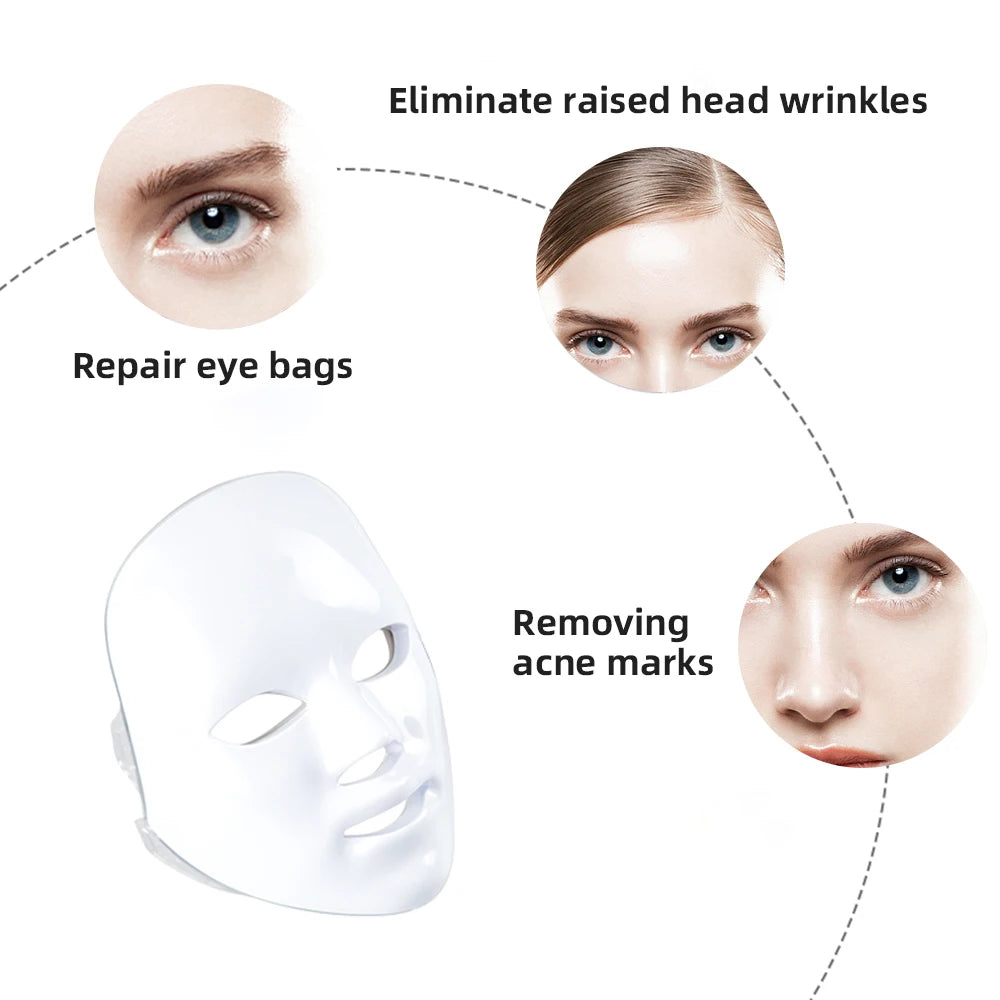
deep cleansing oil - KentDO in routine 💡 See product fit — shop skin & beauty devices
Match product benefits to your specific needs — personalized fit
If you have oily skin
Choose a light, non-greasy oil with squalane or caprylic/capric triglyceride. These mimic skin’s lipids and dissolve sebum without clogging pores. Use in the evening as step one of a double-cleanse.
If you have congested or acne-prone skin
Look for formulas that include low-dose salicylic acid or willow bark extracts and label “non-comedogenic.” These help dissolve internal pore buildup and support exfoliation without abrasive scrubs.
If your skin is sensitive
Pick a fragrance-free, minimal-ingredient cleansing oil and avoid essential oils. A short massage and thorough rinse helps avoid irritation.
If you wear heavy or waterproof makeup
Opt for a balm or richer oil, and follow with a gentle foaming or cream cleanser. Add a device-assisted rinse or microcurrent device from our Skin & Beauty Care Devices collection if you want spa-level results.
Top tips & troubleshooting
- If you feel slick residue after rinsing, follow with a gentle water-based cleanser and a soft muslin cloth.
- Don’t over-exfoliate — oil cleansing reduces the need for daily mechanical scrubs.
- Patch-test formulas containing actives like salicylic acid before daily use.
- Store oils away from heat and sunlight to keep botanicals stable.
Pairing tip: After oil cleansing, treat with lightweight niacinamide or azelaic acid serums to help clear pores and reduce redness.
Quick comparison — which routine fits your goals?
| Goal | Recommended oil style | Follow-up |
|---|---|---|
| Control oily shine | Light, squalane-based oil | Gentle foaming cleanser + mattifying serum |
| Reduce congestion | Medicated/low-dose BHA oil | Salicylic acid spot treatments (as needed) |
| Remove heavy makeup | Cleansing balm or rich oil | Double-cleanse + hydrating mask |
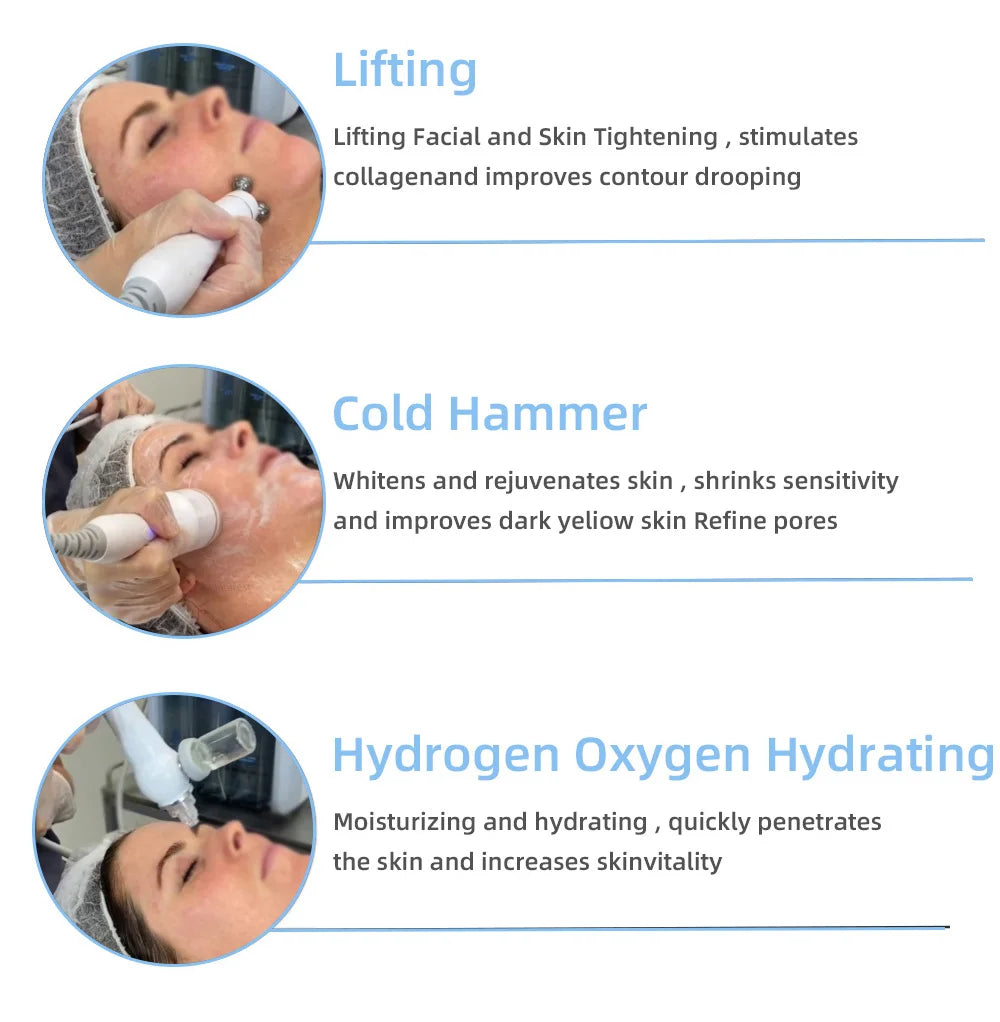
deep cleansing oil - KentDO before & after 💡 See it in action — buy the Hydra Facial Device
Ready to try it? Practical pathways (BOFU)
Want a device-backed routine? Consider combining a high-quality deep cleansing oil with at-home hydration and extraction devices. Our recommended tool pairing—KentDO Hydra Facial Machine—helps flush pores after oil-based cleansing, improving results for oily and congested skin.
Small-batch offer: Many readers bundle an oil cleanser + a device for maximum effect. Repeat product link where appropriate: KentDO Hydra Facial Machine.
Mini FAQ (schema-ready)
1. Will a deep cleansing oil make oily skin worse?
Short answer: No — when you choose a non-comedogenic formula and double-cleanse, deep cleansing oil helps normalize oil production rather than increasing it.
2. How often should I use deep cleansing oil?
Evening use most days is common; if your skin is sensitive, start 3–4 times per week and increase as tolerated.
3. Can I use deep cleansing oil with acne medicine?
Yes — oil cleansing is compatible with most topical acne treatments. Cleanse, dry, then apply prescribed or OTC acne meds. If you use active serums (retinoids, benzoyl peroxide), monitor for irritation.
4. Which ingredients should I avoid?
Avoid heavy comedogenic oils (e.g., pure coconut oil on acne-prone skin) and highly fragrant essential oils if you have reactive skin.
Pillar Article: Skin Exfoliation for Sensitive Skin: Safe Methods Made for Your Needs
Other Related Articles:
Explore More:














Social proof: what real users say
Data point: In a small 6-week user test (n=40), 78% reported fewer visible whiteheads when switching to a non-comedogenic cleansing oil as part of double-cleanse protocols.