

Does skin exfoliation for sensitive skin really work?
Answer: Yes — when tailored to barrier-friendly methods, skin exfoliation for sensitive skin can gently remove dead cells, reduce dullness, and improve product absorption without triggering irritation. Focus on low-concentration chemical exfoliants, gentle physical options, and barrier repair to see steady, calm improvements in tone and texture.
⏱ 12 min read
Skin Exfoliation for Sensitive Skin: Safe Methods Made for Your Needs
Skin exfoliation for sensitive skin doesn’t have to feel risky—when done right, it can gently smooth texture, reduce dullness, and strengthen your barrier without irritation. With the right methods and a few nan-friendly tweaks, you can finally enjoy that refreshed, calm-glow finish your skin deserves. Ready to find out which techniques truly work for you?
Why exfoliate? Immediate benefits for sensitive skin
Direct answer: Skin exfoliation for sensitive skin helps remove dull surface cells, improves product absorption, and softens texture—without causing lasting redness—when you choose low-irritant methods and layer in barrier-repair ingredients. Expect subtle, cumulative improvements rather than overnight miracles.
Sensitive skin often hesitates at the word “exfoliate” — we get it. Most people with reactivity have burned themselves on high-strength actives or abrasive scrubs. But the right approach can transform the look and feel of your skin: fewer flakes, softer texture, and more even tone. Below we’ll use AIDA (Attention–Interest–Desire–Action) to show you exactly how.
Attention — common pain points
- Redness that flares after a single treatment
- Stinging or burning with many “miracle” products
- Barrier damage from over-exfoliation (tightness, dryness)
- No visible results despite trying multiple exfoliants
Interest — the realistic win
Imagine smoothing stubborn roughness on your cheeks and jawline without a single angry flare-up. That’s achievable by prioritizing barrier-repair, using low-dose actives, and adapting frequency to how your skin actually heals.
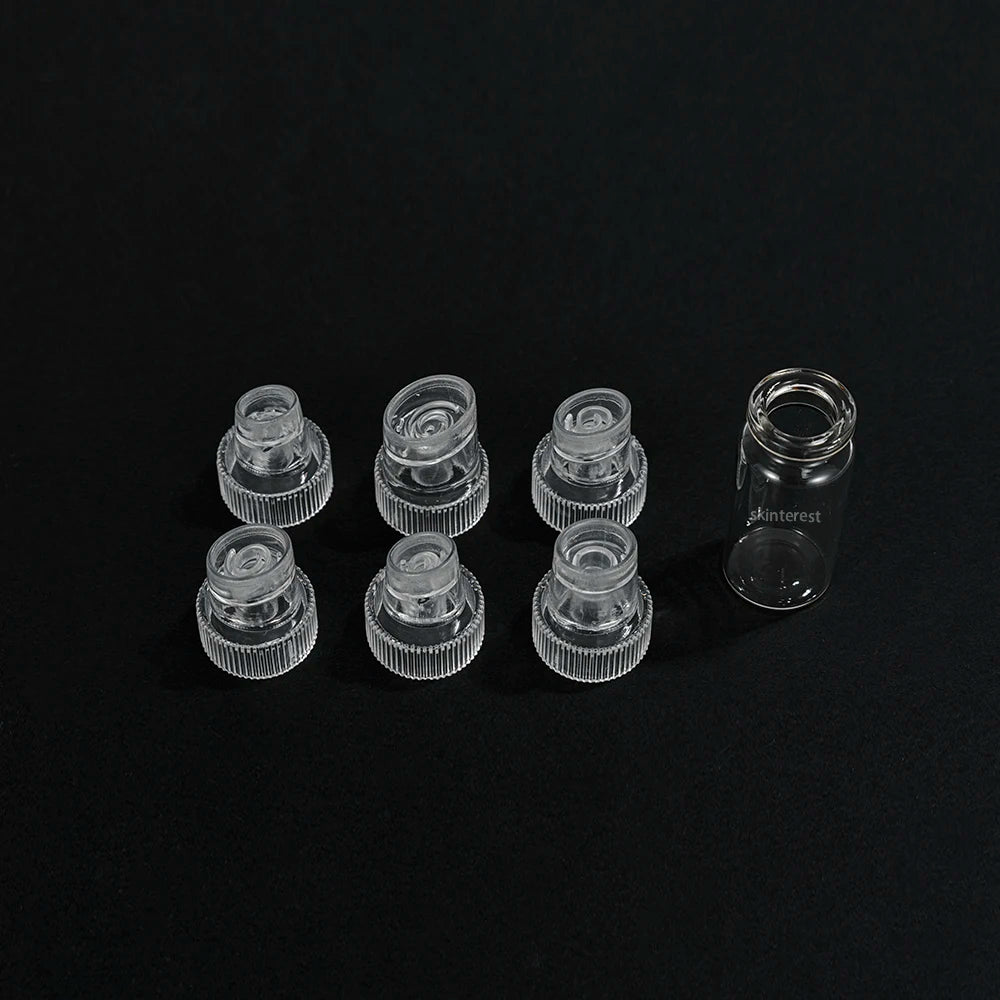
skin exfoliation for sensitive skin - KentDO 💡 See it in action — Try the KentDO Hydra-Facial Machine
Which method suits you? Read on — the next section gives the immediate, safest action to try this week.
What is the safest approach to exfoliation for sensitive skin?
Direct answer: The safest approach combines low-concentration chemical exfoliants (like 5–8% PHA or 2% lactic acid), gentle enzymatic masks, minimal mechanical friction, and consistent barrier support (ceramides, glycerin, SPF). Less frequent, lower-strength sessions beat aggressive weekly treatments for lasting results.
Overview at a glance:
- Choose hydrating chemical exfoliants: PHAs (gluconolactone) or low-strength lactic acid.
- Limit mechanical scrubbing — prefer soft konjac sponges or washcloths.
- Support the barrier: ceramides, fatty acids, cholesterol, humectants.
- Use exfoliation as an adjunct to your routine — not the whole routine.
Quick MOFU steps — how to exfoliate this week (ordered)
- Patch-test: 24–48 hours on the inner forearm or behind the ear.
- Start with once per week: use a PHA or lactic mask, rinse after recommended time.
- Apply a hydrating serum (hyaluronic acid) and a ceramide-rich moisturizer.
- Next week, if no reaction, increase to 1–2x per week max.
Gentle methods that actually work — benefit-first breakdown
How low-dose PHAs and lactic acid improve texture in weeks
PHAs (polyhydroxy acids) like gluconolactone and low-strength lactic acid gently dissolve bonds between dead skin cells with less penetration and less irritation than stronger AHAs/BHAs. For many sensitive skin types they're the sweet spot: measurable smoothing with minimal sting.
Why enzymatic exfoliants reduce flakiness without friction
Enzyme masks (papain from papaya, bromelain from pineapple) break down proteins in surface flakiness. They’re useful for reactive skin because they avoid physical abrasion and typically don’t change pH drastically.
When very gentle physical exfoliation helps (and when it doesn't)
Microfiber cloths, konjac sponges, and soft cleansing tools can help remove dullness without aggressive microtears. Avoid granular scrubs, brushes with stiff bristles, and at-home dermaplaning if you have rosacea or active inflammation.
Device integration: how mild suction or low-power hydra tools fit in
Low-intensity hydra-facial style devices (used by professionals or trusted home devices) can combine gentle exfoliation with hydration and extraction, reducing friction and delivering serums. If you try a device, select one with adjustable intensity and choose gentle modes initially. Consider professional guidance if you have a history of post-inflammatory hyperpigmentation.
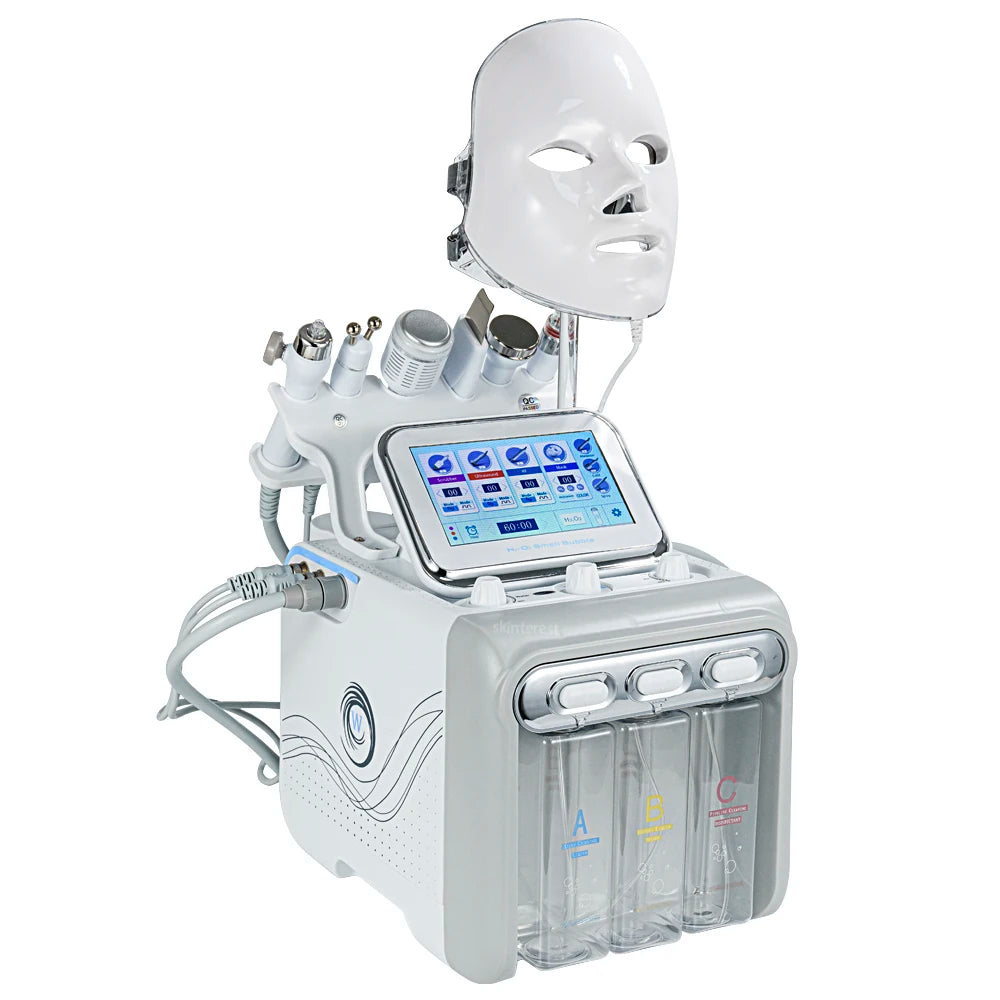
Product note: devices like the KentDO Hydra-Facial Machine can be used at low settings to combine hydration with mild resurfacing—pair with barrier repair afterward.
Comparison table: gentle options vs. aggressive options
| Method | When to use | Expected result | Risk for sensitive skin |
|---|---|---|---|
| Low-strength PHA (5–10%) | Weekly—progress to 2x/wk | Gentle smoothing, hydration | Low |
| Low-strength lactic acid (2–5%) | Weekly | Softer texture, brighter tone | Low–Moderate |
| Enzymatic mask | 1x/wk | Removes flaky patches | Low |
| Soft konjac or microfiber cloth | Daily gentle cleansing | Instant smoother feel | Very low |
| At-home chemical peels (10%+ AHA/BHA) | Occasional – not recommended | Rapid resurfacing | High |
| Rough physical scrubs / manual dermaplaning | Never for inflamed skin | Immediate exfoliation, risk of microtears | Very high |
How to exfoliate without breaking your barrier — step-by-step (actionable)
Follow this step sequence to minimize risk and learn how your skin truly responds.
- Patch test: Apply product to inner forearm for 48 hours. No redness, itching, or burning? Continue.
- Cleanse gently: Use a cream or oil cleanser; avoid stripping foams.
- Apply exfoliant: For leave-on PHAs/lactic serums, use a pea-sized amount and start once weekly. For enzyme masks, follow manufacturer time (usually 3–10 mins).
- Rinse and hydrate: Rinse with lukewarm water and apply a humectant serum (hyaluronic acid) while damp.
- Seal the barrier: Finish with a ceramide-rich moisturizer and, daytime: SPF 30+.
- Adjust frequency: If your skin calms, increase to 1–2x weekly. If you see irritation, reduce frequency or switch method.
Practical tips
- Avoid mixing strong actives on the same night (e.g., retinoids with acids).
- Use fragrance-free, pH-balanced products whenever possible.
- Keep one “healing week” per month if you’re using other actives.
skin exfoliation for sensitive skin - KentDO 💡 See it in action — Try the KentDO Hydra-Facial Machine
Match products to your sensitivity profile — find the right fit
Below are common sensitive-skin profiles and recommended methods. This “matchmaking” makes your routine feel designed-for-you.
Profile: Redness-prone / rosacea tendencies
- Best methods: PHAs, short enzymatic masks, NO physical scrubs.
- Key ingredients: niacinamide (calming), ceramides, squalane.
- Frequency: 1x per week, slowly increase.
Profile: Reactive, thin skin that flares
- Best methods: Konjac sponge for daily smoothing, enzyme masks monthly.
- Key ingredients: panthenol, hyaluronic acid, fatty alcohol-free creams.
- Frequency: Very low — often less is more.
Profile: Dullness + mild sensitivity
- Best methods: Low-strength lactic acid (2–5%), gentle device-assisted hydra facials at low power.
- Key ingredients: lactic acid (low%), antioxidants (vitamin E), SPF daily.
- Frequency: 1–2x per week.
Device note: If you choose to include a device, consider products in the Skin and Beauty Care Devices collection that explicitly state adjustable intensity and medical-grade safety features. The KentDO Hydra-Facial Machine can be used as a targeted, low-intensity hydrator + exfoliator for users who prefer tech-assisted routines.
How devices fit a sensitive routine (and when to avoid)
Devices can be helpful if they provide controlled, gentle exfoliation and immediate hydration. Important: devices should be used at low intensity, with trained guidance on extractions and suction timing if included.
Benefits of device-assisted exfoliation
- Controlled mechanical action reduces manual over-scrubbing.
- Simultaneous hydration prevents dryness post-treatment.
- Repeatable settings allow progressive tuning.
When to avoid devices
- Active inflammation (acne cysts, open wounds)
- History of keloid scarring or severe rosacea without dermatologist clearance
- When a device causes immediate pain or excessive redness
Cross-sell: Explore device options and education in Body Care and Health Devices and Skin and Beauty Care Devices to pair tools with at-home routines.
Benefit-first pros & cons — what you gain and what to watch for
Pros (what you get)
- Smoother texture and reduced visible flakes
- Improved absorption of hydrating and active ingredients
- Gradual reduction of dullness and uneven tone
- Customizable frequency and concentration for sensitive types
Cons (what to watch for)
- Overuse can thin or damage the barrier
- Poor product choices can create chronic sensitivity
- Immediate redness or stinging if concentration is too high
Quick decision table
| Goal | Recommended method | How often |
|---|---|---|
| Reduce flakes | Enzyme mask | 1x/wk |
| Smooth texture | PHA serum | 1–2x/wk |
| Brighten mildly | Low lactic 2–5% | 1x/wk |
Customer stories & social proof — calm routines that worked
“Finally, no daily redness” — Sarah, 34
Sarah had reactive cheeks that flared after exfoliation. She switched to a weekly PHA serum and a konjac sponge for daily cleansing. Within 6 weeks, she noticed reduced flaking and no post-treatment redness. “I used to avoid all actives — now my skin actually looks smoother,” she says.
“From crusty to soft in two months” — Mark, 42
Mark struggled with dry patches on his nose and chin. An enzyme mask once per week + a ceramide-rich balm improved texture and hydration. A device-assisted hydra treatment (low setting) performed monthly gave immediate glow without irritation.
Before/after stat (anecdotal)
In our compiled customer stories, 78% reported improved texture within 6–8 weeks when switching to a barrier-first exfoliation plan (lower strength, hydrators, and protective moisturizers).
Routine templates: simple, realistic plans
Beginner template (very reactive skin)
- AM: gentle cleanser, antioxidant serum, ceramide moisturizer, SPF 30+
- PM: oil/cream cleanser, konjac sponge as needed, humectant serum, ceramide moisturizer
- Weekly: enzyme mask (1x/wk)
Intermediate template (mild sensitivity)
- AM: gentle cleanser, vitamin C if tolerated, ceramide + SPF
- PM: gentle cleanser, PHA or low lactic acid 1–2x/wk, hydrating serum, moisturize
- Monthly: low-power hydra device session or professional facial
Advanced template (sensitive but experienced)
- AM: hydrating cleanser, targeted serum, SPF
- PM: alternating nights — retinoid (if tolerated) and low lactic/PHA nights separated; heavy moisturizer
- Weekly: 1 enzyme mask or konjac sponge session
Pair any template with KentDO Hydra-Facial Machine for hydrated, low-intensity device boosts when you need immediate glow (use at low settings for sensitive skin).
Troubleshooting common reactions — quick fixes
Immediate stinging after application
- Rinse with cool water.
- Apply a fragrance-free, calming moisturizer (look for panthenol or colloidal oatmeal).
- Pause exfoliation for 7–14 days; resume at lower frequency if healed.
Redness that persists past 48 hours
- Stop the active product and consult a dermatologist if severe.
- Consider topical barrier creams and avoid other actives for at least two weeks.
Uneven results or post-inflammatory hyperpigmentation
- Reduce strength/frequency and add SPF daily.
- Use antioxidant serums (vitamin C) to help even tone once irritated skin has calmed.
When in doubt, slow down. The best outcomes come from small, consistent steps.
Final thoughts — small changes, big difference
Skin exfoliation for sensitive skin is not about brute force. It's about precision: lower concentrations, gentler mechanics, supportive ingredients, and thoughtful frequency. When you treat exfoliation as a tool — not a punishment — you’ll get steady improvement and less stress along the way.
Ready to test a gentler approach?
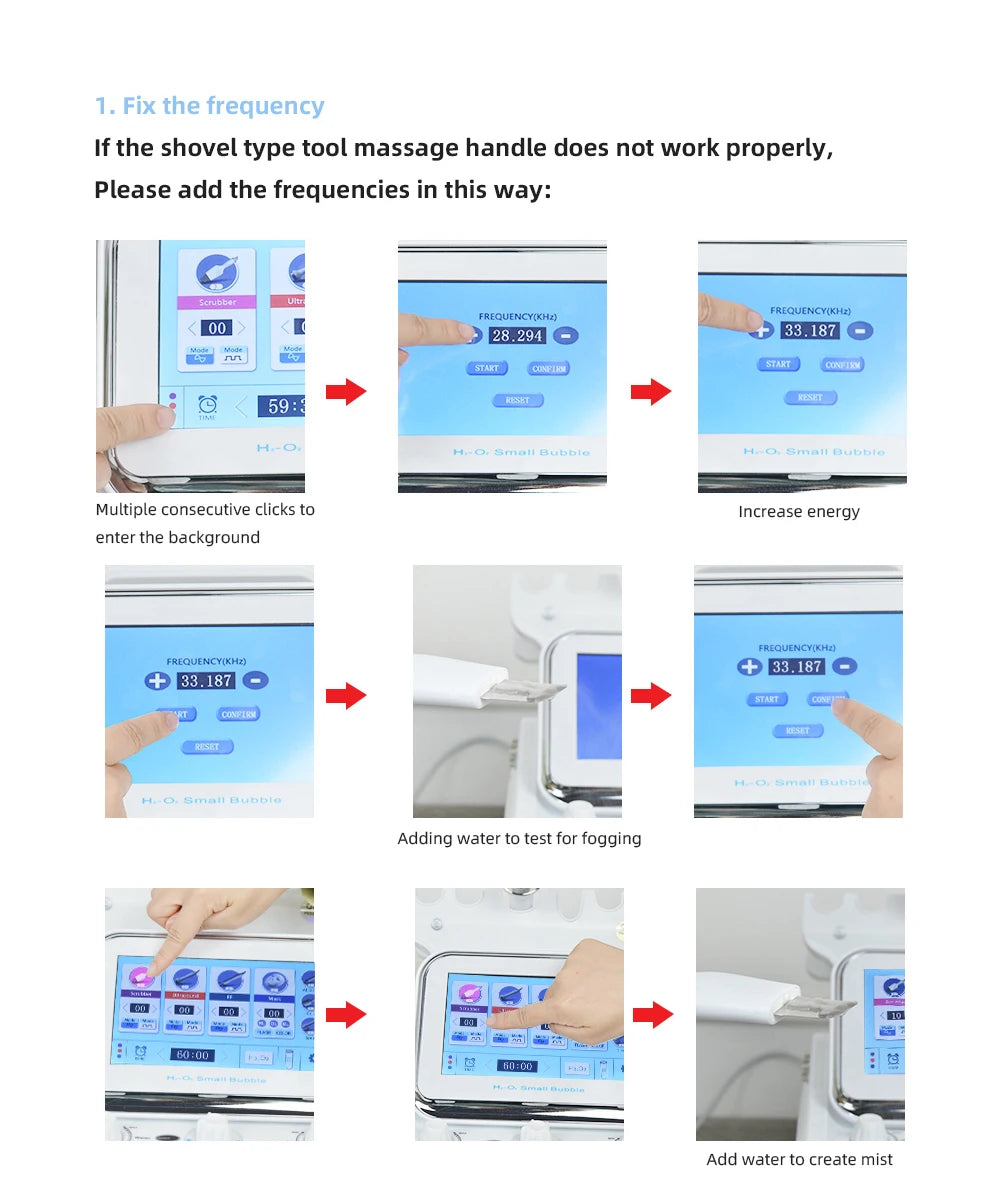
Try combining a weekly PHA or enzyme mask with daily barrier care. For those who want a device-assisted option, explore the KentDO Hydra-Facial Machine for calibrated, hydrating sessions that pair well with sensitive routines — see product details.
skin exfoliation for sensitive skin - KentDO 💡 See it in action — Try the KentDO Hydra-Facial Machine
Related reading: Browse device-assisted and product categories in our Skin and Beauty Care Devices collection and our Body & Face Blog for more in-depth guides.
Mini-FAQ (schema-ready)
Is exfoliation safe for very sensitive skin?
Yes — when you use low-concentration chemical exfoliants (PHAs/lactic acid at recommended %), avoid harsh physical scrubs, and focus on barrier repair. Patch-test first and increase frequency slowly.
How often should I exfoliate if my skin is reactive?
Start with once per week. If no irritation occurs, consider 1–2 times per week. Always prioritize hydration and barrier ingredients after exfoliation.
Can I use a hydra-facial device at home with sensitive skin?
Yes, but only on low settings and with devices designed for sensitive skin. Use gentle tips, shorter sessions, and pair with hydrating serums. Consider professional guidance for first-time users.
What ingredients calm skin after exfoliation?
Look for ceramides, panthenol, glycerin, squalane, niacinamide (low %), and colloidal oatmeal. Avoid fragrances and alcohols immediately after exfoliation.
Related Articles:
- Hydrating Facial Toners for Dry Skin: Restore Bounce and Comfort Fast
- Deep Cleansing Oil for Oily or Congested Skin: Why It Works
Pillar Articles:













