

What are deep tissue massage techniques?
Deep tissue massage techniques use slow, targeted pressure to release muscle knots, tight fascia, and chronic tension. These methods focus on deeper layers of muscle to improve circulation, reduce stiffness, and provide lasting pain relief. They’re ideal for chronic tightness, athletes, and anyone dealing with stubborn trigger points.
- Slow, sustained pressure
- Work on deeper muscle layers
- Trigger point compression
- Fascia-stretching strokes
Deep Tissue Massage Techniques: Step-by-Step Pain Relief Guide
Discover how deep tissue massage techniques can deliver deep tissue pain help, tight fascia pain relief, and the muscle knot release guide you’ve been searching for. If every chronic muscle tightness fix has failed you, this step-by-step guide finally shows what actually works—so you can feel lighter, looser, and tension-free again.
⏱ 8 min read
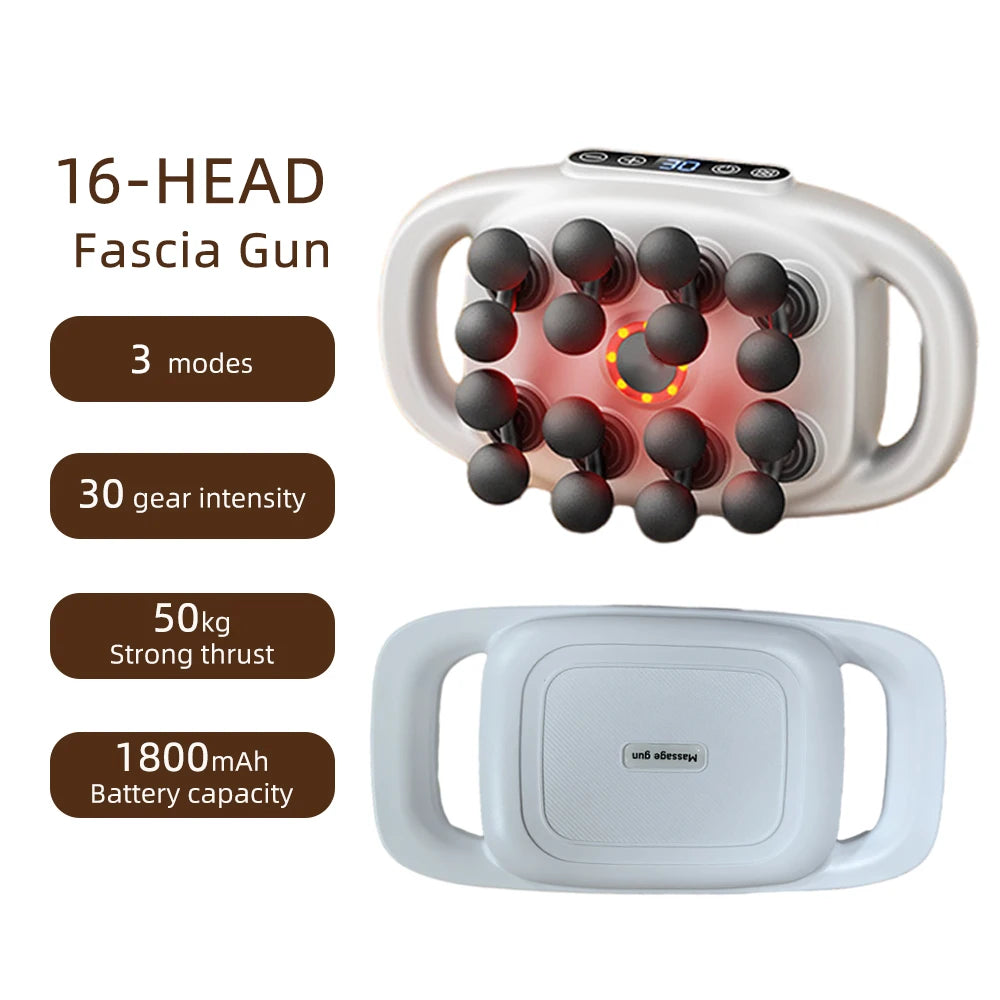
Deep tissue massage techniques for tight fascia pain relief — 💡 See it in action
Why Chronic Tightness Happens (And Why Stretching Alone Doesn’t Fix It)
Ever stretched your neck or back only to feel the same tightness come back hours later? You’re not imagining it.
Muscle knots and fascia restrictions form when stress, posture, or overuse create micro-adhesions beneath the surface. Traditional stretching only targets surface-level tissue, so the deeper layers never release—and pain keeps returning.
This is where deep tissue massage techniques become game-changing.
Which technique works best for you? Keep reading—you’ll know within minutes.
How Deep Tissue Massage Techniques Reduce Pain Fast
Deep tissue massage techniques work by applying slow, firm pressure that breaks down adhesions, releases fascia, and restores muscle length. This creates rapid relief—even in long-standing tightness.
Key benefits at a glance
- Deep tissue pain help by clearing stubborn knots that cause referral pain.
- Tight fascia pain relief through improved glide between layers of tissue.
- Better mobility because muscles finally elongate instead of staying contracted.
- Reduced inflammation from increased blood flow and oxygenation.
Step-by-Step Deep Tissue Massage Techniques for Immediate Relief
These proven techniques are easy to learn and incredibly effective—even if you’ve never tried deep tissue work before.
Deep tissue massage techniques use slow pressure, targeted strokes, and trigger-point compression to release knots and fix chronic muscle tightness. These steps focus on deeper layers of tissue for long-lasting relief and flexibility.
1. Warm Up the Area (30–60 seconds)
Before going deep, use light strokes to increase circulation. This prevents discomfort and prepares tissue for deeper work.
- Use your palm to apply broad strokes.
- Warm the area until it feels pliable.
- Add breathing: inhale before pressure, exhale as you press.
2. Slow, Deep Pressure Technique (60–120 seconds)
Apply firm, gradual pressure directly onto the tight area.
- Sink in slowly—never jab or push abruptly.
- Hold pressure for 10–20 seconds or until discomfort drops by 30%.
- Release slowly to avoid rebound tension.
3. Cross-Fiber Friction (30–60 seconds)
Move gently perpendicular to the muscle fibers to break up adhesions.
- Short, controlled movements.
- Great for shoulder, neck, and calf tightness.
- Helps release chronic knots that stretching cannot reach.
4. Trigger Point Release (30–90 seconds)
When you find a knot, press firmly and hold until the pain begins to melt.
Pro tip: Aim for "good hurt"—never sharp or burning pain.
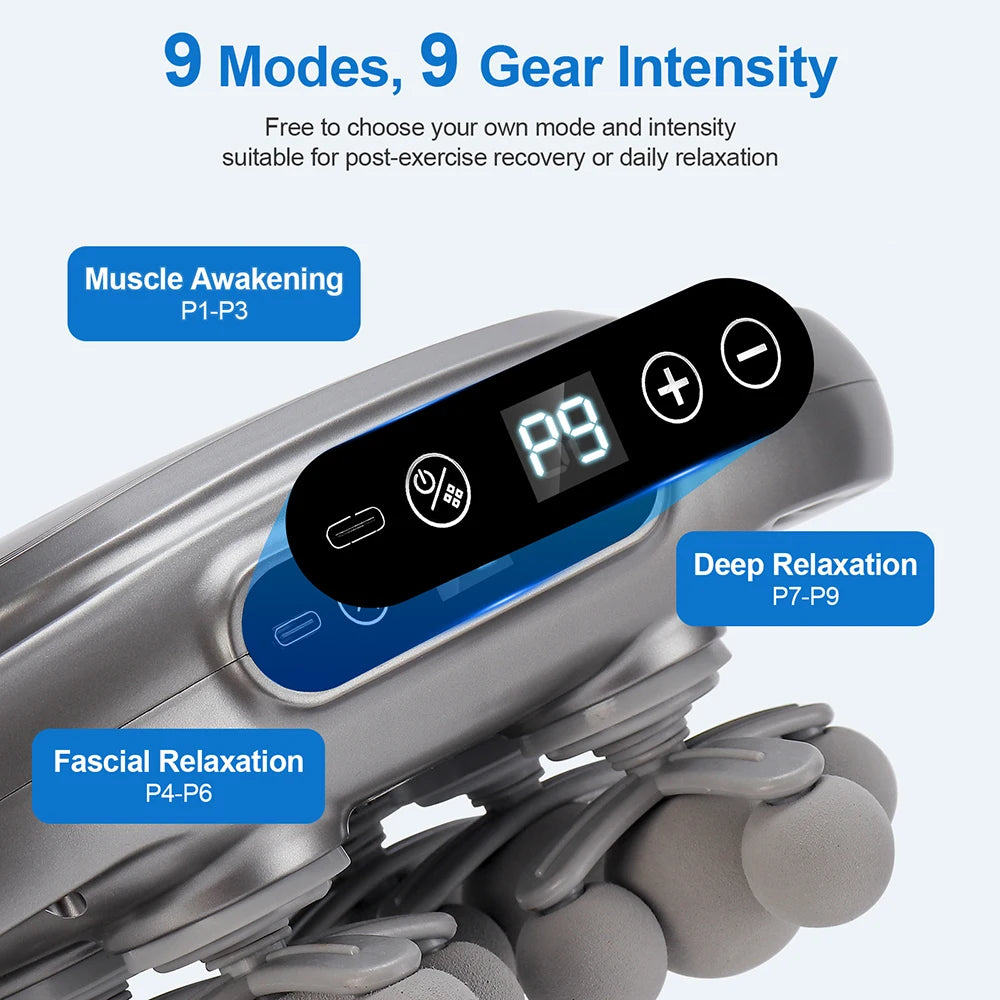
Muscle knot release guide using deep pressure — 💡 See it in action
5. Fascia Stretching Strokes (60–120 seconds)
Use long, slow strokes along the length of the muscle to stretch tight fascia.
- Move slowly—faster strokes don’t reach fascia.
- Use knuckles or a tool for deep glide.
- Follow with hydration to support recovery.
Tools That Make Deep Tissue Massage Techniques Easier (And More Effective)
Hand techniques are great, but tools help you reach deeper layers safely—especially for hard-to-reach areas like the back, shoulders, and trapezius.
Recommended Device: KentDO™ 42-Head Fascia Massage Gun
KentDO™ 42-Head Fascia Massage Gun delivers deep, high-frequency pressure that mimics professional-level deep tissue release—ideal for chronic tension and daily recovery.
| Pros | Cons |
|---|---|
| Deep muscle penetration Hands-free convenience Great for neck, shoulders, and mid-back |
May feel intense for beginners Needs a power source |
Pairing techniques with tools is the fastest way to achieve consistent results.
Real Results: What Users Are Saying
"After years of shoulder knots, this is the first method that actually freed my neck. Mixing deep pressure techniques with my KentDO pillow changed everything." — Sarah W.
"I lift weights daily. Deep tissue methods plus a massage pillow cut my recovery time in half." — Marcus R.
These testimonials reflect the power of combining technique with the right device.
Common Mistakes People Make When Trying Deep Tissue Massage
Avoid these to ensure the best results.
- Pressing too hard too fast (causes rebound tension)
- Skipping the warm-up (makes fascia resist release)
- Holding breath during pressure (increases pain)
- Not hydrating after massage (slows recovery)
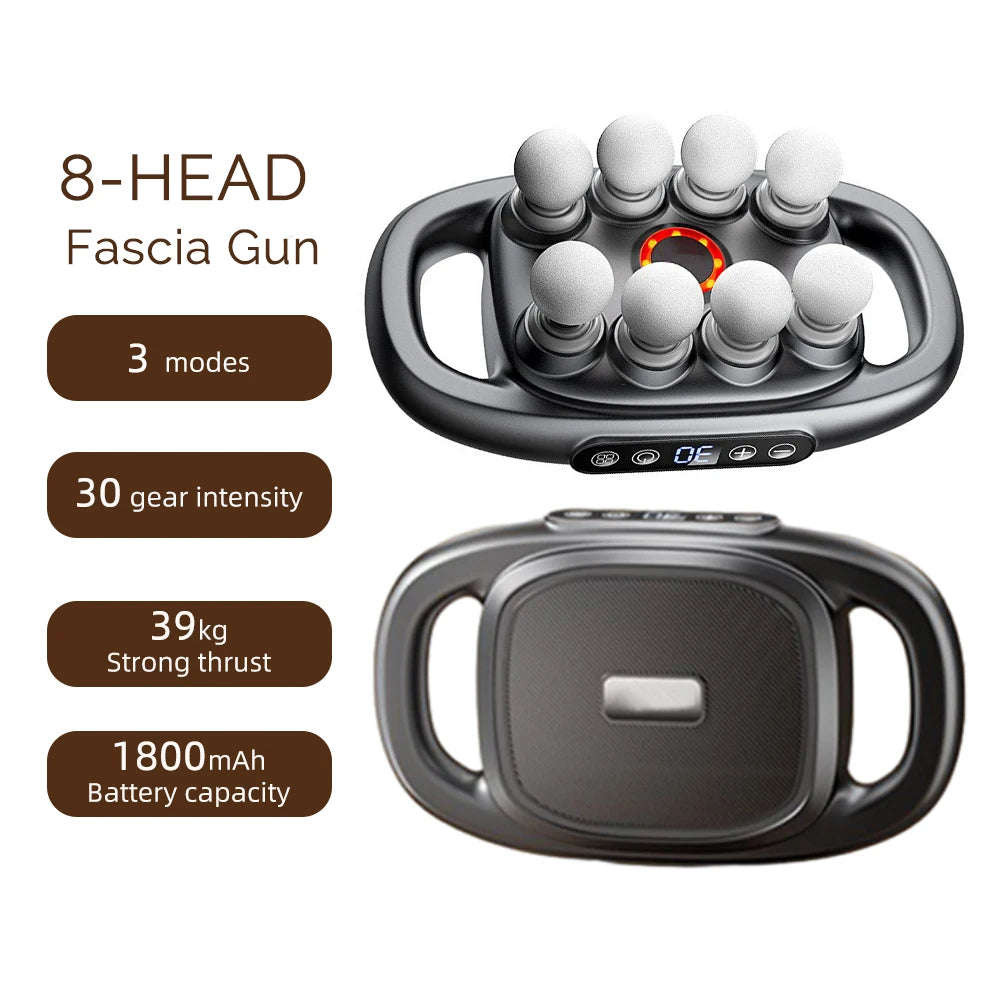
Chronic muscle tightness fix with deep fascia release — 💡 See it in action
Mini FAQ
How often should I use deep tissue massage techniques?
Most people benefit from 2–4 sessions per week, depending on tightness and activity level.
Does deep tissue massage hurt?
You should feel a “good hurt,” never sharp pain. Discomfort should decrease as the knot releases.
Can these techniques replace a professional massage?
They can provide comparable relief, especially when combined with a device like the KentDO™ 42-Head Fascia Massage Gun.
What devices support deep tissue massage?
Explore more recovery tools in the Body Care & Health Devices collection.
If you'd like, I can also generate a condensed version for social media, a Pinterest-optimized infographic script, or email funnel follow-up copy.Pillar Article: Benefits of a Deep Tissue Massage: How to Maximize Results
Other Related Articles:
- Body Tension Release Methods: Quick Guide for Everyday Relief
- Muscle Soreness Relief at Home: Daily Routine and Tools
- How to Use a Massage Gun for Sore Muscles at Home
Explore More:













