

Benefits of a Deep Tissue Massage: How to Maximize Results
The benefits of a deep tissue massage go far beyond simple relaxation—it delivers deeper circulation, faster relief, and noticeable performance gains when paired with smart deep tissue massage tips, muscle recovery massage steps, a balanced full body massage routine, and a reliable post workout stiffness remedy. Learn how to get lasting results by preparing, applying pressure correctly, and recovering effectively.
What Are the Benefits of a Deep Tissue Massage?
The primary benefits of a deep tissue massage include lasting tension relief, improved circulation, accelerated muscle recovery, and decreased stiffness. Regular sessions combined with proper techniques and products can reduce soreness, improve posture, and help you recover faster after workouts. It’s ideal for anyone dealing with tight fascia or persistent muscle knots.
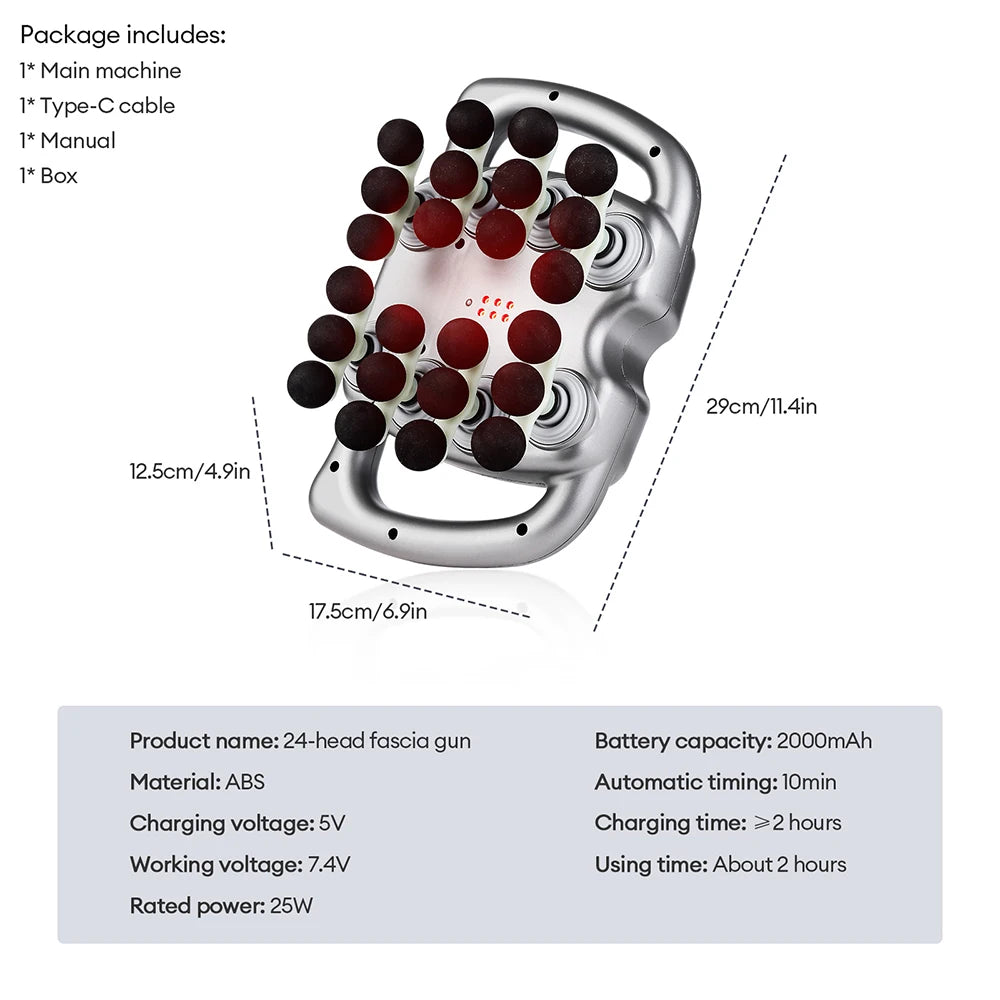
💡 Experience the benefits of a deep tissue massage with KentDO — discover deep tissue massage tips for fast relief.
Deep Tissue Massage Tips for Maximum Relief
Applying a deep tissue massage incorrectly can lead to soreness instead of relief. Use these tips to enhance results:
- Warm up muscles first: Light stretching or a warm shower relaxes tissues.
- Apply gradual pressure: Start with moderate pressure and increase slowly.
- Target tension points: Focus on knots, tight fascia, and frequently stressed muscles.
- Use proper tools: Devices like the KentDO™ 42-Head Fascia Massage Gun provide consistent pressure safely.
- Stay hydrated: Water helps flush lactic acid and reduces post-massage soreness.
Which areas benefit most from a deep tissue massage?
Neck, shoulders, lower back, and calves are common tension zones. Regular focus on these areas can alleviate chronic stiffness and improve posture.
Muscle Recovery Massage Steps
Follow these steps after exercise to maximize recovery:
- Assess soreness: Identify tight areas and knots for targeted pressure.
- Start with gentle strokes: Encourage blood flow before deep work.
- Apply focused pressure: Use thumbs, fists, or massage devices on dense muscle tissue.
- Stretch afterward: Incorporate static stretches to lengthen muscles.
- Hydrate and rest: Recovery is as much about nutrition and sleep as massage.
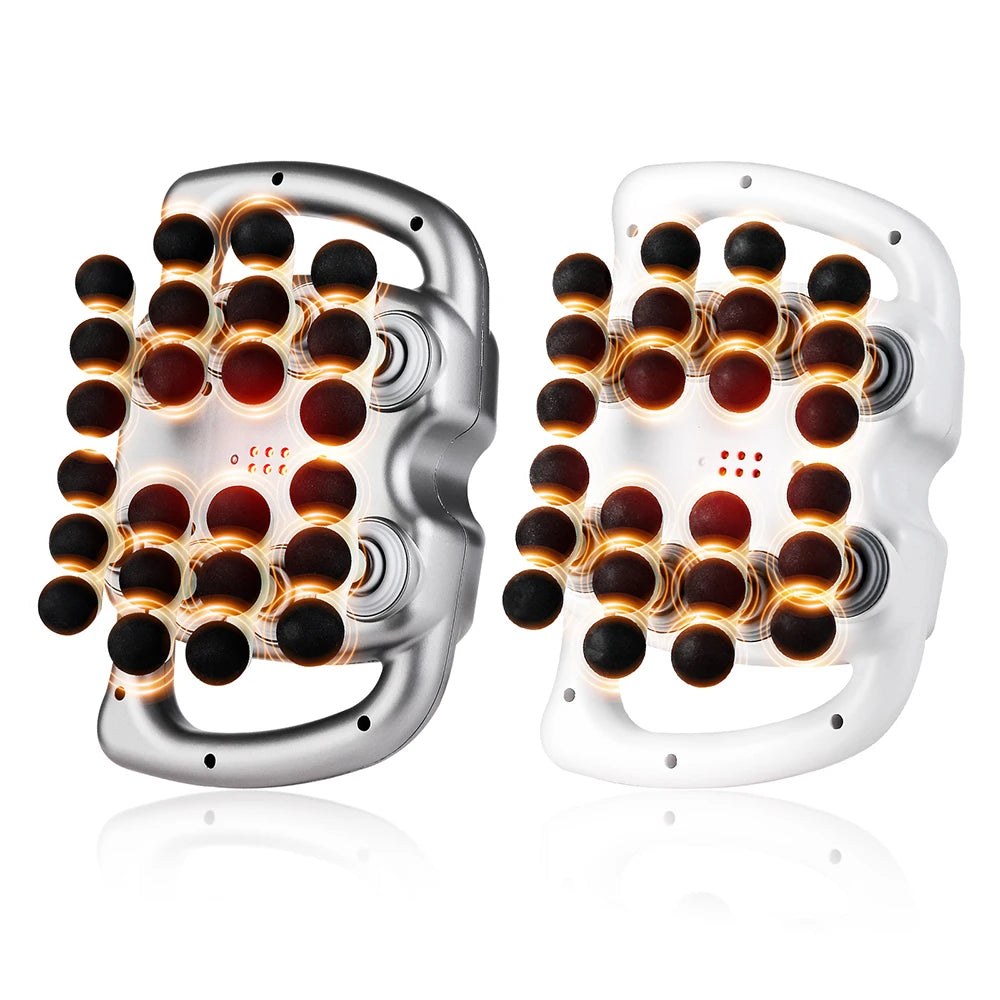
💡 Follow these muscle recovery massage steps for maximum deep tissue benefits — see how KentDO helps.
Full Body Massage Routine
A complete routine ensures no area is neglected. Suggested order:
- Start at the neck and shoulders to release daily tension.
- Move to the upper back and chest for circulation.
- Massage the arms and forearms to reduce grip fatigue.
- Focus on the lower back and glutes for prolonged sitting relief.
- Finish with legs and calves to flush lactic acid after exercise.
Post Workout Stiffness Remedy
To alleviate post-workout stiffness, combine massage with hydration, gentle stretching, and quality devices:
- Use targeted massage devices for tight fascia relief.
- Incorporate cooling or heat therapy depending on soreness type.
- Stretch muscles after massage for flexibility gains.
- Track recovery progress to adjust intensity safely.
- Include daily short massage sessions to prevent stiffness accumulation.
Recommended Tools & Devices
Enhancing your deep tissue massage routine is easier with the right tools. Options include:
- Body Care and Health Devices — massage pillows, handheld percussion devices, and more.
- High-frequency massage guns for athletes and frequent exercisers.
- Ergonomic rollers for targeted fascia release.
- Head Fascia Massage Gun for neck, shoulders, and upper back — like the KentDO™ 42-Head Fascia Massage Gun.
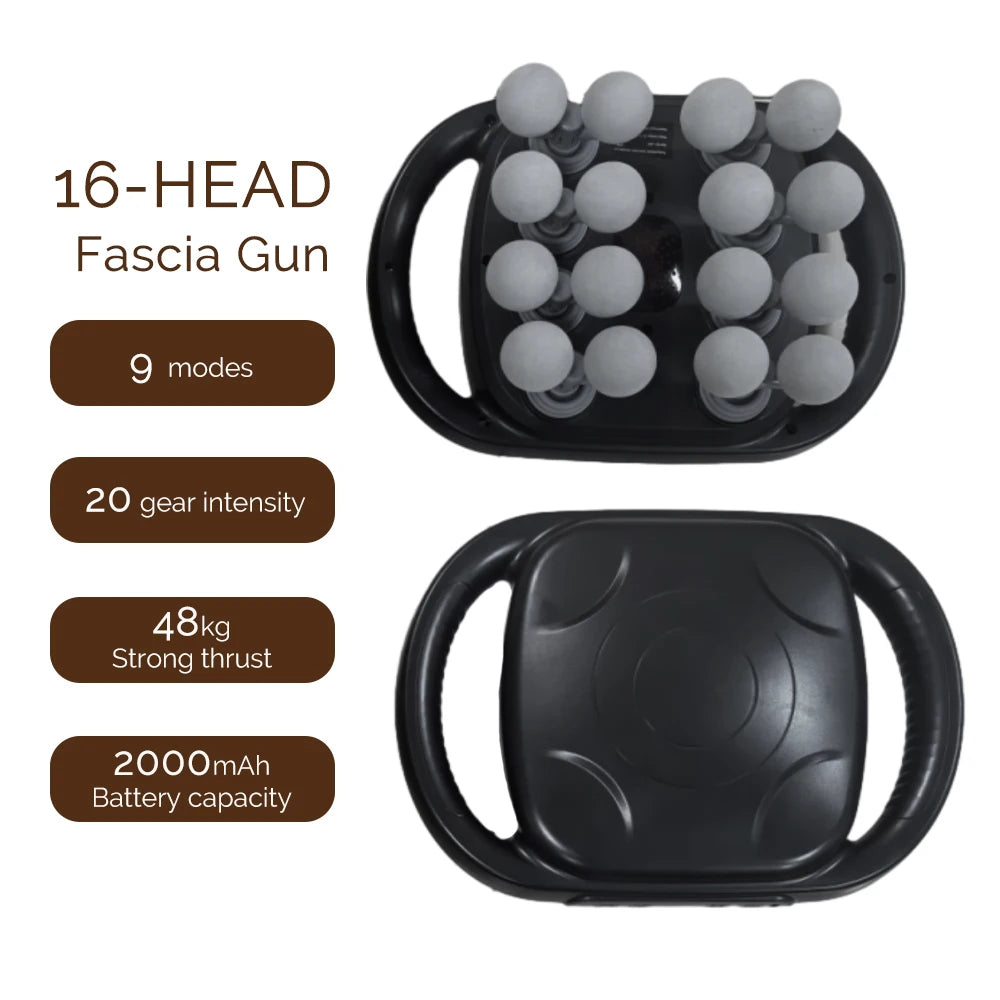
💡 Integrate a full body massage routine with KentDO — follow deep tissue massage tips for ultimate relief!
Mini-FAQ
How often should I get a deep tissue massage?
1–2 times per week is ideal for maintaining flexibility and tension relief. Post-workout sessions can be shorter and targeted.
Can I use a massage device on sore muscles daily?
Yes, but start with light pressure to avoid aggravating inflammation. Gradually increase intensity over time.
Is deep tissue massage suitable for beginners?
Absolutely. Beginners should communicate discomfort, start gently, and gradually increase depth as tolerance improves.
What’s the difference between a regular massage and deep tissue massage?
Deep tissue massage targets deeper muscle layers and fascia, providing long-lasting tension relief and improving circulation, unlike surface-level relaxation massages.
Which tools are most effective for at-home deep tissue massage?
Handheld massage guns, rollers, and electric pillows — especially the KentDO™ 42-Head Fascia Massage Gun — deliver consistent pressure and reach tight fascia safely.
Related Articles:
- Body Tension Release Methods: Quick Guide for Everyday Relief
- Muscle Soreness Relief at Home: Daily Routine and Tools
- Deep Tissue Massage Techniques: Step-by-Step Pain Relief Guide
- How to Use a Massage Gun for Sore Muscles at Home
Pillar Articles:













