

Do Lymphatic Brushes Work? What Science Says About Face Brushes
If you are wondering, “Do lymphatic brushes work?” the short answer is: they may help temporarily improve the appearance and feel of facial skin through gentle massage and exfoliation, but there is limited evidence that an at-home facial brush independently produces clinically meaningful lymphatic drainage or “detoxes” the face.
That distinction matters. A cosmetic massage tool can make a puffy or tired-looking face appear temporarily more refreshed, but that is not the same thing as treating a lymphatic disorder. Professional manual lymphatic drainage (MLD) uses specialized techniques, pressure, and directional movements and is different from simply brushing the skin.
This guide explains what lymphatic face brushes can realistically do, what the lymphatic system actually does, how facial brushing compares with professional lymphatic drainage, and how to use a brush safely without expecting medical treatment from a beauty tool.
Do Lymphatic Brushes Work? The Evidence-Based Answer
Lymphatic brushes can be useful for gentle facial massage and exfoliation, but strong claims about dramatically improving lymph flow, removing toxins, or treating swelling are not well established. The most reasonable expectations are cosmetic: temporary changes in the appearance of puffiness, a refreshed sensation, smoother-feeling skin, and the relaxing effects associated with facial massage.
What lymphatic brushes may actually do
A facial brush applies mechanical stimulation to the skin. Depending on the brush design and how it is used, this can provide gentle massage and surface exfoliation. Massage may temporarily alter local circulation and fluid distribution, which can make the face look somewhat less puffy immediately afterward.
These effects should generally be viewed as temporary cosmetic effects, rather than proof that a brush has substantially changed lymphatic function.
What they have not been proven to do
A consumer facial brush should not automatically be described as a treatment for lymphedema, chronic facial swelling, or other lymphatic disorders. Nor should “detox” claims be treated as established medical benefits. The body's lymphatic system already participates in fluid balance, immune function, and waste transport; brushing the surface of the face does not mean that toxins are being flushed out through the skin.
Why results can look more dramatic than they are
Facial puffiness naturally changes throughout the day. Fluid distribution, sleep position, hydration, diet, temperature, and other factors can influence how the face looks. If you massage your face when it is particularly puffy and then look in the mirror afterward, even a temporary change can appear significant.
That does not necessarily mean the underlying cause of swelling has been corrected. It is more accurate to describe the result as a temporary improvement in appearance when that is what the evidence and experience support.
How the Lymphatic System Works in the Face
The lymphatic system is a network of vessels, lymph nodes, and lymphoid tissues involved in fluid balance and immune function. Lymph is a fluid that moves through lymphatic vessels and ultimately returns to the circulatory system. Lymph nodes act as immune-system filtering and surveillance points along this network.
What lymph fluid and lymph nodes do
Lymphatic vessels collect excess fluid and other materials from tissues and transport them through the lymphatic network. Lymph nodes help support immune responses by exposing immune cells to substances carried in lymph.
Because lymphatic circulation is part of a larger physiological system, it is overly simplistic to think of facial brushing as manually “draining toxins” from the face. Normal lymph movement involves the coordinated function of lymphatic vessels, surrounding tissues, muscle activity, breathing, and other physiological mechanisms.
How lymphatic flow normally occurs
Unlike the heart-driven circulation of blood, the lymphatic system does not have a single central pump that pushes lymph throughout the body. Lymph movement is supported by mechanisms including muscle contractions, pressure changes, breathing, and the movement of surrounding tissues.
This is one reason gentle movement and normal physical activity matter when discussing healthy lymph circulation. It also explains why professional MLD cannot be reduced to a simple “brush harder and move upward” formula.
Why facial puffiness can fluctuate
A face can look fuller or more swollen at one time of day than another without there being a lymphatic disease. Morning facial puffiness, for example, may be influenced by overnight fluid distribution and sleeping position. Other causes of facial swelling can include allergies, irritation, inflammation, medications, or medical conditions.
When puffiness is occasional and resolves normally, a gentle skincare massage may provide a temporary cosmetic improvement. Persistent, severe, painful, or unexplained swelling is a different situation and should not be managed solely with a cosmetic brush.
Lymphatic Drainage vs. Exfoliation: What a Facial Brush Really Does
One of the most important distinctions when evaluating a lymphatic face brush is the difference between mechanical exfoliation, facial massage, and therapeutic lymphatic drainage. These are related only in the broad sense that they involve physical contact with the skin and underlying tissues; they are not interchangeable techniques.
Skin exfoliation and surface benefits
Depending on its material and texture, a facial brush can mechanically loosen and remove some surface buildup. This may leave skin feeling smoother and cleaner. However, facial skin can also become irritated when it is scrubbed too aggressively or too frequently.
For sensitive skin, the goal should be controlled, gentle contact rather than intense exfoliation. A product's softness, material, and ability to control pressure are therefore more important than claims that it can “detox” the skin.
Facial massage and temporary circulation effects
Gentle facial massage can feel relaxing and may temporarily change local circulation or the distribution of superficial fluid. That can contribute to a fresher-looking appearance after massage.
However, a temporary change in facial appearance should not automatically be interpreted as evidence of increased lymphatic clearance. Cosmetic results and physiological claims need to be kept separate.
Why “detox” claims need caution
The word “detox” is frequently used in beauty marketing, but it can imply a medical effect that a consumer tool has not demonstrated. Your liver, kidneys, lungs, gastrointestinal tract, and other physiological systems already perform essential roles in processing and eliminating substances from the body.
A facial brush can be part of a skincare ritual without needing a detox explanation. A more useful question is: Does the brush provide comfortable massage or exfoliation and help the skin look temporarily refreshed?
Does stimulating the skin equal stimulating lymph flow?
Not necessarily. Physical stimulation of the skin is not automatically equivalent to clinically meaningful lymphatic drainage. The technique, pressure, direction, anatomy, and purpose of the massage all matter.
This is why it is better to describe an at-home brush as a facial massage and skincare tool unless there is specific clinical evidence supporting a stronger claim.
Lymphatic Brush vs. Manual Lymphatic Drainage
Professional manual lymphatic drainage is a specialized form of gentle manual therapy. It is not simply vigorous brushing of the face in an upward direction.
What manual lymphatic drainage involves
MLD uses specific, gentle manual techniques intended to influence the movement of lymph. Practitioners are trained to understand lymphatic anatomy and use controlled movements according to the individual's circumstances.
Medical lymphatic treatment may also be part of a broader plan for people with conditions affecting lymphatic function. That context is fundamentally different from using a beauty brush as part of a daily skincare routine.
How pressure, direction, and technique differ
A common mistake is assuming that more pressure produces better lymphatic drainage. In reality, lymphatic techniques are generally characterized by controlled, gentle handling rather than aggressive scrubbing.
An at-home brush should therefore be used with light pressure. If brushing causes burning, persistent redness, pain, or irritation, the pressure or frequency is too high for your skin.
When manual lymphatic drainage is used clinically
MLD may be used by appropriately trained professionals as part of care for certain lymphatic conditions, including situations involving lymphedema. The appropriate technique depends on the individual's medical circumstances.
Someone seeking treatment for a diagnosed lymphatic condition should follow guidance from a qualified healthcare professional rather than attempting to replace clinical therapy with a cosmetic brush.
Why a cosmetic brush should not be treated as medical therapy
A manual facial brush has a different purpose, design, and level of clinical control. Even when its marketing uses terms such as “lymphatic,” that does not make it equivalent to professional MLD.
Can Lymphatic Brushes Reduce Facial Puffiness?
A lymphatic brush may temporarily make a puffy-looking face appear more refreshed, but it should not be presented as a proven treatment for persistent facial swelling. Gentle massage can change the appearance of superficial tissues for a period of time, while normal facial puffiness can also resolve naturally.
Why the face can look puffy in the morning
Morning facial puffiness can occur because fluid distribution changes while you are lying down. Sleep position, recent dietary habits, hydration, and individual differences can all influence how the face looks when you wake.
If the puffiness is temporary, gentle facial massage may fit comfortably into a morning skincare routine. It should be considered a cosmetic technique rather than a guaranteed method of “draining” the face.
Temporary cosmetic changes vs. lasting results
The most realistic expectation is a short-term improvement in how the face looks or feels. A more defined-looking cheek or jawline after massage does not necessarily mean that facial fat has been reduced or that a permanent contouring effect has occurred.
If your goal is a refreshed appearance before work, an event, or simply as part of your morning routine, temporary results may still be useful. The key is to match expectations to what the technique can realistically provide.
When persistent facial swelling needs medical evaluation
Facial swelling that is persistent, worsening, painful, associated with difficulty breathing, accompanied by other concerning symptoms, or unexplained should not be treated as a routine cosmetic issue. Medical evaluation may be appropriate to identify the underlying cause.
A cosmetic massage tool should never delay evaluation of unexplained swelling.
What Actually Supports Healthy Lymph Flow?
Instead of focusing on vague “detox” promises, it is more useful to understand the normal factors that support lymph movement and when specialized care is appropriate.
Normal movement and muscle activity
Regular movement supports the mechanical forces that help lymph move through the body. Walking, changing positions, and normal muscle activity are part of everyday physiology and are more meaningful concepts than treating a facial brush as a lymphatic pump.
Gentle massage techniques
Gentle massage can be relaxing and may temporarily influence the appearance of facial puffiness. If you use a facial massage tool, prioritize light pressure, comfortable movements, and a clean tool rather than aggressive brushing.
For broader skincare routines, you can also explore the Body & Face Blog for related facial-care topics.
Professional manual lymphatic drainage when medically appropriate
When someone needs lymphatic drainage for a medical reason, professional assessment matters. A qualified practitioner can determine whether MLD is appropriate and how it should be performed for the person's specific condition.
Managing conditions such as lymphedema with professional care
Lymphedema and other lymphatic disorders require an individualized approach. A cosmetic brush is not a substitute for diagnosis, treatment planning, compression when indicated, or other professional interventions.
For general home-care tools, a Body Care and Health Devices collection can be a useful place to explore other wellness-oriented products while keeping cosmetic tools separate from medical treatment.
How to Use a Lymphatic Face Brush Safely
If you want to try facial brushing, focus on comfort rather than force. The goal is a gentle skincare massage, not vigorous scrubbing.
Choose a soft brush designed for facial skin
Facial skin generally benefits from a tool that allows controlled, gentle contact. Consider softness, material, shape, and how easily you can control pressure.
Use light pressure rather than vigorous scrubbing
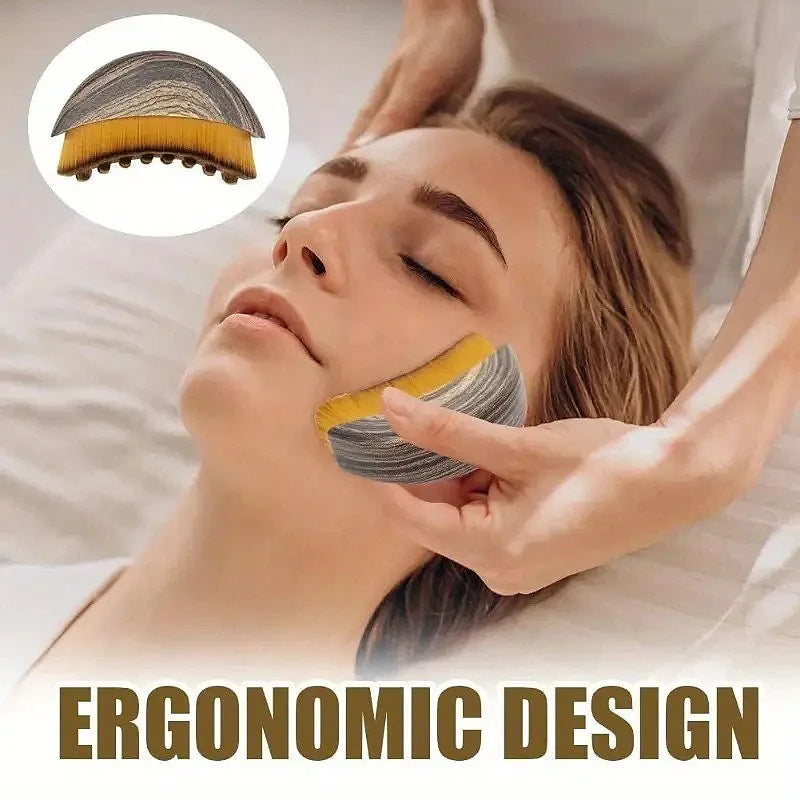
Start with clean skin and use light pressure. Glide the tool in comfortable outward and upward motions, following the contours of the face rather than repeatedly dragging or pressing hard against one area.
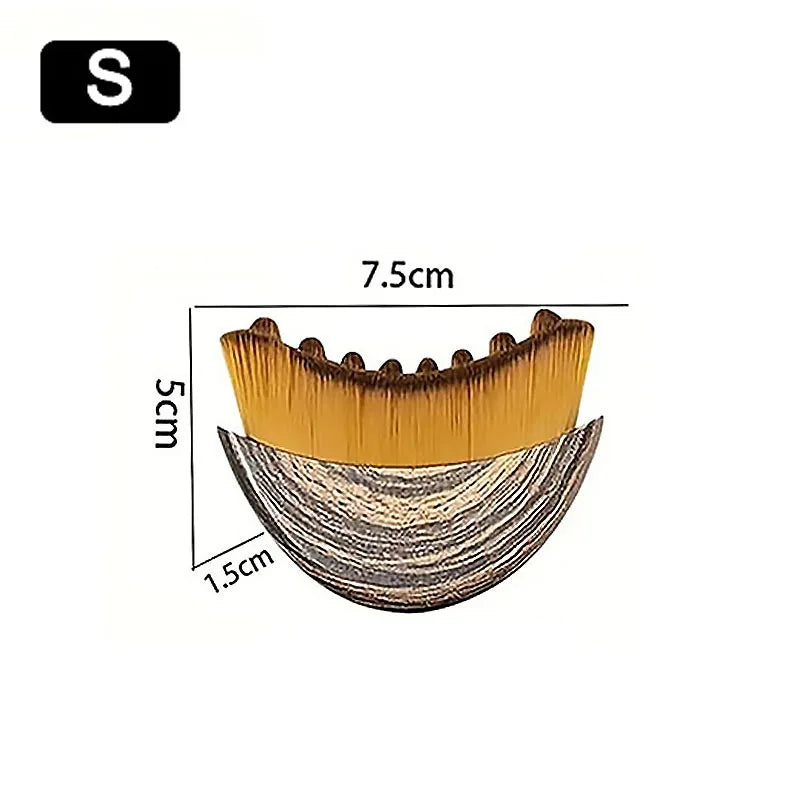
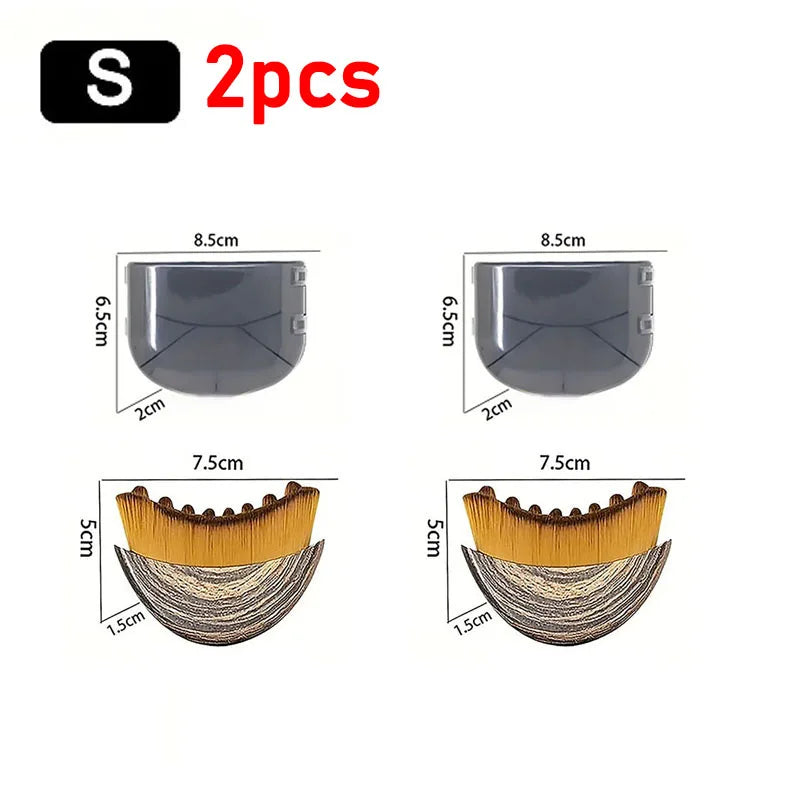
A manual option such as the Lymphatic Face Brush is designed for this type of gentle facial massage. Its contoured shape is intended to help work across areas such as the cheeks and jawline, while its rubber construction and non-electric design keep the routine simple.
Keep sessions short and monitor skin response
There is no need to spend a long time brushing the same area. Begin with short sessions and pay attention to how your skin responds. Mild temporary redness can occur from physical stimulation, but discomfort, burning, or persistent irritation is a reason to stop.
How often should you use a lymphatic face brush?
A gentle manual facial massage tool can be incorporated regularly when your skin tolerates it. The product described in this guide is designed for regular facial massage when used with gentle pressure. However, frequency should be adjusted according to your skin's sensitivity and whether the brush is also providing exfoliation.
If your skin becomes dry, irritated, or unusually sensitive, reduce frequency or stop until the irritation settles.
When to stop or avoid facial brushing
Avoid brushing over cuts, abrasions, active irritation, or visibly inflamed areas. Do not use aggressive pressure over painful swelling or an area that has not been medically evaluated.
If you have unexplained swelling or a diagnosed lymphatic condition, ask a qualified clinician whether facial massage is appropriate before relying on a consumer tool.
Who Should Avoid or Be Cautious With Lymphatic Face Brushing?
Irritated, damaged, or inflamed skin
Mechanical friction can aggravate already-irritated skin. If your skin barrier is compromised, has open areas, or is actively inflamed, facial brushing may make symptoms worse.
Unexplained or persistent swelling
A brush should not be used to mask an unexplained medical problem. Persistent facial swelling can have many possible causes, so the appropriate response depends on why the swelling is occurring.
Lymphedema and other medical conditions
People with lymphedema or other diagnosed lymphatic conditions should not assume that a cosmetic brush provides the same benefits as prescribed or professionally delivered lymphatic care.
When to consult a dermatologist or qualified clinician
Consider professional evaluation when swelling is persistent, recurrent without an obvious explanation, painful, severe, or accompanied by other concerning symptoms. A clinician can help distinguish a cosmetic concern from a condition requiring treatment.
How to Choose a Facial Lymphatic Brush
If your main goal is gentle massage or exfoliation, evaluate the tool based on practical characteristics rather than impressive-sounding detox claims.
Softness and facial-skin compatibility
Choose a tool that feels comfortable against your skin. A softer contact surface is generally preferable when the purpose is gentle facial massage rather than intensive exfoliation.
Brush design and pressure control
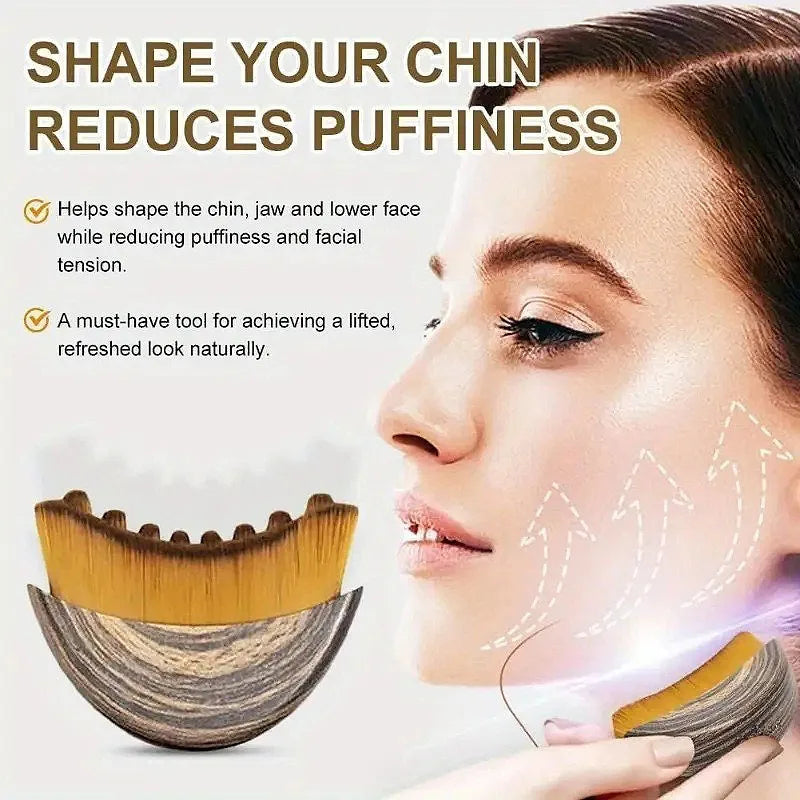
A contoured or ergonomic design can make it easier to guide the tool across the cheeks, jawline, and other facial areas. Good pressure control is especially important because excessive force does not make a cosmetic brush more medically effective.
Cleaning and hygiene
Any reusable facial tool should be kept clean according to its material and care instructions. Do not share a facial massage tool without appropriate cleaning, and avoid storing it while wet or dirty.
Choose based on exfoliation and massage needs, not detox promises
The best buying question is not “Which brush removes the most toxins?” Instead, ask whether the tool suits your skin, provides comfortable massage, is easy to control, and fits naturally into your routine.
For a manual, non-electric option, you can explore this contoured facial massage brush as one example of a simple tool designed for gentle massage and exfoliation. It requires no batteries or cords and is intended to be travel-friendly.
Lymphatic Brush Effectiveness: What Results Should You Expect?
When deciding whether a lymphatic face brush is worth using, separate realistic cosmetic outcomes from claims that require substantially more evidence.
Potential short-term cosmetic benefits
- Gentle facial massage and a relaxing skincare ritual
- Smoother-feeling skin when the tool provides mild exfoliation
- A temporarily refreshed or less puffy-looking appearance
- Convenient massage without batteries or electrical settings
- Easy targeting of facial areas such as the cheeks and jawline
Benefits that require more evidence
- Clinically meaningful improvement in lymphatic drainage from routine cosmetic brushing
- Long-lasting reduction in facial swelling
- Permanent facial contouring
- Treatment of an underlying lymphatic disorder
Claims you should treat skeptically
- “Detoxes” the face by removing toxins through brushing
- Replaces professional manual lymphatic drainage
- Treats lymphedema without professional care
- Provides permanent fat loss or permanent facial sculpting
- Guarantees elimination of facial swelling regardless of its cause
Lymphatic Face Brush vs. Gua Sha vs. Facial Roller
Different manual facial tools can overlap in their basic purpose: they provide physical contact, massage, and a skincare ritual. The most useful way to compare them is by design and intended use rather than assuming one tool has a uniquely powerful lymphatic effect.
| Tool | Typical use | Main consideration |
| Lymphatic face brush | Gentle massage and possible surface exfoliation | Softness and pressure control |
| Gua sha | Manual facial massage and sculpting-style routines | Technique and pressure |
| Facial roller | Gentle rolling massage | Comfort and ease of movement |
| Electric facial massager | Powered massage or vibration depending on the device | Settings, intensity, and skin tolerance |
There is no need to choose a tool because it promises superior “detoxification.” Instead, consider which format makes it easiest for you to perform a comfortable, consistent skincare routine.
For readers comparing beauty-device categories, the Skin and Beauty Care Devices collection provides a broader look at skincare-oriented tools.
The Bottom Line: Do Lymphatic Brushes Work?
Yes, lymphatic face brushes can have a useful place in a skincare routine—but their realistic benefits are primarily cosmetic and massage-related, not proven medical lymphatic treatment.
A gentle brush may help your face look temporarily refreshed, provide a relaxing massage, and offer mild exfoliation depending on its construction. What it should not be expected to do is permanently reshape the face, remove “toxins,” cure unexplained swelling, or replace professional manual lymphatic drainage.
If you decide to use one, prioritize gentle pressure, comfortable technique, appropriate frequency, and good hygiene. Judge the tool by what it actually provides: a convenient and soothing facial massage experience that can complement your skincare routine.
If you want to add a simple manual tool to that routine, consider a lymphatic face brush for gentle facial massage rather than choosing a product based on unsupported medical or detox promises.
Pillar Article: Face Brush for Lymphatic Drainage: How to Choose the Right Tool













