Share
Do Silicone Face Scrubbers Work? What Science Says About Their Effectiveness
Quick Answer: Do Silicone Face Scrubbers Work?
Yes. Silicone face scrubbers work by using flexible silicone bristles to loosen oil, sunscreen, makeup residue, sweat, and dead skin cells while cleansing. They provide gentle physical exfoliation and can leave skin feeling smoother and cleaner when used correctly.
However, they are not miracle skincare tools. They cannot shrink pores permanently, cure acne, erase wrinkles, or replace ingredients like salicylic acid, glycolic acid, or retinoids.
The Results You Can Realistically Expect
- Better removal of sunscreen and excess oil
- Smoother skin texture
- Gentle exfoliation
- Reduced buildup around pores
- Less irritation than many traditional cleansing brushes
What They Cannot Do
- Permanently reduce pore size
- Treat moderate or severe acne
- Replace chemical exfoliation
- Reverse skin aging
For deeper concerns like acne, pigmentation, or texture issues, dermatologist-approved actives such as AHAs, BHAs, and retinoids remain more effective long-term solutions.
What Is a Silicone Face Scrubber?
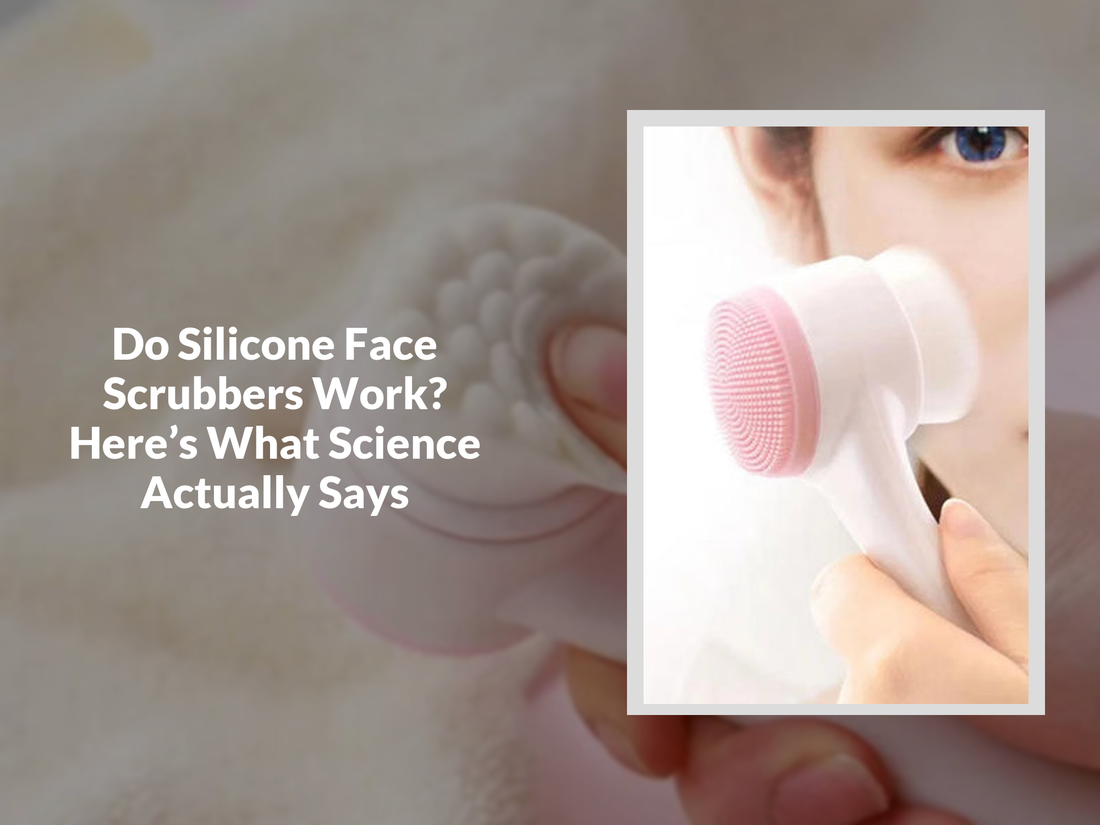
A silicone face scrubber is a skincare cleansing tool made from medical-grade or cosmetic-grade silicone. It features soft, flexible bristles designed to gently exfoliate the skin while helping facial cleansers remove dirt, oil, and makeup more effectively.
What Makes Silicone Different From Traditional Brushes
- Non-porous material: Silicone resists bacteria buildup better than nylon bristles.
- Softer contact with skin: Flexible bristles reduce irritation and over-exfoliation.
- Easier to clean: Rinses quickly and dries fast.
- Gentle daily exfoliation: Suitable for frequent use when used correctly.
How Silicone Face Scrubbers Work
How Silicone Bristles Lift Oil, Sunscreen, and Dirt
Unlike rough scrubs that rely on abrasive particles, silicone scrubbers use soft, flexible projections that glide across the skin. These bristles help dislodge oil, sweat, sunscreen, makeup residue, and surface debris while your cleanser dissolves impurities.
Gentle Physical Exfoliation Explained
The exfoliation is mild. Rather than aggressively removing multiple layers of skin, silicone primarily loosens dead surface cells that are already ready to shed, making it appropriate for many people with normal or sensitive skin.
This type of mechanical exfoliation supports a cleaner skin surface without disrupting the skin barrier when used with light pressure.
Why Silicone Is More Hygienic Than Nylon Brushes
Medical-grade silicone is nonporous, making it easier to rinse clean and less likely to retain moisture, product residue, or bacteria compared with traditional bristle brushes.
Are Silicone Face Scrubbers Effective? What Evidence Suggests
Cleansing Effectiveness
Silicone scrubbers can improve cleansing by increasing contact between cleanser and skin while helping remove surface debris. They work best as a cleansing aid rather than an intensive exfoliating treatment.
Exfoliation Effectiveness
The exfoliation is gentle and mechanical. It can improve skin smoothness but is generally less powerful than chemical exfoliants such as AHAs or BHAs.
Skin Barrier Considerations
Because silicone is soft and flexible, many users experience less friction than with rough washcloths or stiff cleansing brushes. Gentle pressure remains important to avoid unnecessary irritation.
What Dermatologists Generally Recommend
Dermatologists typically recommend keeping expectations realistic. Silicone scrubbers may complement a skincare routine, but ingredients such as sunscreen, retinoids, and chemical exfoliants remain the primary evidence-based treatments for long-term skin concerns.
Silicone Face Scrubber Benefits
Facial Silicone Scrubber Benefits
- Supports more thorough cleansing
- Provides gentle physical exfoliation
- May improve skin smoothness
- Easy to clean after use
- Generally gentler than harsh facial scrubs
Skin Types That Benefit Most
Normal, combination, oily, and mildly sensitive skin types often benefit most. People who regularly wear sunscreen or makeup may also notice improved cleansing results.
Benefits You Should Not Expect
Silicone scrubbers do not permanently shrink pores, eliminate acne, stimulate collagen production, or replace prescription skincare treatments.
Are Silicone Face Scrubbers Safe?
Sensitive Skin
Most people with sensitive skin tolerate silicone better than stiff cleansing brushes when gentle pressure is used.
Acne-Prone Skin
A silicone scrubber can assist cleansing but should not be used aggressively over inflamed or active breakouts.
Rosacea and Compromised Skin Barrier
If your skin is inflamed, sunburned, peeling, or experiencing a rosacea flare, avoid mechanical exfoliation until the barrier has recovered.
Common Safety Mistakes
- Using excessive pressure
- Overusing the tool daily without need
- Failing to clean it after use
- Pairing with harsh exfoliating cleansers
When Silicone Exfoliators Do NOT Work Well
Conditions Better Treated With Chemical Exfoliation
Concerns such as persistent acne, clogged pores, melasma, and significant rough texture often respond better to evidence-based active ingredients than mechanical exfoliation alone.
Situations Where You Should Skip Silicone Scrubbers
- Sunburn
- Broken or irritated skin
- Active eczema flare
- Rosacea flare-up
- Immediately after cosmetic procedures
When to See a Dermatologist
If irritation, acne, or persistent redness continues despite proper skincare, consult a dermatologist for targeted treatment options.
Silicone Scrubbers vs Other Cleansing Methods
Silicone vs Hands Only
Hands are sufficient for daily cleansing, while silicone adds mild mechanical exfoliation.
Silicone vs Washcloth
Washcloths create more friction and require frequent washing, while silicone is easier to sanitize.
Silicone vs Facial Cleansing Brush
Silicone is generally gentler, easier to clean, and less likely to trap residue compared to nylon-bristle brushes.
Silicone vs Physical Face Scrubs
Silicone provides controlled mechanical exfoliation without abrasive particles that may cause micro-irritation.
Silicone vs Chemical Exfoliants
Chemical exfoliants improve cell turnover through active ingredients and remain more effective for acne, pigmentation, and texture concerns.
How to Use a Silicone Face Scrubber Correctly
Step-by-Step Guide
- Wet your face with lukewarm water.
- Apply a gentle cleanser.
- Massage gently for 30–60 seconds.
- Avoid excessive pressure.
- Rinse thoroughly.
- Clean the scrubber after every use.
How Often Should You Use One?
Most people benefit from using a silicone scrubber two to four times per week. Oily skin types may tolerate more frequent use, while sensitive skin types may prefer less frequent cleansing.
Best Cleansers to Pair With Silicone
Gentle gel, cream, or foaming cleansers work best. Avoid combining with strong exfoliating cleansers to prevent over-exfoliation.
Internal guide: Chemical vs Physical Exfoliation
Cleaning and Storage
Wash with warm water and mild soap after each use, then allow it to air dry completely in a clean, ventilated space.
When Should You Replace It?
Replace the scrubber if it tears, deforms, or can no longer be cleaned thoroughly.
Common Myths About Silicone Face Scrubbers
Do They Shrink Pores?
No. They may temporarily make pores appear cleaner, but they cannot permanently reduce pore size.
Can They Cure Acne?
No. They may support cleansing but do not treat acne as a standalone solution.
Do They Replace Chemical Exfoliation?
No. Chemical exfoliants remain more effective for deeper skin concerns.
Do They Boost Skincare Absorption?
Cleaner skin may allow products to apply more evenly, but silicone scrubbers do not significantly increase absorption of active ingredients.
Real Results After 2–4 Weeks
With consistent use, many people notice improvements in skin texture and overall cleanliness.
- Smoother skin surface
- Less buildup of oil and sunscreen residue
- Improved cleansing efficiency
- Cleaner-feeling skin after washing
Results depend heavily on skin type and overall skincare routine, especially hydration, sun protection, and use of active ingredients when needed.
Buying Guide: Choosing the Right Silicone Face Scrubber
Features That Actually Matter
- Soft medical-grade silicone
- Comfortable grip and control
- Flexible bristle design
- Easy cleaning and quick drying
- Durable construction
Manual vs Vibrating Silicone Cleansers
Manual scrubbers are sufficient for most users. Vibrating models may enhance the cleansing experience but do not fundamentally change exfoliation depth.
Who Doesn't Need an Expensive Device
A simple manual silicone scrubber is usually enough for users who only want gentle cleansing and mild exfoliation without additional features.
Frequently Asked Questions
Do silicone face scrubbers work?
Yes. They help improve cleansing and provide gentle exfoliation, but they are not a replacement for active skincare ingredients.
Are silicone face scrubbers effective?
They are effective for surface-level cleansing and improving skin smoothness when used consistently.
Are silicone face scrubbers safe?
Generally yes, when used gently and kept clean.
Do silicone exfoliators work better than washcloths?
They usually create less friction and are easier to sanitize.
Can silicone scrubbers help acne?
They may support cleansing but are not an acne treatment.
Can I use one every day?
Some people can, but frequency depends on skin sensitivity.
Do silicone scrubbers replace chemical exfoliation?
No. Chemical exfoliants remain more effective for many skin concerns.
How long does a silicone scrubber last?
With proper care, many last several months or longer before needing replacement.
Do silicone face scrubbers work?
Yes. They improve cleansing and provide gentle physical exfoliation but are not a substitute for evidence-based skincare ingredients.
Are silicone face scrubbers effective?
They are effective for mild exfoliation and cleansing when used consistently with a gentle cleanser.
Are silicone face scrubbers safe?
Generally yes, provided they are used gently and cleaned properly after each use.
Do silicone exfoliators work better than washcloths?
They typically create less friction and are easier to keep hygienic.
Can silicone scrubbers help acne?
They may support cleansing but should not be considered an acne treatment.
Can I use one every day?
Some users can tolerate daily use, but frequency should be adjusted based on skin sensitivity.
Do silicone scrubbers replace chemical exfoliation?
No. Chemical exfoliants remain more effective for deeper skin concerns.
How long does a silicone scrubber last?
With proper care, most silicone scrubbers last several months or longer before replacement is needed.
Pillar Article: How to Use a Facial Cleanser Brush for Perfect Skin in 3 Minutes
Other Related Articles:
- How to Clean Silicone Face Scrubber the Right Way (No Bacteria Left!)
- Facial Wash Brush Guide: Get a Deeper Clean Without Over-Exfoliating
- How to Clean Face Brush Without Damaging the Bristles
Explore More: