
⏱ 7 min read
How to Clean Silicone Face Scrubber the Right Way (No Bacteria Left!)
Wondering how to clean silicone face scrubber tools so they stay hygienic and bacteria-free? Proper cleaning helps remove oil, cleanser residue, makeup buildup, and dead skin cells that can accumulate over time. Whether you use a silicone cleansing brush daily or rely on a silicone face scrubber for sensitive skin , a simple maintenance routine helps protect your skin and preserve the full benefits of silicone face scrubber tools.
How to Clean a Silicone Face Scrubber
Cleaning a silicone face scrubber takes only a few minutes and helps maintain a cleaner, more effective skincare routine. Because silicone is non-porous, it is generally easier to clean than traditional bristle brushes, but regular maintenance is still important.
Quick Steps to Clean a Silicone Face Scrubber
- Rinse the silicone scrubber with warm water after each use.
- Apply a small amount of gentle soap or facial cleanser.
- Rub the silicone bristles with your fingers to remove residue.
- Rinse thoroughly to remove all soap.
- Shake off excess water and allow the scrubber to air dry.
For deeper hygiene, perform a weekly deep-cleaning routine and sanitize periodically to help reduce bacteria and residue buildup.
Cleaning Supplies You'll Need
Before you clean a silicone face scrubber, gather a few basic supplies. Using the right materials helps remove oil, cleanser residue, makeup, and bacteria without damaging the silicone surface.
- Warm water
- Gentle hand soap or facial cleanser
- Soft microfiber cloth
- Small bowl for soaking
- 70% isopropyl alcohol wipes (optional)
- Clean towel for drying
Most silicone facial cleansing brushes do not require harsh chemicals. In many cases, mild soap and warm water are sufficient for routine cleaning.
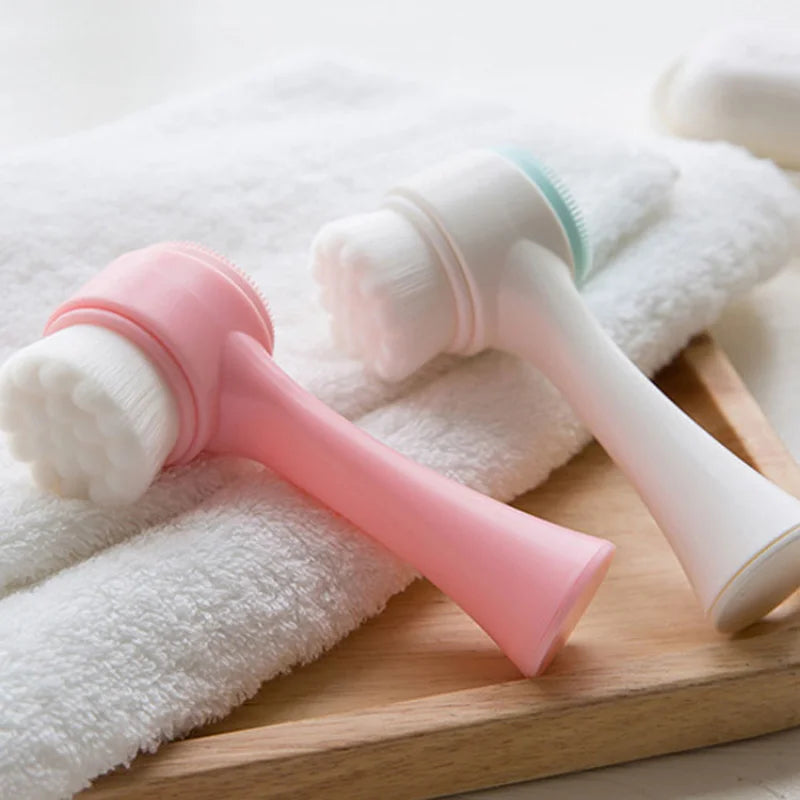
Keep your KentDO silicone scrubber spotless for lasting glow. Discover more in Skin & Beauty Care Devices .
Why Cleaning Your Silicone Scrubber Matters
Although silicone is naturally more resistant to bacterial buildup than traditional bristle brushes, it is not completely self-cleaning. Oils, dead skin cells, makeup residue, and cleanser deposits can still accumulate on the surface over time.
Why Silicone Requires Different Care Than Bristle Brushes
Unlike nylon bristles, silicone does not absorb water easily and dries faster. This makes silicone face scrubbers less likely to harbor bacteria, but regular cleaning is still necessary to maintain hygiene and performance. Learn more about the benefits of silicone face scrubber technology.
What Happens When You Don't Clean a Silicone Face Scrubber
- Residue buildup can reduce cleansing effectiveness.
- Trapped oils may contribute to breakouts.
- Persistent moisture can encourage mold growth in storage areas.
- Odors may develop from accumulated debris.
- The scrubber may become sticky or discolored.
Step-by-Step: How to Clean Silicone Face Scrubber Safely
Different situations call for different cleaning methods. Daily washing removes surface residue, while sanitizing and disinfecting help maintain long-term hygiene.
Method 1: Daily Soap Cleaning
- Rinse the silicone scrubber under warm running water.
- Apply a small amount of gentle soap or facial cleanser.
- Rub the silicone bristles with your fingers for 30–60 seconds.
- Pay attention to grooves and textured areas.
- Rinse thoroughly until no soap remains.
- Shake off excess water and allow the scrubber to air dry.
For best results, pair this routine with a consistent cleansing regimen described in our facial cleanser brush guide .
Method 2: Weekly Deep Cleaning for Residue and Oil Buildup
- Fill a bowl with warm water and mild soap.
- Soak the scrubber for 5–10 minutes.
- Massage the silicone surface to loosen residue.
- Rinse thoroughly with clean water.
- Inspect for remaining buildup and repeat if necessary.
Method 3: How to Sanitize Silicone Face Scrubber Properly
- Clean the scrubber first using soap and water.
- Wipe the silicone surface with 70% isopropyl alcohol or use a disinfecting wipe approved for personal care tools.
- Allow the sanitizer to remain on the surface according to product directions.
- Air dry completely before storage.
Method 4: How to Disinfect Silicone Face Scrubber After Illness or Breakouts
If you recently experienced a skin infection, cold, flu, or severe breakout, disinfect the scrubber immediately after use.
- Wash thoroughly with soap and warm water.
- Sanitize using alcohol wipes or another manufacturer-approved disinfecting method.
- Allow the scrubber to dry completely.
- Replace the tool if discoloration, cracking, or persistent odor develops.
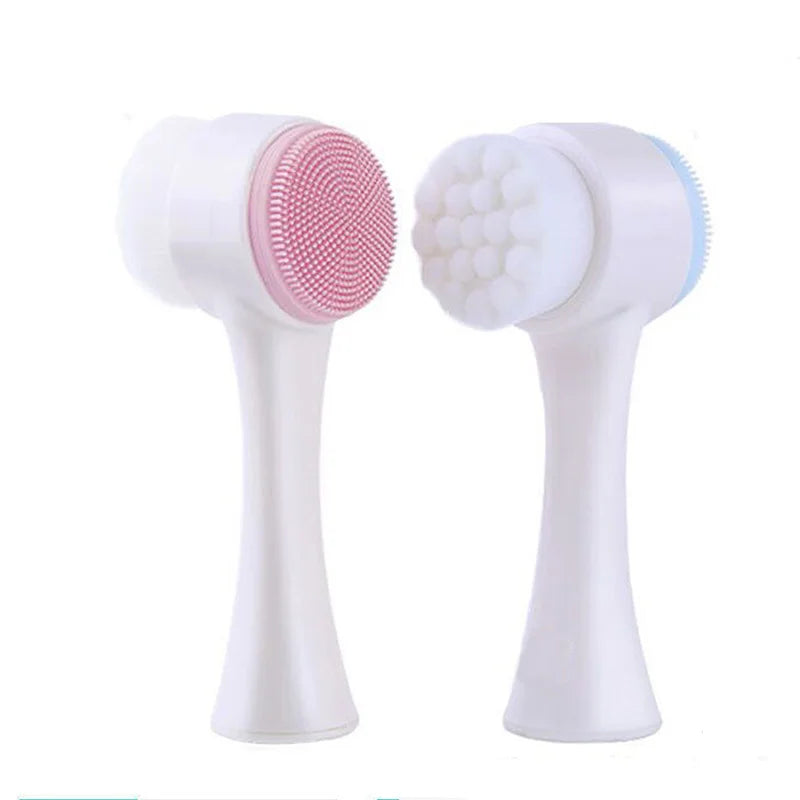
Clean regularly to enjoy the full benefits of silicone face scrubber and a glowing complexion.
What to Use to Clean a Silicone Face Scrubber
Gentle Soap or Facial Cleanser
A mild soap is the safest option for everyday cleaning and effectively removes oil and skincare residue.
Brush Cleaner
Dedicated brush cleansers can help dissolve makeup and sunscreen buildup on silicone cleansing tools.
Alcohol or Disinfecting Wipes
Alcohol wipes are useful when you need additional sanitization. Always clean visible residue first before disinfecting.
Boiling Water Method
If the manufacturer specifically allows it, briefly placing the silicone scrubber in boiling water may help sanitize the surface. Always follow product instructions because not every silicone cleansing brush is designed for high temperatures.
Cleaning Products to Avoid
- Bleach solutions
- Strong household cleaners
- Abrasive scrubbing powders
- Metal brushes or rough scrub pads
- Highly concentrated solvents
How Often You Should Clean a Silicone Face Scrubber
After Every Use
Rinse and wash your silicone face scrubber after each cleansing session to remove oils, cleanser residue, and dead skin cells.
Weekly Deep Cleaning
Perform a more thorough cleaning once per week to remove buildup that daily rinsing may miss.
Monthly Sanitization Schedule
Sanitize the scrubber at least once a month, or more frequently if you have acne-prone skin or store the tool in a humid environment.
When to Replace Your Silicone Brush
Replace your silicone face scrubber if it develops cracks, permanent discoloration, persistent odors, or signs of material degradation. You may also find it helpful to review guidance on when cleansing brushes should be replaced .
How to Dry and Store Your Silicone Face Scrubber
Proper Drying Methods
After washing, shake off excess water and place the scrubber in a well-ventilated area. Allow it to air dry completely before storage.
Best Storage Practices
- Store in a clean, dry location.
- Avoid sealed containers while the scrubber is damp.
- Keep away from standing water.
- Use a breathable holder or tray when possible.
How to Prevent Mold and Mildew Growth
The best defense against mold is complete drying. Regular cleaning, proper airflow, and avoiding humid storage conditions significantly reduce the risk of microbial growth. Consider applying the same principles used for storing other bathroom skincare tools.
Common Mistakes That Cause Bacteria Buildup
Storing a Wet Scrubber in Closed Spaces
Moisture trapped inside containers can create favorable conditions for microbial growth.
Using Harsh Cleaning Chemicals
Strong chemicals may damage silicone and shorten the life of the scrubber.
Skipping Weekly Sanitization
Even when daily washing is performed, periodic sanitization helps reduce accumulated microorganisms and residue.
Troubleshooting Silicone Face Scrubber Problems
How to Remove Odor from a Silicone Face Scrubber
Wash thoroughly with warm water and mild soap, then allow the scrubber to dry completely in a ventilated area.
How to Remove Makeup and Cleanser Residue
Use a weekly soaking method combined with gentle rubbing to loosen stubborn deposits.
What to Do if the Scrubber Becomes Sticky or Discolored
Persistent stickiness or discoloration may indicate aging material or residue accumulation. Deep clean first, then replace the scrubber if the problem remains.
Silicone Face Scrubber for Sensitive Skin: Hygiene Tips
If you’re using a silicone face scrubber for sensitive skin , proper hygiene is especially important. Residue from cleansers, oils, or skincare products can increase the likelihood of irritation if the tool is not cleaned regularly.
- Use fragrance-free soap when washing the scrubber.
- Avoid strong chemical cleaners that may leave residue.
- Rinse thoroughly after sanitizing.
- Allow the tool to dry completely before storage.
The KentDO 3D Silicone Facial Cleansing Brush is designed with soft-touch silicone bristles that gently cleanse while remaining easy to sanitize.
How Clean Tools Enhance the Benefits of Silicone Face Scrubber
Better Cleansing Performance
A clean silicone scrubber maintains effective contact with the skin and removes debris more efficiently. Residue-free silicone textures also help distribute cleansers more evenly during use.
Reduced Risk of Skin Irritation
Removing accumulated residue helps minimize unnecessary exposure to contaminants that may contribute to irritation or breakouts. If you have reactive skin, our guide on sensitive skin exfoliation provides additional care tips.

See it in action—experience effortless using silicone scrubber on face with the KentDO 3D Silicone Facial Cleansing Brush .
Frequently Asked Questions
How often should I clean my silicone face scrubber?
Clean it after every use with mild soap and water. Perform a deeper cleaning or sanitizing routine once per week to remove hidden bacteria.
Can I use alcohol wipes instead of boiling?
Yes. Alcohol wipes can disinfect the surface quickly and are useful when traveling, though boiling water provides a deeper sanitizing method when approved by the manufacturer.
Is a silicone scrubber safe for daily use?
Yes. Silicone scrubbers are gentle and suitable for everyday cleansing when they are kept clean and properly dried after each use. Learn more about safe usage in our guide to silicone face scrubbers .
Does cleaning affect the lifespan of my scrubber?
No. Proper cleaning actually helps extend the lifespan of the silicone by preventing residue buildup and maintaining its texture.
Can I store it in the shower?
You can store it in the shower, but it should be placed in a well-ventilated area where it can dry completely between uses.
Can I Put a Silicone Face Scrubber in Boiling Water?
Only if the manufacturer specifically states that the scrubber is heat-safe. Some silicone tools tolerate boiling water, while others may be damaged by excessive heat.
How Do I Sanitize Silicone Face Scrubber Properly?
First clean away visible residue using soap and water. Then use an approved sanitizing method such as alcohol wipes and allow the tool to dry completely.
Can Mold Grow on Silicone Face Brushes?
Mold is less likely to grow on silicone than on porous materials, but it can develop when moisture is trapped in humid storage conditions. Proper drying and regular cleaning are essential.
Pillar Article: How to Use a Facial Cleanser Brush for Perfect Skin in 3 Minutes
Other Related Articles:
- Do Silicone Face Scrubbers Work? Here’s What Science Actually Says
- Facial Wash Brush Guide: Get a Deeper Clean Without Over-Exfoliating
- How to Clean Face Brush Without Damaging the Bristles
Explore More:













