

EMS Body Sculpting Machine: Professional Buyer’s Guide
An EMS body sculpting machine can be a useful addition to a professional body-contouring menu when clients want targeted muscle stimulation but have limited time for conventional training. For clinics, med spas, aesthetic practices, wellness businesses, and other professional buyers, however, choosing the right system involves more than comparing advertised power or technology names. The important questions are how the stimulation system works, which areas it can address, how treatment parameters are controlled, what applicators are included, what safety documentation is available, and what support you receive after purchase.
Terminology also matters. EMS, electrical muscle stimulation, electromagnetic muscle stimulation, and HIEMT may describe different technologies or may be used inconsistently across the aesthetic-equipment market. A careful buyer should therefore evaluate the actual operating technology and documentation rather than assuming that two machines with similar marketing language perform identically.
What Is an EMS Body Sculpting Machine?
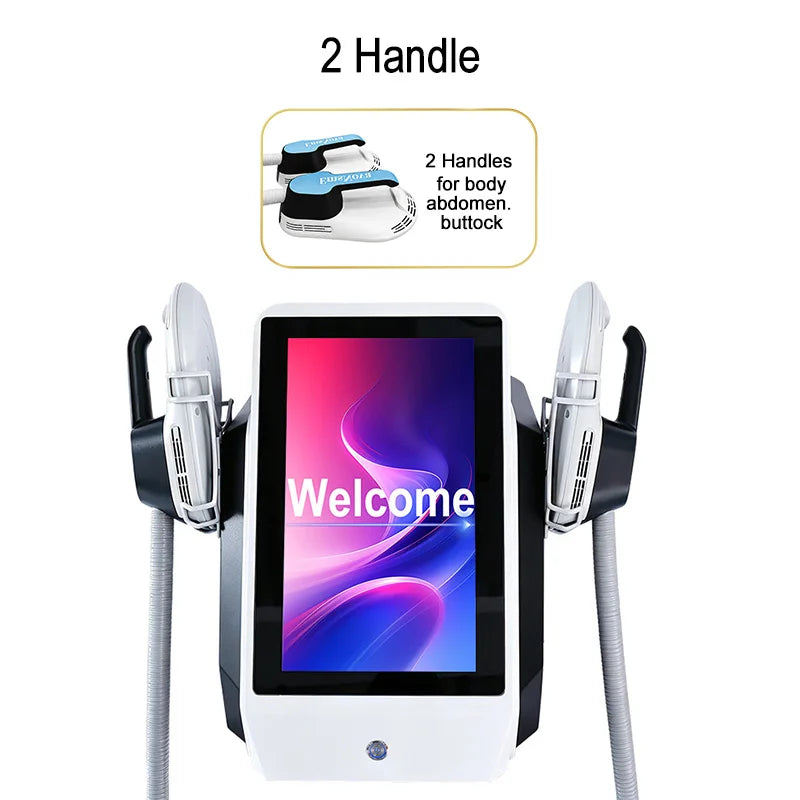
An EMS body sculpting machine is professional equipment designed to stimulate muscles through controlled energy delivery, producing involuntary muscle contractions. Depending on the system, stimulation may be delivered electrically through electrodes or through electromagnetic energy using external applicators. In aesthetic settings, these systems are generally positioned as non-invasive tools for muscle stimulation and body-contouring programs rather than replacements for exercise, nutrition, or medical treatment.
How EMS Muscle Stimulation Works
Traditional exercise relies on the nervous system to activate muscles voluntarily. Electrical muscle stimulation instead applies controlled stimulation that can trigger muscle contractions without the user intentionally performing the movement. The practical objective depends on the device and treatment protocol, but professional applications commonly focus on targeted muscle activation and muscle-toning routines.
For a professional buyer, the important issue is not simply whether a machine can create a strong contraction. The system should also provide usable controls, appropriate applicators, repeatable settings, and manufacturer instructions that allow operators to deliver treatments consistently.
EMS vs HIEMT: Why the Terms Matter
EMS commonly refers to electrical muscle stimulation, while HIEMT is commonly used in aesthetic equipment marketing to describe high-intensity electromagnetic muscle stimulation. These technologies should not automatically be treated as interchangeable. Their energy-delivery mechanisms, applicator designs, operating parameters, and treatment protocols can differ.
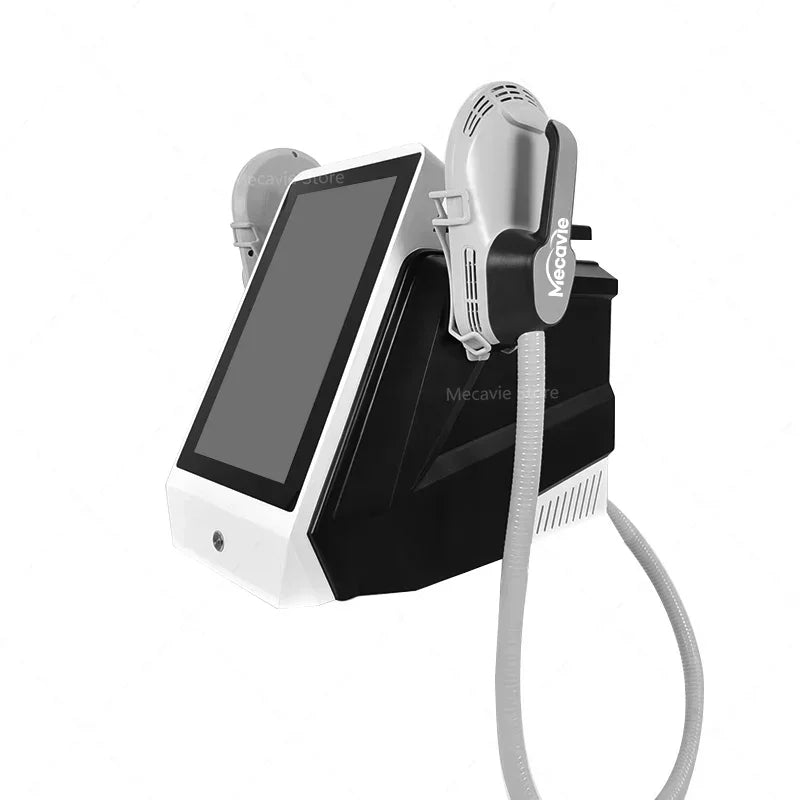
Some professional machines, including the Emsnova system, are marketed as combining HIEMT, EMS, and RF. When evaluating such equipment, ask the supplier for the technical description of each modality and determine exactly how the technologies operate within the machine rather than relying on terminology alone.
EMS for Muscle Stimulation vs Body Contouring
Muscle stimulation and body contouring are related but distinct objectives. Muscle stimulation focuses on producing controlled contractions and supporting muscle-toning programs. Body contouring is a broader category that can involve changes in body appearance, muscle definition, or tissue characteristics depending on the technology used.
This distinction is particularly important when evaluating claims about stubborn belly fat areas or resistant areas despite exercise. An EMS or HIEMT machine should not automatically be described as a general weight-loss solution. Professional buyers should match the technology to the specific treatment objective they intend to offer.
Businesses building a broader device offering can also explore Body Care and Health Devices when evaluating complementary equipment categories.
What Can an EMS Body Sculpting Machine Be Used For?
Treatment-area compatibility depends on the machine's applicators, manufacturer instructions, intended use, and operator training. The Emsnova EMS Body Sculpting Machine is described as targeting the abdomen, buttocks, arms, and legs, giving professional users several common body-contouring applications to consider.
Abdominal Muscle Treatments
Abdominal muscle stimulation is one of the most common applications associated with professional EMS and HIEMT body-contouring equipment. Applicators are positioned over the intended abdominal treatment area according to the manufacturer's protocol, allowing controlled stimulation of the underlying muscles.
For buyers specifically interested in abdominal muscle stimulation, look beyond a machine's maximum output specification. Applicator positioning, treatment controls, protocol guidance, and operator training are equally important because consistent placement and appropriate intensity are central to a professional treatment workflow.
Gluteal Muscle Treatments
Glute-focused treatments are another common application for muscle-stimulation equipment. The intended objective is generally targeted activation of the gluteal muscles rather than simply applying energy to the treatment area.
Applicator shape and attachment design can make a meaningful difference to workflow. Before purchasing, confirm that the included configuration is appropriate for the treatment menu you intend to offer and that the supplier provides clear placement and operating instructions.
Arms, Thighs, and Other Treatment Areas
Arms and legs may also be included in a machine's intended treatment areas. However, buyers should never assume that every body area can be treated simply because an applicator physically fits there. Always follow the manufacturer's approved applications, warnings, contraindications, and treatment protocols.
Key Specifications to Compare Before Buying
Specifications are most useful when translated into practical purchasing decisions. A large headline number does not necessarily make one professional EMS machine more suitable than another. Instead, evaluate the complete system.
Technology and Stimulation Type
Start by identifying whether the machine uses electrical stimulation, electromagnetic stimulation, HIEMT, RF, or a combination. The Emsnova system is specified as HIEMT + RF + EMS. This combined configuration is relevant for buyers who want both muscle-stimulation functionality and RF technology within one professional platform.
Because technology labels can vary among suppliers, request technical documentation explaining how each modality is delivered, what each mode is designed to accomplish, and whether the modes operate independently or as part of a combined protocol.
Applicator Count, Size, and Configuration
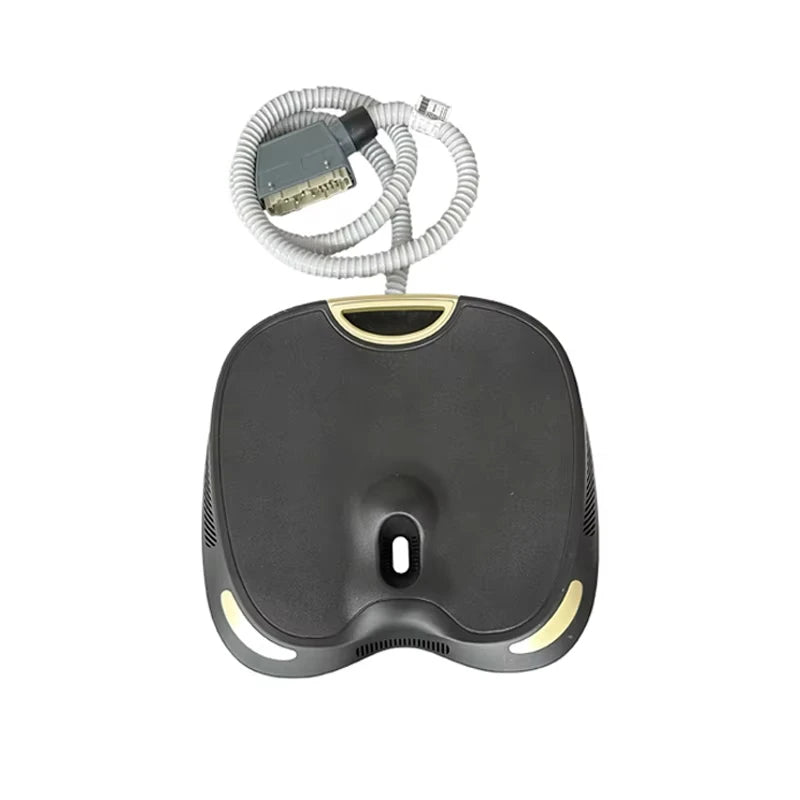
Applicator configuration directly affects workflow. More flexible configurations can make it easier to design treatment protocols around different body areas, while multiple applicators may support more efficient treatment setup depending on the machine's design.
Emsnova specifies two or more handle options. Buyers should confirm the exact configuration included with their selected machine, including applicator dimensions, attachment method, intended treatment areas, and whether additional applicators are available.
Intensity, Frequency, and Treatment Controls
Professional operators generally need control rather than a single fixed treatment setting. The Emsnova system offers manual and automatic operation, allowing users to select automated programs or customize settings according to the operating protocol.
When comparing machines, ask whether treatment parameters can be adjusted, whether settings can be reproduced consistently, and whether the user manual explains the relationship between available controls and the intended treatment protocols.
Cooling, Comfort, and Session Controls
Comfort and thermal management can affect the practical treatment experience, particularly for equipment combining multiple technologies. Do not assume that a machine includes a particular cooling system unless the manufacturer documentation confirms it.
Also evaluate how operators start, pause, adjust, and end treatments. Clear controls can reduce unnecessary workflow complexity and make staff onboarding easier.
Power, Dimensions, and Operating Requirements
Power requirements should be reviewed before purchase, particularly for professional installations. The Emsnova machine is specified at 6500W with an AC power supply. Buyers should verify the exact electrical requirements for their chosen configuration and have the installation reviewed appropriately before putting professional equipment into service.
The physical footprint also matters. Measure the intended treatment room, allow sufficient operator access around the equipment, and consider how applicators, cables, accessories, and client positioning will fit into the workflow.
How to Choose the Right EMS Body Sculpting Machine
Match the Machine to Your Treatment Menu
Begin with your actual business requirements. If your practice primarily offers abdominal and gluteal muscle-stimulation treatments, prioritize applicator suitability and protocol flexibility for those areas. If you expect to offer a broader menu covering the arms and legs, confirm that those areas are specifically supported by the manufacturer.
Do not purchase based solely on the phrase “professional EMS.” Define the treatment applications first, then compare machines against those requirements.
Evaluate Applicators and Treatment Workflow
Consider how long it takes to position applicators, adjust settings, clean the equipment, prepare the next client, and complete the treatment documentation. A machine that appears attractive on paper may be less practical if its applicator configuration creates unnecessary workflow friction.
Prioritize Adjustable and Repeatable Parameters
Professional use benefits from consistency. Automatic programs can simplify operation, particularly for standardized treatments, while manual controls may provide experienced operators with greater flexibility. A useful system should make it clear which parameters can be changed and how those settings relate to the manufacturer's protocols.
Consider Total Cost of Ownership
The purchase price is only one component of ownership. Also consider warranty duration, replacement parts, maintenance, staff training, technical support, shipping, installation, consumables if applicable, and potential downtime.
The Emsnova product description specifies a 2-year warranty and 5-year spare-parts service. For a professional buyer, those support terms may be as important as the initial specification sheet because equipment availability directly affects business continuity.
If the machine fits your intended treatment menu, you can review the Emsnova EMS body sculpting machine specifications before requesting pricing or additional technical information.
EMS Body Sculpting Machine Comparison Matrix
A practical comparison should focus on the attributes that affect professional use rather than ranking machines by marketing claims.
- EMS-focused system: Prioritize electrical stimulation controls, electrode or applicator configuration, treatment protocols, and electrical safety documentation.
- HIEMT-focused system: Evaluate electromagnetic stimulation technology, applicator design, intensity controls, operating parameters, and manufacturer protocols.
- HIEMT + RF system: Assess both muscle-stimulation functionality and RF specifications, including how the modalities are operated and what treatment claims are supported by documentation.
- Professional system: Prioritize repeatable controls, durable construction, treatment workflow, training, warranty, service, spare parts, and technical support.
- At-home EMS device: Evaluate consumer-oriented controls, intended use, safety instructions, portability, and whether the device is actually designed for professional workloads.
This comparison also explains why “best EMS body sculpting machine” is not a universal category. The best choice depends on intended treatment areas, technology, operator requirements, client workflow, documentation, and ownership support.
Safety, Certifications, and Professional Compliance
Common Safety Considerations and Contraindications
Muscle-stimulation equipment should be operated according to the manufacturer's instructions, warnings, contraindications, and intended-use documentation. Professional operators should screen clients appropriately and avoid improvising treatment protocols based only on general information about EMS or HIEMT technology.
Buyers should request the complete user manual and safety documentation before purchase. They should also establish a consistent client-screening process and ensure operators understand when a treatment should not be performed or when additional professional assessment is appropriate.
FDA Registration, Clearance, and Marketing Claims
US buyers should be particularly careful with FDA terminology. FDA establishment registration is not the same as FDA clearance or authorization. A supplier's statement that a facility or device is “FDA registered” should not automatically be interpreted as FDA clearance for a particular indication.
Before purchasing, ask for the exact regulatory documentation applicable to the device, its intended use, and the claims being made in US marketing materials. This distinction is especially important for professional practices that advertise specific clinical or aesthetic outcomes.
Electrical Safety Certification
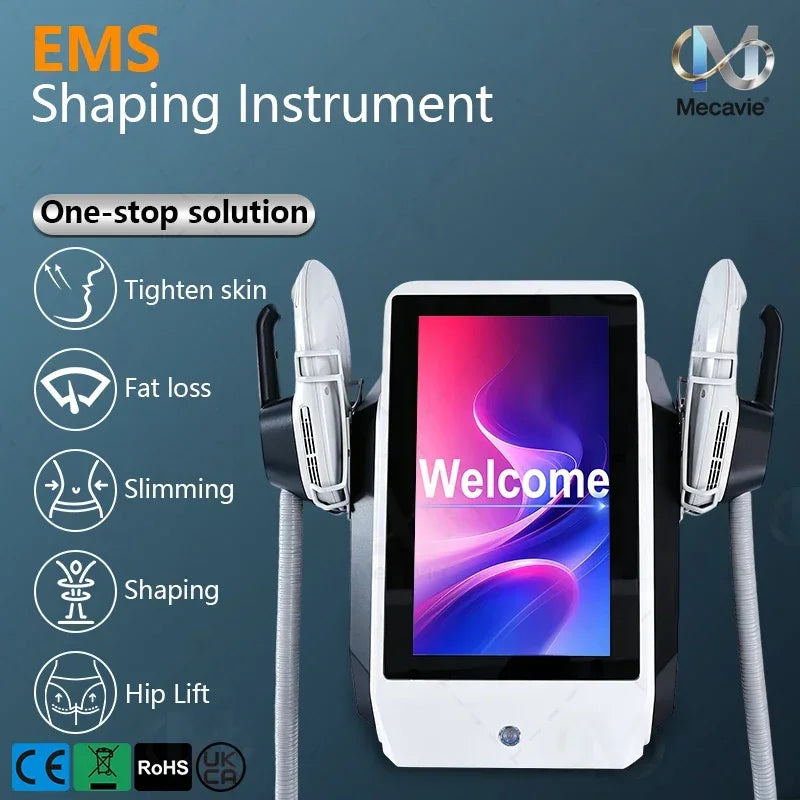
Electrical documentation matters for high-powered professional equipment. The Emsnova product description lists CE and RoHS certification. Buyers operating in the United States should still determine what additional electrical, facility, insurance, or local requirements apply to their particular installation and business.
Do not treat a certification logo as a substitute for documentation. Request certificates, applicable test reports, manuals, and product identification information where appropriate.
Training and Operator Requirements
Good onboarding should cover machine operation, applicator placement, treatment parameters, client screening, contraindications, cleaning and maintenance, troubleshooting, and emergency procedures appropriate to the equipment.
Professional buyers should also check whether their state, locality, licensing framework, insurer, or facility policies impose additional requirements for operating aesthetic equipment.
For broader professional beauty-equipment education and related device categories, the Body & Face Blog can provide useful supporting content alongside individual product specifications.
Professional EMS Machine vs At-Home EMS Device
Output and Control Differences
Professional equipment is designed around a different use case from a consumer EMS device. Professional buyers typically need more robust controls, treatment flexibility, applicator options, and documentation because the machine may be used repeatedly across multiple clients.
However, “professional” should not be accepted as a sufficient quality claim. Verify the actual specifications, intended use, operating instructions, certifications, warranty, and service arrangements.
Workflow, Durability, and Support
A consumer device may prioritize portability and simplicity, while professional equipment generally needs to accommodate a structured treatment environment. Consider repeated daily operation, operator access, cleaning procedures, replacement components, technical support, and repair turnaround time.
This is also where warranty terms become particularly important. A low purchase price can become less attractive if replacement parts are difficult to obtain or technical support is unavailable when equipment downtime affects appointments.
What to Check Before Placing an Order
Request Complete Technical Documentation
Before committing to an EMS body sculpting machine, request the current specification sheet, user manual, treatment protocols, electrical requirements, safety documentation, certification records, and any regulatory information relevant to the intended market.
Compare the documentation with the claims made on the sales page. If a specification appears unusually broad or important information is missing, ask the supplier for clarification in writing.
Verify Warranty, Repairs, and Replacement Parts
Ask exactly what the warranty covers and what it excludes. Clarify whether labor, shipping, replacement components, and technical diagnosis are included. Also determine where repairs are performed and how replacement parts are supplied.
For Emsnova, the supplied product information states a 2-year warranty and 5-year spare-parts service. Professional buyers should confirm these terms for the exact configuration being ordered before purchase.
Confirm Training, Shipping, and After-Sales Support
Training should be evaluated as part of the purchase rather than as an optional extra. Ask what onboarding is provided, whether operating materials are included, how technical questions are handled, and what happens if the machine arrives damaged or requires service.
Shipping requirements also deserve attention. Confirm packaging, delivery conditions, installation requirements, electrical compatibility, lead time, and the procedure for reporting shipping damage.
Before placing an order, qualified professional buyers can request information about the Emsnova EMS body sculpting machine and verify the technical, warranty, training, and support details relevant to their practice.
EMS Body Sculpting Machine: Buyer’s Specification Checklist
Technical Specifications
- Technology: Determine whether the machine uses EMS, electromagnetic stimulation, HIEMT, RF, or a combined system.
- Treatment areas: Confirm the manufacturer's approved areas, such as abdomen, buttocks, arms, or legs.
- Applicators: Verify the number, configuration, dimensions, and intended applications of included handles.
- Operating modes: Check whether automatic programs, manual controls, or both are available.
- Treatment parameters: Verify adjustable intensity, frequency, session controls, and other documented operating settings.
- Power: Confirm electrical requirements and installation suitability before purchase.
- Materials: Consider construction quality and the suitability of the machine for repeated professional operation.
Business and Ownership Criteria
- Safety documentation: Obtain the user manual, contraindications, warnings, and operating instructions.
- Certifications: Verify CE, RoHS, electrical testing, and other documentation claimed by the supplier.
- US regulatory status: Distinguish FDA registration from FDA clearance or authorization where applicable.
- Warranty: Confirm duration, exclusions, service procedures, and coverage.
- Spare parts: Check availability and expected support period.
- Training: Confirm operator onboarding and treatment-protocol guidance.
- After-sales support: Ask about technical assistance, repairs, shipping, installation, and downtime procedures.
- Total cost: Evaluate purchase price together with maintenance, support, replacement parts, and training.
For professional buyers comparing multiple machines, this checklist is more useful than choosing solely on maximum power or promotional claims. The right system should fit the treatment menu, operator workflow, safety requirements, documentation standards, and long-term business plan.
Pros and Cons of a Professional EMS Body Sculpting Machine
Pros
- Provides a targeted approach to muscle stimulation without surgery.
- Can support professional muscle-toning and body-contouring treatment programs.
- May address multiple areas when the applicator configuration supports them.
- Automatic and manual modes can accommodate different operator preferences.
- A combined HIEMT, EMS, and RF configuration can provide multiple technology options in one system.
- Professional warranty and spare-parts support can reduce long-term ownership uncertainty.
Cons
- Professional equipment requires a significantly greater purchasing commitment than consumer EMS devices.
- Operators need appropriate training and must follow manufacturer safety instructions.
- Technology labels such as EMS and HIEMT can be used inconsistently, making technical verification important.
- High-power equipment requires careful review of electrical and installation requirements.
- Results and treatment suitability depend on the individual, treatment protocol, device configuration, and intended use; equipment should not be presented as a substitute for exercise, nutrition, or medical care.
Final Takeaway: Choosing an EMS Body Sculpting Machine
The strongest EMS body sculpting machine purchase is not necessarily the model with the largest headline specification. A better decision comes from matching the stimulation technology, applicator configuration, treatment areas, operating controls, electrical requirements, safety documentation, certifications, training, warranty, spare-parts availability, and after-sales support to the needs of your professional practice.
The Emsnova system is specified as a HIEMT + RF + EMS platform with manual and automatic operation, applications covering the abdomen, buttocks, arms, and legs, 6500W power, CE and RoHS certification, a 2-year warranty, and 5-year spare-parts service. Those specifications provide a useful starting point, but professional buyers should still verify the exact configuration, documentation, intended use, regulatory information, and support terms before ordering.
If those requirements align with your treatment menu and business workflow, you can explore the Emsnova EMS Body Sculpting Machine for professional body-contouring use and confirm the specifications, warranty, and purchasing details before making a final decision.
Pillar Article: Abdominal Muscle Stimulation Device: Benefits, Safety & Buying Guide













