
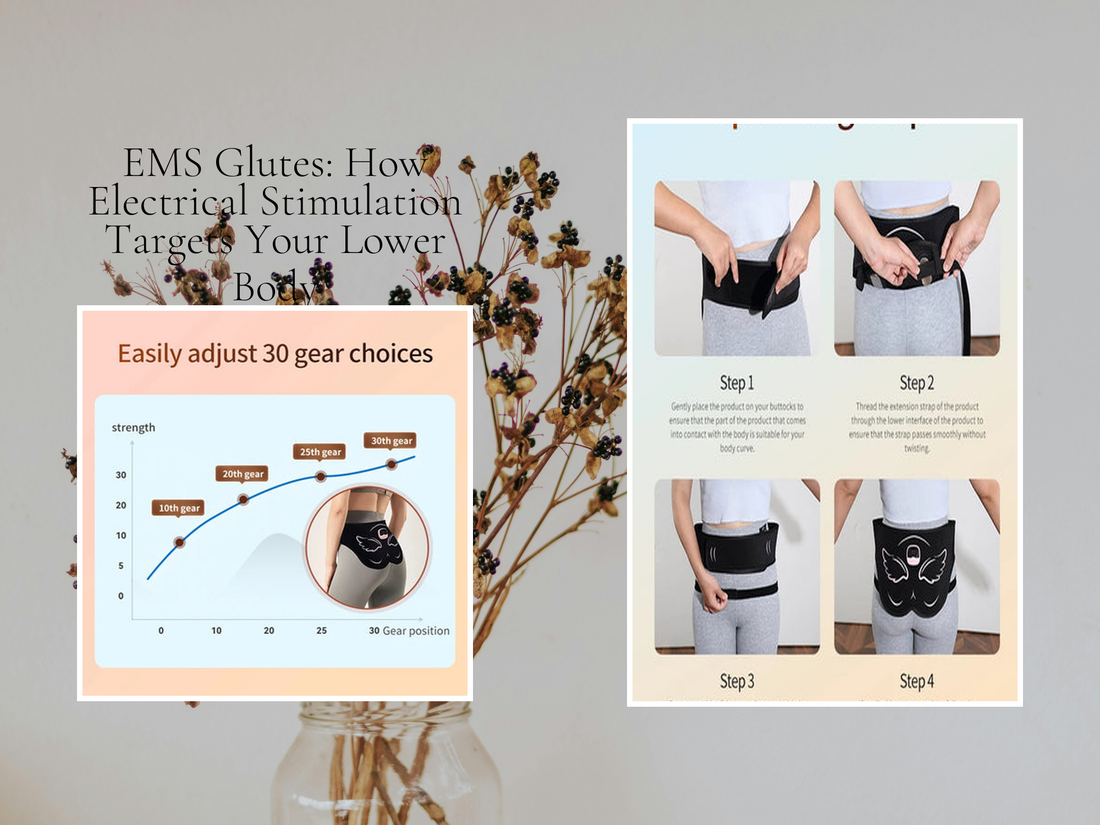
EMS Glutes: How Electrical Stimulation Targets Your Lower Body
EMS glutes training isn’t just for elite athletes—it’s your shortcut to faster toning, better posture, and sculpted curves. Whether you're curious about glute ems tech, wondering "does ems glute trainer work?", or struggling with proper ems placement for glutes, this guide breaks it all down. EMS for glutes activates muscles you didn’t even know were sleeping. But is it the game-changer your workouts have been missing?
⏱ 7 min read
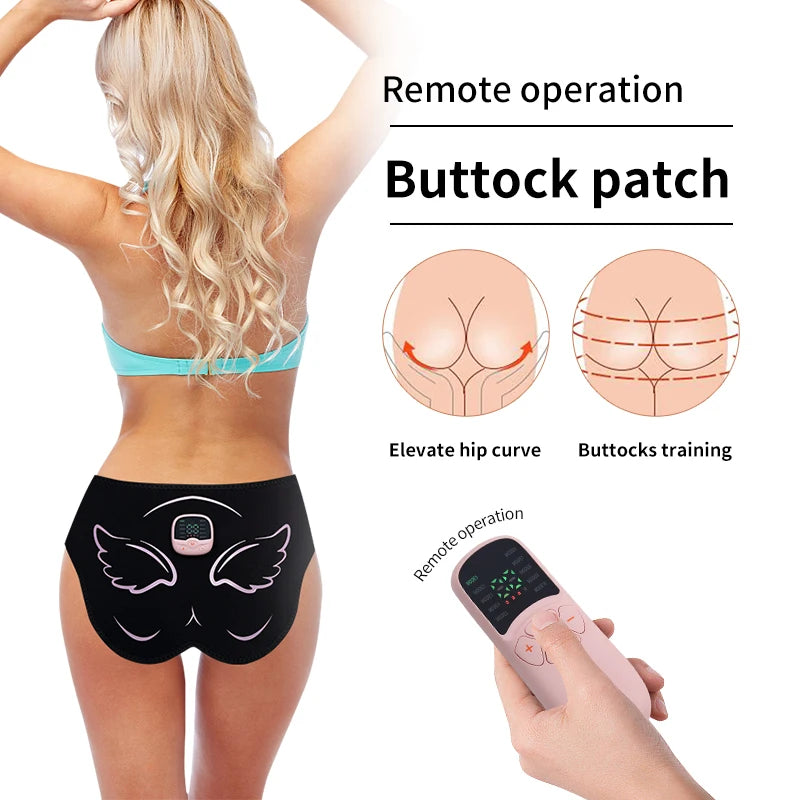
💡 See it in action: EMS glutes trainer boosts tone and shape effortlessly.
What Is EMS for Glutes and How Does It Work?
EMS (Electrical Muscle Stimulation) is a training technology that sends small electrical impulses to your muscles through adhesive electrode pads placed on the skin. When applied to the glutes, these impulses trigger muscle contractions similar to those that occur during exercises like squats or glute bridges.
By repeatedly activating the muscle fibers, EMS helps stimulate the glute muscles, improve muscle engagement, and enhance strength over time. This is why EMS glute stimulators are commonly used for muscle toning, recovery, and targeted activation.
The effectiveness of EMS largely depends on one critical factor: correct pad placement. When pads are positioned directly over the glute muscle groups—particularly the gluteus maximus and gluteus medius—the electrical impulses can activate the muscle fibers more efficiently.
- Improves muscle activation in the glutes
- Enhances mind-muscle connection
- Supports muscle toning and strengthening
- Targets hard-to-engage glute areas
However, incorrect EMS pad placement may reduce effectiveness or stimulate the wrong muscles. That’s why understanding where to place EMS pads on the glutes is essential before starting your training sessions.
Glute Muscle Anatomy Explained for EMS Placement
To position EMS pads correctly, it helps to understand the three muscles that make up the glute group. Each muscle plays a different role in movement and responds best to slightly different electrode placement.
Gluteus Maximus
The gluteus maximus is the largest muscle in the body and is responsible for hip extension, power, and overall glute shape. Most EMS glute training focuses on this muscle because it creates the majority of strength and size in the buttocks.
For EMS stimulation, pads are usually placed across the upper and lower portions of the gluteus maximus to allow electrical impulses to travel through the full muscle.
Gluteus Medius
The gluteus medius sits on the outer upper portion of the buttocks and plays a major role in hip stability and side leg movement. Targeting this muscle can help improve hip alignment and enhance the upper glute “lift” appearance.
EMS pad placement for the gluteus medius typically sits slightly higher and toward the outer side of the glutes.
Gluteus Minimus
The gluteus minimus lies beneath the gluteus medius and assists with hip stabilization. While it is rarely targeted directly with EMS pads, it can still be stimulated indirectly when the medius and maximus are activated.

💡 EMS for glutes: Small pulses. Big results. Just sit and tone!
Does EMS Work for Glutes?
Yes—EMS can help activate and strengthen the glute muscles when used consistently and with proper pad placement. The electrical impulses stimulate muscle fibers directly, causing contractions that mimic voluntary muscle movement.
How EMS Stimulates Muscle Fibers
During an EMS session, electrodes send impulses that stimulate the motor nerves responsible for muscle contraction. This process recruits muscle fibers—even those that are sometimes difficult to activate during traditional workouts.
When EMS is combined with exercises like squats, lunges, or glute bridges, the contractions can enhance muscle engagement and increase training efficiency.
What Results You Can Realistically Expect
- Improved glute muscle activation
- Enhanced muscle tone
- Better glute engagement during workouts
- Potential strength improvements with consistent use
Results depend heavily on correct EMS glute placement, session consistency, and combining EMS with movement or resistance training.
| Feature | Traditional Workout | Glute EMS |
|---|---|---|
| Muscle Isolation | Moderate | High (targeted) |
| Time Commitment | 45–60 min | 15–20 min |
| Posture Support | Requires core focus | Built-in stimulation |
| Accessibility | Gym needed | At-home compatible |
EMS Pad Placement for Glutes (Step-by-Step Guide)
Correct electrode placement ensures the electrical impulses travel through the glute muscle fibers effectively. Follow these basic placement patterns depending on your EMS device.
Basic 2-Pad EMS Glute Placement
- Place one electrode pad on the upper portion of the glute muscle.
- Place the second pad on the lower portion of the same glute.
- Ensure both pads sit directly over the muscle rather than near the lower back.
- Leave a few centimeters of spacing between pads.
This setup allows electrical impulses to travel vertically across the glute muscle fibers.
4-Pad EMS Placement for Maximum Glute Activation
- Place two pads on the upper glute area.
- Place two pads on the lower glute area.
- Keep pads evenly spaced across the muscle.
- Avoid placing pads too close to the spine.
This pattern creates broader stimulation across the gluteus maximus.
EMS Placement for Gluteus Medius
- Place one pad on the upper outer portion of the glute.
- Place the second pad slightly below it toward the side of the hip.
- Angle the pads diagonally along the muscle.
This placement targets the upper glutes and can help activate the gluteus medius.
Where to Place EMS Pads on Glutes (Visual Placement Patterns)
Different electrode arrangements can emphasize different parts of the glute muscles. These placement patterns help guide how electrical impulses travel through the muscle fibers.
Horizontal Placement Pattern
In this pattern, pads sit across the middle of the glutes from left to right. This setup focuses on broad stimulation of the gluteus maximus and is commonly used with EMS hip trainer belts.
Diagonal Placement Pattern
Diagonal placement runs from the upper outer glute toward the lower inner area. This pattern follows the natural direction of muscle fibers and may improve activation during EMS sessions.
Upper Glute Lift Pattern
Placing both pads slightly higher on the glutes can emphasize the upper glute region. This setup targets the gluteus medius and is often used for improving hip stability and creating a lifted appearance.
Motor Points and Why They Matter for EMS Glute Placement
What Is a Motor Point?
A motor point is the area of a muscle where the motor nerve enters the muscle tissue. Stimulating this point allows electrical impulses to activate the muscle more efficiently.
When EMS pads are placed near these points, contractions may feel stronger and more consistent.
How to Find the Best Stimulation Points
- Place pads over the thickest part of the glute muscle.
- Adjust pad position slightly until contractions feel strongest.
- Avoid placing pads over bone or joints.
- Keep pads on clean, dry skin.
Small adjustments of just a few centimeters can significantly improve EMS stimulation results.
Common EMS Glute Placement Mistakes
Incorrect pad positioning can reduce EMS effectiveness or cause uneven muscle stimulation. Avoid these common mistakes:
- Placing pads too close together
- Positioning electrodes near the lower back instead of the glute muscles
- Using worn-out or dry electrode pads
- Placing pads directly over bones
- Skipping skin preparation before applying electrodes
If contractions feel weak or uneven, slightly adjust the pad positions until the glute muscles contract more evenly.
Why Choose the KentDO EMS Hip Trainer?
The KentDO EMS Hip Trainer is designed for convenient at-home glute stimulation. Its ergonomic pad layout aligns with common EMS placement patterns, helping users stimulate the glute muscles without complicated setup.
- 💖 Compact and portable design
- 🎯 Pre-positioned electrodes for glute targeting
- 💡 USB rechargeable with multiple intensity modes
- 🌿 Lightweight and easy to wear during daily activities
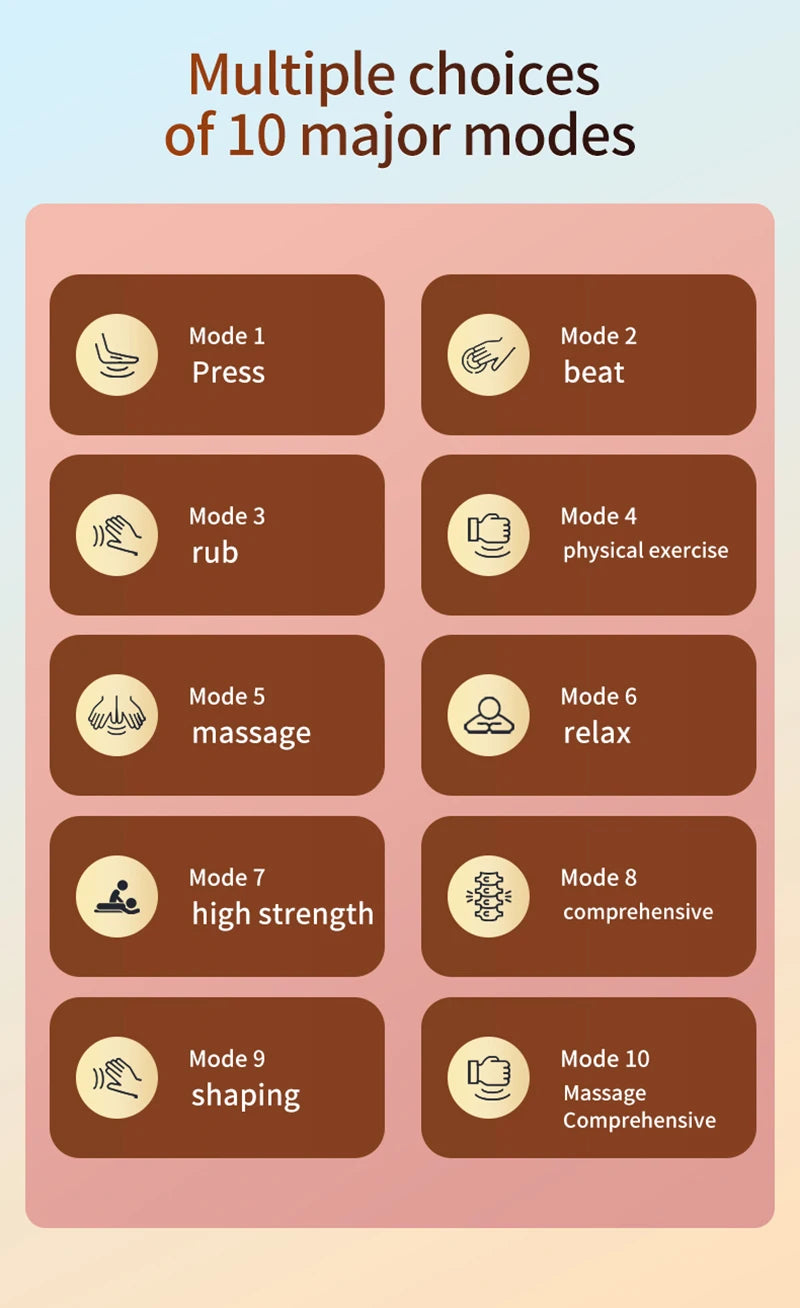
💡 Glute EMS tech with built-in toning precision—your secret to better curves.
How to Use EMS for Glutes Safely & Effectively
Recommended Session Duration
Most EMS glute sessions last between 15 and 30 minutes depending on device settings and training intensity.
Frequency of EMS Training
For muscle activation, EMS can be used three to five times per week. Allow muscles time to recover between sessions.
Safety Tips
- Start with a low intensity setting
- Increase intensity gradually as muscles adapt
- Do not place pads on irritated or damaged skin
- Avoid placing electrodes near the spine or lower back
- Consult a professional if you have medical conditions or implanted devices
Consistency and correct pad placement are the two most important factors for achieving effective EMS glute training.
Real Results: Before and After Using EMS Glutes
Users report improvements in muscle activation, tone, and glute engagement within several weeks of regular EMS sessions.
- 🔥 “My jeans fit better in just 3 weeks!” – Amanda R.
- 🔥 “I feel the burn in areas squats never reached.” – Jason K.
- 🔥 “Great for busy days when I can’t hit the gym.” – Kim T.
When combined with proper training and nutrition, EMS for glutes can complement a well-rounded fitness routine.
FAQs About EMS Glutes
Where should EMS pads be placed on the glutes?
EMS pads should be placed directly over the glute muscle—usually one pad on the upper portion and one on the lower portion of the glute. This allows electrical impulses to travel through the muscle fibers effectively.
Can EMS help lift the glutes?
EMS can help activate the glute muscles and improve muscle tone, which may contribute to a firmer appearance when combined with exercise.
How often should I use EMS for glutes?
Most users perform EMS glute sessions three to five times per week depending on device settings and workout routines.
Is EMS safe for glute training?
When used according to manufacturer guidelines and with proper electrode placement, EMS is generally considered safe for muscle stimulation.
Pillar Article: Does Muscle Stimulators Build Muscle? Science vs Marketing Claims
Other Related Articles:
Explore More:













