

Do Glute Trainers Work? Science, Results & Safety Explained
Do EMS glute trainers work, or are they just fitness hype? If you're researching EMS glute trainer before and after results, proper EMS glutes placement, or wondering whether EMS works for glute growth, you're not alone. Electrical muscle stimulation (EMS) devices can activate the glute muscles and improve muscle engagement, but their real-world results depend on how they are used. This expert guide explains the science, realistic expectations, safety considerations, and how EMS compares with traditional glute training.
⏱ 7 min read
Quick Answer: Do Glute Trainers Actually Work?
The Short Answer
Yes, glute trainers can work—but the results depend on the type of trainer and how you use it. EMS glute trainers stimulate muscle contractions using electrical impulses, which can increase muscle activation and potentially improve muscle engagement. However, they are generally less effective for building significant muscle mass than progressive strength training exercises such as hip thrusts, squats, and lunges.
What Results You Can Realistically Expect
Most users notice improved muscle awareness, temporary firmness, and enhanced contractions before they see visible changes in glute size. EMS may help maintain muscle activity during periods of reduced exercise, but it is not a shortcut to major glute growth.
- Improved muscle activation
- Better mind-muscle connection
- Possible strength improvements when combined with training
- Limited hypertrophy when used alone
- Minimal impact on fat loss
When EMS Works Best
EMS glute trainers tend to be most effective when combined with resistance training, adequate protein intake, and progressive overload. Users seeking rehabilitation support or supplemental muscle activation may benefit more than those expecting dramatic body transformation without exercise.
- EMS can effectively stimulate glute muscle contractions.
- Research supports EMS for activation, rehabilitation, and supplemental strength gains.
- Traditional resistance training remains superior for maximizing muscle growth.
- The best results occur when EMS is combined with exercise.
What Is an EMS Glute Trainer?
An EMS glute trainer is a wearable device that stimulates the glute muscles using electrical impulses. EMS stands for electrical muscle stimulation , a technology widely used in rehabilitation, recovery, and athletic conditioning.
Most EMS glute trainers include:
- Adhesive electrode pads placed on the glutes
- A small controller that sends electrical pulses
- Adjustable intensity settings
- Pre-programmed stimulation cycles
When activated, the device sends electrical signals through the skin to motor nerves, causing the glute muscles to contract. While these contractions resemble exercise-induced contractions, they generally do not create the same loading forces as resistance training.
To explore available devices, visit our EMS glute trainer product page .
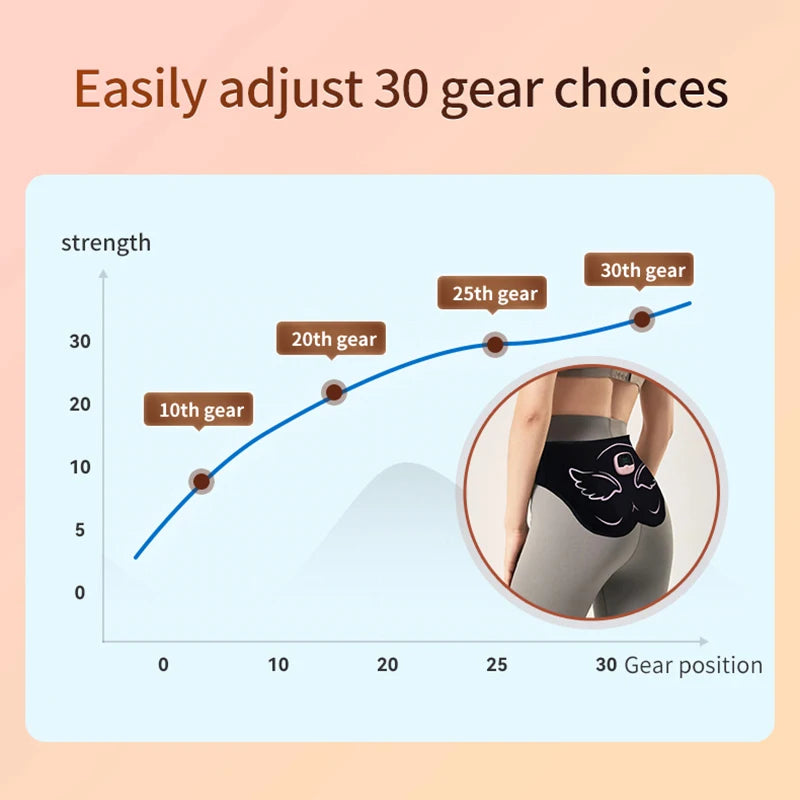
See it in action: EMS glute trainer before and after results reveal the power of glute stimulation
Do EMS Glute Trainers Work for Building Muscle?
Can EMS Increase Glute Size?
EMS may contribute to small increases in muscle size, particularly in beginners, inactive individuals, or people returning from injury. However, the muscle growth achieved is generally less than what can be expected from a structured resistance training program.
Can EMS Increase Strength?
Strength improvements are possible because EMS increases neuromuscular activation. Users often become better at recruiting muscle fibers, which may improve force production over time.
Does EMS Build Glutes Without Exercise?
EMS alone is unlikely to create substantial glute growth. Significant hypertrophy requires progressive overload through exercises such as hip thrusts, Bulgarian split squats, lunges, and squats. EMS works best as a supplement rather than a replacement.
For best results, combine EMS with a dedicated glute workout program focused on progressive overload.
How EMS Glute Trainers Work
Neuromuscular Electrical Stimulation Explained
EMS stands for Neuromuscular Electrical Stimulation. The device sends low-level electrical impulses through pads placed on the skin. These impulses stimulate motor nerves, causing the glute muscles to contract.
Voluntary vs Involuntary Muscle Contractions
During traditional exercise, the brain voluntarily recruits muscle fibers. EMS bypasses part of this process by externally triggering contractions. While these contractions can be strong, they do not perfectly replicate the movement patterns created during resistance training.
Type I vs Type II Muscle Fiber Activation
Research suggests EMS can recruit both slow-twitch and fast-twitch muscle fibers. Fast-twitch fibers are particularly important for strength and muscle growth. However, recruitment alone does not guarantee hypertrophy.
Why Muscle Activation Doesn't Always Mean Muscle Growth
One of the biggest misconceptions about EMS is that muscle contractions automatically lead to larger muscles. Muscle growth depends on sufficient mechanical tension, progressive overload, recovery, nutrition, and training consistency. EMS can increase activation, but activation is only one part of the muscle-building equation.
What Science Says About EMS for Glutes
Findings From Research on EMS Training
Studies on EMS show that electrical stimulation can improve muscle activation, preserve muscle function during inactivity, and contribute to modest strength improvements. Some research also shows muscle growth benefits when EMS is combined with exercise programs.
EMS for Rehabilitation vs Muscle Building
EMS has a long history in rehabilitation settings where maintaining muscle activity is important. Its effectiveness for muscle preservation is generally stronger than its effectiveness as a standalone muscle-building tool.
What Researchers Agree On
- EMS can activate muscles effectively.
- EMS may improve strength when combined with training.
- EMS is not a replacement for progressive resistance exercise.
- Traditional strength training remains superior for maximizing glute hypertrophy.
- Results vary significantly based on training status and consistency.
For recovery-focused strategies, explore our muscle recovery and wellness resources.
EMS Glute Trainer Before and After Results
Realistic Results Timeline
- Weeks 1–2: Increased muscle awareness and stronger contractions.
- Weeks 3–6: Potential improvements in muscle engagement and firmness.
- Weeks 6–12: Modest strength or appearance changes when combined with exercise.
- 3+ Months: Meaningful results typically require structured resistance training.
What Before & After Photos Often Don't Show
Many transformation photos also involve exercise programs, dietary changes, improved lighting, posture adjustments, and image editing. These factors can exaggerate the apparent effectiveness of EMS devices.
Typical Results by User Type
- Beginners: Often experience the most noticeable improvements.
- Active exercisers: Usually see EMS as a supplemental tool.
- Advanced lifters: Typically gain minimal hypertrophy benefits from EMS alone.
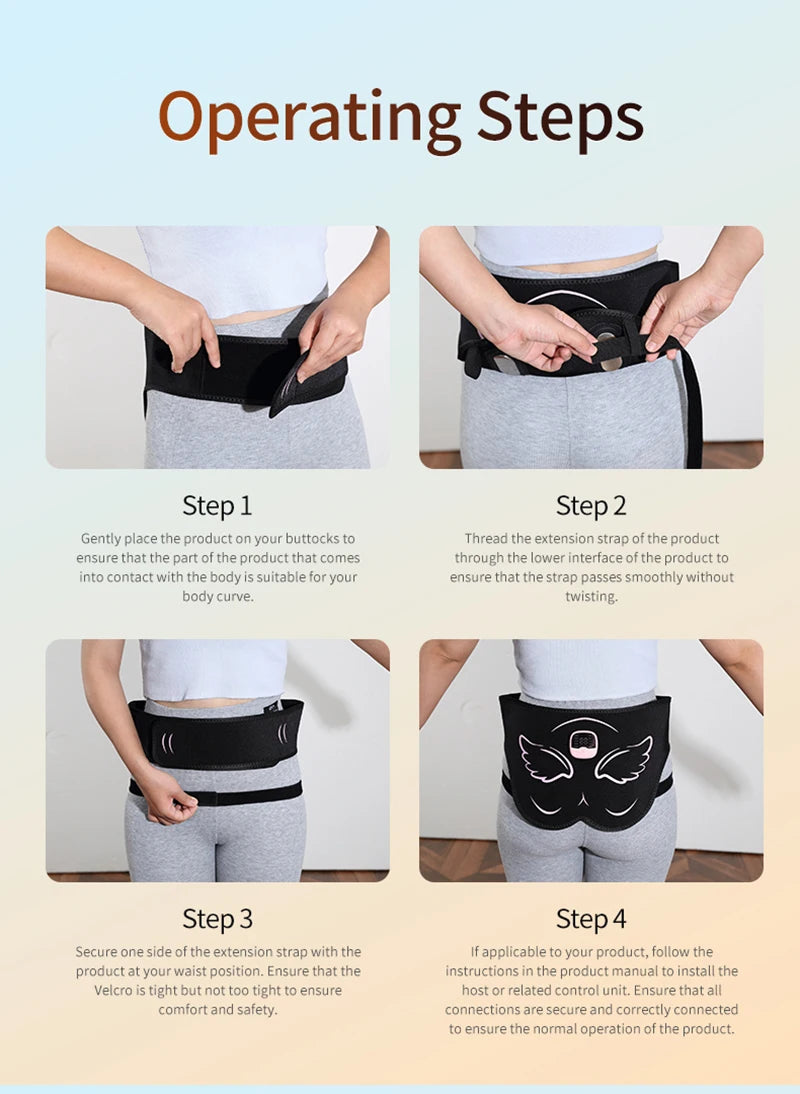
See it mid-journey: EMS glute trainer before and after insights show gradual yet real glute development
What EMS Can and Cannot Do
What EMS Can Help With
- Muscle activation
- Recovery support
- Mind-muscle connection
- Supplemental strength development
- Rehabilitation assistance under professional guidance
What EMS Cannot Replace
- Progressive overload
- Strength training programs
- Adequate nutrition
- Protein intake
- Long-term exercise habits
- Fat-loss strategies
Benefits of EMS Glute Stimulation
- Improved muscle engagement during workouts
- Support during rehabilitation and recovery periods
- Potential circulation benefits from repeated contractions
- Convenient training sessions at home
- Useful supplemental tool alongside strength training
Learn more about muscle stimulation technology in our Body Care and Health Devices collection.
Common Myths About Glute Trainers
Myth #1: EMS Replaces Exercise
EMS can stimulate contractions, but it cannot replicate the full-body loading and progressive resistance provided by traditional strength training.
Myth #2: More Intensity Means Faster Growth
Higher settings may create stronger sensations but do not guarantee faster hypertrophy. Excessive intensity may simply increase discomfort.
Myth #3: EMS Burns Significant Fat
EMS primarily targets muscle activation. It does not meaningfully increase calorie expenditure compared with traditional exercise.
Pros and Cons of EMS Glute Trainers
Pros
- Time-efficient sessions
- Low-impact training
- Can improve glute awareness
- Useful for supplemental activation
Cons
- Cannot replace strength training
- Results vary widely
- Potential skin irritation from pads
- Requires correct placement and consistency
Who Should Use EMS Glute Trainers (And Who Shouldn't)
Who May Benefit Most
- Beginners learning glute activation
- Individuals recovering from inactivity
- People seeking supplemental muscle engagement
- Users combining EMS with exercise programs
Who May See Limited Results
- Advanced lifters
- Users expecting major glute growth without training
- People relying solely on EMS for body recomposition
Safety Considerations
People with implanted medical devices, certain neurological conditions, or other health concerns should consult a healthcare professional before using EMS equipment.
Correct EMS Glutes Placement
How to Place EMS Pads for Maximum Results
- Place upper pads near the gluteus medius.
- Place lower pads over the gluteus maximus.
- Avoid placing pads directly over bone.
- Increase intensity gradually.
Upper electrodes should sit on the upper outer glutes, while lower electrodes should cover the center of the gluteus maximus for balanced stimulation.
Common Placement Mistakes
- Placing pads too close together
- Positioning electrodes over hip bones
- Using low stimulation intensity
- Incorrect pad alignment
Refer to your device instructions for detailed EMS placement guidance.
EMS Glute Trainers vs Traditional Strength Training
EMS vs Squats and Hip Thrusts
Squats and hip thrusts create greater mechanical tension, which is one of the primary drivers of muscle growth. EMS can activate muscles but cannot fully replicate loaded movement patterns.
Which Produces More Muscle Growth?
Traditional resistance training consistently produces superior hypertrophy outcomes because it combines progressive overload, movement-specific strength development, and functional adaptation.
| Method | Muscle Activation | Hypertrophy Potential | Best Use |
|---|---|---|---|
| EMS | High | Low to Moderate | Supplemental activation |
| Squats | High | High | Strength and muscle growth |
| Hip Thrusts | Very High | Very High | Glute hypertrophy |
| Lunges | High | High | Functional strength |
Best Way to Combine EMS With Glute Workouts
- Use EMS on recovery days.
- Use EMS before training to improve activation.
- Continue progressive overload training.
- Maintain adequate protein intake.
- Track performance improvements over time.
Are EMS Glute Trainers Worth It?
Best Candidates
EMS may be worth considering for users who want additional muscle activation, rehabilitation support, or a supplemental tool alongside training.
Poor Candidates
Those expecting dramatic glute growth without exercise are likely to be disappointed by the results.
Cost vs Results Analysis
For most healthy adults, investing in a structured strength-training program provides greater long-term returns than relying solely on EMS technology. EMS offers the most value when viewed as a complement rather than a replacement.
Key Takeaways
- EMS glute trainers can activate muscles effectively.
- They are best used alongside strength training.
- Visible glute growth requires progressive overload.
- EMS is valuable for activation, recovery, and rehabilitation.
- Expect realistic, gradual results rather than dramatic transformations.
Frequently Asked Questions
How long does it take to see results?
Most users notice increased muscle activation within a few weeks, while visible changes typically require several weeks or months of combined training.
Does EMS build muscle or just tone?
EMS can contribute to strength and minor muscle growth, but it is more effective for activation than substantial hypertrophy.
Can EMS lift sagging glutes?
EMS may temporarily improve muscle firmness, but it cannot significantly alter body composition or skin laxity on its own.
Can you use EMS every day?
Usage frequency depends on device guidelines and recovery needs. Excessive use may increase discomfort without improving results.
Is soreness normal?
Mild soreness can occur after intense sessions because EMS causes repeated muscle contractions.
Do glute stimulators work without exercise?
They can activate muscles, but meaningful glute growth is unlikely without resistance training.
Does EMS work for glute growth?
EMS may support glute growth when combined with exercise, but it is not as effective as progressive strength training.
Are EMS glute trainers safe?
Most healthy users can use EMS safely when following instructions, though certain medical conditions may require professional guidance.
For more wellness tools and insights, explore our Beauty & Self-Care Blog and Body & Face Blog .
Pillar Article: Do Muscle Stimulators Build Muscle? See Which Devices Actually Deliver













