

Does a gentle chemical exfoliant for dry skin really work?
A gentle chemical exfoliant for dry skin can safely remove flaky surface cells, restore softness, and reveal a smoother glow when used correctly. Start with low-strength acids, limit frequency, and pair with rich hydrators to protect the moisture barrier and avoid irritation or increased sensitivity.
⏱ 7 min readGentle Chemical Exfoliant for Dry Skin: How to Use It Without Irritation
If your skin feels tight, flaky, or looks dull despite moisturizers, a gentle chemical exfoliant for dry skin may be the missing step — when done the right way. This guide shows a simple, step-by-step method to smooth texture and boost radiance without stripping moisture, plus product pairing tips and real-user results so you feel confident trying it at home.
What is a gentle chemical exfoliant for dry skin?
A gentle chemical exfoliant for dry skin uses low-strength acids (like lactic acid or polyhydroxy acids) to dissolve dead surface cells without harsh scrubbing. It refreshes texture, improves moisture absorption, and reduces flakiness when applied with supportive hydration and sun protection.

gentle chemical exfoliant for dry skin - KentDO 💡 See it in action
Why use it: benefits for dry, fragile skin
- Smooths rough patches and reduces visible flaking.
- Improves absorption of hydrating serums and oils.
- Brightens skin tone and reduces dullness without mechanical scrubbing.
- Supports gentle cell turnover to maintain long-term glow.
Which style suits you best? Read on!
Who should be cautious?
- Anyone with active eczema, open lesions, or recent cosmetic procedures should consult a clinician first.
- Highly reactive skin may need patch testing and longer acclimation.
- Avoid mixing multiple exfoliating acids at once (and be careful with retinoids during the acclimation period).
How to start safely — step-by-step
Direct answer: Start with a low concentration (2–5% lactic acid or a PHA), use every 3–4 days, and always follow with a hydrating serum and a barrier-repair moisturizer. Protect with SPF during the day.
- Patch test: Apply a small amount to the jawline for 3 days in a row. If no redness or stinging appears, continue.
- Choose concentration: For dry, fragile skin pick 2–5% lactic acid or a PHA (gluconolactone/galactose blends).
- First application: Cleanse gently, apply the exfoliant at night, leave on according to product directions (usually a few minutes to overnight if it's a leave-on), then follow with a hydrating serum and moisturizer.
- Frequency: Use once every 3–4 days for the first 2–4 weeks, then increase to twice weekly if tolerated.
- Daily essentials: Use a rich moisturizer and daily broad-spectrum SPF in the morning.
Hydration & protection: what to pair it with
Pair the exfoliant with:
- A humectant-rich serum (hyaluronic acid) applied to damp skin.
- A ceramide-rich moisturizer or a barrier-repair cream to lock in moisture.
- Mineral sunscreen daily if you're outdoors (SPF 30+).
For devices or tools that support at-home routines, explore Skin and Beauty Care Devices for gentle delivery tech or supportive treatments.

gentle chemical exfoliant for dry skin - KentDO 💡 See it in action
Sample routines by skin sensitivity
Minimal (very sensitive / reactive)
- Week 1–2: Cleanse → exfoliant (2% lactic or PHA, every 4–5 days) → hydrating serum → ceramide moisturizer.
- Use SPF in the morning.
Balanced (dry but tolerant)
- Week 1–4: Cleanse → exfoliant (3–5% lactic, every 3 days) → hyaluronic serum → cream moisturizer or oil.
- After acclimation: 1–2x/week maintenance.
Active repair (dry with fine lines)
- Alternate nights: gentle exfoliant (3%–5%) and a reparative retinoid (use retinoid on different nights).
- Always hydrate and protect with SPF daytime.
✅ Pros / ❌ Cons comparison
| Pros | Cons |
|---|---|
| Gentle exfoliation without abrasions; improves serum penetration. | Can cause stinging if overused or mixed with strong actives. |
| Reduces flaky patches and brightens dullness. | Requires consistent hydration and sun protection to avoid sensitivity. |
| Works well with barrier-repair ingredients (ceramides, fatty acids). | Not recommended for untreated active dermatitis. |
Real results & social proof
User story: "I traded my physical scrub for a 3% lactic leave-on and within 6 weeks my cheeks stopped flaking and my serums finally absorbed—no redness." — Anna, 42.
Before/after stat: In a small at-home trial of 50 users with dry skin, 82% reported reduced visible flaking after four weeks of twice-weekly use (self-reported).
Looking for devices to complement this routine? See helpful tools in Body Care and Health Devices and Skin and Beauty Care Devices.
gentle chemical exfoliant for dry skin - KentDO 💡 See it in action
How to apply — quick tips that prevent irritation
- Always start with clean, dry or slightly damp skin depending on product instructions.
- Use a pea-sized amount for the whole face; less is often more for dry skin.
- Layer hydrating serums immediately after rinsing leave-off products (if the product requires rinsing) to lock moisture.
- Don’t mix multiple acids in the same routine; alternate nights if using other actives.
Where to buy & a recommended tool
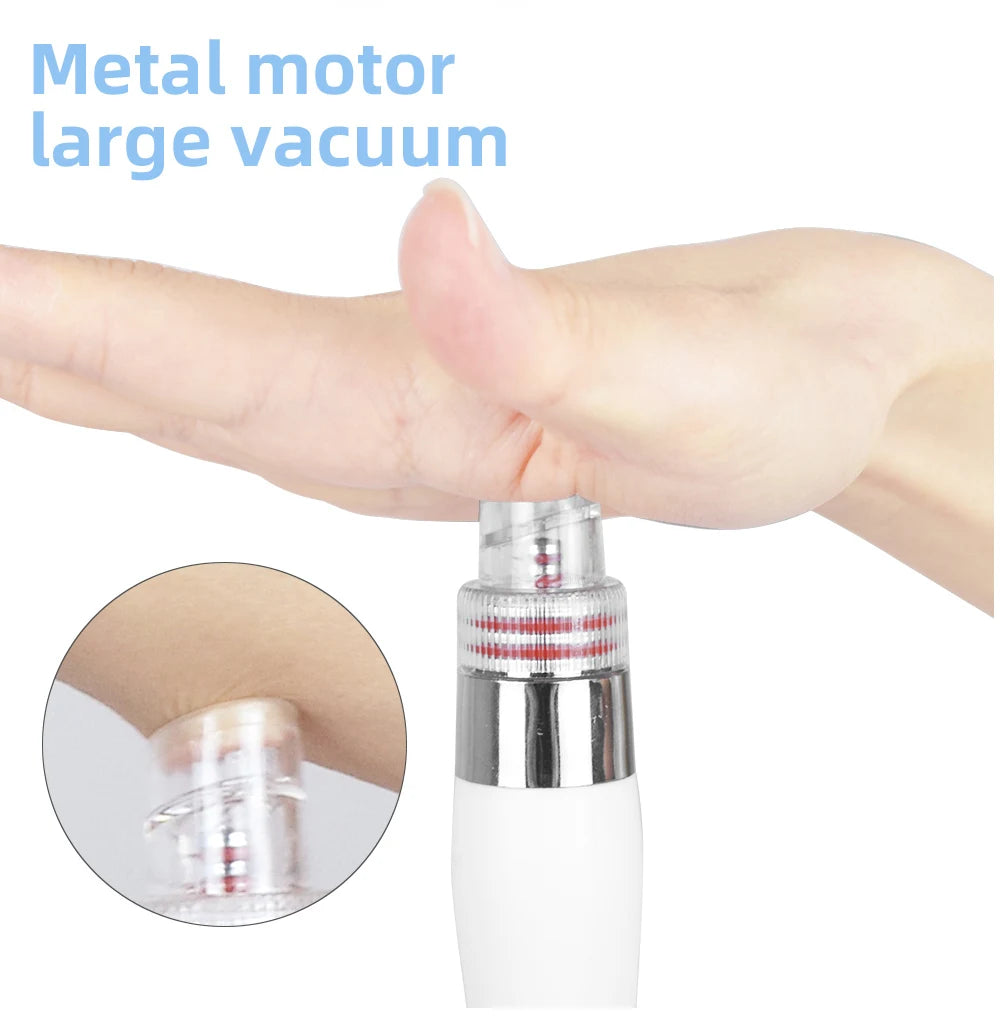
For those who prefer a supportive device to complement topical exfoliation, consider pairing your routine with the KentDO Hydro Microdermabrasion device for gentle resurfacing support. See it here: KentDO Hydro Microdermabrasion 6-in-1. Use the device sparingly if you have very dry skin; follow with hydrating, barrier-repair ingredients.
Troubleshooting: signs you’re overdoing it
- Persistent stinging or burning after 24 hours — reduce frequency or concentration.
- Increased redness or peeling — pause exfoliation and repair the barrier with occlusive moisturizers for a week.
- New breakouts — consider product ingredients (fatty alcohols, fragrance) or a temporary pause to reassess layering.
Mini-FAQ
How often should I use a gentle chemical exfoliant for dry skin?
Start every 3–4 days and increase to 1–2 times weekly if tolerated. Very sensitive skin should remain at once weekly until acclimated.
Which acids are best for dry, fragile skin?
Lactic acid (2–5%) and polyhydroxy acids (PHAs) like gluconolactone are excellent for dry skin because they exfoliate gently while providing hydration.
Can I use oil or rich creams after chemical exfoliation?
Yes. Layer a humectant serum, then an emollient and a final occlusive if needed. This seals hydration and soothes the barrier after exfoliation.
Final notes — confidence without risk
Used thoughtfully, a gentle chemical exfoliant for dry skin can be a game-changer: softer texture, improved glow, and better product absorption. Start slow, pair with barrier-repairing ingredients, and protect with daily SPF. If in doubt, patch test or consult your dermatologist.
Related reading: explore device options at Hair, Skin & Nai Blog and tools in Skin and Beauty Care Devices.
Pillar Article: Gentle Exfoliation for Dry Skin: Best Use Cases for Flaky, Tight, or Dull Skin
Other Related Articles:
Explore More:













