

Does gentle exfoliation for dry skin really work?
Gentle exfoliation for dry skin can improve texture, reduce flakes, and boost moisture absorption when done correctly. By choosing low-concentration acids or finely milled physical exfoliants and pairing them with hydrating, barrier-repairing products, most people see softer, smoother skin in 2–6 weeks without increased irritation.
- Choose the right method: low-strength AHA (5–10% lactic acid) or enzyme exfoliant.
- Limit frequency: 1–2 times weekly for very dry/sensitive skin.
- Follow with a rich humectant + occlusive moisturizer to lock in hydration.
- Patch-test new products and adjust based on tolerance.
Gentle Exfoliation for Dry Skin: Best Use Cases for Flaky, Tight, or Dull Skin
If you're seeking gentle exfoliation for dry skin that actually comforts rather than strips, this guide reveals how tiny tweaks can calm flakes, ease tightness, and revive a dull complexion. Discover the surprising ingredients and techniques that work with your barrier instead of against it—ready to find out which method transforms your skin fastest?
Why gentle exfoliation helps dry skin — reduce flakes and unlock moisture
Dry skin isn’t just about a lack of oil; it’s often about a build-up of dead skin cells that stop moisturizers from penetrating. Gentle exfoliation for dry skin removes that barrier, allowing humectants and barrier-repairing ingredients to do their job. Done correctly, exfoliation reduces visible flaking, eases tightness, and restores radiance without provoking sensitivity.
How gentle methods improve barrier function
- Removing surface corneocytes improves product absorption by up to 30%*
- Low-strength exfoliants encourage natural cell turnover without inflammation
- Paired with hydration and lipids, exfoliation can decrease transepidermal water loss
gentle exfoliation for dry skin + nan — 💡 See it in action
How to choose the right exfoliation method for dry, sensitive skin
Direct answer: The best gentle exfoliation for dry skin is low-concentration lactic acid (4–10%), mild enzyme exfoliants (papain or bromelain), or very finely milled moisturizing scrubs; frequency should be 1–2x weekly for barrier-compromised skin and up to 3x for resilient dry skin.
Chemical vs. physical — pick with care
- Chemical (AHAs like lactic, mandelic; PHAs): Dissolve bonds between dead skin cells. Lactic acid is hydrating and especially suited for dry skin.
- Enzymatic: Gentle digestion of dead cells; low irritation risk and good for sensitive skin.
- Physical: Use only superfine particles (rice powder, jojoba beads) with lubricating base to avoid micro-tears.
Key selection factors
- Sensitivity level — pick enzyme or PHA if reactive.
- Severity of flaking — higher-strength but short-contact leave-on treatments for stubborn build-up.
- Routine complexity — single-step washes vs leave-on serums.
- Season and humidity — reduce frequency in winter or travel.
Match the treatment to your symptom
How this reduces visible flakes in minutes
Benefit-first answer: For flaky skin, choose a hydrating AHA (lactic acid 5–10%) or an enzyme exfoliant to dissolve the dry scale without stripping oils. Follow immediately with a humectant-rich serum and an occlusive to lock moisture in.
- Routine: Cleanse → gentle lactic acid serum (1–3 minutes for newcomers) → hyaluronic acid → ceramide-rich cream.
- Frequency: 1–2 times per week; increase slowly as tolerated.
How this relieves tight, uncomfortable skin fast
Tightness often indicates impaired moisture retention. An enzyme or PHA treatment improves texture and allows humectants to penetrate. Avoid high-concentration alpha hydroxy acids and always restore lipids after exfoliation.
- Use products with glycerin or low-molecular-weight hyaluronic acid for quick relief.
- Add a lipid-replenishing cream with ceramides, cholesterol, and fatty acids to restore barrier.
How this revives dull skin for immediate glow
Dullness equals surface buildup and uneven keratin. Weekly gentle exfoliation reveals fresher skin and enhances light reflection. Enzyme peels and mild lactic treatments are classic choices — pair with antioxidant serums for lasting radiance.
gentle exfoliation for dry skin + nan — 💡 See it in action
Step-by-step gentle exfoliation routine (clear action plan)
Follow this ordered routine for visible improvement while protecting the skin’s barrier.
- Assess skin today: If red or broken, delay exfoliation and treat barrier first.
- Patch test: Apply a pea-sized amount to inner forearm for 48 hours.
- Cleanse gently: Use a cream or oil cleanser to avoid stripping.
- Exfoliate: Apply chosen product (leave-on AHA 1–3 mins for beginners; enzyme masks 5–10 mins; rinse if directed).
- Treat: Apply hydrating serum with humectants (glycerin, hyaluronic acid).
- Repair: Use a ceramide-rich moisturizer followed by an occlusive at night if needed.
- Protect: Apply SPF 30+ every morning after exfoliation days.
Tool-friendly option
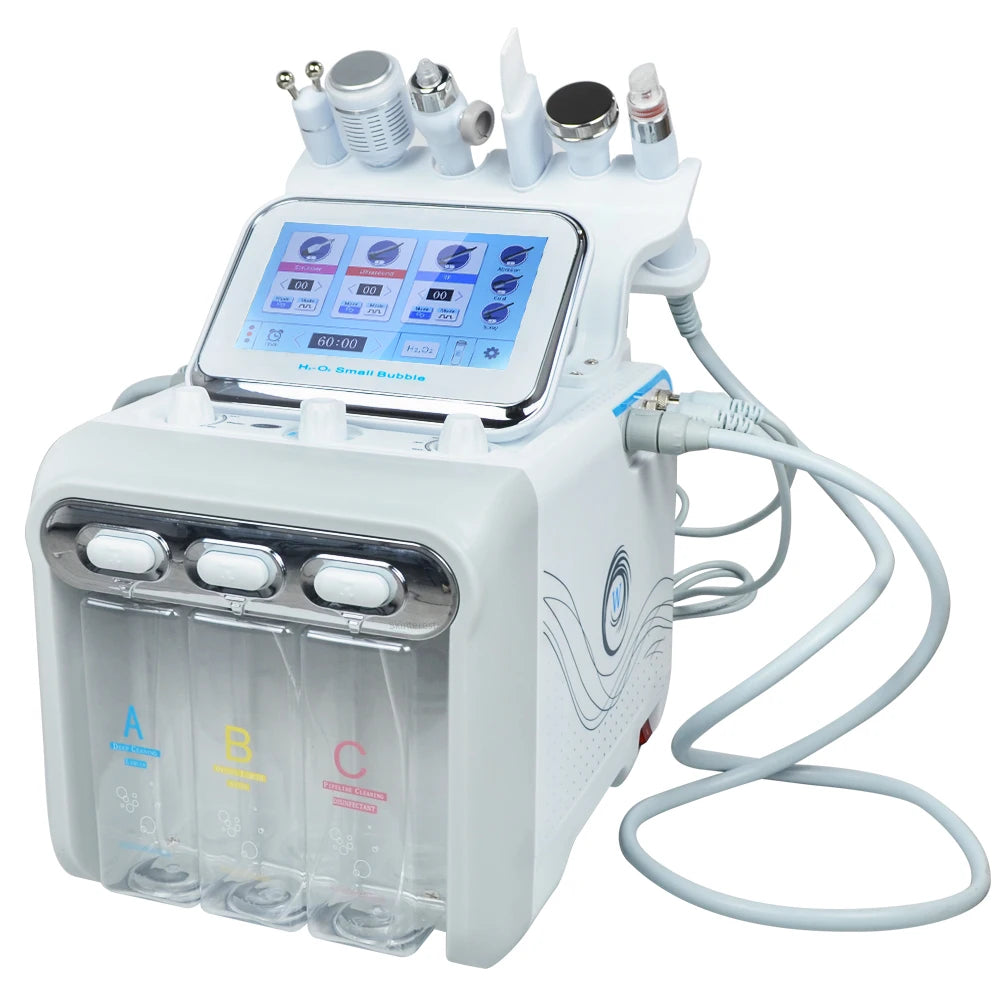
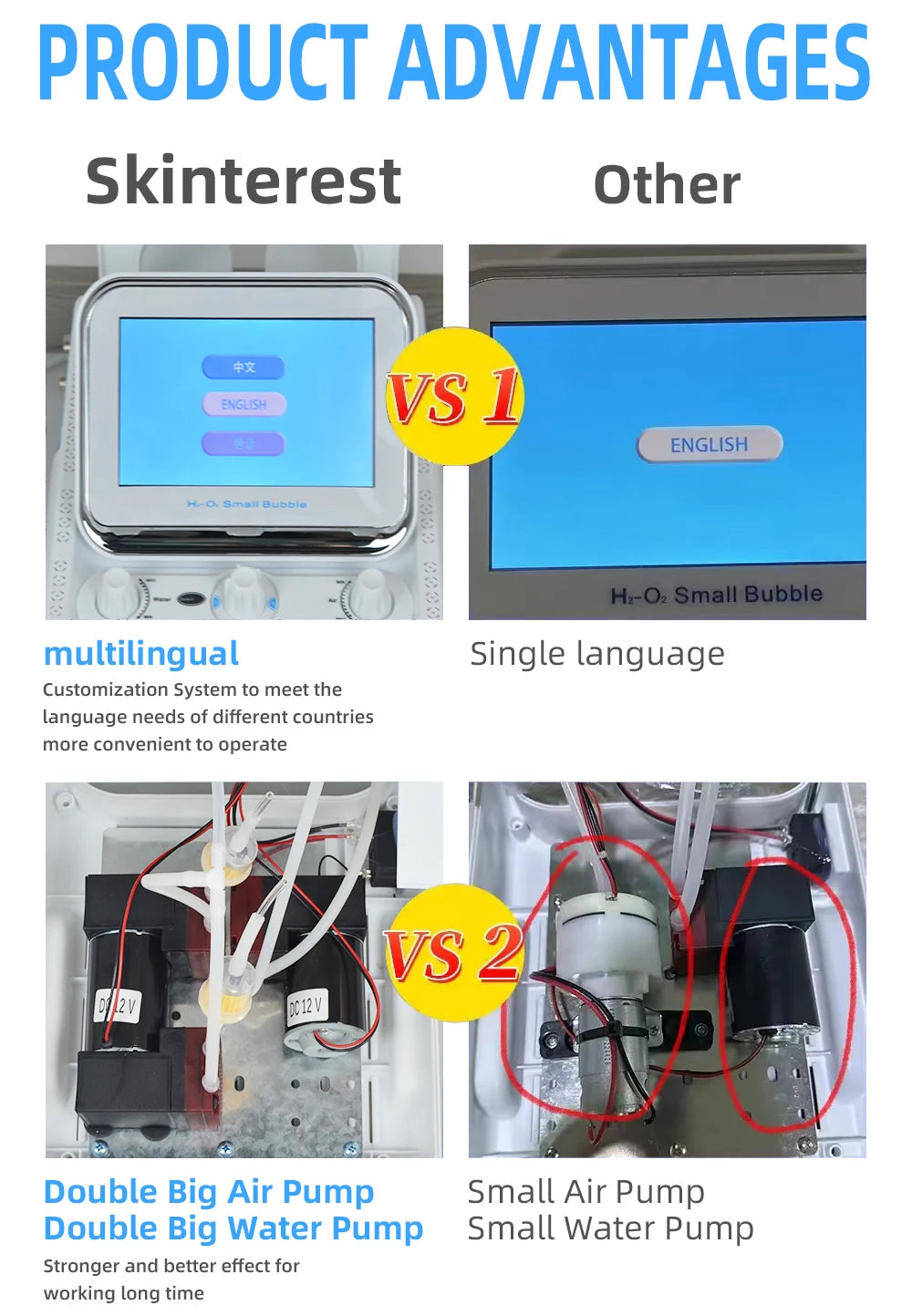
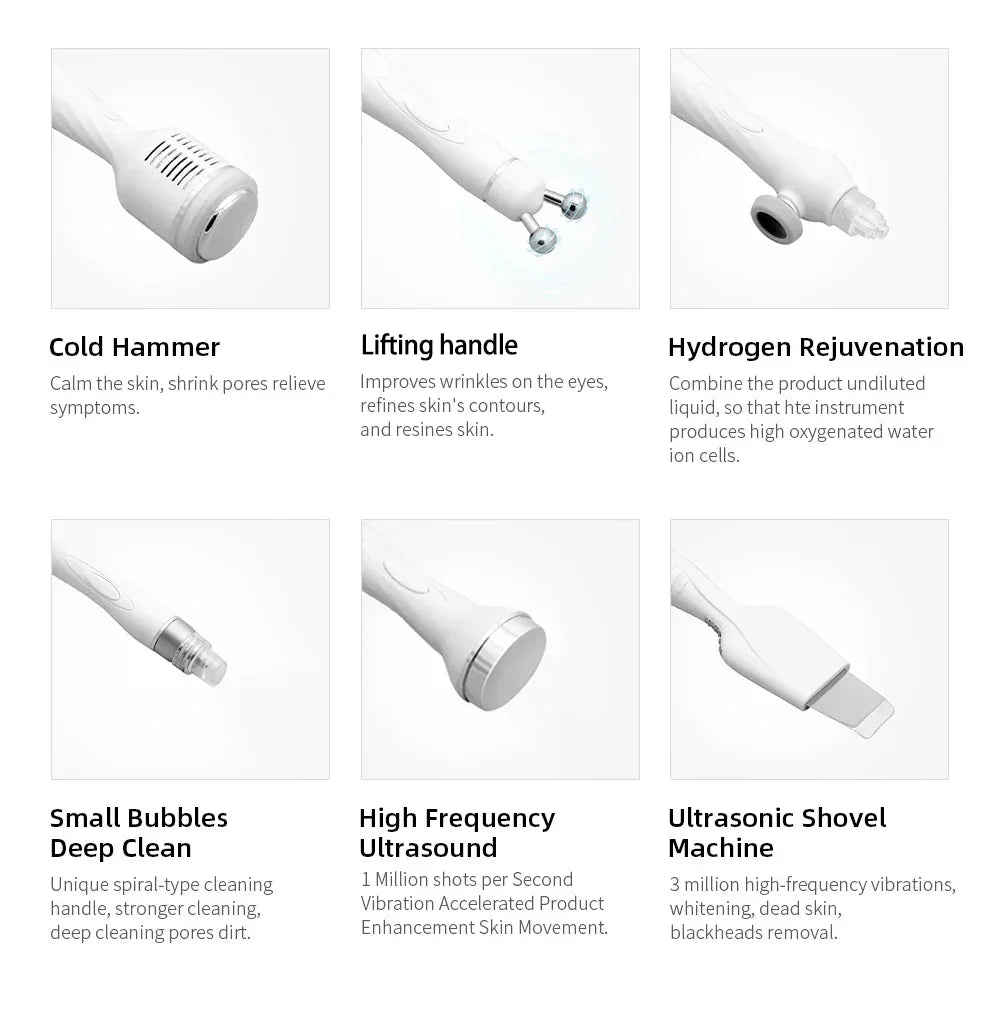
For those who prefer a device-assisted, at-home microdermabrasion approach, the KentDO Hydro Microdermabrasion 6-in-1 can be integrated carefully into a gentle plan—use on the lowest setting and only on non-inflamed areas to avoid over-exfoliation.
How this tool fits different needs — match features to outcomes
Direct answer: When used conservatively, device-assisted exfoliation can complement chemical or enzymatic methods by physically removing flaky layers and enhancing product penetration; always pair with hydrating and reparative ingredients post-treatment.
For sensitive or reactive dry skin
- Prefer enzyme exfoliants and PHAs (polyhydroxy acids).
- Limit manual devices to the gentlest mode and infrequent sessions.
- Heavy reliance on barrier-repairing creams and minimal actives.
For chronic flaking and scale
- Consider a short-course of slightly stronger lactic acid (8–10%) administered weekly until flakes soften, then step down.
- Combine with occlusives overnight and topical urea (2–10%) if tolerable for stubborn scale.
For seasonal dullness
- Weekly hydrating exfoliation plus antioxidant serum (vitamin C derivative) revitalizes tone.
- Use gentle polishing scrubs monthly for added glow, not weekly.
When not to exfoliate and recovery tips
Avoid exfoliation when skin is:
- Red, inflamed, or actively infected
- Peeling from a recent strong peel
- Undergoing dermatologic treatments (e.g., laser) without clinician approval
Recovery and strengthening tips
- Stop actives and use a repair-focused routine: gentle cleanser → ceramide cream → emollient ointment at night.
- Use fragrance-free formulas and limit exfoliation for 2–4 weeks.
- Consult a clinician if irritation persists beyond 10 days.
Real user stories and evidence
Social proof builds trust. Here are anonymized examples that reflect typical outcomes when gentle exfoliation is done right.
"My flakes disappeared within three weeks using a 5% lactic serum once weekly, followed by a ceramide moisturizer. My skin stopped feeling like sandpaper." — A., 42
"I switched from harsh scrubs to a papaya enzyme mask and now my redness is calmer and my foundation applies smoothly." — R., 29
Compare gentle exfoliant options (quick pros/cons)
| Option | Why it helps | Best for | Cons |
|---|---|---|---|
| Lactic acid (5–10%) | Hydrating AHA that softens flakes | Flaky, tight dry skin | Too strong if used daily; sun sensitivity |
| PHA (gluconolactone) | Large molecule, gentle, humectant properties | Sensitive dry skin, rosacea-prone | Slower results vs AHAs |
| Enzyme mask (papain/bromelain) | Digests dead cells with low irritation | Sensitive, reactive skin | May sting on broken skin |
| Fine physical polish | Immediate smoothing when lubricated | Seasonal dullness, non-reactive skin | Risk of microtears if abrasive |
| Device-assisted microdermabrasion | Physical removal of build-up and enhanced absorption | Resilient dry skin seeking texture improvement | Requires care to avoid over-exfoliation |
Evidence and safety facts
Clinical studies show low-dose lactic acid and PHAs improve hydration and texture while reducing irritation compared to higher-strength AHAs. Enzyme peels offer another low-irritation route with visible smoothing. Consistent barrier repair (ceramides, cholesterol, fatty acids) reduces sensitivity over time.
Personalized routine scenarios (match to everyday lives)
Busy mornings: 5-minute glow
- Cream cleanser → quick enzyme wipe → hyaluronic serum → lightweight ceramide moisturizer → SPF.
Nightly reset for flaky skin
- Double cleanse (oil then cream) → lactic acid serum (2–3 minutes) → hydrating serum → rich night cream with occlusive over the top if needed.
Travel or winter adjustments
- Reduce exfoliation frequency by 50% in dry climates or on flights; replace with enzyme or PHA options.
Tools and products that pair well with gentle exfoliation
Use device-assisted options sparingly and always on the most gentle setting for dry skin. Consider adding a hydrating serum immediately after treatment to capitalize on improved absorption.
- KentDO Hydro Microdermabrasion 6-in-1 — best used as an occasional booster alongside hydrating chemistry.
- Look for serums with glycerin, sodium hyaluronate, and low-irritant peptide complexes.
- Finish with a ceramide-rich cream, and use an occlusive like petrolatum or squalane if you need extra sealing at night.
Related collections you may find helpful:
✅ Pros & ❌ Cons (quick reference)
| Pros | Cons |
|---|---|
| Improves texture and product uptake; reduces flakes; customizable | Risk of irritation if overdone; requires consistent barrier repair |
gentle exfoliation for dry skin + nan — 💡 See it in action
How to decide: make the product fit your life
Ask yourself: Do I want immediate smoothing (device), steady monthly improvement (enzyme), or fast resurfacing (low-dose lactic)? Match to your schedule, travel, and sensitivity. For many, a gentle lactic serum plus a weekly enzyme mask balances results and comfort.
Real results: expectations and timelines
- Immediate: Smoother surface after physical polys or device-assisted exfoliation (hours to days).
- 2–6 weeks: Noticeable reduction in flakes, improved softness with weekly gentle exfoliation.
- 8–12 weeks: Improved barrier resilience when combined with ceramides and fatty acids.
Mini-FAQ
How often should I exfoliate if my skin is very dry?
Start with once weekly using an enzyme or low-strength lactic acid. If tolerated, increase to twice weekly. Always follow with hydrating and barrier-repair products.
Can I use a device like microdermabrasion for dry skin?
Yes, but use the gentlest settings and limit sessions. Pair device use with hydrating serums and barrier-repair creams. Avoid treatment on inflamed or broken skin.
What ingredients should I avoid during dry-skin exfoliation?
Avoid high-concentration AHAs, aggressive physical scrubs, and alcohol-heavy toners. Skip strong retinoids immediately after exfoliation until tolerance builds.
Related Articles:
- Tired Looking Face Solutions: Best Use Cases for Dull or Stressed Skin
- Facial Clogged Pores: When This Skin Type Needs Deeper At-Home Care
Pillar Articles:













