

Facial Massage for Puffy Face: A Step-by-Step De-Puffing Guide
Waking up with a puffy face can make your cheeks, jawline, and under-eye area look tired or swollen even when you feel perfectly fine. Temporary facial puffiness can be influenced by sleep, fluid retention, dietary factors, travel, crying, or simply staying inactive for a while. A gentle facial massage may help reduce the appearance of that temporary puffiness by encouraging comfortable fluid movement and making your face feel more refreshed.
This guide shows you how to perform a simple 5–10 minute facial massage for a puffy face, including where to start, which direction to massage, how much pressure to use, how often to repeat the routine, and when facial swelling should not be treated as ordinary puffiness.
For more skincare and self-care ideas, you can also explore the Beauty & Self-Care Blog and the Body & Face Blog.
What Causes a Puffy Face?
Facial puffiness is often temporary. After sleeping, fluid can appear more noticeable around the face, particularly beneath the eyes and around the cheeks. Other everyday factors can also contribute to a swollen-looking or bloated appearance.
Common causes of temporary facial puffiness
- Sleeping for a long period or remaining in one position overnight.
- Temporary fluid retention.
- Eating a particularly salty meal.
- Crying, which can make the area around the eyes look swollen.
- Travel and changes in routine.
- Periods of prolonged inactivity.
- Normal day-to-day changes in how the face looks.
Massage is most relevant when the concern is temporary, mild puffiness rather than an unexplained medical problem. The goal is not to permanently change facial structure or remove facial fat. Instead, a gentle routine can help your face look temporarily less puffy and more refreshed.
When facial swelling may need medical attention
Not every swollen face is ordinary morning puffiness. Sudden, severe, persistent, painful, or unusual swelling deserves appropriate medical attention rather than repeated self-massage. Swelling accompanied by difficulty breathing, significant pain, fever, an allergic reaction, or other concerning symptoms should be treated as a medical issue.
Does Facial Massage Help Reduce a Puffy Face?
Yes, gentle facial massage may temporarily reduce the appearance of puffiness in some people. Facial lymphatic drainage massage uses light, controlled movements rather than deep tissue pressure. The intention is to support the movement of excess fluid through the lymphatic system while avoiding unnecessary pulling or irritation of the skin.
How lymphatic drainage relates to facial puffiness
The lymphatic system includes lymphatic vessels and lymph nodes that help transport lymph throughout the body. Because facial puffiness can sometimes be associated with temporary fluid accumulation, gentle massage is commonly used as a de-puffing skincare technique.
However, it is important to keep the claim realistic: facial massage does not permanently reshape the face, eliminate facial fat, or guarantee that swelling will disappear. A visible change after massage is more appropriately understood as a temporary improvement in the appearance of puffiness.
What results you can realistically expect
You may notice that the face looks more refreshed, particularly around areas such as the cheeks, jawline, and under-eye area. Results can vary from person to person and may depend on why the face looks puffy in the first place.
If puffiness repeatedly returns, focus on the broader routine rather than increasing massage pressure. A gentle, consistent approach is preferable to trying to force a faster result.
Before You Start: Prepare Your Skin and Hands
A few minutes of preparation can make facial massage more comfortable and reduce unnecessary friction.
Clean your hands and face
Start with clean hands and reasonably clean skin. This helps keep the routine compatible with your normal skincare habits and prevents you from rubbing accumulated dirt or residue across the face.
Apply a lightweight facial oil, serum, or moisturizer
Use a skincare product that provides enough slip for your fingers or massage tool to glide comfortably. Avoid dragging the skin across a dry surface. The exact product is less important than having enough lubrication to keep movements smooth.
Use light pressure instead of deep kneading
Facial lymphatic-style massage should feel gentle. You do not need to press deeply into the face to perform the technique. Excessive force can cause temporary redness, discomfort, or unnecessary pulling of the skin.
Facial Massage for Puffy Face: 5-10 Minute Step-by-Step Routine
Follow this sequence with slow, comfortable movements. Use light pressure and repeat each movement several times rather than trying to massage aggressively.
Step 1: Start at the neck and collarbone
Begin around the lower neck and collarbone area with gentle strokes. Starting here gives you a simple transition into the rest of the routine instead of immediately working on the most visibly puffy areas.
Step 2: Gently massage around the jawline
Place your fingers along the lower face and jawline. Use slow strokes toward the sides of the face. Keep your touch light and controlled, especially if your skin is sensitive.
Step 3: Move from the chin toward the ears
Starting near the center of the chin, gently glide outward along the jawline toward the ears. Repeat the movement several times on each side.
Step 4: Massage the cheeks toward the ears
Move to the cheeks and use smooth outward strokes toward the ears. Work gradually across the cheek rather than repeatedly rubbing one small spot.
Step 5: Sweep beneath and around the eyes
The under-eye area requires especially gentle treatment. Use minimal pressure and slow movements around the orbital area. Avoid pressing directly on the eyeball or rubbing aggressively around delicate skin.
Step 6: Massage the forehead toward the temples
Use your fingertips to move from the central forehead outward toward the temples. Keep the strokes smooth and avoid pulling the skin.
Step 7: Finish with gentle downward neck strokes
Finish by returning to the neck with comfortable downward strokes. The complete sequence can take approximately 5–10 minutes, but you can shorten it when you only have a few minutes in the morning.
Which Direction Should You Massage for Facial Lymphatic Drainage?
For a simple self facial lymphatic drainage massage, think in terms of gentle, controlled movements that work outward from the center of the face and incorporate the neck rather than repeatedly rubbing back and forth over one area.
The basic facial massage direction
A practical sequence is to work from the chin toward the ears, from the cheeks toward the ears, and from the forehead toward the temples. Around the eyes, use particularly light movements because the skin is delicate.
The precise direction should not become an excuse to use excessive force. Smooth movement and gentle pressure are more important than trying to create a strong sensation.
Why the neck is addressed before and after the face
Including the neck gives the routine a logical beginning and ending. Rather than treating the cheeks or jawline in isolation, the routine incorporates the surrounding area into the overall massage sequence.
Pressure matters more than force
One of the most important rules is simple: lighter is generally better for this type of massage. If your skin hurts, feels excessively stretched, or becomes significantly irritated, reduce the pressure or stop.
How Long Should You Massage Your Face for Puffiness?
A quick 2-3 minute de-puffing routine
When you are short on time, focus on the neck, jawline, cheeks, and under-eye area. Use a few slow passes per area rather than rushing through many repetitions.
A complete 5-10 minute routine
A 5–10 minute routine gives you enough time to move systematically from the neck to the lower face, cheeks, eye area, forehead, and back to the neck. This is the practical routine length for the full sequence described above.
How often can you perform facial massage?
A gentle facial massage can be incorporated into a regular skincare routine. The product guidance for the manual Lymphatic Face Brush also supports regular use when gentle pressure is used. If your skin becomes irritated or uncomfortable, reduce frequency or allow your skin to recover.
Hands vs. Gua Sha vs. Facial Roller
You do not need a specialized device to perform facial massage. Your hands provide excellent control, while tools can make repeated gliding movements feel more convenient or consistent.
| Option | Control | Pressure | Best suited for |
| Hands | Very high | Easy to adjust | Beginners and simple routines |
| Gua sha | Moderate to high | Can become stronger if overused | People comfortable learning tool technique |
| Facial roller | Moderate | Generally easy to keep light | Quick, soothing facial massage |
| Manual lymphatic face brush | High | Designed for gentle control | People who want a dedicated, non-electric massage tool |
Using your hands
Your hands are the simplest option because you can immediately adjust pressure, speed, and direction. They are also convenient when traveling because you do not need to carry another item.
Using a gua sha tool
Gua sha can provide a more structured massage experience, but technique matters. Applying excessive pressure or repeatedly scraping across dry skin can create unnecessary irritation. If your goal is gentle de-puffing, prioritize controlled movement over intensity.
Using a facial roller
A facial roller can be useful for people who prefer a simple rolling motion. It can make the routine feel soothing and easy to repeat, although you should still avoid excessive pressure around delicate facial areas.
Which option is best for beginners?
For complete control, your hands are an excellent starting point. If you prefer a dedicated tool, a non-electric option can provide a simple middle ground between hand massage and powered facial devices.
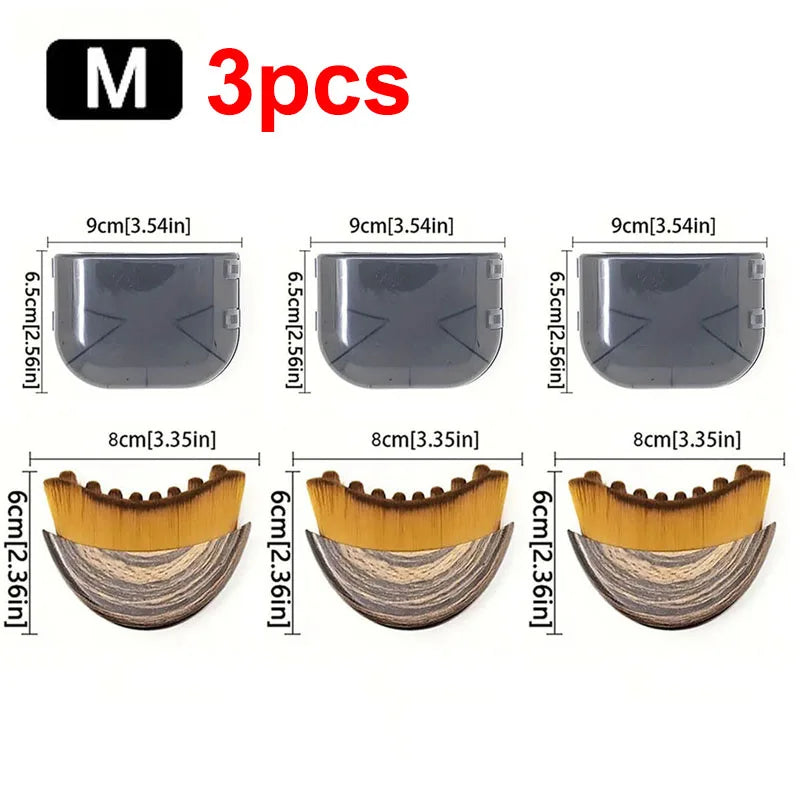
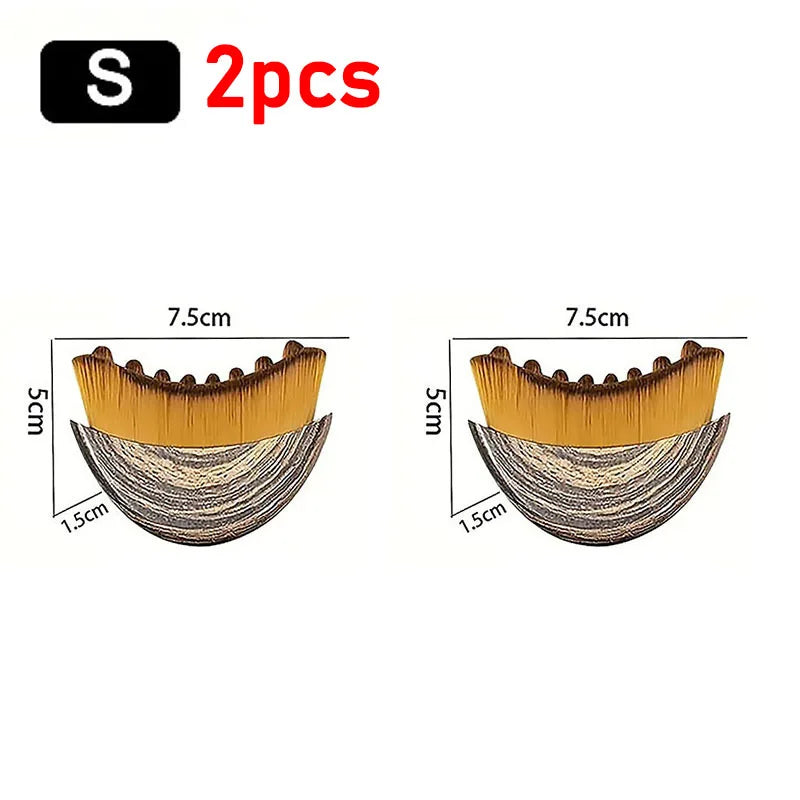
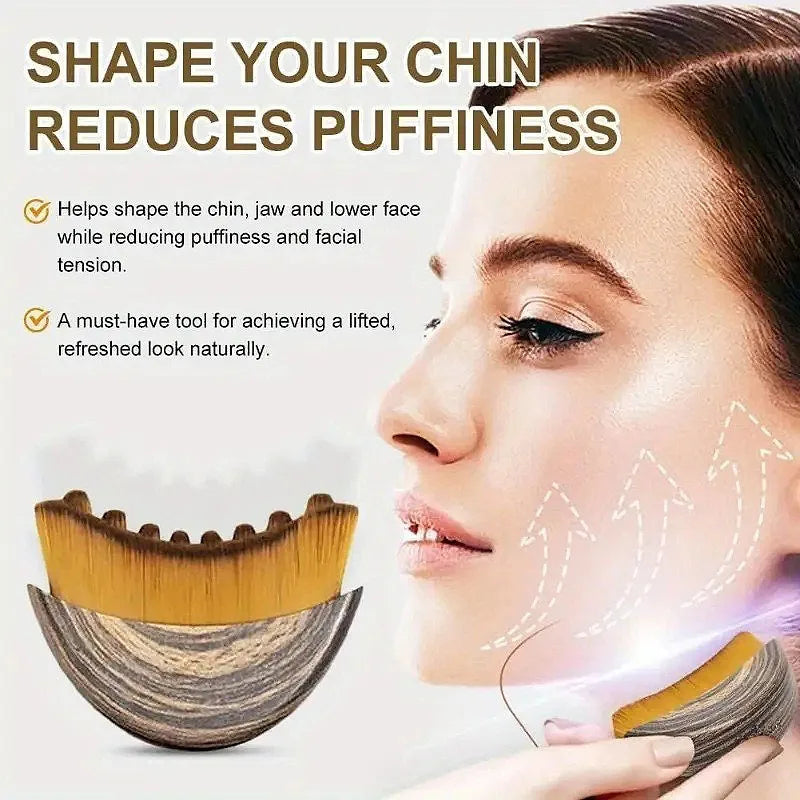
For readers who want a dedicated tool, the Lymphatic Face Brush for Sculpting & De-Puffing Facial Care is designed for gentle facial massage. Its contoured shape is intended to follow facial areas such as the cheeks and jawline, while its manual design means there are no batteries, cords, or complicated settings.
Common Facial Massage Mistakes That Can Make Puffiness Worse
Using too much pressure
More pressure does not necessarily mean better lymphatic massage. Aggressive rubbing can make the skin red or uncomfortable. Keep the pressure light enough that the movement remains soothing.
Pulling or stretching the skin
Facial skin should glide rather than be repeatedly dragged. Use enough skincare product or massage medium to reduce friction and keep movements controlled.
Massaging without adequate slip
Dry massage can create unnecessary friction. If your fingers or tool catch on the skin, apply an appropriate lightweight oil, serum, or moisturizer before continuing.
Expecting massage to remove permanent facial fullness
Facial massage is not a permanent facial contouring method. It may temporarily improve the appearance of puffiness, but it cannot permanently remove facial fat or change the underlying structure of your face.
Is Facial Lymphatic Drainage Massage Safe for Everyone?
Gentle facial massage is generally approached as a low-intensity skincare practice, but it is not appropriate for every situation. The reason for facial swelling matters.
When to avoid self facial lymphatic drainage massage
- Avoid massaging an area that is acutely painful, injured, or significantly inflamed.
- Do not use massage to self-treat unexplained or rapidly worsening swelling.
- Stop if the technique causes significant pain, irritation, or unusual symptoms.
- When you have a diagnosed condition affecting swelling or lymphatic drainage, follow the advice of your healthcare professional rather than assuming a cosmetic massage routine is appropriate.
Signs that facial swelling is not ordinary puffiness
Pay attention to swelling that is sudden, severe, persistent, one-sided, painful, associated with fever, or accompanied by other concerning symptoms. Facial swelling with breathing difficulty or signs of a serious allergic reaction requires urgent medical attention.
When to ask a healthcare professional
If facial swelling does not behave like your usual temporary morning puffiness, repeatedly occurs without an obvious explanation, or concerns you, seek appropriate medical advice. A skincare massage should complement normal self-care, not replace evaluation of a potentially medical cause.
How to Add Facial Massage to Your Morning Skincare Routine
A simple morning sequence
Keep the routine easy enough to repeat. Clean your hands and face, apply a lightweight product for slip, spend 2–3 minutes on a quick sequence when you are rushed, or complete the 5–10 minute routine when you have more time. Finish with your normal skincare and sun-protection routine as appropriate.
If you are building a broader home beauty routine, the Skin and Beauty Care Devices collection provides a wider starting point for exploring skincare-related tools.
Pairing massage with hydration and skincare
Facial massage works best as one small part of a consistent skincare routine. Do not treat massage as a substitute for basic skincare habits. Use products appropriate for your skin, maintain comfortable hydration, and protect your skin from excessive sun exposure.
A manual tool can make the massage ritual easier to repeat. The Lymphatic Face Brush uses a rubber construction, requires no power source, and is designed for controlled facial massage with gentle pressure. Its non-electric format can also be convenient for a morning routine at home or while traveling.
How to track whether the routine works for you
Instead of judging the routine immediately after every stroke, observe how your face looks and feels before and after the routine over several occasions. Morning lighting, sleep, diet, hydration, and other factors can all affect how puffy your face appears.
Look for practical outcomes such as a temporarily less puffy appearance, a more refreshed-looking complexion, or a massage experience that fits comfortably into your routine. If you consistently need increasingly stronger pressure to see an effect, that is a reason to reassess the technique rather than simply pressing harder.
For additional at-home wellness tools, you can browse Body Care and Health Devices while keeping facial massage as a simple, technique-focused part of your routine.
Facial Massage for Puffiness: Key Takeaways
- Temporary facial puffiness can occur after sleep and may also be influenced by fluid retention, diet, travel, crying, or inactivity.
- Gentle facial massage may temporarily reduce the appearance of puffiness by supporting comfortable fluid movement.
- Start around the neck, then work through the jawline, chin, cheeks, under-eye area, and forehead before finishing with gentle neck strokes.
- Use light pressure. Deep or aggressive massage is not necessary.
- A 2–3 minute routine can work when time is limited, while a complete routine can take approximately 5–10 minutes.
- Hands, gua sha, facial rollers, and manual massage brushes can all be used, depending on your preferred level of control and convenience.
- Facial massage does not permanently remove facial fullness or change facial structure.
- Unusual, severe, painful, persistent, or rapidly worsening facial swelling should not simply be treated as cosmetic puffiness.
For a simple morning ritual, consistency and gentle technique matter more than force. If you prefer using a dedicated tool, the Lymphatic Face Brush can provide a controlled, non-electric way to practice facial massage without adding batteries, cords, or complicated settings to your routine.
When used gently and appropriately, a few minutes of facial massage can be an easy way to make a tired, puffy-looking face appear temporarily more refreshed. The key is to keep expectations realistic, use comfortable pressure, and recognize when facial swelling may require medical evaluation instead of massage.
Pillar Article: Face Brush for Lymphatic Drainage: How to Choose the Right Tool













