
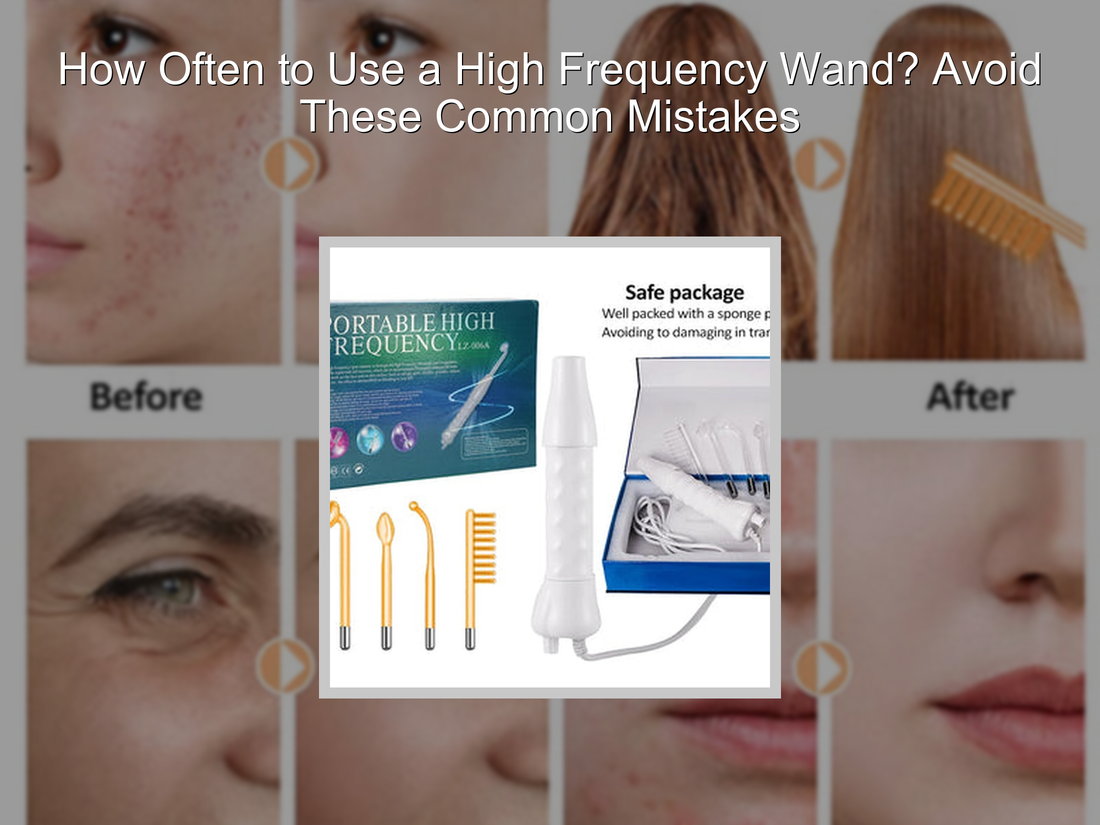
Can You Use a High Frequency Wand Every Day? Safe Usage Guide & Frequency Recommendations
Wondering how often to use a high frequency wand without damaging your skin? This electrotherapy facial tool has become a popular at-home skincare device for acne, skin tightening, and improved circulation. However, using it too often can lead to irritation, dryness, or reduced comfort. In this guide, you'll learn the ideal treatment frequency, when daily use may be appropriate, signs of overuse, and how to safely incorporate a high frequency wand into your skincare routine.
Tags: how often to use high frequency wand, can you use a high frequency wand every day, high frequency wand frequency, electrotherapy benefits, high frequency wand side effects, electrotherapy machine benefits, high frequency facial wand does it work, skin tightening tools, deep pore cleansing, anti-aging tools, at-home facial device, blemish treatment
Meta Description: Can you use a high frequency wand every day? Learn the safest treatment frequency, dermatologist recommendations, side effects, benefits, and expert usage tips.
⏱ 8 min read

See it in action — how often to use a high frequency wand for blemish treatment and anti-aging support
Quick Answer: Can You Use a High Frequency Wand Every Day?
In most cases, no—you should not use a high frequency wand on your entire face every day. Most skincare professionals recommend using an at-home high frequency wand 2–4 times per week with rest days between treatments.
While occasional daily use may be appropriate for short-term acne spot treatment, using a high frequency wand every day on large areas of skin can increase the risk of irritation, dryness, sensitivity, and skin barrier disruption.
The Short Answer
If you're wondering, "can I use a high frequency wand every day?" the safest answer for most people is no. Consistent treatments with recovery time between sessions tend to provide better results than daily use.
When Daily Use May Be Appropriate
- Short-term acne spot treatment
- Small treatment areas only
- Low-intensity settings
- No signs of irritation or dryness
When Daily Use Is Too Much
- Full-face treatments every day
- Sensitive skin types
- Compromised skin barrier
- Use alongside strong exfoliants or retinoids
What Dermatologists Generally Recommend for High Frequency Wand Frequency
Although recommendations vary, most skincare professionals suggest starting conservatively and increasing frequency only if your skin tolerates treatment well.
Why Recovery Time Matters
Skin requires time to recover between treatments. Rest days help minimize irritation and allow the skin barrier to maintain healthy function.
Typical At-Home Treatment Frequency
- Beginners: 1–2 sessions per week
- Acne-prone skin: 2–4 sessions per week
- Maintenance: 1–3 sessions per week
- Sensitive skin: 1 session weekly or less
Why More Is Not Always Better
Using a high frequency wand more often does not necessarily improve results. Overuse may increase redness, dryness, and irritation while reducing treatment comfort.
How High Frequency Wands Work on the Skin
A high frequency wand uses low-level electrical currents delivered through a glass electrode. When applied to the skin, the current creates a mild stimulation effect that has long been used in professional facial treatments.
Oxygenation and Ozone Effect
The electrical current interacts with the surrounding air to generate a small amount of ozone. This oxygenating effect may help create a less favorable environment for acne-causing bacteria and is one reason these devices are frequently used in acne-focused facials.
Circulation and Cell Stimulation
High frequency treatments temporarily increase local circulation. Improved blood flow may help deliver oxygen and nutrients to skin tissues while supporting the skin's natural repair processes.
Why This Helps Acne and Skin Healing
The combination of oxygenation and circulation support may help calm blemishes, reduce visible inflammation, and improve overall skin appearance when used consistently and appropriately.
To learn more about acne-focused treatments, read our guide on how high frequency wands treat acne .
How Often Should You Use a High Frequency Wand?
Recommended Frequency for Beginners
Most beginners should start with one or two treatments per week. This allows you to evaluate how your skin responds before increasing frequency.
How Often to Use High Frequency Wand on Face
For general facial treatments, 2–3 sessions per week is often sufficient. Individual sessions typically last between 5 and 15 minutes depending on treatment area.
How Often Can You Use a High Frequency Wand Safely?
Many users tolerate treatments every other day. Daily full-face use is generally unnecessary and may increase the likelihood of irritation.
Professional vs At-Home Treatments
Professional devices are often stronger than consumer models. Follow the treatment schedule recommended by your provider when receiving in-office treatments.
High Frequency Wand Usage by Skin Type
Acne-Prone Skin
Many people with acne-prone skin tolerate treatments 2–4 times per week, with occasional spot treatment used more frequently if needed.
Oily or Congested Skin
Two to three weekly sessions are typically sufficient for maintenance and oil-control support.
Sensitive Skin
Start with one treatment weekly at the lowest comfortable setting. Monitor carefully for redness, stinging, or dryness.
Dry or Dehydrated Skin
Limit treatment frequency and prioritize hydration. Overuse may worsen feelings of dryness.
Mature Skin
Two to three sessions per week are commonly used as part of a broader anti-aging skincare routine.
Recommended Usage by Skin Concern
How Often to Use High Frequency Wand for Acne
Most acne-focused routines use treatments 2–4 times per week. Daily use should generally be limited to isolated blemish treatment rather than the entire face.
For additional acne-focused guidance, explore our best acne-fighting electrotherapy routine .
Frequency for Fine Lines and Aging Skin
Two to three weekly sessions are typically used for maintenance purposes.
Frequency for Occasional Breakouts
One to two treatments weekly may be sufficient for mild concerns.
Frequency for Post-Inflammatory Marks
Consistency is generally more important than frequency. Moderate treatment schedules often outperform aggressive daily use.
High Frequency Wand Treatment Schedule (Quick Chart)
Beginner Schedule
- Week 1–2: 1–2 sessions weekly
- Week 3–4: 2 sessions weekly
- After adaptation: increase if needed
Maintenance Schedule
- Normal skin: 2–3 times weekly
- Sensitive skin: 1 time weekly
- Mature skin: 2–3 times weekly
Acne Spot-Treatment Schedule
- Individual blemishes: as tolerated
- Full-face acne treatments: 2–4 times weekly
- Reduce frequency if irritation develops
Signs You're Using a High Frequency Wand Too Often
Common Symptoms of Overuse
- Persistent redness
- Dryness or flaking
- Skin sensitivity
- Burning sensations
Skin Barrier Damage Warning Signs
- Increased reactivity to skincare products
- Tightness after cleansing
- Unexpected irritation
- Prolonged discomfort
When to Stop Treatments
If irritation persists, discontinue use temporarily and allow the skin barrier to recover before resuming treatments.
Learn more about recovery strategies in our guide to protecting your skin barrier during facial treatments .
High Frequency Wand Benefits vs Risks
Potential Benefits
- May support acne management
- Can temporarily reduce inflammation
- May improve overall treatment consistency
- Often used in professional facial treatments
Potential Side Effects
- Dryness
- Redness
- Irritation
- Temporary sensitivity
Risk-to-Benefit Summary
For most users, moderate treatment frequency offers the best balance between potential benefits and minimizing side effects.
Step-by-Step: How to Use a High Frequency Wand Safely
- Cleanse your skin — Start with a gentle cleanser to remove dirt and oils.
- Pat skin dry — Never use the wand on damp skin.
- Choose your electrode — Use mushroom for larger areas or bent electrodes for spot treatment.
- Power on and ground — Touch the electrode before contact to reduce sparking.
- Move in circular motions — Glide the wand gently across treatment areas.
- Limit sessions — Keep treatments brief and avoid excessive exposure.
- Apply moisturizer — Help support skin hydration after treatment.
For best results, follow with skincare products from the Skin and Beauty Care Devices collection designed to complement electrotherapy treatments.
For more detailed instructions, read our step-by-step guide: how to use a high frequency wand for acne .
Common Mistakes to Avoid When Using a High Frequency Wand
Using It Too Frequently
Daily full-face treatments are one of the most common causes of irritation.
Excessive Treatment Duration
Longer sessions do not necessarily produce better results. Follow device recommendations and avoid extending treatment times unnecessarily.
Using High Intensity Too Soon
Beginners should start at lower settings and increase gradually as tolerated.
Combining with Irritating Actives
Be cautious when pairing treatments with strong acids, retinoids, or other potentially irritating skincare products.
For additional guidance, review our facial wand usage tips .

See it in action — avoid high frequency wand side effects with proper use
High Frequency Wand Side Effects and Safety Warnings
Temporary Side Effects
- Mild redness
- Temporary dryness
- Slight tingling sensations
Long-Term Risks of Overuse
- Skin barrier disruption
- Increased sensitivity
- Chronic irritation
Who Should Not Use a High Frequency Wand
- Individuals with pacemakers
- People with certain medical implants
- Pregnant individuals unless cleared by a healthcare professional
- Those advised against electrical facial devices by a healthcare provider
Contraindications and Medical Conditions
Consult a qualified healthcare professional before use if you have underlying medical conditions or concerns about device safety.
Are High Frequency Wands Safe?
Home Devices vs Professional Devices
Most consumer devices operate at lower intensities than professional equipment and are designed for home use when instructions are followed properly.
Current Evidence and Limitations
High frequency devices have been used in facial treatments for decades, but evidence quality varies depending on the specific skin concern being evaluated.
Safety Best Practices
- Follow manufacturer instructions
- Avoid excessive treatment frequency
- Monitor for irritation
- Stop use if adverse reactions occur
For comparison with other skincare technologies, see our guide on LED light therapy vs high frequency .
High Frequency Facial Wand—Does It Work?
High frequency treatments remain popular because many users report improvements in skin clarity, temporary reduction of blemish-related inflammation, and enhanced skin appearance when treatments are used consistently.
Potential benefits may include:
- Reduced appearance of active breakouts
- Improved circulation
- Support for blemish recovery
- Enhanced skin radiance
Results vary from person to person, and these devices work best as a supportive tool within a comprehensive skincare routine rather than as a standalone solution.
Explore more evidence-based options in our guide to best high frequency wand devices .

See it in action — explore real electrotherapy machine benefits today
Frequently Asked Questions
Can I use a high frequency wand every day?
Most users achieve better results with 2–4 weekly treatments rather than daily full-face use.
Can you use a high frequency wand every day for acne?
Daily spot treatment may be tolerated temporarily, but full-face daily treatments are usually unnecessary.
How often should I use a high frequency wand?
Frequency depends on skin type, goals, and sensitivity, but 2–4 weekly sessions are common.
How long should each session last?
Most at-home sessions range from 5–15 minutes.
What happens if I use it too often?
Overuse may lead to redness, dryness, irritation, and increased skin sensitivity.
Is it safe for sensitive skin?
Yes, but treatments should be less frequent and performed at lower intensity settings.
Can I use it twice a day?
Twice-daily use is generally unnecessary and increases the likelihood of irritation.
What age is best to start using it?
There is no universal age requirement, but treatment should align with individual skin concerns and device instructions.
Related Articles:
- What’s the Best Time to Use Your High Frequency Wand?
- Can You Use a Facial Wand During Pregnancy? Safety Facts Inside
- Beginner’s Guide: Using Electrotherapy at Home Without Guesswork
- Stop Doing This with Your Facial Wand—Usage Tips You Need Today
- How to Use a High Frequency Wand the Right Way—Step-by-Step
Pillar Articles:













