

How to Reduce Face Puffiness: Fast Relief, Causes & Prevention
Waking up with a puffy face can make you look more tired than you feel. If you are wondering how to reduce face puffiness quickly, the most useful approach depends on why the puffiness appeared. Temporary facial puffiness can be associated with normal overnight fluid shifts, salty meals, alcohol, poor sleep, crying, heat, dehydration, allergies, nasal congestion, or hormonal fluctuations. In many cases, simple measures such as staying upright, using gentle cooling, and performing light facial massage can make the face look less swollen over time.
The key is to separate temporary de-puffing from permanent facial slimming. These techniques may improve the appearance of fluid-related puffiness, but they do not melt facial fat or permanently reshape your face. This guide covers what can help within minutes, what may help over several hours, how to massage a puffy face gently, how to prevent recurring puffiness, and when facial swelling deserves medical attention.
What Causes Facial Puffiness?
Facial puffiness usually describes a temporary swollen or fuller-looking appearance caused by changes in fluid balance, inflammation, circulation, or another underlying trigger. The face can look particularly puffy after sleeping because fluid distribution changes while you are lying down. The appearance can also become more noticeable around the eyes, cheeks, and jawline.
Fluid retention and normal overnight fluid shifts
Morning puffiness is often more noticeable because you have spent several hours lying horizontally. Normal fluid movement can make the face appear fuller when you first wake up, particularly around the eyes. This type of puffiness may gradually become less noticeable after you get up, move around, and return to your normal daily routine.
Common triggers: sodium, alcohol, dehydration, and heat
A meal high in sodium can temporarily affect fluid balance, while alcohol can contribute to dehydration and disrupted sleep. Heat may also make swelling or fluid retention more noticeable. Dehydration is not a reason to force large amounts of water; instead, returning to normal, adequate hydration is generally more sensible than water loading.
Sleep disruption, crying, and hormonal fluctuations
Poor or interrupted sleep can make facial puffiness and tired-looking skin more noticeable. Crying can temporarily produce swelling around the eyes and face. Hormonal fluctuations can also influence fluid balance and may contribute to recurring changes in how puffy the face looks.
Allergies, nasal congestion, and other causes of facial swelling
Allergies and nasal congestion can make the area around the eyes and face appear swollen. When congestion or allergic symptoms are the primary trigger, addressing those symptoms is more useful than repeatedly trying cosmetic massage techniques.
How to Reduce Face Puffiness Quickly: The Fastest Options
If you want your face to look less puffy as soon as reasonably possible, start with simple, low-risk measures rather than aggressive rubbing or extreme treatments. The following options are useful for temporary cosmetic de-puffing.
1. Use a cool compress for a few minutes
A cool compress can temporarily make puffy areas look less swollen and can feel soothing, especially around the eyes. Use a cool, comfortable compress rather than placing ice directly against the skin. Keep the pressure light and stop if the skin becomes painful, numb, excessively red, or uncomfortable.
2. Stay upright and elevate your head
Getting out of bed and staying upright allows normal fluid movement to resume after several hours of lying down. If you are resting, keeping your head comfortably elevated can also help reduce the appearance of fluid pooling. Avoid forcing your head into an uncomfortable position simply to reduce puffiness.
3. Use gentle facial massage
Light facial massage can be incorporated into a morning skincare routine when the skin is comfortable and there are no signs of acute swelling, infection, or significant irritation. Use slow, gentle strokes rather than trying to force fluid through the tissues. The goal is a soothing massage and a temporarily more refreshed appearance, not aggressive manipulation.
4. Address the likely trigger
If yesterday included a very salty meal, alcohol, unusually poor sleep, prolonged heat exposure, crying, or significant congestion, addressing the trigger can be more useful than adding more cosmetic techniques. Return to normal hydration, allow your body to recover, and avoid adding another likely trigger while the puffiness settles.
How to Reduce Puffiness in Face After Waking Up
For typical morning puffiness, a simple 10-minute routine can combine several gentle strategies. The purpose is not to make swelling disappear instantly, but to help the face transition from its overnight appearance to its normal daytime appearance.
A simple 10-minute morning de-puffing routine
- Get upright. Sit or stand rather than remaining flat in bed.
- Use a cool compress. Apply comfortable cooling for a few minutes, especially to areas that look puffy.
- Perform gentle facial massage. Use light, controlled strokes across the neck, jawline, cheeks, and forehead.
- Address congestion if relevant. If allergies or nasal congestion are contributing, focus on managing the underlying symptoms appropriately.
- Return to normal hydration. Drink fluids according to your usual needs rather than attempting to flush puffiness away with excessive water.
How long does morning facial puffiness usually last?
There is no single timeline for every person. Puffiness caused by ordinary overnight fluid shifts may become less noticeable as the morning progresses, while puffiness related to alcohol, allergies, inflammation, poor sleep, or another trigger can last longer. If swelling repeatedly persists, worsens, or occurs without an obvious explanation, consider discussing it with a healthcare professional rather than continually treating it as a cosmetic concern.
What not to do when your face is puffy
- Do not aggressively rub or press swollen areas.
- Do not apply extreme cold directly to the skin.
- Do not force excessive amounts of water as a quick fix.
- Do not rely on unproven detox claims.
- Do not massage unexplained acute swelling instead of seeking appropriate evaluation.
Facial Massage for Puffiness: A Gentle Step-by-Step Technique
Facial massage can be a useful self-care technique for a temporarily puffy, tired-looking face. A lymphatic-style massage should be gentle. More pressure is not necessarily better, and facial massage should never be treated as a substitute for medical care when swelling has an unusual, painful, or rapidly worsening presentation.
What facial massage can and cannot do
Gentle massage may temporarily improve the appearance of facial puffiness and can make a skincare routine feel soothing and refreshing. It does not melt facial fat, permanently slim the face, or change your underlying facial structure. Any visible de-puffing should be understood as a temporary appearance change rather than permanent facial contouring.
Step 1: Prepare the skin and use light pressure
Start with clean hands and comfortable skin. If needed, use a suitable skincare product that allows your fingers or massage tool to glide without pulling the skin. Relax your jaw and facial muscles. Begin with very light pressure; facial tissue, especially around the eyes, does not require forceful massage.
Step 2: Start around the neck and collarbone
Begin with gentle strokes around the lower neck and collarbone area. Use slow movements that feel comfortable rather than digging into the tissue. This sequence is commonly used in gentle lymphatic-style facial massage routines, but it should not be presented as treatment for a diagnosed lymphatic disorder.
Step 3: Massage the jawline and lower face
Move to the lower face and jawline. Using light pressure, glide along the jawline in controlled outward movements. Repeat several comfortable strokes on each side. If the skin becomes irritated or the pressure feels uncomfortable, reduce the pressure or stop.
Step 4: Move across the cheeks and under-eye area
Use gentle strokes across the cheeks, keeping the movements slow and controlled. The under-eye area requires extra care because the skin is delicate. Never press directly on the eyeball, and avoid aggressive pulling or rubbing around the eyes.
Step 5: Finish with the forehead and neck
Finish with light strokes across the forehead and then return toward the neck. Keep the entire routine comfortable. A short, gentle massage is preferable to prolonged, forceful manipulation.
When to skip facial massage
Skip facial massage when swelling is unexplained, sudden, severe, painful, rapidly worsening, or accompanied by other concerning symptoms. It is also sensible to avoid massaging areas affected by active skin irritation or infection. Cosmetic massage should never delay medical assessment when the cause of swelling is uncertain or potentially significant.
Optional tools for a consistent massage routine
You do not need a special device to perform gentle facial massage. Your hands can be enough. However, a manual tool may make it easier to maintain a consistent routine if you prefer a contoured grip and a dedicated skincare implement.
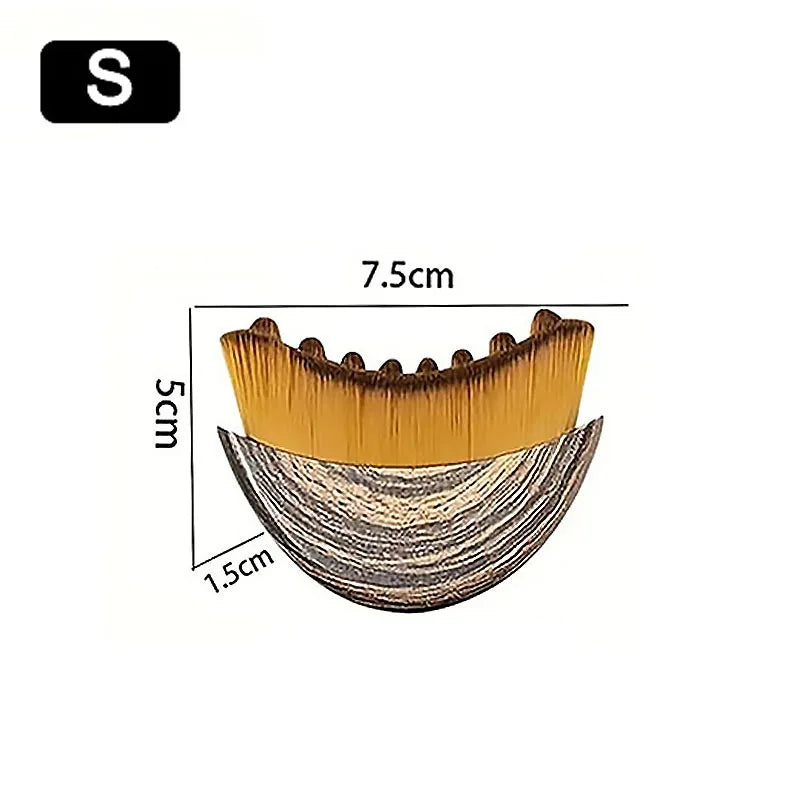
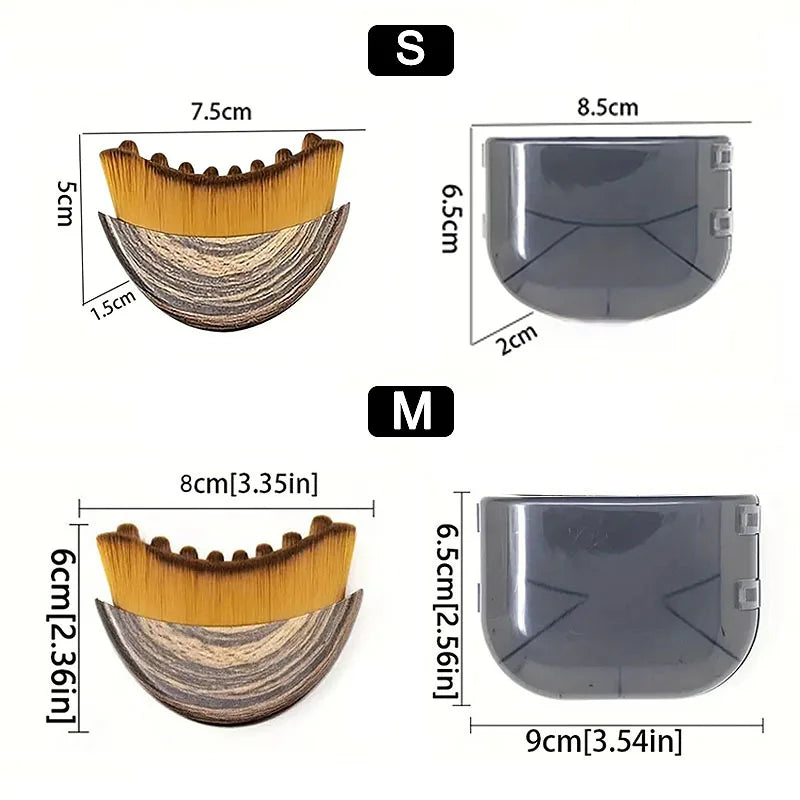
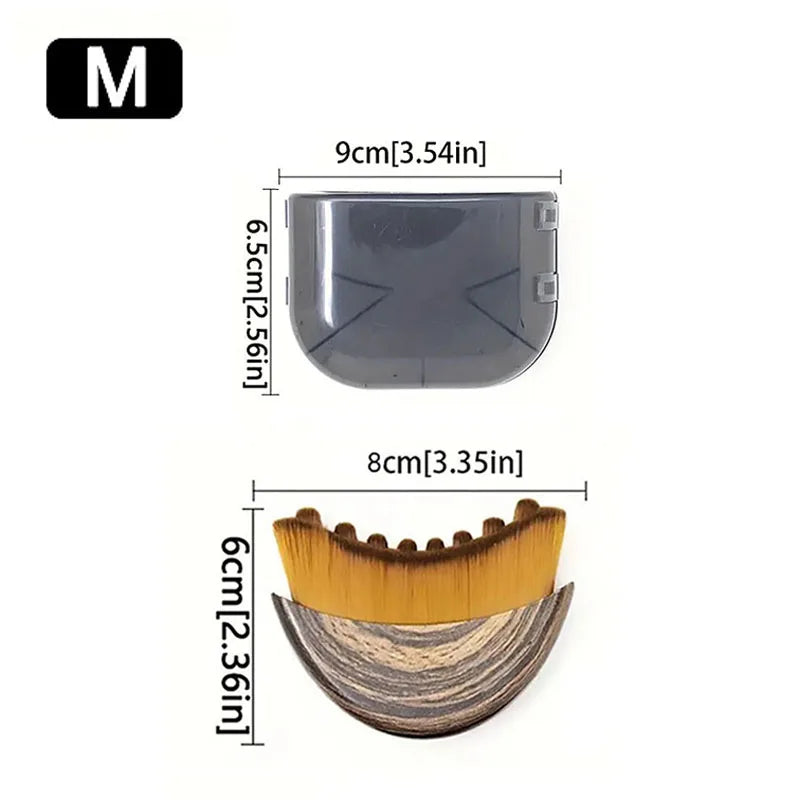
The Lymphatic Face Brush is a non-electric manual facial massage tool made from rubber. Its contoured design is intended to follow facial areas such as the cheeks and jawline, while its ergonomic shape provides controlled handling. It can be used with light pressure as an optional addition to a regular facial massage routine. It should be viewed as a massage aid, not a treatment for medical swelling.
If you want to explore other beauty-focused tools after establishing your basic routine, the Skin and Beauty Care Devices collection provides another optional starting point.
What May Help Reduce Facial Puffiness Over the Next Several Hours
Review your recent sodium intake
If puffiness followed a particularly salty meal, avoid responding with extreme restriction. Instead, return to a balanced eating pattern and your usual hydration habits. Sodium is an essential nutrient, so the goal is consistency and moderation rather than eliminating it completely.
Return to normal hydration
Normal hydration supports the body's usual fluid balance, but drinking excessive amounts of water does not guarantee faster de-puffing. If you have been under-hydrated, resume your normal fluid intake rather than treating water as a rapid detox strategy.
Address allergies and nasal congestion
When puffiness appears alongside sneezing, congestion, itchy eyes, or other allergy-related symptoms, managing the underlying trigger is more logical than repeatedly applying cosmetic techniques. Follow appropriate care for your known allergy or congestion symptoms.
Recover from poor sleep or alcohol exposure
If your face looks unusually puffy after a poor night's sleep or alcohol exposure, prioritize recovery. Normal hydration, adequate sleep, and avoiding additional alcohol can be more useful over the following hours than trying to force an immediate cosmetic transformation.
How to Prevent Recurring Face Puffiness
When puffiness happens frequently, prevention is usually more useful than relying on a new de-puffing trick every morning. Look for patterns in sleep, diet, allergies, medications, hormonal changes, and other recurring triggers.
Prioritize consistent sleep quality
Regular, adequate sleep may be more valuable for recurring morning puffiness than chasing increasingly aggressive cosmetic treatments. Try to maintain a consistent sleep schedule and give your body enough opportunity to recover.
Keep sodium intake consistent and moderate
Rather than dramatically restricting sodium after a puffy morning, aim for a balanced eating pattern. If you notice a clear relationship between unusually salty meals and temporary puffiness, reducing those large fluctuations may help you manage the pattern.
Stay adequately hydrated
Maintain normal hydration throughout the day instead of waiting until you feel dehydrated and then consuming excessive amounts of water. Hydration is part of general wellness, but it should not be marketed as a guaranteed cure for facial puffiness.
Manage known allergies and congestion
If allergies or nasal congestion repeatedly coincide with facial puffiness, addressing those symptoms can be more meaningful than repeatedly masking the appearance of swelling. Persistent symptoms may warrant professional guidance.
Avoid relying on de-puffing techniques for permanent facial slimming
A temporarily less puffy face is not the same thing as losing facial fat. Massage, cooling, hydration, and positioning can sometimes change how the face looks when fluid-related puffiness is present, but they should not be presented as permanent fat-loss methods.
Face Puffiness Troubleshooting: Match the Fix to the Likely Cause
The most useful response depends on what happened before the puffiness appeared. Use this framework to choose a reasonable next step instead of treating every type of swelling the same way.
| Likely trigger | What may help | What to expect |
| Puffy face after waking | Stay upright, use comfortable cooling, and try gentle facial massage. | Appearance may gradually improve as the morning progresses. |
| Puffiness after a salty meal | Return to normal hydration and a balanced diet. | Temporary fluid-related fullness may settle over time. |
| Puffiness after alcohol | Prioritize recovery, normal hydration, sleep, and avoiding additional alcohol. | Improvement may take several hours or longer depending on the trigger. |
| Puffiness after crying | Use gentle cooling, stay upright, and allow time for swelling to settle. | Eye and facial puffiness generally does not disappear instantly. |
| Puffiness with allergies or congestion | Address the underlying allergy or congestion symptoms appropriately. | Cosmetic massage alone may not resolve trigger-related swelling. |
| Recurring puffiness without an obvious trigger | Consider medications, hormonal factors, allergies, or other underlying causes and seek professional guidance when appropriate. | Persistent unexplained swelling should not be treated indefinitely as a cosmetic issue. |
When Is Facial Swelling a Reason to See a Doctor?
Not every puffy face is a medical emergency, but facial swelling can sometimes signal a condition that needs evaluation. The most important distinction is between mild, temporary puffiness with an obvious trigger and swelling that is sudden, severe, persistent, painful, asymmetric, or accompanied by other symptoms.
Get urgent help for sudden severe swelling or breathing problems
Seek urgent medical help if facial swelling develops suddenly and severely, particularly when it occurs with difficulty breathing or swelling of the lips, tongue, or throat. These symptoms can represent a potentially serious reaction and should not be managed with facial massage or cosmetic de-puffing techniques.
Seek medical evaluation for fever, significant pain, or rapidly worsening swelling
Facial swelling accompanied by fever, substantial pain, or rapidly worsening symptoms deserves medical assessment. These features may indicate infection or another condition that requires appropriate treatment.
Discuss persistent, unexplained, or one-sided facial swelling with a clinician
If facial swelling keeps returning without an obvious trigger, remains persistent, or occurs primarily on one side, consider discussing it with a healthcare professional. Repeatedly masking unexplained swelling with massage or cooling can delay attention to the actual cause.
Review possible medication or underlying health causes
Some medications and health conditions can contribute to swelling. If puffiness began after starting or changing a medication, or if it occurs alongside other unexplained symptoms, speak with an appropriate healthcare professional rather than stopping prescribed medication on your own.
Fast Relief vs. Prevention: What Actually Makes the Biggest Difference?
There is no single best answer to how to reduce face puffiness because different causes require different approaches. A practical way to think about it is to separate what may change appearance quickly from what can reduce recurring triggers.
For visible improvement within minutes
Start with upright positioning, comfortable cooling, and gentle facial massage. These approaches are simple and may temporarily improve the appearance of a puffy face. Keep expectations realistic: visible improvement does not mean facial fat has been removed.
For improvement over several hours
Focus on the likely trigger. Return to normal hydration after dehydration, recover from poor sleep or alcohol exposure, avoid adding excessive sodium, and address allergy or congestion symptoms when they are relevant.
For preventing recurring puffiness
Focus on consistent sleep, balanced sodium intake, adequate hydration, and management of recurring allergies or other identifiable triggers. If the puffiness repeatedly occurs without a clear explanation, professional evaluation is more appropriate than continually adding new de-puffing techniques.
For readers who enjoy facial massage as part of a regular self-care routine, the Beauty & Self-Care Blog can also provide a broader place to explore related beauty routines and care ideas.
Frequently Asked Questions About Reducing Face Puffiness
How can I reduce face puffiness quickly?
For temporary puffiness, try staying upright, using a comfortable cool compress for a few minutes, and performing gentle facial massage. Then address the likely trigger, such as poor sleep, a salty meal, alcohol, allergies, or congestion. Results vary, and these methods do not permanently remove facial fat.
How to reduce puffiness in face after waking up?
Get upright, use gentle cooling, perform a light facial massage, address nasal congestion if relevant, and return to normal hydration. Morning puffiness can gradually become less noticeable as the day progresses.
Does facial massage help reduce face puffiness?
Gentle facial massage may temporarily improve the appearance of puffiness and provide a soothing skincare experience. It does not melt facial fat or permanently slim the face. Use light pressure and avoid massage when swelling is unexplained, painful, infected, or otherwise concerning.
What causes facial puffiness and swelling?
Common temporary contributors include normal overnight fluid shifts, sodium, alcohol, dehydration, heat, poor sleep, crying, hormonal fluctuations, allergies, and nasal congestion. Persistent, severe, painful, one-sided, or unexplained swelling can have other causes and may require medical evaluation.
When should facial puffiness be checked by a doctor?
Seek urgent help for sudden severe facial swelling accompanied by breathing difficulty or swelling of the lips, tongue, or throat. Medical evaluation is also appropriate for swelling with fever or significant pain, rapidly worsening swelling, persistent unexplained swelling, or recurring one-sided facial swelling.
Conclusion: Choose the Right Approach for Your Face Puffiness
When you wake up with a puffy face, the best first step is to identify the likely reason rather than assuming you need a stronger de-puffing treatment. For ordinary temporary puffiness, staying upright, using gentle cooling, and trying a light facial massage can provide a simple short-term routine. Over the following hours, normal hydration, recovery from poor sleep or alcohol, balanced sodium intake, and appropriate management of allergies or congestion may be more important.
Most importantly, remember the difference between temporary de-puffing and permanent facial slimming. A less swollen-looking face does not mean facial fat has been removed or the underlying facial structure has changed. And if swelling is sudden, severe, painful, rapidly worsening, one-sided, persistent, or accompanied by breathing problems, fever, or other concerning symptoms, treat it as a health issue rather than a cosmetic one.
If you want a simple manual tool to support a gentle facial massage habit, the Lymphatic Face Brush can be used as an optional addition to your routine. Its non-electric, contoured design is intended for comfortable facial massage with light pressure, making it easy to use at home or while traveling.
Pillar Article: Face Brush for Lymphatic Drainage: How to Choose the Right Tool













