❓ What is an ultrasonic cleaner for skin and how does it work?
✅ An ultrasonic skin cleaner uses high-frequency sound waves to gently exfoliate, remove dirt, and clear clogged pores. In just 5–10 minutes, it helps smooth texture, brighten dull skin, and boost serum absorption—making it a safe, non-invasive tool for daily skincare routines.
How to Use an Ultrasonic Face Cleaner: Step-by-Step Guide for Clearer, Smoother Skin
Want to know how to use an ultrasonic face cleaner for smoother, clearer skin in just minutes a day? An ultrasonic skin scrubber helps loosen oil, debris, and dead skin cells from the surface while supporting better absorption of your favorite serums. Whether you're dealing with clogged pores, blackheads, rough texture, or dullness, learning the correct technique can make a noticeable difference in your skincare results.
In this guide, you'll learn exactly how to use an ultrasonic skin spatula, which settings to choose, common mistakes to avoid, and what results you can realistically expect after consistent use.
⏱ 7 min read
See price — stock low!

See it in action — how to use ultrasonic cleaner for glowing, smoother skin
What Is an Ultrasonic Face Cleaner (Skin Scrubber)?
An ultrasonic face cleaner (also called a skin scrubber or face spatula) is a handheld skincare device that uses high-frequency ultrasonic vibrations to loosen dirt, oil, and dead skin cells from the pores.
How Ultrasonic Vibrations Remove Dirt & Oil
The device emits rapid vibrations (typically 24,000–30,000 Hz) that create a mild cavitation effect on damp skin. This helps:
- Break apart oil and debris trapped in pores
- Lift dead skin cells from the surface
- Improve product absorption when used in infusion mode
- Support a smoother, brighter-looking complexion
Unlike abrasive scrubs that physically rub the skin, ultrasonic cleansing relies on vibration and moisture to gently dislodge buildup while minimizing irritation.
Who Should (and Shouldn't) Use It
Ultrasonic skin scrubbers are ideal for:
- Oily or combination skin
- Clogged pores and blackheads
- Dull or rough texture
- People seeking gentle at-home exfoliation
Avoid or consult a dermatologist if you have:
- Active cystic acne or open wounds
- Severe rosacea or highly sensitive skin
- Recent chemical peels or laser treatments
- Significant skin irritation or infection
How to Use an Ultrasonic Face Cleaner: Step-by-Step Tutorial
Proper technique is essential for getting the best results from an ultrasonic skin scrubber. Follow these steps carefully to maximize pore cleansing while protecting your skin barrier.
Step 1: Cleanse Your Face Thoroughly
Start with a gentle cleanser to remove makeup, sunscreen, and surface dirt. Ultrasonic devices work best on already clean skin because they are designed to target pore buildup rather than makeup residue.
Step 2: Keep Skin Wet (Critical for Ultrasonic Function)
Apply water, facial mist, essence, or toner. Your skin must remain damp throughout the treatment—ultrasonic waves do not work effectively on dry skin.
If needed, reapply mist during the session to maintain smooth glide and comfort.
Step 3: Hold the Spatula at the Correct Angle (30–45° Rule)
Hold the blade at a 30–45° angle with the tip facing downward toward the skin. This allows loosened debris to lift away efficiently instead of being pushed deeper into pores.
Step 4: Glide Slowly Using Upward Motions
Move the device slowly across your skin using gentle upward strokes. Avoid pressing hard. The ultrasonic vibrations provide the cleansing action, not force.
Step 5: Focus on Blackhead-Prone Areas
Spend extra time on areas like the nose, chin, and T-zone where pores are more congested. Keep skin wet while working on these zones.
- Nose and sides of nostrils
- Chin and jawline
- Center forehead
- Oily T-zone areas
Step 6: Rinse, Calm, and Hydrate Skin
After treatment, rinse your face and apply a soothing toner, serum, and moisturizer to calm and rehydrate the skin barrier.
- Cleanse thoroughly. Remove makeup, sunscreen, and oil.
- Keep skin wet. Use water, mist, or toner throughout treatment.
- Select the appropriate mode. Deep clean, infusion, or lifting.
- Maintain a 30–45° angle. Let the device glide naturally.
- Focus on congested areas. Especially around pores and blackheads.
- Finish with hydration. Apply serum and moisturizer immediately after.
Try the ultrasonic skin spatula now

See it in action — ultrasonic face cleaner lifting impurities effortlessly
Prep & Aftercare Routine for Best Results
Pre-Treatment Checklist
- Remove all makeup and sunscreen
- Use a gentle cleanser
- Keep a facial mist or toner nearby
- Sanitize the device before use
- Tie hair away from the face
Post-Treatment Skincare Routine
- Apply a calming toner or essence
- Use a hydrating serum such as hyaluronic acid
- Seal moisture with a quality moisturizer
- Apply SPF if using during daytime hours
After ultrasonic cleansing, skin is often more receptive to skincare products. Hydrating and barrier-supporting ingredients are typically the best choice.
Ultrasonic Facial Modes Explained (How to Use Each Setting)
Many ultrasonic face cleaners include multiple treatment modes. Understanding each setting helps you get more value from your device.
Deep Cleaning / Exfoliation Mode
This mode is designed to loosen blackheads, excess oil, and dead skin cells. Use it on damp skin with the spatula edge positioned correctly for extraction.
Infusion Mode (Serum Penetration)
After cleansing, apply a water-based serum and flip the spatula so the flat side rests against your skin. This mode helps distribute skincare products more evenly across the surface.
Lifting Mode (Microcurrent or Massage)
Some devices include lifting functions that combine vibration, massage, or microcurrent technology. Glide upward along the cheeks, jawline, and neck to support firmer-looking skin.
Benefits of Using an Ultrasonic Face Cleaner
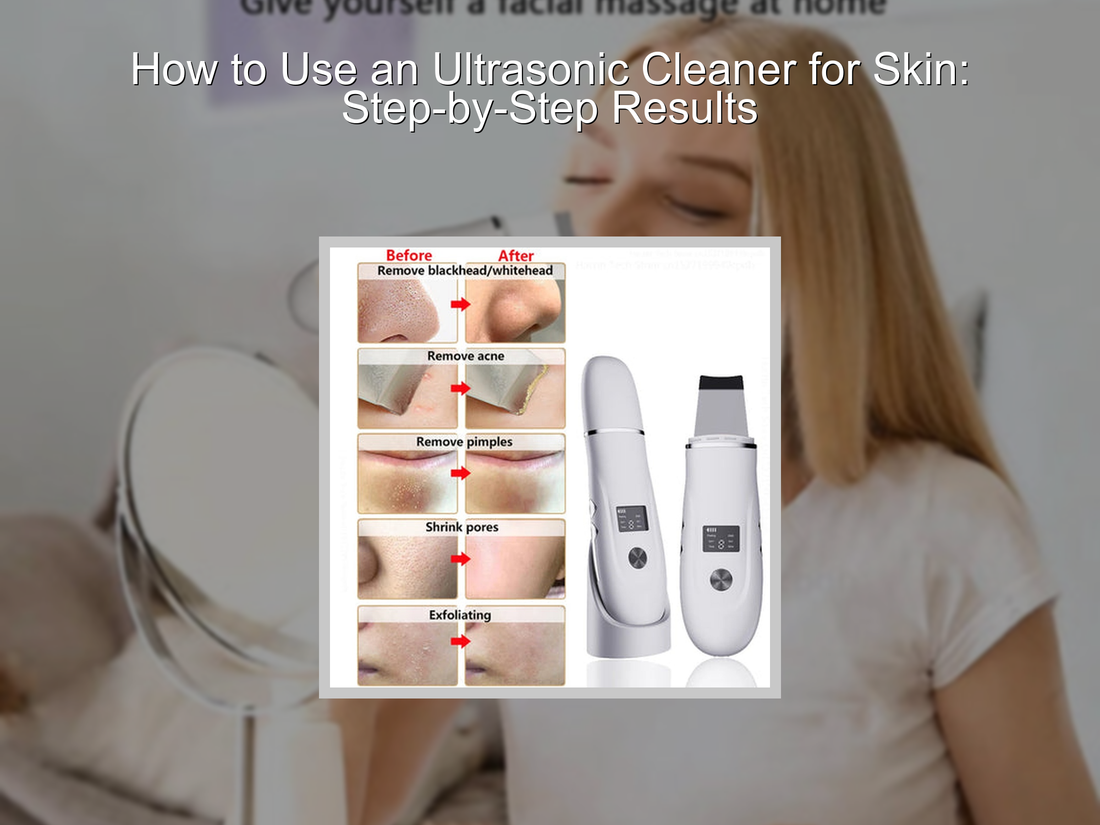
- Deep pore cleansing: Helps loosen oil and debris from congested pores.
- Gentle exfoliation: Removes dead skin cells without harsh scrubbing.
- Improved product absorption: Prepares skin for serums and moisturizers.
- Smoother texture: Helps refine rough or uneven skin.
- Brighter appearance: Encourages a fresher, more radiant complexion.
It’s no wonder the skin and beauty care device market continues to grow as more people seek effective, non-invasive skincare solutions.
Common Mistakes That Ruin Your Results
- Using the device on dry skin
- Holding the spatula flat instead of angled
- Pressing too hard against the skin
- Moving too quickly across the face
- Overusing the device and causing irritation
- Failing to clean the metal blade after use
Fixing these mistakes can dramatically improve your results after just one session.
Why Your Ultrasonic Skin Scrubber Isn't Removing Blackheads
If you're not seeing results, it's usually due to technique or expectations.
- Skin is not wet enough
- Angle is incorrect
- Blackheads are too deep or hardened
- You're moving too fast
- You're expecting instant extraction like professional facials
Ultrasonic devices loosen debris gradually—they are not a replacement for manual extraction or professional treatments.
For additional pore-clearing strategies, explore our related ultrasonic cleansing and blackhead care guides below.
How Often Should You Use an Ultrasonic Face Cleaner?
The ideal frequency depends on your skin type, oil production, and sensitivity level.
- Oily skin: 3–4 times per week
- Combination skin: 2–3 times per week
- Dry skin: 1–2 times per week
- Sensitive skin: Begin once weekly and increase gradually if tolerated
More is not always better. Overuse may compromise the skin barrier and increase irritation.
Results Timeline: What to Expect After 1 Use, 7 Days, and 30 Days
After 1 Use
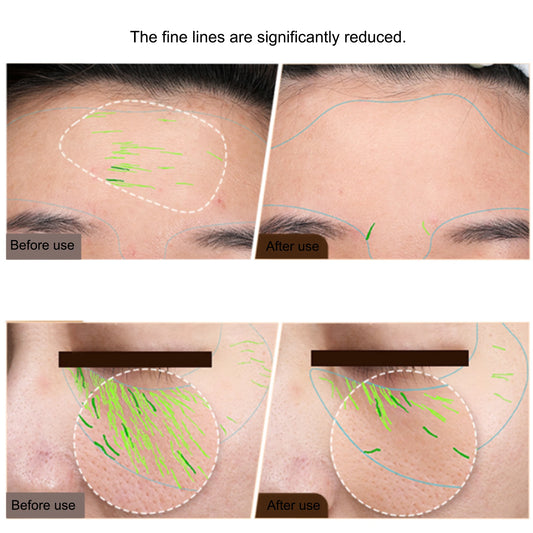
Smoother texture, cleaner-feeling pores, and a subtle glow. Some users notice visible debris lifted from congested areas.
After 7 Days
Pores often appear cleaner, skin feels softer, and makeup may apply more evenly due to improved texture.
After 30 Days
With consistent use, many users report fewer clogged pores, better skincare absorption, improved smoothness, and a more balanced complexion.
We tested a 7-day routine using the KentDO ultrasonic face scrubber and observed progressively smoother, brighter-looking skin throughout the trial period.
Ultrasonic Face Cleaner vs Other Facial Devices
| Device | Mechanism | Best For | Downside |
|---|---|---|---|
| Ultrasonic Skin Spatula | High-frequency vibration | Gentle exfoliation and pore cleansing | Requires damp skin |
| Rotating Brush | Manual or rotating bristles | Physical exfoliation | May irritate sensitive skin |
| Microdermabrasion Device | Suction and abrasion | Intensive resurfacing | More aggressive and expensive |
If you prefer non-abrasive exfoliation and regular maintenance, ultrasonic cleansing is often the gentlest option among popular at-home devices.
Cleaning, Maintenance & Device Hygiene
- Wipe the metal spatula with alcohol after each use
- Do not submerge the device in water unless specified by the manufacturer
- Store in a clean, dry place
- Charge regularly to maintain performance
- Inspect the blade for residue before every session
Proper maintenance helps prevent bacteria buildup and supports safe, effective skincare treatments.
Safety Tips & Contraindications
- Do not use on broken or inflamed skin
- Avoid excessive use—2–3 times weekly is enough for most users
- Stop use if irritation or redness persists
- Consult a dermatologist for severe acne conditions
- Wait until skin has recovered after professional procedures
Using the device correctly minimizes the risk of irritation while maximizing the benefits of ultrasonic cleansing.
Best Practices for Long-Term Results
- Use consistently according to your skin type
- Always keep skin damp during treatment
- Clean the device after every session
- Pair with hydrating ingredients such as niacinamide or hyaluronic acid
- Protect skin daily with sunscreen
Grab yours now before it's gone

See it in action — ultrasonic skin cleaner with daily use guidance
FAQ: Ultrasonic Face Cleaner Usage
Is it safe for sensitive skin?
Yes, but use the lowest setting and limit frequency to avoid irritation. Always monitor how your skin responds.
Can I use it with acne?
It may help with mild congestion and clogged pores, but avoid using it directly over active inflamed or cystic acne.
Should I use toner or water?
Either works, but hydrating toners generally improve glide, comfort, and overall treatment experience.
Why is nothing coming out of my pores?
This is usually due to dry skin, incorrect blade angle, moving too quickly, or expecting professional-level extraction in one session.
Can I use it every day?
No. For most skin types, 2–3 times per week is sufficient. Sensitive skin may require less frequent use.
Related Articles:
- Got an Ultrasonic Skin Spatula? Here’s How to Clean It the Right Way
- Ultrasonic Skin Cleanser Setup: What to Prep, Avoid, and Expect
- Face Scrubber Electric vs. Ultrasonic—Which One Should You Be Using?
- Your First Ultrasonic Cleansing Facial? Follow These 5 Must-Know Rules
- Stop Using Your Ultrasonic Facial Tool Wrong—Here’s What to Do Instead
Pillar Articles: