
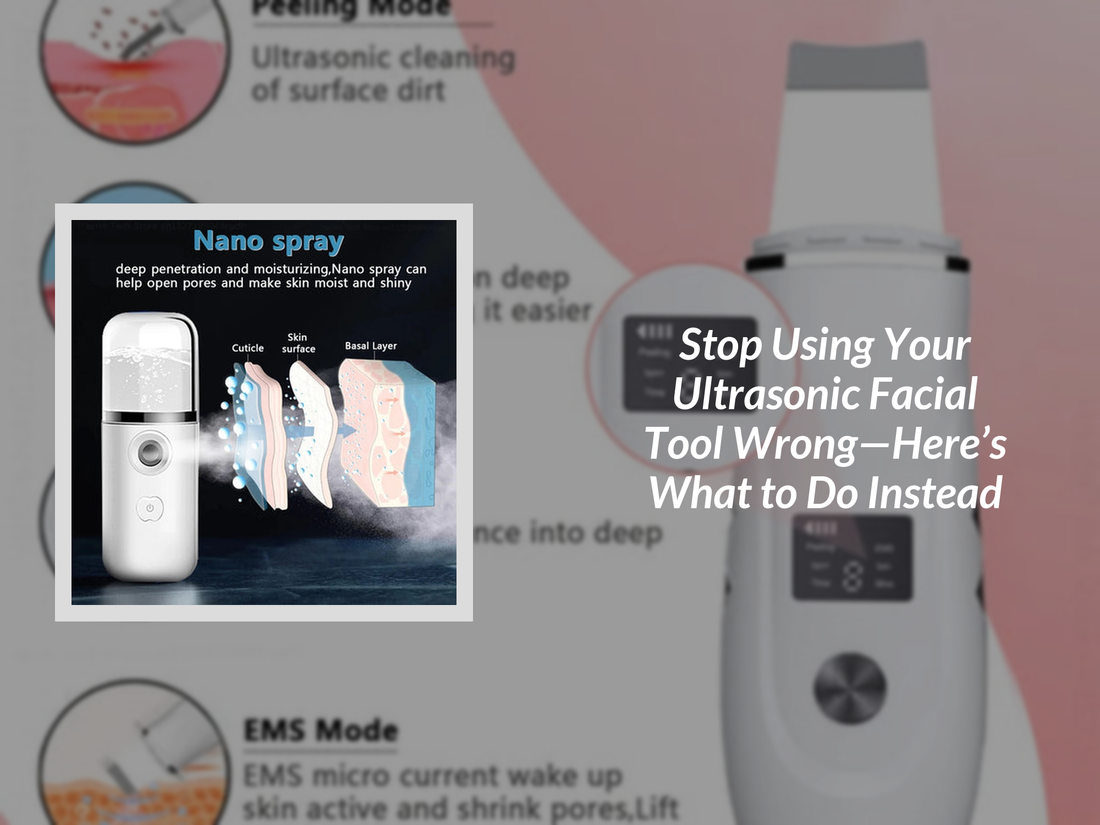
Ultrasonic Spatula Side Effects: Risks, Safety, Contraindications, and How to Use It Correctly
Ultrasonic facial tools are popular for deep pore cleansing and blackhead removal—but many people don’t realize improper technique can lead to irritation, dryness, or skin barrier damage. Understanding potential ultrasonic spatula side effects , contraindications, and safe-use practices can help you protect your skin while still benefiting from ultrasonic facial cleansing.
This guide explains how ultrasonic skin scrubbers work, the most common side effects, who should avoid them, and how to use an ultrasonic cleanser safely at home.
⏱ 6 min read

See it in action: ultrasonic cleanser for face for real glow-ups
What Is an Ultrasonic Skin Scrubber and How Does It Work?
An ultrasonic skin scrubber is a handheld ultrasonic facial tool that uses high-frequency vibrations to loosen dead skin cells, excess oil, and surface debris. Unlike traditional physical exfoliation methods, it does not rely on abrasive particles. However, incorrect use can still irritate the skin.
How Ultrasonic Facial Cleansing Uses High-Frequency Vibrations
During ultrasonic face cleaning, the metal blade vibrates rapidly against damp skin to help lift impurities from the surface. Most devices operate at tens of thousands of vibrations per second, allowing gentle exfoliation and pore cleansing without harsh scrubbing.
The process may improve the appearance of smoother, cleaner-looking skin, but excessive pressure, prolonged sessions, or unsuitable skin conditions can increase the likelihood of irritation.
Why Ultrasonic Face Cleaning Can Affect the Skin Barrier
The skin barrier serves as the body's natural defense against moisture loss, environmental stressors, and irritation. Overusing an ultrasonic facial cleanser or using it on already compromised skin may contribute to dryness, redness, inflammation, or increased sensitivity.
While ultrasonic exfoliation is generally considered gentler than many physical scrubs, moderation remains essential for maintaining healthy skin.

See ultrasonic facial cleansing in action: gentle yet deep
Ultrasonic Spatula Side Effects You Should Know Before Using One
Most ultrasonic skin scrubber side effects are linked to improper technique, excessive exfoliation, or using the device on unsuitable skin types. Understanding possible reactions can help prevent unnecessary irritation.
Temporary Redness, Tingling, or Skin Sensitivity
Mild redness or tingling can occur after ultrasonic facial cleansing, especially for first-time users. These reactions are usually temporary and often resolve within a few hours.
Persistent burning, swelling, severe discomfort, or prolonged redness may indicate irritation and should not be ignored.
Over-Exfoliation and Damage to the Skin Barrier
Using an ultrasonic skin scrubber too often may remove too much surface buildup and weaken the skin barrier. Common signs include dryness, tightness, peeling, stinging, and increased sensitivity to skincare products.
When the skin barrier becomes compromised, it may also become more reactive to sun exposure, pollution, and environmental stressors.
Dryness, Flaking, or Increased Irritation
People with naturally dry, dehydrated, or sensitive skin may experience additional irritation when ultrasonic exfoliation is combined with strong acids, retinoids, scrubs, or other exfoliating treatments.
Supporting the skin with hydrating serums and barrier-repair moisturizers can help reduce these risks.
Broken Capillaries and Worsening Skin Sensitivity
Applying excessive pressure or repeatedly treating the same area may aggravate visible redness and sensitivity. Individuals prone to broken capillaries or facial flushing should be particularly cautious.
Gentle technique is critical because ultrasonic devices are designed to glide across the skin rather than scrape aggressively.
Can an Ultrasonic Skin Scrubber Cause Breakouts?
An ultrasonic skin scrubber does not typically cause acne directly. However, breakouts may occur when irritation, excessive exfoliation, bacteria transfer, or poor device hygiene disrupt the skin's balance.
Cleaning the device thoroughly after each use and avoiding treatment over inflamed blemishes can help reduce this risk.
Ultrasonic Skin Scrubber Contraindications: Who Should Avoid It?
Although many people use ultrasonic facial cleansing devices safely, certain skin conditions may increase the risk of irritation or worsening symptoms.
Rosacea, Broken Capillaries, and Highly Reactive Skin
People with rosacea, persistent facial redness, or visible capillaries should approach ultrasonic exfoliation carefully. Vibrations and repeated scraping motions may trigger additional redness or discomfort in reactive skin.
Active Acne, Inflamed Pimples, and Skin Infections
Ultrasonic facial cleansing may not be suitable on painful cystic acne, inflamed blemishes, open lesions, or areas with active infection. Additional stimulation may increase irritation and delay healing.
Eczema, Damaged Skin Barrier, or Open Wounds
A compromised skin barrier often reacts poorly to exfoliation. Avoid using ultrasonic tools on peeling, cracked, sunburned, or irritated skin until it has recovered.
After Chemical Peels, Lasers, or Cosmetic Procedures
Following professional treatments such as chemical peels, laser resurfacing, microneedling, or other cosmetic procedures, the skin typically requires recovery time before additional exfoliation.
Always follow your provider's recommendations before resuming ultrasonic skin scrubber use.
Signs You Are Overusing an Ultrasonic Facial Tool
Using an ultrasonic skin scrubber too frequently may indicate that your skin barrier needs recovery time.
Symptoms of Excessive Ultrasonic Skin Exfoliation
- Persistent redness after treatments
- Increased dryness or peeling
- Stinging when applying skincare products
- More frequent irritation or sensitivity
- Skin feeling tight or uncomfortable
- Unexpected breakouts linked to irritation
- Rough or flaky patches that do not improve
If you experience several of these symptoms, reduce usage frequency and focus on barrier-supportive skincare until your skin normalizes.
How to Use an Ultrasonic Skin Scrubber Safely
Recommended Frequency and Usage Limits
Most users should avoid excessive ultrasonic exfoliation. While many skincare professionals recommend limiting treatments to one to three sessions per week, ideal frequency depends on skin type, sensitivity level, and how your skin responds after each treatment.
If irritation occurs, reduce frequency immediately and allow additional recovery time between sessions.
Proper Technique to Prevent Irritation
- Clean the device thoroughly before and after each use.
- Begin with freshly cleansed skin.
- Keep the skin properly damp throughout treatment.
- Hold the blade at a shallow angle.
- Avoid pressing aggressively against the face.
- Do not repeatedly treat the same area.
- Keep sessions relatively short and controlled.
Skincare Products and Conditions That Support Safe Use
Avoid combining ultrasonic exfoliation with multiple strong exfoliating products during the same routine. Overlapping exfoliation methods can significantly increase irritation risk.
Hydrating ingredients such as hyaluronic acid, ceramides, glycerin, and soothing moisturizers may help support the skin barrier after treatment.
What to Do If You Experience Ultrasonic Facial Side Effects
When to Stop Using the Device
Stop using an ultrasonic facial tool if you experience prolonged redness, burning, swelling, excessive dryness, worsening irritation, or signs of a compromised skin barrier.
Continuing treatment despite these symptoms may increase recovery time and discomfort.
How to Restore Your Skin Barrier
Focus on gentle cleansing, hydration, and avoiding additional exfoliation until your skin feels comfortable again.
- Use fragrance-free cleansers
- Apply barrier-repair moisturizers regularly
- Avoid exfoliating acids and retinoids temporarily
- Protect skin daily with sunscreen
- Maintain adequate hydration
If symptoms persist for several days or worsen, consult a dermatologist before restarting treatment.

Ultrasonic skin cleaning done right—get yours today
Looking for more self-care upgrades? Explore the full range of Skin and Beauty Care Devices or browse our Beauty & Self-Care Blog .
Are Ultrasonic Facial Cleansing Devices Safe Overall?
For most people, ultrasonic skin scrubbers are safe when used correctly and in moderation. They provide gentle exfoliation and pore cleansing without the harsh friction associated with many traditional scrubs.
Benefits vs. Potential Risks
The primary benefits include improved surface exfoliation, cleaner-looking pores, and smoother-feeling skin. Potential risks include irritation, over-exfoliation, dryness, and increased sensitivity when the device is misused.
Ultimately, safety depends on proper technique, appropriate frequency, skin condition, and realistic expectations. Understanding contraindications and side effects can help users maximize benefits while minimizing unwanted reactions.
Frequently Asked Questions About Ultrasonic Spatula Side Effects
Can ultrasonic skin scrubbers damage skin?
They can cause irritation, redness, dryness, or over-exfoliation when used too frequently, with excessive pressure, or on already compromised skin. Proper technique significantly reduces these risks.
Can ultrasonic facial cleansing cause acne breakouts?
Ultrasonic facial cleansing may appear to cause breakouts when irritation, over-exfoliation, or poor device hygiene affects the skin. Proper cleaning and moderate use can reduce this risk.
How often should you use an ultrasonic skin scrubber?
Most skincare professionals recommend limiting use to one to three times per week, depending on your skin type, tolerance, and overall skincare routine.
Is an ultrasonic facial tool safe for sensitive skin?
People with sensitive skin should use ultrasonic devices cautiously, limit treatment time, and discontinue use if irritation develops.
Who should not use an ultrasonic skin scrubber?
People with active skin infections, severe irritation, open wounds, uncontrolled rosacea symptoms, eczema flare-ups, or recently treated skin should avoid ultrasonic devices unless cleared by a healthcare professional.
Pillar Article: How to Use an Ultrasonic Cleaner for Skin: Step-by-Step Results
Other Related Articles:
- Got an Ultrasonic Skin Spatula? Here’s How to Clean It the Right Way
- Ultrasonic Skin Cleanser Setup: What to Prep, Avoid, and Expect
- Face Scrubber Electric vs. Ultrasonic—Which One Should You Be Using?
- Your First Ultrasonic Cleansing Facial? Follow These 5 Must-Know Rules
Explore More:













