❓ What is an ultrasonic cleaner for skin and how does it work?
✅ An ultrasonic skin cleaner uses high-frequency sound waves to gently exfoliate, remove dirt, and clear clogged pores. In just 5–10 minutes, it helps smooth texture, brighten dull skin, and boost serum absorption—making it a safe, non-invasive tool for daily skincare routines.
How to Use an Ultrasonic Face Cleaner: Step-by-Step Guide for Clearer Skin
Want to know how to use ultrasonic cleaner for smoother, clearer skin in just minutes a day? Discover how an ultrasonic face cleaner effortlessly lifts impurities, how an ultrasonic skin spatula refines texture, and why the ultrasonic skin cleaner is a game-changer for clogged pores and dullness. This simple routine can reveal a glowing complexion without harsh scrubs or pricey treatments. But what happens when you use it consistently for 7 days straight?
⏱ 7 min read
👉 See price — stock low!

💡 See it in action — how to use ultrasonic cleaner for glowing, smoother skin
What Is an Ultrasonic Skin Scrubber (Face Spatula)?
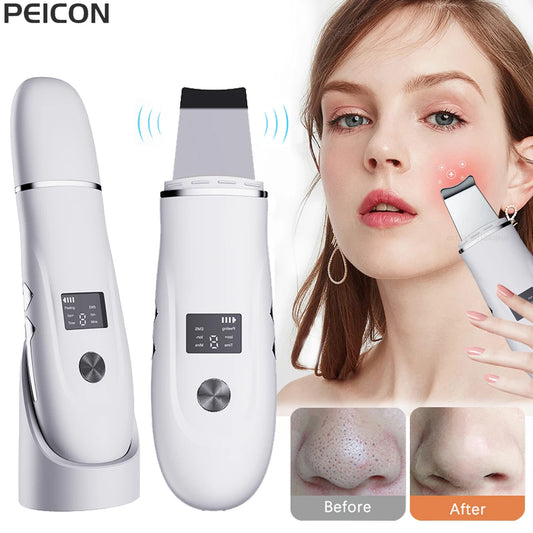
An ultrasonic skin scrubber—often called an ultrasonic face cleaner or ultrasonic skin spatula—is a handheld skincare device that uses high-frequency sound waves to exfoliate and remove debris from pores.
Unlike traditional scrubs that rely on abrasive particles, ultrasonic devices vibrate at extremely high speeds (typically around 24kHz–30kHz). These vibrations loosen oil, dirt, and dead skin cells so they can be lifted from the surface without irritating the skin.
How Ultrasonic Skin Scrubbers Work
When the metal spatula touches damp skin, ultrasonic vibrations create micro-oscillations that break apart impurities lodged in pores. The angled edge of the device then gently pushes those impurities away from the skin.
- High-frequency vibration loosens debris
- Moisture helps transmit ultrasonic waves
- The spatula edge lifts impurities from pores
- Skin becomes smoother and more receptive to skincare
This process mimics the exfoliation step of a professional facial—but in a gentler, at-home format.
Who Should Use an Ultrasonic Face Cleaner
Ultrasonic skin cleaners are especially helpful for people dealing with clogged pores, uneven texture, or dull skin.
- People with oily or combination skin prone to congestion
- Busy professionals wanting quick skincare routines
- Those avoiding harsh manual exfoliation
- Anyone looking to improve serum absorption
Because the treatment is non-invasive, many dermatologists and estheticians recommend ultrasonic cleansing as a safe addition to modern skincare routines.
How to Use an Ultrasonic Face Cleaner: Step-by-Step Tutorial
Using an ultrasonic cleaner correctly is key to getting visible results. Follow this step-by-step routine to safely remove buildup while improving your skin’s texture and clarity.
Step 1: Start With a Clean Face
Wash your face with a gentle cleanser to remove makeup, sunscreen, and surface oil. Ultrasonic tools work best when they target deeper pore debris—not surface residue.
Step 2: Keep Skin Damp (Why Moisture Matters)
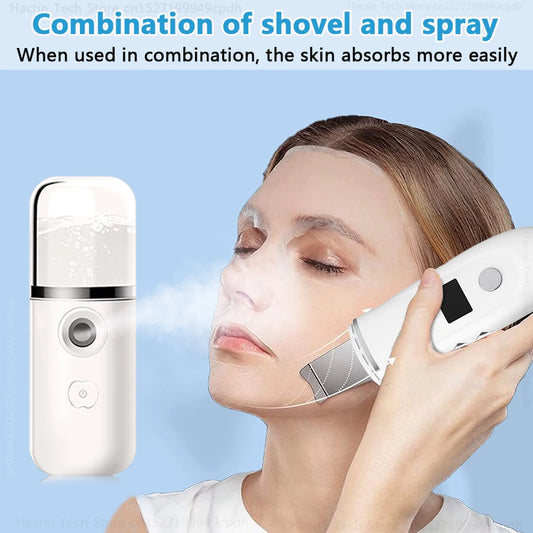
Ultrasonic waves travel best through water. Mist your face with a hydrating toner, essence, or plain water to ensure the vibrations glide smoothly across the skin.
Dry skin reduces the effectiveness of the device and can cause discomfort.
Step 3: Hold the Skin Scrubber at the Correct Angle
Position the spatula at roughly a 45-degree angle with the edge facing upward. This allows the device to gently push debris away from pores rather than pressing it deeper.
Step 4: Glide the Spatula Across Your Skin
Slowly move the device upward across the cheeks, nose, chin, and forehead. Use light pressure and let the ultrasonic vibration do the work.
Step 5: Focus on Congested Areas
Spend extra time around areas where pores clog easily:
- Nose and sides of the nostrils
- Chin and jawline
- Center of the forehead
- T-zone areas with excess oil
Step 6: Rinse and Apply Skincare
After treatment, rinse your face or wipe away loosened debris. Follow with hydrating skincare such as serums or moisturizers to maximize absorption.
- Start with a clean face. Wash using a gentle cleanser to remove surface dirt and makeup.
- Keep your skin wet. Mist your face with water or toner—moisture conducts the ultrasonic waves.
- Turn on your device. Use the “clean” or “lifting” mode depending on your goals.
- Glide at 45° angle. Move upward or outward across cheeks, nose, forehead, and jawline.
- Focus on pores and congestion. Spend extra time around the nose, chin, and T-zone.
- Finish with serum or moisturizer. Apply active ingredients while your skin is most receptive.
👉 Try the ultrasonic skin spatula now

💡 See it in action — ultrasonic face cleaner lifting impurities effortlessly
How to Use an Ultrasonic Skin Scrubber for Different Modes
Many ultrasonic face cleaners offer multiple modes designed for different skincare goals.
Exfoliation / Deep Cleaning Mode
This is the most common mode used for removing blackheads, excess oil, and dead skin. Use the spatula edge facing outward while gliding across damp skin.
Infusion Mode for Serums
Flip the spatula so the flat side touches your skin. This mode helps push hydrating ingredients such as hyaluronic acid or peptides deeper into the skin.
Lifting Mode (If Available)
Some devices use gentle micro-vibrations to stimulate circulation and support firmer-looking skin. Move the device upward along the jawline and cheeks.
Benefits of Using an Ultrasonic Face Cleaner
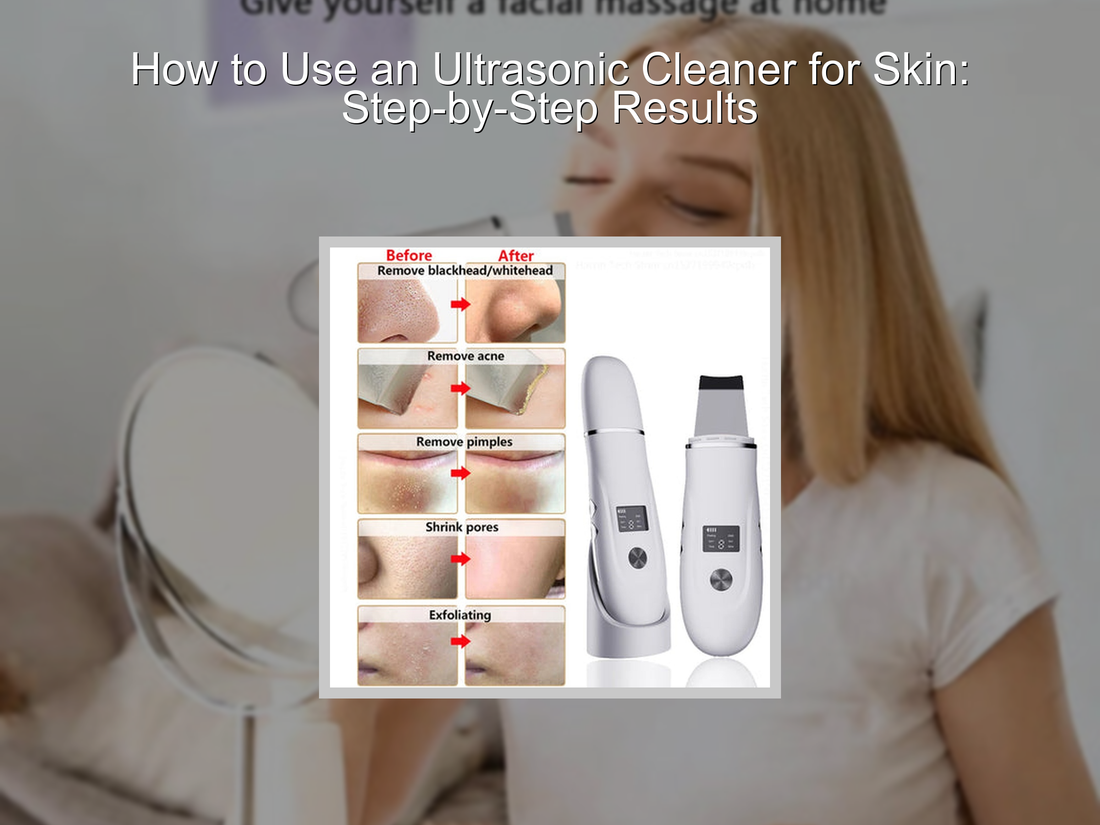
- Deep pore cleansing: Loosens blackheads and debris that washing can’t reach.
- Gentle exfoliation: Removes dead skin without microtears or irritation.
- Boosts product absorption: Prepares skin for serums, peptides, or moisturizers.
- Anti-aging benefits: Promotes collagen stimulation for firmer skin over time.
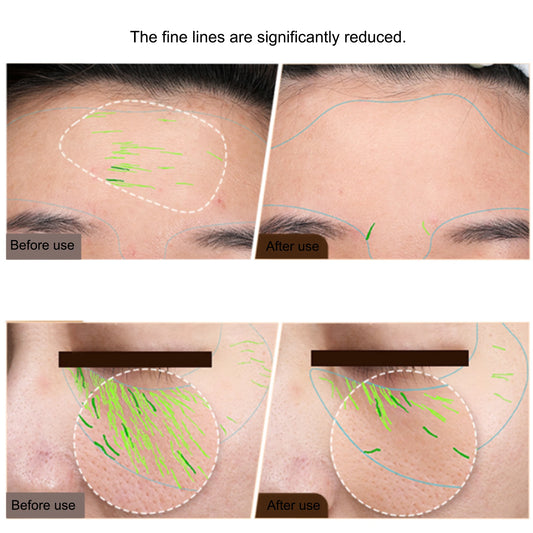
- Improves skin tone and clarity: Reveals a smoother, more radiant complexion.
It’s no wonder the skin and beauty care device market continues to grow—ultrasonic technology blends science and luxury effortlessly.
Common Mistakes to Avoid When Using an Ultrasonic Skin Scrubber
- ❌ Using on dry skin (it needs moisture to function properly)
- ❌ Applying too much pressure (let vibration do the work)
- ❌ Skipping toner or hydrating spray
- ❌ Overusing on broken capillaries or sensitive areas
- ❌ Not cleaning the device head after each use
Consistency matters more than force. Think clarity—not aggression.
Why Your Ultrasonic Face Cleaner Might Not Remove Blackheads
If your device doesn’t seem to remove blackheads effectively, technique is often the issue. Ultrasonic tools loosen debris gradually rather than extracting it instantly.
Common reasons results may be limited include:
- Skin not damp enough during treatment
- Moving the spatula too quickly across the skin
- Using the wrong angle
- Trying to treat deep or hardened blackheads in one session
For stubborn congestion, combine ultrasonic cleansing with regular exfoliation and consistent skincare routines.
How Often Should You Use an Ultrasonic Face Cleaner?
Frequency depends on your skin type and sensitivity level.
- Oily skin: 3–4 times per week
- Combination skin: 2–3 times per week
- Dry or sensitive skin: 1–2 times per week
Overusing exfoliation devices can irritate the skin barrier. Start slowly and adjust frequency based on how your skin responds.
What Happens After 7 Days of Using an Ultrasonic Skin Cleaner?
We tested a 7-day routine using the KentDO ultrasonic face scrubber and here’s what happened:
| Day | Observations |
|---|---|
| Day 1 | Skin felt smoother, especially around nose and chin |
| Day 3 | Redness reduced, makeup applied more evenly |
| Day 5 | Pores visibly minimized, oil production more balanced |
| Day 7 | Noticeably brighter complexion and fewer blemishes |
Results may vary, but many users report clearer, calmer skin within a week.
Ultrasonic Face Cleaner vs Other Facial Cleansing Devices
| Device | Mechanism | Best For | Downside |
|---|---|---|---|
| Ultrasonic Skin Spatula | High-frequency vibration | Daily gentle exfoliation & pore cleansing | Needs moist skin |
| Rotating Brush | Manual/rotating bristles | Exfoliation | Can irritate sensitive skin |
| Microdermabrasion | Suction + crystal spray | Deeper resurfacing | More invasive, expensive |
Best Practices for Long-Term Results
- Use 2–3 times weekly for maintenance
- Always use on wet skin with toner or mist
- Clean device after each session
- Pair with gentle actives like niacinamide or hyaluronic acid
- Store in a dry place to preserve motor and head
👉 Grab yours now before it's gone

💡 See it in action — ultrasonic skin cleaner with daily use guidance
FAQ: Ultrasonic Cleaner for Skin
Is ultrasonic cleaning safe for all skin types?
Yes, it’s generally safe for sensitive, dry, oily, and combination skin. Avoid use over open wounds or active infections.
How often should I use my ultrasonic face cleaner?
Start with 2–3 times a week. Daily use may be suitable for oily skin, but always monitor how your skin reacts.
Can I use ultrasonic skin spatulas with acne?
Yes—many users find them helpful for clearing congested pores. Avoid using over cystic or inflamed acne directly.
Do I need any products with it?
Yes. Always use with a water-based mist or toner. Post-treatment, apply serum or moisturizer for best results.
Related Articles:
- Got an Ultrasonic Skin Spatula? Here’s How to Clean It the Right Way
- Ultrasonic Skin Cleanser Setup: What to Prep, Avoid, and Expect
- Face Scrubber Electric vs. Ultrasonic—Which One Should You Be Using?
- Your First Ultrasonic Cleansing Facial? Follow These 5 Must-Know Rules
- Stop Using Your Ultrasonic Facial Tool Wrong—Here’s What to Do Instead
Pillar Articles: