

Lymphatic Drainage Face Massage: Beginner Step-by-Step Guide
Lymphatic drainage face massage uses very light, rhythmic movements to support the movement of fluid through superficial lymphatic pathways. For beginners, the most important principles are simple: prepare the neck first, use feather-light pressure, work gradually across the face, follow appropriate drainage directions, and finish by moving down the neck. The technique may temporarily reduce the look of facial puffiness, but it should not be treated as a proven way to permanently slim the face or remove facial fat.
This beginner routine takes about 5 to 10 minutes and can be performed with clean hands. A facial massage tool is optional—the technique itself does not require one.
What Is Lymphatic Drainage Face Massage?
Lymphatic drainage face massage is a gentle massage technique intended to encourage movement of fluid through the superficial lymphatic system. Unlike traditional facial massage, which may focus on relaxing muscles or applying deeper pressure, lymphatic-style techniques generally use slow, light movements that gently stretch the skin.
The lymphatic system is part of the body's fluid-management and immune system. Lymphatic vessels collect excess fluid and transport it toward lymph nodes and larger lymphatic pathways. On the face and neck, superficial lymphatic drainage pathways connect with regional lymph nodes around areas such as the ears, jaw, and neck.
How Facial Lymphatic Drainage Works
Because superficial lymphatic vessels are located close to the skin, lymphatic-style massage is performed with substantially less force than deep tissue massage. The goal is not to knead facial muscles or press deeply into tissue. Instead, gentle skin-stretching movements are used along appropriate drainage pathways.
For cosmetic facial massage, think light, slow, controlled, and directional. If you can feel yourself pressing deeply into the muscles underneath the skin, your pressure is probably too strong for a gentle lymphatic-style technique.
Can Facial Lymphatic Drainage Reduce Puffiness?
It may temporarily improve the appearance of puffiness when visible swelling is related to superficial fluid accumulation. This is one reason people often perform facial massage in the morning when the face looks swollen or tired after sleeping.
However, a temporary reduction in puffiness is different from permanent facial slimming. Massage does not provide evidence that it permanently removes facial fat, changes bone structure, or reshapes the face. Results can also vary depending on why the face looks swollen in the first place.
Where Does Lymph Drain From the Face?
Understanding the basic anatomy makes the massage sequence easier to follow. Facial lymphatic drainage is not simply a matter of rubbing everything upward. Different areas connect with different regional lymphatic pathways, including lymph nodes around the parotid region, submandibular region, and cervical region of the neck.
This is why a beginner routine should include the neck rather than concentrating exclusively on the cheeks or jawline. Preparing the neck first and finishing by moving down the neck creates a more logical sequence than repeatedly massaging the face without considering the surrounding drainage pathways.
Key Facial Lymph Nodes and Drainage Pathways
- Parotid region: Located around the area in front of and near the ear, this region is relevant to drainage from portions of the face.
- Submandibular region: Located beneath the lower jaw, it is associated with lymphatic drainage from several facial and oral regions.
- Cervical region: Lymphatic pathways in the neck provide an important route for fluid leaving the facial region.
- Supraclavicular region: The area above the collarbone is commonly included when preparing and finishing gentle lymphatic-style routines.
Which Direction Should You Massage Your Face?
For a beginner cosmetic routine, use controlled movements from central facial areas toward appropriate lateral drainage regions, then continue down toward the neck. The exact pathways are more nuanced than a single universal “up and out” rule, so avoid treating every part of the face as though it drains in exactly the same direction.
A useful practical sequence is neck preparation → jawline → cheeks → nose → under-eye area → forehead and temples → neck finish. Keep the movements gentle throughout.
Before You Start: How to Prepare for Facial Lymphatic Massage
What You Need
You do not need special equipment. Start with clean hands and clean skin. If your fingers drag against the skin, a small amount of suitable facial moisturizer or another product that provides comfortable slip can make the movements easier.
Keep your setup simple. The purpose is controlled skin movement rather than vigorous rubbing.
How Much Pressure Should You Use?
Use feather-light pressure. A gentle lymphatic technique should feel soothing rather than forceful, painful, or like a deep facial workout.
Instead of pushing into the tissue, imagine that you are lightly stretching the surface of the skin and then releasing it. Slow, rhythmic movements are preferable to fast rubbing.
When to Stop
Stop if you experience pain, significant irritation, unusual redness, dizziness, or worsening symptoms. Facial lymphatic massage should not hurt. If your skin becomes irritated, reduce friction and pressure and reconsider any products or tools being used.
How to Do Lymphatic Drainage Face Massage at Home
The following hands-only sequence is designed as a simple beginner routine. Keep each movement light and controlled. Rather than aggressively repeating strokes, focus on understanding the direction and sequence.
Step 1: Prepare the Neck and Collarbone Area
Begin around the lower neck and collarbone area. Using the pads of your fingers, make gentle, slow movements around the base of the neck and above the collarbone.
Use several comfortable repetitions before moving upward to the face. The purpose of this first step is to establish the drainage sequence rather than to apply pressure.
Step 2: Massage Along the Jawline
Place your fingers near the center of the chin and lower face. Glide gently along the jawline toward the sides of the face, using light pressure.
Work from the chin toward the lateral jaw and surrounding drainage areas. Avoid digging the fingertips into the jaw muscles. If you notice yourself clenching your teeth or creating discomfort, lighten the pressure.
Step 3: Work Across the Cheeks
Move to the cheeks. Starting closer to the nose, use gentle outward strokes toward the sides of the face and the region around the ears.
Keep the contact broad and light. If your goal is to massage puffy cheeks, resist the temptation to press harder into areas that look swollen. More force does not automatically mean better lymphatic movement.
Step 4: Massage Around the Nose
Use smaller, controlled movements around the sides of the nose and upper-cheek region. Move gently outward rather than scrubbing back and forth.
This area can be particularly sensitive, so keep your movements slow and avoid excessive pressure around the nostrils.
Step 5: Treat the Under-Eye Area
The under-eye area requires extra care. Use an especially light touch and work around the bony eye socket rather than pressing directly on the eyeball.
Use short, gentle movements across the surrounding skin. Do not drag the delicate skin repeatedly, and stop if the area becomes uncomfortable or irritated.
Step 6: Finish With the Forehead and Temples
Move to the forehead and use gentle outward movements toward the temples. Continue with light strokes around the temple region rather than applying deep pressure.
Once you have worked across the forehead, begin transitioning back toward the sides of the face and neck.
Step 7: Finish by Moving Down the Neck
Return to the neck and repeat your gentle downward sequence. Include the sides and lower neck, staying within a comfortable range of motion.
This final step completes the facial-to-neck sequence and prevents the routine from ending abruptly after working only on the face.
Your 5-to-10-Minute Beginner Routine
Quick Sequence at a Glance
- Neck and collarbone: About 1 minute of gentle preparation.
- Jawline: About 1 minute of light strokes from the chin toward the sides.
- Cheeks: About 1 to 2 minutes of outward movements toward the lateral face.
- Nose and upper cheeks: About 30 to 60 seconds of controlled strokes.
- Under-eye area: About 30 seconds using an extremely light touch.
- Forehead and temples: About 1 minute of gentle outward movements.
- Neck finish: About 1 minute returning to the lower neck.
You do not need to perform the routine as quickly as possible. If you have more time, slow down rather than increasing pressure.
How Often Should You Do It?
A gentle facial massage can be incorporated into a regular skincare routine if your skin tolerates it well. The product information for a manual lymphatic face brush describes it as suitable for regular facial massage when used gently, but more pressure or more frequent sessions should not be assumed to create better results.
Consistency and comfortable technique matter more than aggressive treatment. If your skin becomes irritated, take a break and allow it to recover.
Common Facial Lymphatic Massage Mistakes
Using Too Much Pressure
One of the most common beginner mistakes is assuming that stronger pressure produces stronger results. Lymphatic-style massage is intentionally gentle. Deep kneading is not necessary for a superficial technique.
Massaging in the Wrong Direction
Another mistake is treating the face as one uniform surface. Facial lymphatic pathways are more complex than a simple instruction to move everything upward. Use the facial-zone sequence and remember to prepare and finish around the neck.
Rubbing Too Quickly or Aggressively
Fast, repetitive rubbing can create unnecessary friction and irritation. Slow movements make it easier to control pressure and follow the intended pathway.
Expecting Permanent Facial Slimming
A less puffy appearance after massage should not be confused with permanent fat loss or structural facial changes. If facial fullness is caused by normal anatomy, body composition, or facial structure rather than temporary fluid accumulation, massage should not be expected to permanently change it.
Hands vs. Gua Sha vs. Facial Massage Tools
Hands are the best place for most beginners to learn because you can immediately adjust pressure, speed, and contact. Once the basic technique is comfortable, a manual tool can provide another way to perform facial massage.
Hands-Only Facial Lymphatic Massage
Hands provide the most direct feedback. You can instantly tell when you are pressing too hard, dragging the skin, or losing control of the movement. They are also free, portable, and require no equipment.
Using Gua Sha for Gentle Facial Massage
Gua sha can be incorporated into a gentle facial massage routine when the tool glides comfortably over the skin. Use adequate slip and avoid treating the tool as a deep-scraping device.
The same fundamental principles still apply: appropriate direction, light pressure, slow movements, and attention to sensitive areas.
Using an Electric or Other Facial Massage Device
An electric massager is optional rather than necessary. A powered device may introduce vibration, heat, or other functions depending on the product, but those features do not remove the need to understand pressure, direction, skin tolerance, and safety.
For people who prefer a simple manual option, a lymphatic face brush can be used as an aid during gentle facial massage without batteries, cords, or complicated settings.
What to Look for in a Facial Massage Tool
- Controllable pressure: You should be able to use the tool gently rather than being forced into a fixed pressure level.
- Smooth contact: The surface should move comfortably over the skin without unnecessary friction.
- Easy cleaning: A facial tool should be practical to keep clean between uses.
- Comfortable grip: An ergonomic shape can make slow, controlled movements easier.
- Clear instructions: The tool should explain appropriate use rather than encouraging excessive pressure.
- Suitable construction: Materials and design should be appropriate for repeated contact with the skin.
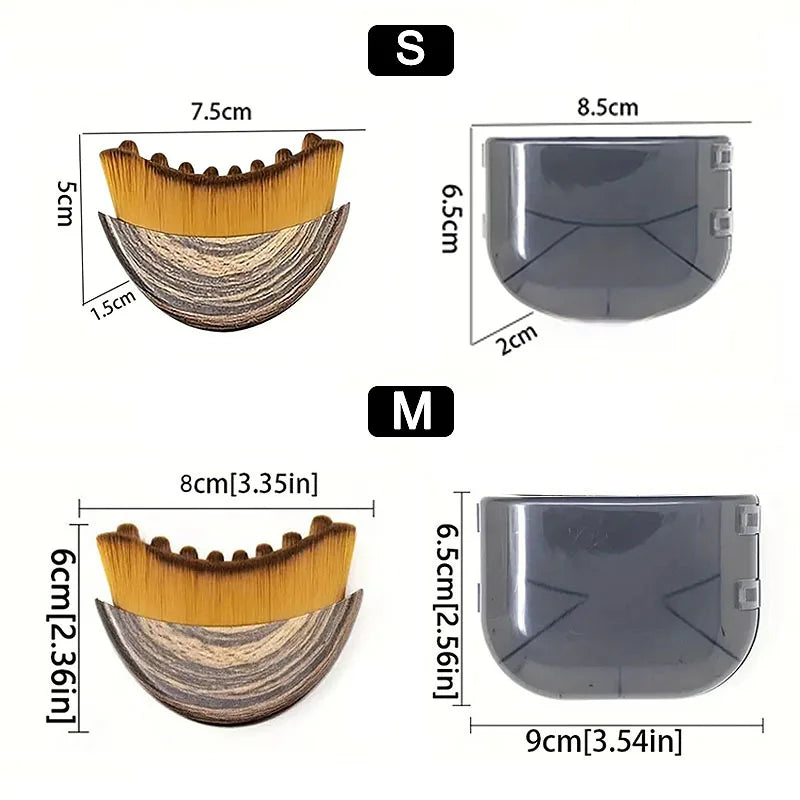
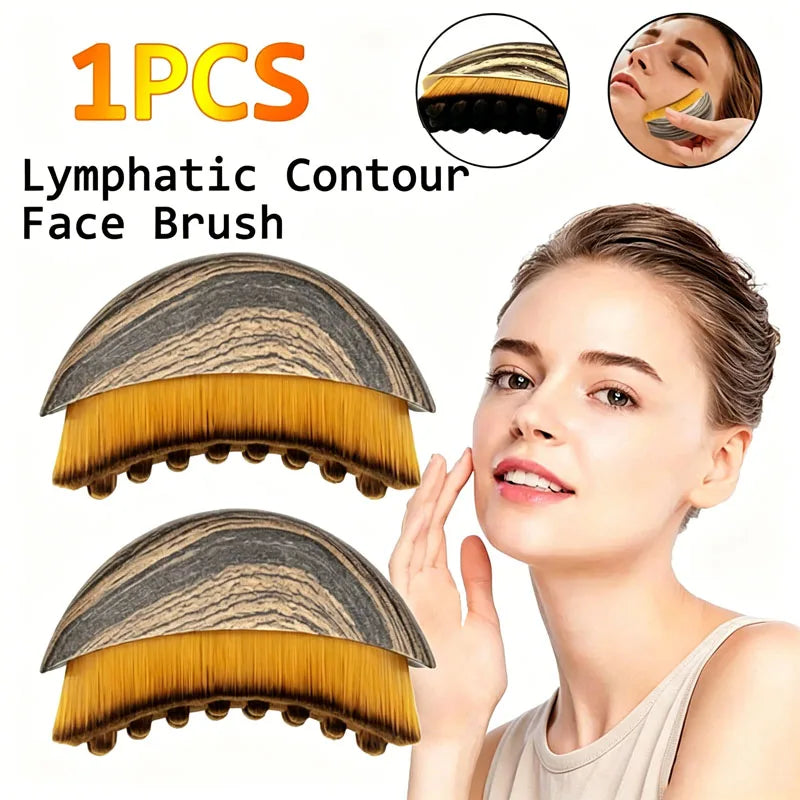
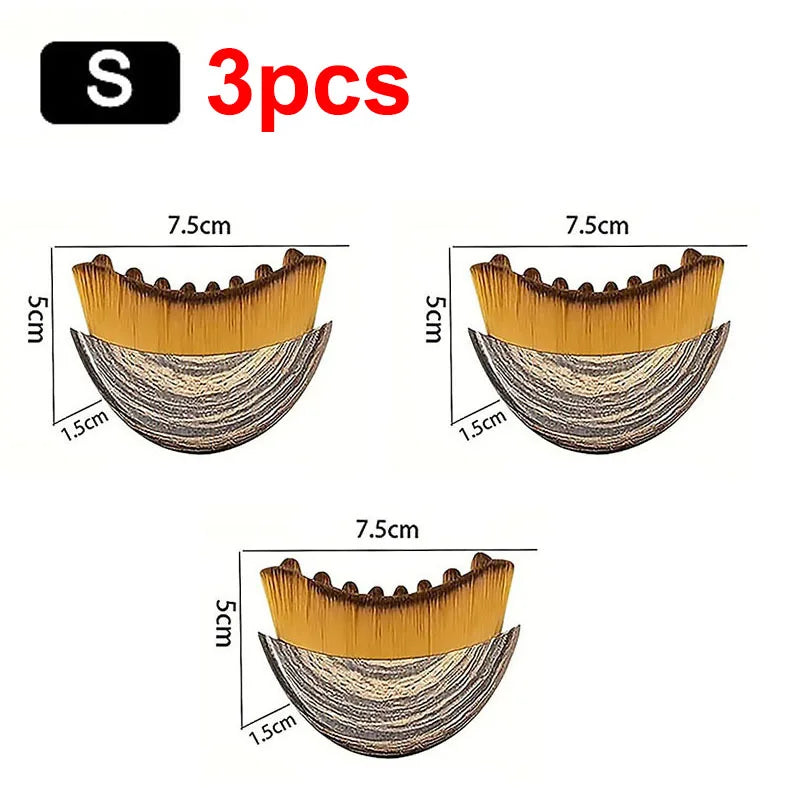
If you prefer a non-electric option specifically designed around facial contours, the manual Lymphatic Face Brush is intended for gentle massage of areas such as the cheeks and jawline. Its rubber construction and ergonomic shape make it a simple alternative to powered facial devices.
For broader at-home beauty-device options, you can also explore skin and beauty care devices while keeping the distinction between cosmetic tools and clinically guided lymphatic treatment in mind.
What Results Can You Realistically Expect?
Temporary De-Puffing
Some people may notice that their face looks temporarily less puffy after gentle facial massage, particularly when visible puffiness is associated with superficial fluid accumulation. Morning facial massage is therefore often used as part of a routine for a tired or swollen-looking face.
The visible effect should be considered temporary and variable. Not everyone will respond in the same way, and facial puffiness can have many causes.
What Facial Lymphatic Massage Cannot Do
Facial lymphatic massage should not be marketed as a proven method for permanently removing facial fat, dramatically changing facial structure, or “detoxing” the body. A massage technique cannot substitute for treatment of an underlying medical cause of swelling.
Likewise, a temporarily more sculpted-looking jawline or cheek area should not automatically be interpreted as permanent facial contouring.
When Results May Be Different
If facial swelling is caused by an underlying medical condition, allergy, infection, injury, medication, or another issue, cosmetic massage may not address the cause. Persistent or unexplained swelling deserves appropriate evaluation rather than repeated attempts to massage it away.
Safety, Contraindications, and When to Ask a Professional
When to Avoid or Pause Facial Lymphatic Massage
Do not massage over areas that are acutely inflamed, infected, injured, or significantly irritated. If you have unexplained acute swelling or a medical condition affecting lymphatic or fluid management, ask an appropriate healthcare professional whether self-massage is suitable before beginning.
Professional manual lymphatic drainage can be used in specific medical contexts, but that does not mean a general cosmetic facial massage routine is appropriate for every condition.
When Facial Swelling Needs Medical Evaluation
Sudden, severe, persistent, painful, asymmetric, or unexplained facial swelling should not automatically be treated as ordinary puffiness. Seek appropriate medical evaluation when swelling is accompanied by concerning symptoms or does not resolve as expected.
Especially avoid relying on cosmetic massage if swelling develops rapidly or appears alongside significant pain, difficulty breathing, severe allergic symptoms, fever, or other urgent symptoms.
Why Professional Manual Lymphatic Drainage May Be Different
Clinician- or therapist-guided manual lymphatic drainage is different from a general beauty routine. Qualified practitioners can assess the individual, consider the underlying condition, and select appropriate techniques and treatment areas.
A beginner facial massage routine should therefore be viewed as a gentle cosmetic practice, not as a replacement for medically indicated lymphatic treatment.
Troubleshooting: If Your Face Looks or Feels Worse After Massage
If Your Skin Is Red or Irritated
Stop the massage and allow your skin to settle. Excessive friction, pressure, repeated strokes, or an unsuitable skincare product can contribute to irritation. When you resume, use less pressure and less friction.
If You Feel Tenderness or Pain
Lymphatic-style facial massage should not require painful pressure. If you feel tenderness during or after the routine, stop and reassess your technique. If pain persists or is associated with unexplained swelling, seek appropriate professional advice.
If Puffiness Does Not Improve
Not all facial swelling is related to lymphatic fluid accumulation. Sleep, allergies, irritation, inflammation, medications, and other factors can affect facial appearance. If puffiness is persistent or unexplained, consider evaluation rather than simply increasing massage intensity.
A Simple Beginner Checklist
- Start with clean hands and comfortable skin.
- Prepare the neck and collarbone area first.
- Use feather-light, skin-level pressure.
- Work through the face zone by zone.
- Move outward toward appropriate lateral drainage regions.
- Be especially gentle around the eyes.
- Finish by returning to the neck.
- Do not increase pressure simply because the face looks puffy.
- Stop if you experience pain, significant irritation, dizziness, or worsening symptoms.
- Expect temporary cosmetic de-puffing rather than permanent facial slimming.
If you want a simple manual aid for practicing the same gentle technique, you can see the Lymphatic Face Brush as an optional addition to your routine. The tool is designed to follow facial contours and can be used with light pressure across areas such as the cheeks and jawline.
You can also find more guidance and related routines in the Body & Face Blog and browse the Body Care and Health Devices collection for other at-home wellness tools.
Conclusion
A good lymphatic drainage face massage is less about force and more about technique. Start with the neck, use very light pressure, follow appropriate facial drainage pathways, move through each facial zone slowly, and finish down the neck. A 5-to-10-minute routine can be a simple addition to a skincare ritual when performed comfortably.
Most importantly, keep expectations realistic. Facial massage may temporarily reduce the appearance of puffiness for some people, but it is not a proven method for permanent facial fat loss, structural reshaping, or detoxification. Hands are enough to learn the fundamentals, while a manual tool can be an optional convenience for people who prefer guided, contoured contact.
For a simple, non-electric approach to daily facial massage, explore the Lymphatic Face Brush and use it with the same gentle-pressure principles described in this guide.
Pillar Article: Face Brush for Lymphatic Drainage: How to Choose the Right Tool













