

Lymphatic Drainage Massage for Face: A 5–10 Minute Beginner Routine
Waking up with a puffy face, swollen-looking cheeks, or a tired jawline can make your skin look less refreshed than you feel. Lymphatic drainage massage for the face is a gentle technique that can be used as part of a morning skincare routine to support normal fluid movement and temporarily improve the appearance of fluid-related puffiness. The key is not force. Correct direction, feather-light pressure, a consistent sequence, and preparing the neck and collarbone area are more important than vigorous rubbing.
This beginner guide explains what facial lymphatic drainage is, where to start and finish, how to massage each facial zone, how often to practice, and how hands compare with tools such as gua sha, facial rollers, and a manual lymphatic face brush. The complete routine takes approximately 5–10 minutes.
What Is Lymphatic Drainage Massage for the Face?
Facial lymphatic drainage is a gentle massage approach intended to encourage the normal movement of lymphatic fluid through the body's lymphatic system. The lymphatic system includes lymphatic vessels and lymph nodes that help transport fluid through tissues and return it to circulation.
For facial self-massage, the practical goal is simple: use light, controlled movements that follow appropriate drainage pathways rather than pressing deeply into the muscles or repeatedly rubbing the skin back and forth.
How the Lymphatic System Moves Fluid
Lymph moves through a network of vessels and passes through lymph nodes along its route. Facial and neck tissues connect with drainage pathways around areas such as the ears, jaw, neck, and collarbone. This is why a facial routine should not simply focus on the cheeks or forehead.
For a beginner, the most useful principle is to think about the entire route: prepare the lower drainage area first, work gradually through the neck and face, then finish by directing gentle movements back toward the neck and collarbone.
Lymphatic Drainage vs. Regular Facial Massage
Traditional facial massage may involve kneading, muscle-focused pressure, or movements designed primarily for relaxation. Lymphatic-style massage uses a much lighter touch and places greater emphasis on direction and sequence.
You should not need painful pressure to perform a facial lymphatic routine. If the massage causes discomfort, strong redness, skin pulling, or tenderness, reduce the pressure or stop.
What Facial Lymphatic Drainage Can and Cannot Do
Gentle facial massage may temporarily make the face appear less puffy and more refreshed, particularly when puffiness is related to temporary fluid retention. It should not be presented as a way to permanently remove facial fat, reshape facial bones, or "detox" the face.
The appearance of your face can naturally change throughout the day. Sleep, hydration, diet, allergies, hormones, skin irritation, and other factors can influence how puffy the face looks. Massage is therefore best viewed as one optional part of a broader self-care routine.
Who May Benefit From Gentle Facial Lymphatic Drainage?
Facial lymphatic massage is most appropriate as a gentle wellness and cosmetic technique. It may appeal to people who want a relaxing morning facial massage or who notice temporary facial puffiness after sleeping.
For Morning Facial Puffiness
A short morning routine can be useful when your face looks swollen or tired after waking. Instead of immediately rubbing the cheeks, begin around the collarbone and neck, then work toward the face. This gives the routine a logical sequence and helps prevent the common mistake of treating only the area that looks puffy.
For Relaxation and Gentle Facial Massage
The routine can also simply be used as a calming skincare ritual. Slow, controlled movements can encourage you to relax your jaw, neck, and facial muscles while giving you a few minutes away from a rushed morning routine.
When It Is Being Used for a Medical Condition
Self-massage should not be treated as a substitute for medical care. If facial lymphatic techniques are being considered because of a diagnosed condition, significant swelling, surgery, injury, or another medical concern, follow the guidance of an appropriate healthcare professional rather than relying on a general beauty routine.
Facial Lymphatic Drainage Map: Where to Start and Where to Finish
The easiest way to remember the routine is start low, work upward, then return low. Begin around the collarbone, move through the neck, then address the areas around the ears, jaw, cheeks, midface, forehead, and temples. Finish by repeating the neck and collarbone sequence.
Supraclavicular Area: Start Here
Begin around the area just above the collarbone with very light movements. This preparation step is easy to skip, but it helps establish the starting point for the routine before you work on the face.
Neck and Cervical Lymph Node Region
Move gently along the sides of the neck using slow strokes. Avoid pressing directly into the front of the throat. The goal is controlled, comfortable movement rather than deep tissue massage.
Preauricular and Around-the-Ear Area
The area in front of and around the ears is an important transition point for facial massage. Use small, gentle movements rather than pressing hard around the delicate skin.
Submandibular Area Under the Jaw
The area beneath the jaw can be addressed with light outward and downward movements that connect the facial routine with the neck. Keep the pressure comfortable and avoid aggressive scraping or digging.
Cheeks, Nose, Lips, and Forehead
Once the neck and lower areas are prepared, work through the face zone by zone. Use gentle outward or region-appropriate movements toward drainage areas instead of assuming that every part of the face should be massaged in exactly the same direction.
Finish by Returning Toward the Neck and Collarbone
Do not stop immediately after treating the forehead or cheeks. Return through the neck and collarbone sequence to complete the routine. This creates a consistent beginning-to-end pathway that is easy for beginners to remember.
How to Prepare for a Facial Lymphatic Drainage Massage
Clean Your Hands and Face
Start with clean hands and reasonably clean skin. This is particularly useful if your fingers or a facial massage tool will be moving repeatedly across the face.
Choose a Comfortable Position
Sit or stand comfortably with your shoulders relaxed. Keep your neck in a neutral position rather than craning forward toward a mirror or phone.
Use a Small Amount of Slip if Needed
If your skin feels dry or your fingers drag, use a small amount of suitable skincare product to reduce friction. You want smooth movement without making the skin excessively slippery or requiring you to grip it.
Relax Your Jaw, Neck, and Shoulders
Take a few slow breaths before beginning. Relaxing your jaw and shoulders makes it easier to maintain the light-touch approach throughout the routine.
How to Do Lymphatic Drainage Massage for the Face: 5–10 Minute Routine
Use the following sequence as a simple beginner routine. The exact timing does not need to be perfect. Prioritize gentle pressure and deliberate movement over completing the routine as quickly as possible.
Step 1: Prepare the Collarbone Area — 30–60 Seconds
Place your fingertips lightly near the collarbone area. Make slow, gentle movements without pressing deeply. Repeat several comfortable passes on each side.
Pressure: Feather-light.
Focus: Preparation.
Common mistake: Pressing firmly because the area feels muscular.
Step 2: Gently Sweep the Sides of the Neck — 30–60 Seconds
Move along the sides of the neck with light strokes. Keep the movement slow and controlled. Avoid the front of the throat and do not use force.
Think of this step as connecting the lower starting area with the facial zones you will address next.
Step 3: Work Around the Ears and Preauricular Area — 30–60 Seconds
Move to the area around and in front of the ears. Use gentle strokes or small controlled movements. The skin around the ears does not require aggressive pressure.
After working around the ears, reconnect the movement with the neck rather than repeatedly rubbing the same small area.
Step 4: Drain the Jawline and Submandibular Area — 60 Seconds
Follow the jawline with light movements, gradually connecting the lower face with the area beneath and behind the jaw. Keep your hand relaxed and avoid digging into the tissue.
This is particularly useful for people who notice temporary puffiness around the jawline or lower cheeks, but the purpose is appearance-focused de-puffing rather than permanent facial contouring.
Step 5: Sweep the Cheeks Outward and Downward — 60–90 Seconds
Move across the cheeks using gentle outward and downward sweeps toward the appropriate drainage areas. Work systematically instead of repeatedly brushing over the same spot.
Keep your fingers in contact with the skin without stretching or pulling it. If you need more force to feel the movement, that is usually a sign to slow down rather than press harder.
Step 6: Treat the Nose and Midface Gently — 30–60 Seconds
The nose and central face contain smaller, more delicate areas. Use a lighter touch and shorter movements. Connect these movements with the surrounding cheek and drainage sequence.
Step 7: Finish the Forehead and Temples — 30–60 Seconds
Use light outward movements across the forehead and around the temples. Avoid aggressively rubbing the temples or applying pressure simply because the area feels firm.
Step 8: Repeat the Neck and Collarbone Finishing Sequence — 30–60 Seconds
Return to the sides of the neck and collarbone area. Repeat the same gentle finishing sequence you used at the beginning. This gives the entire routine a clear endpoint.
Which Direction Should You Massage Your Face for Lymphatic Drainage?
There is no single direction that works for every part of the face. Facial lymphatic drainage should follow the relevant drainage pathway for each region. For a beginner routine, the practical approach is to use gentle movements that connect facial zones with the areas around the ears, jaw, neck, and collarbone.
A Simple Direction Guide by Face Zone
- Collarbone: Begin with gentle preparation movements.
- Neck: Use light strokes along the sides of the neck while avoiding the front of the throat.
- Around the ears: Use small, controlled movements around the preauricular region.
- Jawline: Work gently along the lower face and connect movements toward the neck.
- Cheeks: Use deliberate outward and downward movements rather than random back-and-forth rubbing.
- Forehead: Use gentle outward movements and connect the sequence back through the sides of the face and neck.
Why Light Pressure Matters More Than Force
Facial lymphatic massage is not intended to feel like deep-tissue massage. More pressure does not automatically mean better drainage. Excessive force can create unnecessary friction, discomfort, or skin pulling.
What “Feather-Light” Pressure Should Feel Like
Your touch should feel gentle enough that you are moving the skin comfortably rather than pressing deeply into the muscles underneath it. There should be no need to tolerate pain. Strong pressure, tenderness, or significant redness is not a requirement for an effective routine.
Common Pressure and Direction Mistakes to Avoid
Using Deep Pressure
Deep pressure is one of the most common mistakes. If your facial massage starts feeling like muscle therapy, reduce the force and slow down.
Rubbing Back and Forth Randomly
Random rubbing makes it difficult to maintain a consistent drainage sequence. Instead, divide the face into zones and complete each zone deliberately.
Starting on the Face Without Preparing the Neck
Jumping directly onto the cheeks is tempting when puffiness is your main concern. However, the beginner sequence is easier to follow when you prepare the collarbone and neck first.
Moving Too Quickly
A five-minute routine does not need to feel rushed. Slow movements make it easier to control pressure and direction.
Expecting Pain or Redness to Mean It Is Working
Discomfort is not a goal. Facial massage should remain comfortable. If your skin becomes irritated or the technique hurts, stop and reassess your pressure and technique.
How Often Should You Do a Lymphatic Drainage Face Massage?
Best Time of Day: Morning vs. Evening
Morning is a convenient time if your primary concern is temporary facial puffiness after sleeping. An evening routine may be preferable if your main goal is relaxation and a calming skincare ritual.
There is no need to treat the routine as a race or assume that doing it repeatedly throughout the day will produce better results.
A Practical Beginner Schedule
Start with a short, comfortable routine and pay attention to how your skin responds. A gentle daily facial massage can fit into a regular skincare routine when it remains comfortable and does not cause irritation.
If you are new to the technique, consistency and pressure control are more useful goals than increasing intensity.
When to Stop or Reduce the Routine
Stop if the massage causes pain, significant irritation, unusual tenderness, or worsening swelling. If your face is persistently swollen or the swelling has no obvious explanation, consider discussing it with a healthcare professional rather than repeatedly massaging the area.
Hands vs. Gua Sha vs. Facial Roller for Lymphatic Drainage
You do not need a special tool to perform facial lymphatic massage. Your hands are enough to learn the basic direction and pressure. Tools can make the routine feel more structured, but technique remains more important than the accessory.
| Option | Best Use | Key Consideration |
| Hands | Learning pressure and direction | Maximum control and no equipment required |
| Gua Sha | Traditional facial massage routines | Requires careful pressure and skin control |
| Facial Roller | Simple gliding massage | Easy to use but still requires gentle technique |
| Manual Lymphatic Face Brush | Consistent facial massage at home | Choose a comfortable, contoured design and use light pressure |
Hands: Best for Learning Pressure and Direction
Hands are an excellent starting point because you can immediately adjust your pressure. They also make it easier to understand the facial zones before introducing a tool.
Gua Sha: What It Changes About the Technique
Gua sha introduces a smooth surface that glides across the skin. It can be incorporated into facial massage, but it should not encourage you to press harder. A tool does not make aggressive pressure appropriate.
Facial Rollers: Potential Benefits and Limitations
Facial rollers provide a straightforward rolling motion and can be enjoyable as part of a skincare ritual. However, they do not remove the need to understand direction, pressure, and sequence.
How to Clean Facial Massage Tools
Clean your facial massage tool according to its material and the manufacturer's care instructions. For a manual tool, wipe or wash it appropriately after use and allow it to dry before storage. Avoid sharing facial massage tools without proper cleaning.
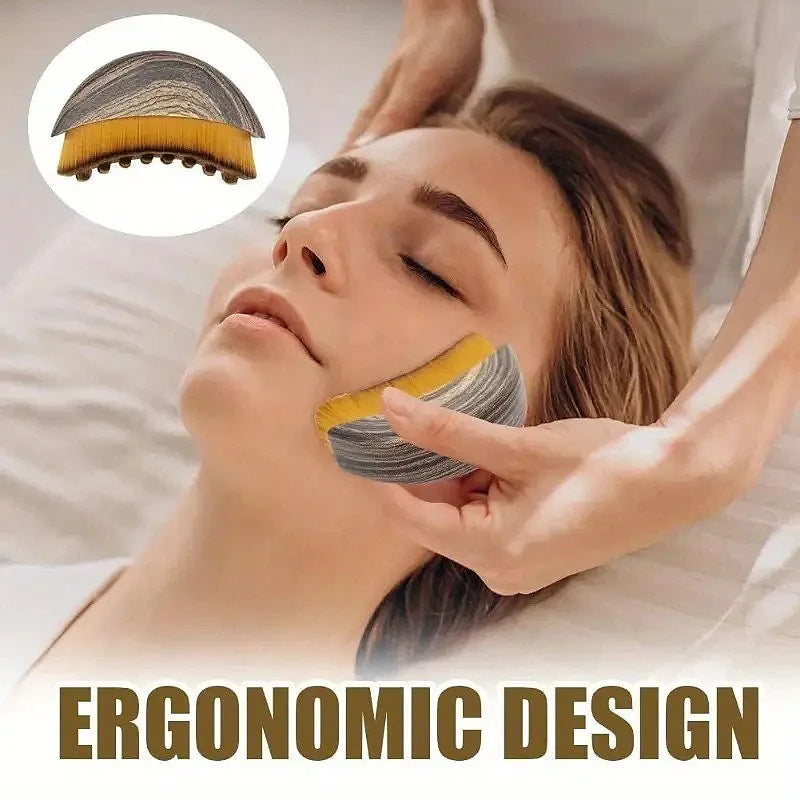
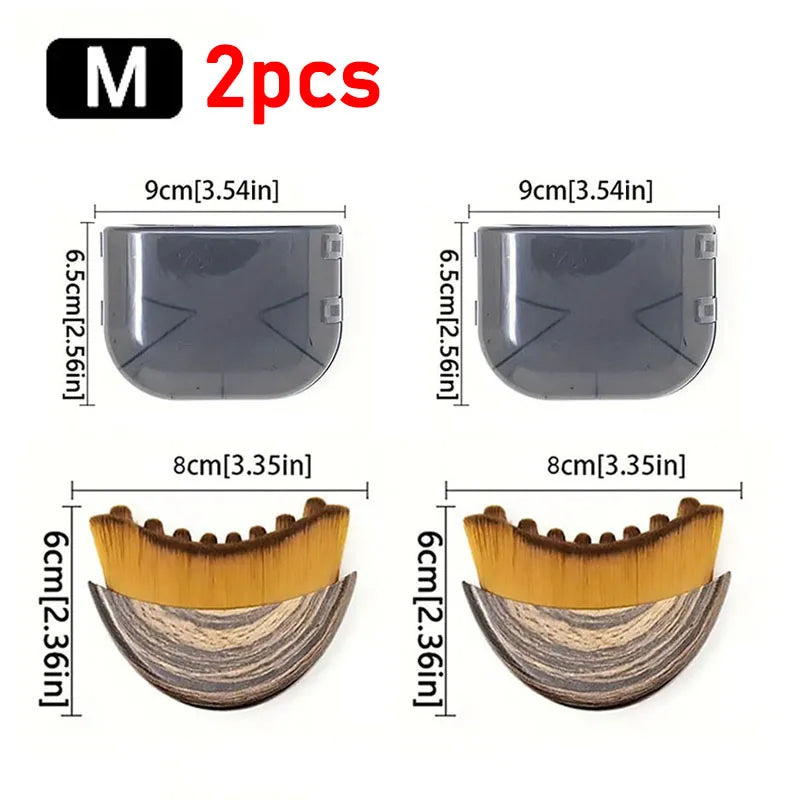
If you prefer a dedicated manual option, the Lymphatic Face Brush is designed for gentle facial massage, with a contoured shape intended to follow facial areas such as the cheeks and jawline. It is non-electric, so there are no batteries, cords, or settings to manage.

The brush is a tool rather than a requirement. If you use it, keep the same principle as a hands-only routine: light pressure, controlled movement, and a consistent pathway. You can also explore other options in the Skin and Beauty Care Devices collection if you want to build a broader at-home skincare routine.
Does Facial Lymphatic Drainage Massage Reduce Puffiness?
Gentle facial lymphatic drainage massage may temporarily improve the appearance of puffiness when fluid retention contributes to a swollen-looking face. The effect should be understood as temporary de-puffing rather than permanent facial transformation.
Temporary De-Puffing vs. Permanent Facial Changes
Massage cannot permanently remove facial fat or change the underlying structure of your face. If your cheeks or jawline appear more defined immediately after massage, that appearance should not be interpreted as permanent fat loss or permanent reshaping.
What Results You May Notice
Some people may notice that their face looks temporarily less puffy, more refreshed, or more awake after a gentle routine. Others may notice primarily the relaxing sensation of facial massage. Individual results vary.
Why Puffiness Can Return
Facial puffiness can change naturally from one day to another. Sleep, fluid balance, food choices, irritation, allergies, hormones, and other factors can influence appearance. Massage does not remove the underlying reason for every type of facial swelling.
Safety: Who Should Avoid Facial Lymphatic Drainage Massage?
Facial lymphatic drainage should remain a gentle self-care technique. It is not appropriate to use a general beauty routine as a treatment for unexplained or medically significant swelling.
When to Avoid Self-Massage
- Avoid massaging areas that are painful, acutely irritated, or visibly injured.
- Do not massage directly over an active skin problem or area that appears infected.
- If swelling began after a medical procedure, injury, or treatment, follow the guidance provided by the relevant healthcare professional before self-massage.
- Stop if the technique causes worsening swelling, significant discomfort, or unusual skin irritation.
When Facial Swelling Needs Medical Evaluation
Persistent, unexplained, painful, rapidly worsening, or otherwise concerning facial swelling should not be assumed to be ordinary puffiness. A general facial massage tutorial cannot determine the cause of swelling. Seek appropriate medical evaluation when swelling is unusual, persistent, or accompanied by other concerning symptoms.
When to Work With a Qualified Manual Lymphatic Drainage Professional
If lymphatic drainage is being considered for a medical condition or recovery process, a qualified professional can provide individualized guidance. Medical or post-treatment lymphatic work may require techniques and precautions that differ from a cosmetic facial massage routine.
Realistic Results and Limitations of Facial Lymphatic Drainage
What the Technique May Help With
The most realistic cosmetic expectation is a temporarily more refreshed-looking face when fluid-related puffiness is present. It can also provide a relaxing addition to a daily skincare routine.
What It Cannot Permanently Change
Facial lymphatic massage does not permanently remove facial fat, reshape facial bones, or permanently alter your natural facial structure. It should also not be marketed as a method for detoxifying the face.
Why Individual Results Differ
Everyone's face responds differently to massage. The amount and cause of visible puffiness, skin sensitivity, massage technique, timing, and overall routine can all affect what you notice.
Quick Beginner Checklist for Facial Lymphatic Drainage
Before You Start
- Clean your hands and face.
- Choose a comfortable position.
- Use a small amount of skincare product if your skin needs more slip.
- Relax your jaw, neck, and shoulders.
- Remember that the routine should feel gentle, not painful.
During the Massage
- Start around the collarbone and neck.
- Move through the face systematically.
- Use feather-light pressure.
- Follow appropriate drainage directions for each face zone.
- Avoid aggressive rubbing, pulling, or deep pressure.
- Do not treat redness or discomfort as a sign that the technique is working.
After the Massage
- Finish by returning through the neck and collarbone sequence.
- Clean your facial massage tool if you used one.
- Observe how your skin feels rather than chasing an immediate dramatic result.
- If facial swelling is persistent, painful, unexplained, or concerning, seek appropriate professional guidance.
If you enjoy facial massage and want an optional manual tool for maintaining a consistent routine, you can explore the Lymphatic Face Brush. Its non-electric design makes it convenient for an at-home or travel-friendly facial massage ritual.
For more self-care ideas, you can also browse the Body Care and Health Devices collection or explore the Body & Face Blog for related facial and body-care topics.
Frequently Asked Questions
How do you do lymphatic drainage massage for the face?
Start with gentle movements around the collarbone and sides of the neck, then work around the ears, jawline, cheeks, midface, forehead, and temples. Use feather-light pressure and finish by returning through the neck and collarbone sequence.
Which direction should you massage your face for lymphatic drainage?
The direction varies by facial region. Use gentle movements that follow the relevant drainage pathway and connect facial zones toward the areas around the ears, jaw, neck, and collarbone rather than using one direction for the entire face.
How often should you do a lymphatic drainage face massage?
A gentle routine can be incorporated regularly, including daily facial massage when it remains comfortable and does not irritate the skin. More pressure or more frequent massage is not automatically better.
Does facial lymphatic drainage massage reduce puffiness?
It may temporarily improve the appearance of fluid-related facial puffiness. Results vary, and massage should not be described as permanent fat loss, permanent facial reshaping, or a treatment for every cause of swelling.
Who should avoid lymphatic drainage massage on the face?
Avoid self-massage over painful, injured, actively irritated, or potentially infected areas. If swelling is unexplained, persistent, medically related, or associated with a recent procedure or injury, seek appropriate professional guidance before using a self-massage routine.
How long should a facial lymphatic drainage massage take?
A beginner routine can take approximately 5–10 minutes. A short, controlled routine is preferable to rushing through the movements or applying excessive pressure.
Should you start lymphatic drainage massage at the face or neck?
For this beginner routine, start at the collarbone and neck before moving to the face. Finish by returning to the neck and collarbone area.
Can you do facial lymphatic drainage massage every day?
A gentle routine can be suitable for regular use when your skin remains comfortable and free from irritation. Stop or reduce the routine if it causes pain, tenderness, or worsening irritation.
Is lymphatic drainage massage the same as a regular facial massage?
No. Facial lymphatic techniques emphasize very light pressure, specific direction, and a consistent drainage sequence, while regular facial massage may use different movements or deeper pressure for relaxation or muscle-focused massage.
Can gua sha or a facial roller be used for lymphatic drainage?
Gua sha and facial rollers can be incorporated into gentle facial massage, but the tool does not replace correct technique. Pressure, direction, sequence, and comfort remain more important than which tool you choose.
Conclusion
Lymphatic drainage massage for the face is best approached as a gentle, anatomy-informed self-care technique rather than a forceful sculpting treatment. The simplest routine is to prepare the collarbone and neck, use feather-light pressure, move systematically through the facial zones, and finish by returning toward the neck and collarbone.
If your goal is temporary de-puffing after waking, a 5–10 minute morning routine may be an easy addition to your skincare ritual. Keep expectations realistic: facial massage may temporarily improve the appearance of puffiness, but it does not permanently remove facial fat, reshape facial structure, or detox the face.
For readers who prefer a dedicated manual tool, the Lymphatic Face Brush can provide a simple, non-electric option for practicing gentle facial massage at home or while traveling. The tool is optional—the technique, pressure, and consistency are what matter most.
Pillar Article: Face Brush for Lymphatic Drainage: How to Choose the Right Tool













