

Manual Lymphatic Drainage for Face: A Gentle 5–10 Minute Guide
If your face looks puffy, swollen, or tired after waking, a gentle facial massage may help you feel more refreshed. But manual lymphatic drainage for the face is different from a conventional facial massage: the goal is not to knead facial muscles or press deeply. Instead, the technique uses light, controlled movements over the skin and follows a deliberate sequence.
The basic framework is simple: prepare the drainage pathways, work gently through the neck and face, follow a consistent direction, and finish by returning to the neck area. A short 5–10 minute routine can fit easily into a morning skincare ritual, but it should be treated as self-care rather than a treatment for unexplained or medically significant swelling.
This guide explains where to start, how to massage puffy cheeks and the jawline, how much pressure to use, how often to perform facial lymphatic massage, and when facial swelling should be evaluated by a healthcare professional.
What Is Manual Lymphatic Drainage for the Face?
Manual lymphatic drainage, often abbreviated as MLD, is a gentle massage technique intended to encourage movement of lymphatic fluid through the body's lymphatic system. The lymphatic system includes a network of vessels and lymph nodes that help transport fluid and support immune function.
For facial self-massage, the important distinction is pressure. Unlike deep facial massage, manual lymphatic techniques generally use a very light touch because many lymphatic vessels are located superficially beneath the skin. Pressing harder does not automatically make the technique more effective.
Facial lymphatic drainage is also used in professional care for certain types of swelling, including lymphedema. Cosmetic facial massage, however, should not be presented as a substitute for medical treatment. If facial swelling is persistent, painful, sudden, or unexplained, identifying the underlying cause is more important than trying to massage it away.
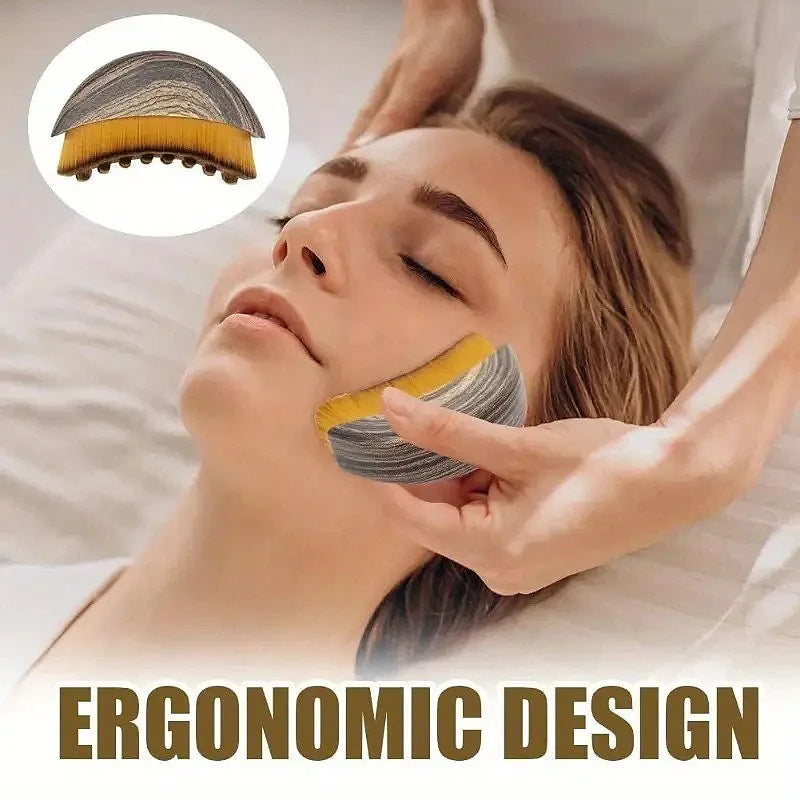
How facial lymph flow differs from a typical facial massage
A traditional facial massage may focus on relaxing muscles, releasing tension, or creating a soothing skincare experience. Manual lymphatic drainage is more directional. The movements are generally light and deliberate rather than vigorous or deeply kneading.
That difference matters when searching for techniques for a tired-looking puffy face. The objective is not to force fluid through the face. Instead, think of the routine as a gentle sequence that works with the body's existing drainage pathways.
What manual lymphatic drainage may help with
For some people, gentle lymphatic self-massage may temporarily reduce the appearance of facial puffiness and create a lighter, refreshed feeling. Facial lymphatic massage is especially popular as a morning self-care technique when the face appears temporarily fuller after sleeping.
Results can vary considerably. Facial puffiness can have many causes, including normal overnight fluid shifts, sleep patterns, allergies, irritation, diet, hormonal changes, medications, or underlying health conditions. Massage cannot address every cause of facial swelling.
Cosmetic puffiness vs. medically significant swelling
Occasional morning puffiness is different from swelling that persists, worsens, causes pain, affects breathing, appears suddenly, or occurs with other concerning symptoms. Cosmetic self-massage is best considered an optional wellness practice for temporary puffiness—not a diagnostic or therapeutic solution for unexplained swelling.
Why You Start at the Neck Before the Face
One of the most useful distinctions between a thoughtful lymphatic massage routine and a generic face massage is the sequence. Many lymphatic self-massage instructions begin by preparing areas around the neck and upper chest before moving to the face.
The reason is practical: facial lymphatic drainage involves pathways that connect with lymphatic structures in the head and neck. Preparing the pathway first gives the routine a logical direction instead of immediately rubbing the area that looks puffy.
The role of cervical lymph nodes and drainage pathways
The neck contains cervical lymph nodes and important lymphatic pathways. Rather than thinking of the lymph nodes as containers that need to be physically “emptied,” think of them as part of a larger drainage network through which lymph moves.
For self-massage, the safest takeaway is to use gentle movements and avoid deep pressure. The sequence should feel light, comfortable, and controlled.
Where the preauricular area fits into facial drainage
The area in front of and around the ears is associated with facial lymphatic drainage pathways. Depending on the technique being taught, facial movements may direct toward areas around the ears and then toward the neck.
Because individual anatomy and professional MLD protocols can differ, online cosmetic routines should not be treated as a universal treatment protocol for diagnosed lymphedema or postoperative swelling.
Simple rule: prepare the pathway before working on the face
A useful beginner rule is:
- Relax your breathing and posture.
- Begin with gentle neck preparation.
- Move to the lower face and jawline.
- Work through the cheeks and mid-face.
- Use extra-light pressure around the eyes.
- Finish the forehead and temples.
- Return to the neck to complete the routine.
Before You Begin: Prepare for a 5–10 Minute Routine
What you need
You do not need an electric device or complicated equipment. Clean hands are enough. If you prefer a tool, choose one that allows you to control pressure easily and glide comfortably over the skin.
Clean skin is a practical starting point, especially if you have been outside, exercising, or wearing makeup. Sit or stand comfortably, relax your shoulders, and avoid rushing through the movements.
How much product to use for glide
If your skin needs additional slip, use a small amount of skincare product that is appropriate for your skin and intended for facial use. The goal is to reduce unnecessary dragging rather than create a thick layer that makes your movements difficult to control.
The pressure test: lighter than a deep facial massage
Use considerably less pressure than you would for deep-tissue massage. A useful tactile cue is that you should be moving the skin gently rather than pressing deeply into the muscles underneath it.
If the massage produces pain, strong redness, irritation, or a feeling that you are aggressively stretching the skin, reduce the pressure or stop.
The Facial Lymphatic Drainage Map: Where to Move
Before starting, it helps to visualize the face as several zones rather than one large surface. The exact direction used in professional MLD can depend on the individual's anatomy and clinical needs, but a simple cosmetic routine can use a consistent, gentle sequence.
Neck and collarbone area
Start with the neck and upper chest area. Gentle downward movements toward the collarbone can help establish the direction of the routine before you work on facial areas.
Jawline and lower face
The jawline is a common focus for people concerned about puffy cheeks or a less defined-looking lower face. Use light strokes along the jawline rather than squeezing or digging into the tissue.
Cheeks and mid-face
For the cheeks, use slow, controlled movements that follow the facial contours toward the relevant drainage areas. Avoid repeatedly rubbing the same spot simply because it feels satisfying.
Under-eye area
The skin around the eyes is delicate. Use substantially lighter pressure here than on the cheeks or jawline. If an area is irritated, bruised, inflamed, or painful, skip it.
Forehead and temples
Use gentle movements across the forehead and toward the temples. Keep the pressure superficial and avoid pulling the skin aggressively.
5–10 Minute Manual Lymphatic Drainage Routine for the Face
Step 1: Relax your breathing and posture — 30 seconds
Sit upright or stand comfortably. Drop your shoulders, unclench your jaw, and take several slow breaths. This is not simply a relaxation step; it also gives you a moment to check whether your face feels irritated or unusually swollen before you begin.
Step 2: Begin with gentle neck movements — 1 minute
Place your fingertips lightly along the sides of your neck. Use slow, comfortable strokes toward the lower neck and collarbone area. Repeat several times without pressing into the muscles.
The movement should feel almost like a gentle skin stretch rather than a massage of the deeper tissues.
Step 3: Work along the jawline — 1 minute
Begin near the center of the chin and move gently along the jawline toward the sides of the face. Continue with controlled movements rather than rapidly rubbing back and forth.
For puffy cheeks and jawline concerns, consistency and light pressure are more useful cues than trying to force a dramatic immediate change.
Step 4: Drain the cheeks toward the appropriate pathway — 1–2 minutes
Place your fingertips on the cheeks and use gentle, directional strokes toward the sides of the face and the areas associated with facial drainage. Work gradually rather than repeatedly pressing into the same location.
Keep your hands relaxed. If your fingers begin to drag across the skin, add a small amount of suitable facial skincare product or reduce the pressure.
Step 5: Treat the under-eye area with extra-light pressure — 30–60 seconds
Use the pads of your fingers and barely-there pressure around the orbital area. Do not press directly on the eyeball or aggressively pull the eyelid skin.
If you experience discomfort, irritation, or increased swelling around the eyes, stop rather than trying to massage through it.
Step 6: Finish the forehead and temples — 1–2 minutes
Move gently across the forehead and toward the temples. Use slow strokes or small, controlled movements while maintaining the same light pressure.
This portion can also make the routine feel relaxing, particularly when morning facial puffiness is accompanied by a tired or tense facial sensation.
Step 7: Repeat the neck sequence to finish — 30–60 seconds
Return to the neck and collarbone area using the same gentle movements from the beginning. The purpose is to finish the sequence consistently rather than repeatedly working the face in search of a stronger effect.
How Much Pressure Should You Use?
The correct pressure should move the skin, not deeply compress the muscle
This is one of the most important principles of facial lymphatic massage. A common mistake is assuming that more pressure means more drainage. Lymphatic vessels are relatively superficial, so a light touch is generally preferred for self-massage techniques.
Think “guide” rather than “push.” Your fingertips should gently engage the skin without digging into the underlying facial muscles.
How to tell if you are pressing too hard
- The massage hurts or feels tender.
- The skin becomes strongly red or irritated.
- You are pulling or stretching the skin.
- You feel the need to use your knuckles or excessive force.
- The technique feels more like deep-tissue massage than gentle skin movement.
Why aggressive rubbing can defeat the purpose of the technique
Vigorous rubbing can irritate sensitive skin and may be particularly uncomfortable around the eyes or on skin affected by acne, dermatitis, sun exposure, or recent cosmetic procedures. A gentle routine should feel controlled and soothing—not like a workout for the face.
Common Facial Lymphatic Drainage Mistakes to Avoid
Starting directly on the face
If your goal is a lymphatic-style routine, do not think only about the area that looks puffy. Starting with gentle preparation around the neck gives the sequence a more logical structure.
Using deep pressure or vigorous kneading
Deep pressure is not necessary simply because the face feels swollen. Light, superficial movements are the better starting point for cosmetic self-massage.
Pulling or stretching delicate skin
Repeatedly dragging the skin can create unnecessary friction. Keep the hand or tool moving smoothly and slowly.
Assuming more repetitions produce better results
Ten aggressive passes are not automatically better than several controlled passes. If the skin begins to feel irritated, stop. Facial lymphatic massage should not become an endurance exercise.
Ignoring persistent or unexplained facial swelling
If your face remains swollen, becomes painful, develops redness or warmth, or swelling appears suddenly or repeatedly without an obvious explanation, do not rely on facial massage alone. Persistent swelling deserves attention to the underlying cause.
How Often Can You Do Facial Lymphatic Drainage?
A practical routine for occasional facial puffiness
For occasional cosmetic puffiness, a short, gentle routine can be incorporated into a regular skincare ritual if your skin tolerates it well. Some people may prefer a few minutes in the morning when their face looks swollen after sleeping; others may use facial massage as an occasional relaxing ritual.
There is no need to chase a specific number of repetitions. Comfort, consistency, and gentle technique matter more than trying to maximize massage time.
When frequency should be guided by a professional
If you are performing lymphatic drainage because of diagnosed lymphedema, surgery, cancer treatment, significant edema, or another medical condition, follow the instructions of your healthcare provider or qualified lymphedema therapist instead of applying a generic beauty routine.
What to track instead of chasing dramatic results
Pay attention to how your skin feels, whether the routine causes irritation, and whether temporary morning puffiness appears less noticeable afterward. Avoid treating a short-term cosmetic change as evidence of permanent facial contouring or treatment of an underlying medical condition.
What Results Can You Realistically Expect?
Temporary depuffing vs. permanent facial contour changes
Manual facial massage may make temporary puffiness look less noticeable for some people. That is very different from permanently changing facial structure, removing facial fat, or creating permanent jawline definition.
A refreshed or more sculpted appearance after massage should therefore be understood as a possible temporary cosmetic effect rather than a permanent transformation.
Why individual results vary
Morning facial puffiness can have many contributing factors. Sleep position, hydration, allergies, skin irritation, hormones, diet, medications, and health conditions can all influence how swollen or tired the face appears.
Because the underlying cause varies, two people performing the same facial massage routine may notice very different results.
Why facial lymphatic drainage is not a substitute for medical treatment
Professional manual lymphatic drainage is used in clinical settings as part of care for certain swelling and lymphedema conditions. A cosmetic self-massage routine is much narrower in purpose. If you have diagnosed lymphedema or medically significant facial or neck swelling, professional guidance is more appropriate than relying on a general online routine.
When to Avoid Facial Lymphatic Drainage or See a Professional
Situations where you should pause or avoid self-massage
Do not massage an area that is actively irritated, injured, bruised, infected, or covered by an open wound. Be especially cautious if you have an acute illness or a medical condition that affects fluid balance or circulation.
Clinical sources also identify situations such as active infection, cellulitis, blood clots or deep vein thrombosis, certain heart or kidney conditions, and some cancer-related circumstances as reasons lymphatic drainage may be inappropriate without professional guidance.
Post-procedure facial swelling: when professional guidance matters
After facial surgery, injections, dental procedures, cosmetic procedures, or other interventions, do not assume that massage is automatically appropriate. Timing and technique can depend on the procedure and the condition of the tissue.
Follow the specific aftercare instructions provided by your clinician. In particular, do not massage directly over healing incisions unless your healthcare professional has told you that it is safe.
Signs that persistent swelling needs medical evaluation
Seek medical advice if facial swelling is sudden, severe, painful, persistent, unexplained, associated with fever or signs of infection, or accompanied by difficulty breathing or other urgent symptoms. A massage tool should never delay evaluation of potentially serious swelling.
Professional manual lymphatic drainage and lymphedema care
People with lymphedema or complex swelling may benefit from treatment delivered by qualified professionals trained in lymphatic rehabilitation. Professional treatment can involve manual lymphatic drainage alongside other components of lymphedema management.
That distinction is important: a consumer facial massage routine can be a self-care practice, while clinical MLD is a specialized technique used within an individualized care plan.
Quick-Reference 5-Minute Facial Lymphatic Drainage Routine
| Time | Area | Direction / Cue | Pressure |
| 30 sec | Breathing and posture | Relax shoulders and jaw; breathe slowly | None |
| 30 sec | Neck | Gentle movements toward the lower neck and collarbone | Very light |
| 1 min | Jawline | Move from the center of the lower face toward the sides | Light |
| 1 min | Cheeks | Follow facial contours toward appropriate drainage areas | Light |
| 30 sec | Under-eye area | Use short, gentle movements without pulling the skin | Extra light |
| 1 min | Forehead and temples | Move slowly across the forehead toward the temples | Light |
| 30 sec | Neck finish | Repeat the gentle neck sequence | Very light |
This five-minute sequence is a simplified cosmetic routine, not a clinical protocol. If a healthcare professional has given you a specific lymphatic drainage sequence, follow that individualized instruction instead.
Can You Use a Facial Massage Tool for Lymphatic Drainage?
You can use a manual facial massage tool if it makes a gentle routine easier to perform consistently. But the tool itself is not what creates the technique. Direction, pressure, skin comfort, and knowing when to stop matter more than whether you use your fingers, a brush, a roller, or another manual tool.
When a tool may make the routine easier
A contoured tool can provide a consistent contact surface and may make it easier to glide across the cheeks, jawline, and other facial areas. For people who enjoy tactile skincare rituals, a manual tool can also make facial massage feel more structured.
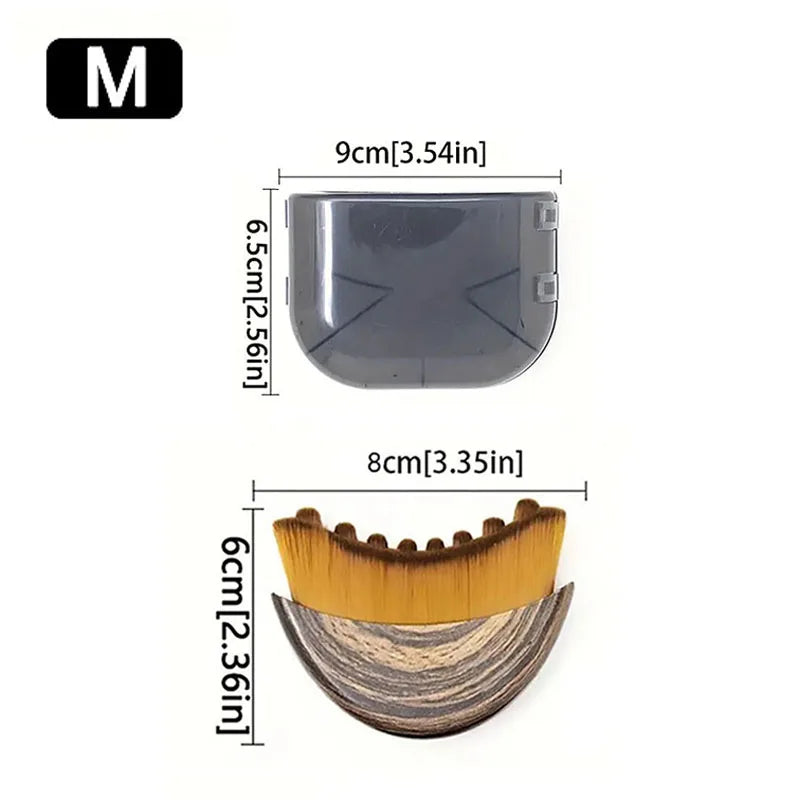
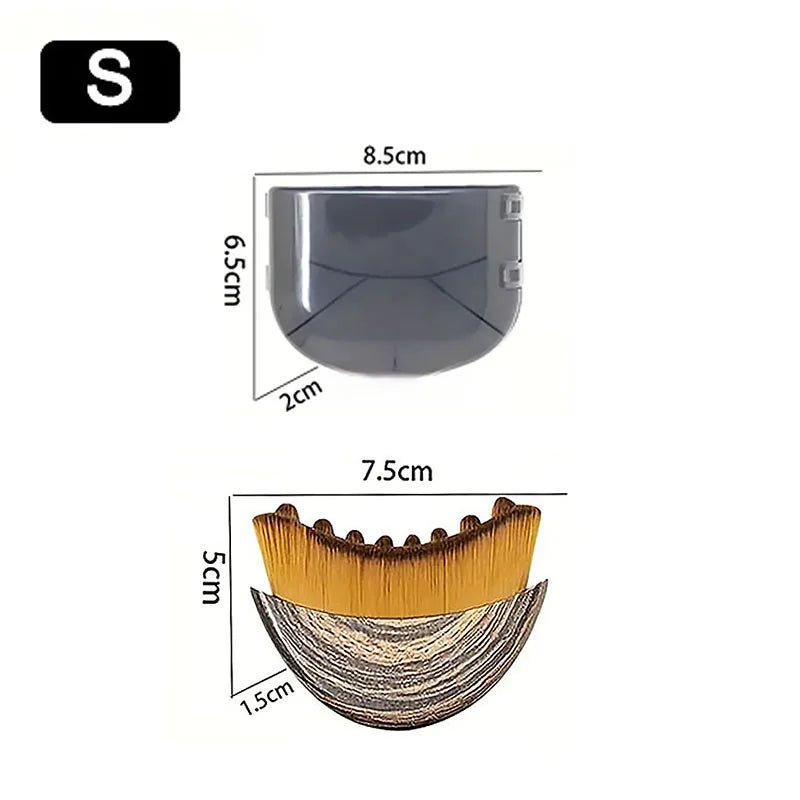
The Lymphatic Face Brush for gentle facial massage is a non-electric option designed for controlled facial massage. It has a contoured shape, ergonomic grip, rubber construction, and no batteries or cords, making it convenient for an at-home or travel skincare routine.
What to look for in a facial lymphatic drainage tool
- A shape that follows facial contours comfortably.
- A grip that allows precise pressure control.
- A smooth or skin-friendly contact surface.
- A design that is easy to clean and store.
- No requirement to use strong pressure to achieve contact.
- A size that works for cheeks, jawline, forehead, and other intended areas.
A manual tool can be particularly practical if you prefer a simple routine without charging, batteries, cords, or complicated settings. For broader beauty-device browsing, you can also explore skin and beauty care devices and related body care and health devices.
Why tool pressure and technique matter more than the tool itself
A facial massage brush cannot compensate for aggressive pressure or an inappropriate direction. Start with your hands if you are learning the technique. Once you understand how light the pressure should feel, a manual tool can be added if it improves comfort or consistency.
For a product designed specifically around this type of simple facial ritual, the manual Lymphatic Face Brush can be used with light pressure on clean skin. Its non-electric design also makes it straightforward to keep in a bathroom or travel bag.
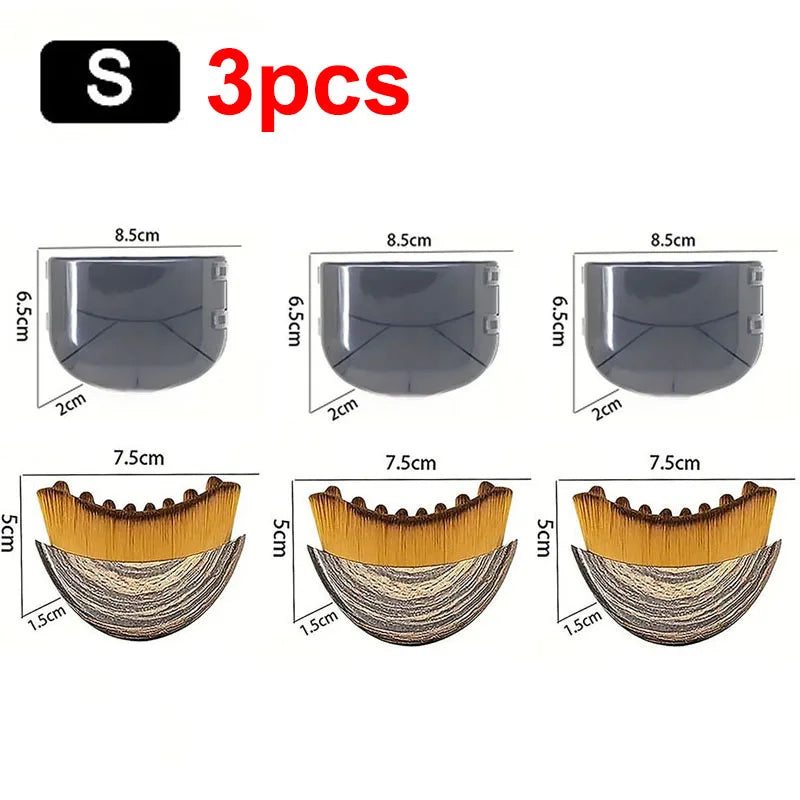
Lymphatic Face Brush vs. Gua Sha vs. Facial Roller
Different manual facial tools can overlap in purpose, but they are not interchangeable in feel or technique. The right choice depends less on marketing claims and more on how easily you can maintain light, controlled pressure.
| Tool | Typical use | Pressure control | Best fit for a simple routine |
| Manual lymphatic face brush | Gentle facial massage and de-puffing routine | High when used with a controlled grip | Simple, non-electric daily self-care |
| Gua sha | Facial massage and sculpting-style routines | Depends heavily on technique and edge pressure | Users comfortable controlling a flat massage tool |
| Facial roller | Cooling-feeling facial massage and skincare ritual | Generally straightforward | Quick, familiar rolling movements |
| Electric facial massager | Vibration or powered massage | Depends on device settings | Users who prefer powered features |
For lymphatic-style facial massage, the tool category is secondary to technique. If you cannot maintain light pressure or a comfortable movement pattern, a more advanced device will not necessarily improve the routine.
Frequently Asked Questions
How do you do manual lymphatic drainage for the face?
Begin with relaxed breathing and gentle neck preparation, then move through the jawline, cheeks, under-eye area, forehead, and temples using light, controlled movements. Finish by returning to the neck. Keep the pressure superficial and stop if the skin becomes painful or irritated.
Why do you start lymphatic drainage on the neck before the face?
The neck contains important lymphatic pathways and cervical lymph nodes connected with drainage from the head and face. Preparing the neck first gives a facial self-massage routine a logical sequence rather than beginning only where puffiness is visible.
How much pressure should you use for facial lymphatic drainage massage?
Use very light, superficial pressure. The goal is to gently move the skin rather than deeply compress facial muscles. Pain, strong redness, irritation, or aggressive skin pulling are signs to reduce pressure or stop.
How often can you do manual lymphatic drainage for your face?
For occasional cosmetic puffiness, some people may incorporate a short, gentle facial massage into a regular self-care routine if their skin tolerates it. If the massage is being used for diagnosed swelling, lymphedema, or postoperative care, frequency and technique should follow professional guidance.
When should you avoid facial lymphatic drainage or see a professional?
Avoid self-massage over infected, injured, bruised, irritated, or healing tissue. Professional guidance is especially important for significant medical conditions, diagnosed lymphedema, recent procedures, active infection, unexplained persistent swelling, or other circumstances in which massage may be inappropriate.
The Bottom Line
Manual lymphatic drainage for the face is best approached as a gentle, directional self-care technique, not a deep facial massage. The core framework is easy to remember: prepare the neck first, use light superficial pressure, work through facial zones methodically, avoid dragging or aggressively kneading the skin, and finish by returning to the neck.
If your goal is simply to make a temporarily puffy morning face look more refreshed, a five-minute routine may be an easy addition to your skincare ritual. A manual tool can make that ritual more consistent, but it should remain optional—the technique matters more than the accessory.
If you prefer a simple, non-electric option, you can explore the Lymphatic Face Brush as a gentle facial massage tool designed for controlled use around areas such as the cheeks and jawline.
For more practical facial-care ideas and educational routines, visit the Body & Face Blog or browse Beauty & Self-Care resources. The goal is not to massage harder—it is to build a comfortable routine you can perform gently and consistently.
Pillar Article: Face Brush for Lymphatic Drainage: How to Choose the Right Tool













