

Muscle Toning EMS: How It Works, Benefits, Safety & Results
Muscle toning EMS uses electrical stimulation to trigger repeated muscle contractions without requiring voluntary movement for every contraction. That makes EMS useful for targeted muscle activation, but it is important to separate muscle toning from fat loss, weight loss, and overall fitness. EMS may support muscle activation and strength-related goals, yet it does not automatically replace exercise or produce dramatic body-composition changes on its own. This guide explains how EMS works, which areas can be targeted, how to plan sessions, what results may realistically look like, how safety and candidacy affect treatment, and how EMS compares with exercise and other noninvasive body-contouring approaches.
What Is Muscle Toning EMS and How Does It Work?
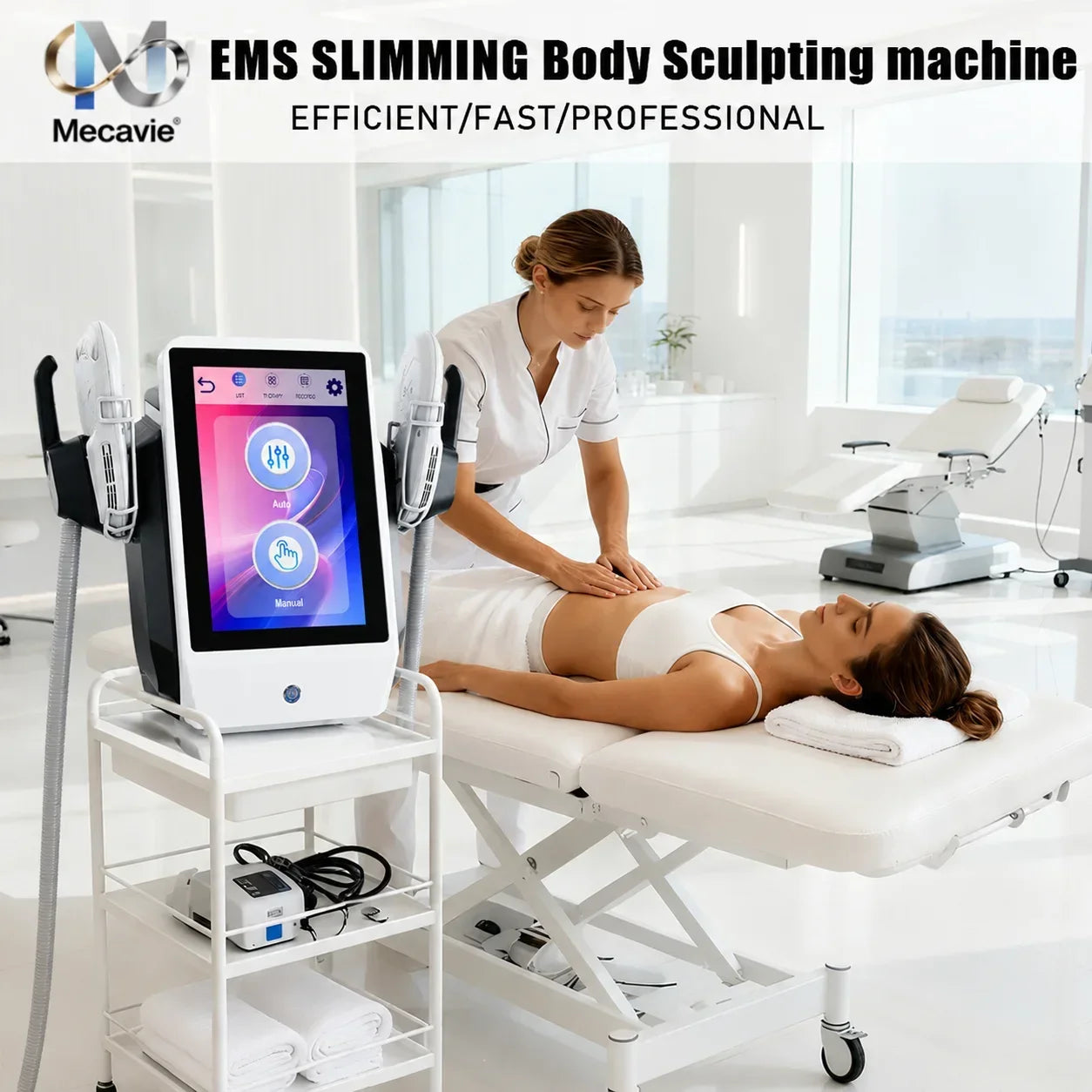
Muscle toning EMS, or electrical muscle stimulation, uses controlled electrical impulses to stimulate nerves associated with muscle contraction. The resulting contractions can help activate specific muscle groups without relying entirely on voluntary movement. Related terminology includes neuromuscular electrical stimulation (NMES) and electromyostimulation. Depending on the device and intended application, these terms may overlap, so readers should evaluate the actual technology, labeling, treatment parameters, and intended use rather than relying on terminology alone.
EMS vs. NMES: What Is the Difference?
EMS is a broad term for electrical stimulation used to produce muscle contractions. NMES more specifically describes electrical stimulation intended to activate nerves and muscles. In consumer and professional marketing, the terms may be used somewhat interchangeably. The practical questions are whether the device is designed for the intended treatment, what stimulation parameters it provides, and what its labeling says about appropriate use.
How Electrical Stimulation Triggers Muscle Contractions
Electrical impulses can activate motor nerves, causing associated muscle fibers to contract. Repeated stimulation produces repeated contractions, while intensity, pulse characteristics, electrode or applicator placement, and individual tolerance influence the treatment experience. Correct placement matters because stimulation is intended to activate a particular muscle group rather than simply create a strong sensation.
Higher intensity is not automatically better. A useful approach is to follow the device's recommended protocol and progress gradually toward a meaningful but tolerable contraction. Discomfort, excessive fatigue, or skin irritation are reasons to reassess the settings and technique.
Can EMS Build Muscle?
EMS can produce muscle contractions and may support muscle strength or muscle-related adaptations under appropriate conditions. However, claims about substantial muscle growth should be treated cautiously. Outcomes depend on stimulation parameters, treatment consistency, the muscle being targeted, baseline fitness, recovery, nutrition, and whether EMS is combined with active exercise. Muscle activation during an EMS session should not automatically be interpreted as equivalent to a complete resistance-training program.
What Can EMS Muscle Toning Actually Do?
The clearest way to understand EMS is to separate its potential muscle-related effects from changes in body fat and body weight. EMS is primarily relevant to muscle stimulation. A person can experience stronger or more noticeable muscle contractions without experiencing meaningful weight loss, and visible definition depends on more than muscle activation alone.
Muscle Toning vs. Fat Loss vs. Weight Loss
Muscle toning generally refers to improving the appearance or functional condition of muscles through activation, strength development, or changes in muscle definition. Fat loss means reducing stored body fat, while weight loss refers to a reduction in overall body mass. These are different outcomes.
For example, abdominal EMS can stimulate the abdominal muscles, but stronger abdominal contractions do not by themselves guarantee a reduction in abdominal fat. Visible definition also depends on body-fat levels, genetics, nutrition, activity, and other factors affecting body composition.
Potential Benefits of EMS Muscle Stimulation
- Targeted activation of selected muscle groups
- Repeated muscle contractions without continuous voluntary movement
- Support for muscle-strength or muscle-conditioning goals when appropriately programmed
- A localized approach for people interested in muscle-focused body contouring
- A potential complement to an existing fitness or wellness routine
These benefits should be interpreted according to the specific device, protocol, intended use, and available evidence. Manufacturer descriptions can explain a device's design, but they should not be treated as proof that every user will achieve the same outcome.
What EMS Cannot Do on Its Own
EMS should not be presented as a shortcut for comprehensive fitness. It does not automatically provide the cardiovascular conditioning, coordination, balance, mobility, or whole-body movement that active exercise provides. It also should not be assumed to cause substantial weight loss simply because a session produces intense muscle contractions.
If your primary objective is general fitness, combining appropriate exercise, nutrition, recovery, and other healthy habits remains more comprehensive than relying on EMS alone. If your goal is localized muscle activation, EMS may have a more specific role.
What Muscles and Treatment Areas Can EMS Target?
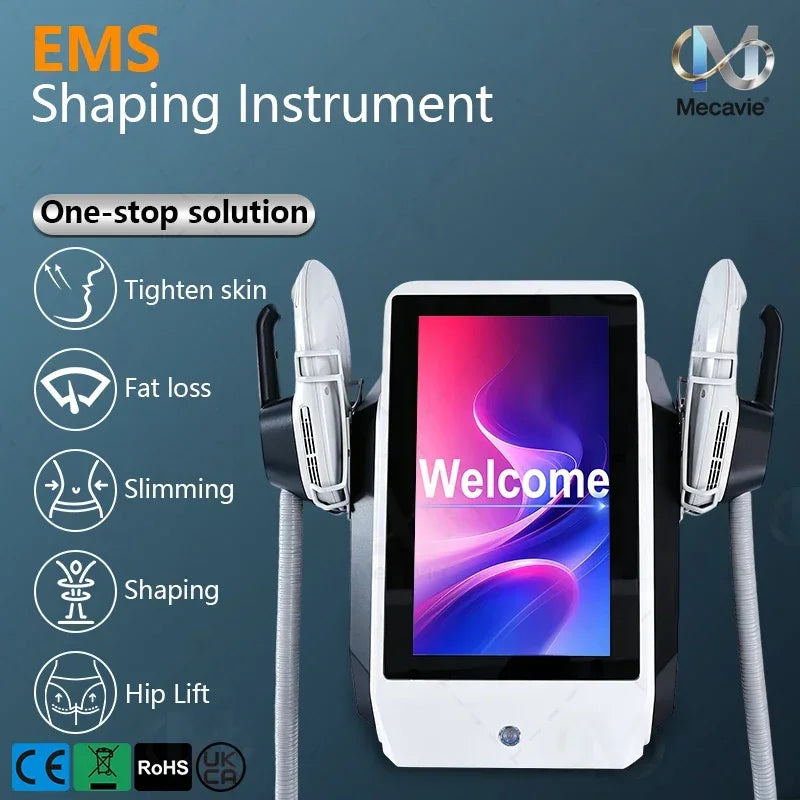
EMS treatment areas depend on the device design, applicator or electrode configuration, and intended labeling. Positioning determines which muscle group receives stimulation, so users should always follow the manufacturer's placement instructions rather than improvising treatment locations.
Abdominal Muscles
The abdomen is a common target for muscle-focused stimulation. Proper positioning can produce repeated contractions of the abdominal musculature. The practical goal should be improved muscle activation or conditioning rather than assuming that abdominal stimulation alone will remove belly fat or create visible abdominal definition.
Gluteal Muscles
The gluteal muscles can also be targeted when a device is designed and labeled for that application. Positioning is particularly important because the intended muscle group needs to receive the stimulation. A treatment plan should therefore match the applicator design and manufacturer's instructions to the desired area.
Quadriceps and Other Lower-Body Muscles
Lower-body muscle groups such as the quadriceps may be appropriate targets for devices intended for those areas. Muscle stimulation should not be confused with general leg slimming. A stronger contraction indicates activation of the stimulated muscle; it does not automatically indicate a reduction in overall leg circumference or body fat.
Choosing a Target Area
Start with the muscle group that matches the actual goal. Consider the device's intended treatment areas, applicator configuration, placement instructions, available intensity controls, and the desired outcome. Targeting fewer areas with a clear objective can make it easier to evaluate whether a treatment plan is working.
How Often Should You Use EMS for Muscle Toning?
There is no universal EMS schedule that applies to every device or person. Treatment frequency depends on stimulation parameters, treatment area, device instructions, intensity, individual tolerance, and recovery. The safest starting point is the protocol supplied with the specific device rather than assuming that daily or high-intensity treatment will produce better results.
A Practical EMS Session Schedule
Begin with the recommended session duration and frequency. Maintain a consistent baseline long enough to evaluate your response before making changes. If a device provides automatic programs, use the appropriate program according to its instructions. Professional systems may provide additional customization, but customization should still remain within the device's intended operating parameters.
How to Progress Intensity Safely
Increase intensity gradually rather than trying to reach the maximum setting immediately. The objective is a controlled, meaningful contraction that remains tolerable. Check the skin and treatment area before and after use, and stop if you experience unusual pain, significant irritation, or another concerning reaction.
EMS and Recovery Between Sessions
Muscles can become fatigued after repeated stimulation just as they can after other forms of muscular work. Allow appropriate recovery between sessions and consider soreness or unusual fatigue when deciding whether to continue. More stimulation is not automatically more effective, particularly when the muscles have not adequately recovered.
When Will You See Results From EMS Muscle Toning?
Results should be evaluated over time rather than judged from a single session. Immediate sensations, temporary muscle fatigue, or the feeling of having completed an intense contraction are not the same as measurable long-term changes in muscle performance or appearance.
What You May Notice First
During an early session, you may primarily notice the stimulation sensation and repeated contractions. Some people may experience temporary muscle fatigue afterward. These immediate effects should not be mistaken for proof of lasting muscle growth or fat reduction.
Short-Term vs. Longer-Term Results
Meaningful changes require consistent treatment and enough time to evaluate the response. Track progress using practical measures such as muscle performance, endurance, treatment consistency, photographs taken under similar conditions, measurements, or how clothing fits. Avoid judging progress solely from day-to-day visual changes.
Factors That Affect EMS Results
- Baseline fitness and muscle condition
- Stimulation intensity and device parameters
- Target muscle and applicator placement
- Consistency of treatment
- Recovery between sessions
- Nutrition and overall lifestyle
- Participation in active exercise
- Individual response to stimulation
EMS Muscle Toning vs. Exercise: Which Is More Effective?
EMS and exercise are not interchangeable. Exercise involves voluntary movement and can train multiple physical systems at once. EMS focuses on electrically induced muscle contractions and may be useful as a targeted complement for specific goals.
What Exercise Does That EMS Does Not
Active exercise can improve cardiovascular conditioning, movement coordination, balance, mobility, functional strength, endurance, and whole-body physical capacity. Resistance training also allows progressive loading through voluntary movement. EMS does not automatically reproduce all of these benefits.
Where EMS May Complement Exercise
EMS may complement an existing fitness routine when the goal includes additional localized muscle activation. For people with limited time, a targeted stimulation session may fit into a broader wellness routine, but it should not be framed as a universal replacement for movement-based training.
EMS vs. Exercise: Quick Comparison
| Factor | EMS Muscle Toning | Active Exercise |
| Muscle activation | Uses electrical stimulation to trigger contractions | Uses voluntary movement and muscle contraction |
| Cardiovascular conditioning | Not the primary purpose | Can directly train cardiovascular fitness |
| Functional movement | Limited compared with active movement | Directly trains movement and coordination |
| Targeted stimulation | Can focus on selected muscle groups | Depends on the exercise selected |
| Convenience | Can provide localized stimulation with limited active movement | Requires active participation |
| Typical role | Potential complement for targeted muscle activation | Foundation for comprehensive fitness |
For readers exploring additional wellness devices alongside an EMS routine, the Body Care and Health Devices collection provides a broader category of options.
EMS vs. Other Noninvasive Body-Contouring Treatments
Not every body-contouring technology has the same target. EMS is primarily muscle-focused, while other technologies may be designed around fat reduction, skin appearance, or thermal energy. Comparing devices by their intended biological target is more useful than treating all noninvasive body-contouring systems as interchangeable.
EMS vs. Fat-Reduction Technologies
EMS is designed around muscle stimulation and contraction. Fat-reduction technologies have different mechanisms and intended outcomes. If reducing body fat is the primary objective, a muscle-stimulation device should not automatically be considered a substitute for a technology specifically designed for fat-related treatment.
EMS vs. Heat- or Energy-Based Body Contouring
Some body-contouring systems use heat or other forms of energy to produce effects that differ from electrically induced muscle contraction. Radiofrequency, for example, is an energy-based technology with a different operating mechanism from EMS. A system that combines technologies should still be evaluated according to the role and intended use of each modality.
Which Approach Fits Your Goal?
- Muscle activation or toning: Consider an EMS-focused approach.
- General fitness: Prioritize active exercise and a complete fitness routine.
- Fat-related goals: Evaluate technologies specifically intended for fat reduction and consider broader body-composition factors.
- Skin appearance: Look for technologies specifically designed and labeled for the relevant skin-focused objective.
- Combined body-contouring goals: Evaluate whether a multi-technology system is appropriate for the intended treatment and follow its labeling.
Is EMS Muscle Toning Safe? Safety, Contraindications & Candidacy
EMS can be appropriate for some users when the device is used according to its instructions, but electrical stimulation is not suitable for everyone. Safety depends on the specific technology, treatment location, device labeling, health circumstances, and correct operation. When there is uncertainty about whether EMS is appropriate, medical guidance should take priority over general online advice.
Who Should Avoid EMS or Get Medical Clearance?
Follow the contraindications and warnings supplied with the specific device. People with relevant implanted electronic devices, certain medical conditions, unexplained symptoms, pregnancy-related considerations, or other circumstances identified in device labeling may need to avoid electrical stimulation or obtain professional medical clearance before use. Do not assume that a device is appropriate simply because it is marketed as noninvasive.
Common Sensations and Potential Side Effects
Users may feel tingling, pulsing, tightening, or repeated muscle contractions during stimulation. Excessive intensity can cause discomfort, and some users may experience temporary skin irritation or muscle fatigue. Treatment should be stopped if the sensation becomes unusually painful, the skin develops a concerning reaction, or another unexpected symptom occurs.
How to Use EMS More Safely
- Read the device instructions before the first session.
- Use the recommended electrode or applicator placement.
- Start at an appropriate intensity and increase gradually only when suitable.
- Use clean skin and maintain the equipment according to its instructions.
- Respect session duration and frequency limits.
- Avoid treatment areas that the device labeling excludes.
- Do not use EMS as a substitute for professional medical care.
For broader beauty and wellness device education, the Body & Face Blog can provide additional context around noninvasive personal-care technologies.
How to Build an EMS Muscle-Toning Treatment Plan
A practical EMS plan starts with a specific objective instead of simply choosing the strongest available setting. The following framework can help organize treatment decisions while keeping the manufacturer's protocol at the center of the process.
Step 1: Define the Primary Goal
Decide whether the goal is targeted muscle activation, strength support, appearance-focused toning, or complementary training. Avoid combining several different objectives and then judging success by an outcome EMS was not designed to deliver.
Step 2: Select the Appropriate Muscle Group
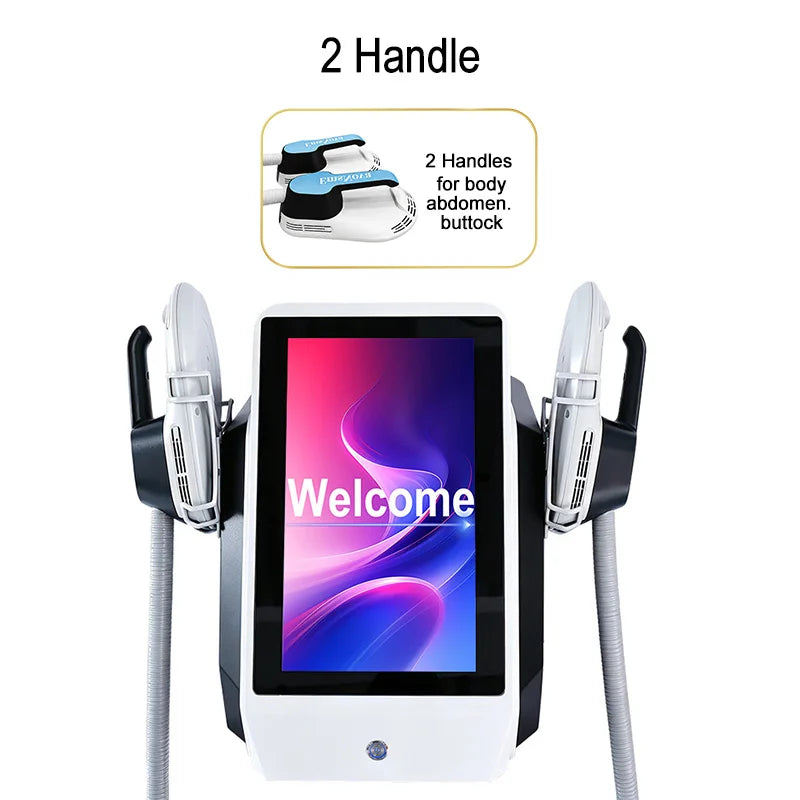
Match the target muscle with the device's intended treatment areas and applicator design. For example, a system designed for the abdomen, buttocks, arms, and legs can be evaluated according to which of those areas best matches the user's primary goal.
Step 3: Start With the Recommended Protocol
Follow the manufacturer's recommended operating procedure before experimenting with settings. Establish a consistent baseline so that changes in intensity, frequency, or treatment duration can be evaluated individually rather than changing several variables at once.
For professional users considering a dedicated system, the Emsnova EMS Body Sculpting Machine combines HIEMT, EMS, and RF technologies and provides both automatic and manual operation. Its listed treatment areas include the abdomen, buttocks, arms, and legs, making it relevant for setups where targeted muscle stimulation is part of a broader body-contouring routine.
Step 4: Track Progress
Use consistent progress markers. Depending on the goal, these can include strength or endurance, muscle activation, photographs taken under comparable conditions, measurements, clothing fit, or adherence to the treatment plan. Avoid interpreting temporary post-session sensations as long-term results.
Step 5: Adjust Expectations and Routine
If treatment is comfortable and the intended goal is being pursued consistently, continue according to the device protocol. If discomfort, skin irritation, unusual fatigue, or unexpected symptoms develop, pause treatment and reassess. If progress does not match expectations, consider whether the goal requires exercise, nutrition, recovery, or a different technology rather than simply increasing EMS intensity.
Readers who want to explore related wellness equipment can also browse the Lifestyle collection for additional options beyond muscle-stimulation devices.
How to Choose an EMS Muscle Toning Device
Choosing an EMS device should begin with intended use rather than headline specifications. Professional and at-home devices can differ in their design, controls, treatment coverage, supervision requirements, and available customization.
Key Features to Evaluate
- Intended treatment areas and applicator configuration
- Adjustable stimulation intensity
- Automatic and manual operating modes
- Session duration and treatment controls
- Clear instructions and safety information
- Appropriate certification and labeling for the market
- Construction quality, warranty, and service support
Professional vs. At-Home EMS Devices
Professional systems may offer broader treatment configurations and more customization for trained operators, while at-home systems generally emphasize convenience and simpler operation. The right choice depends on who will operate the device, how frequently it will be used, what treatment areas are required, and what level of customization is appropriate.
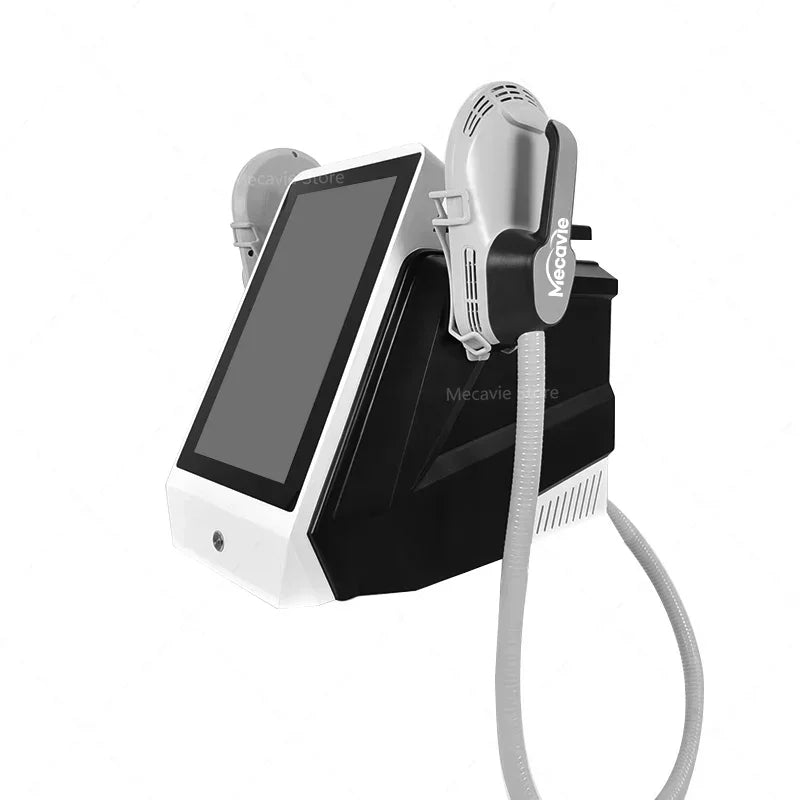
For a professional-style setup, the EMS body sculpting machine for muscle toning and body contouring listed by KentDo uses HIEMT + RF + EMS technology, supports manual and automatic operation, and is specified for abdominal, gluteal, arm, and leg applications. The product information also lists CE and RoHS certifications, a 2-year warranty, and 5-year spare-parts service. These are product specifications rather than guarantees of individual treatment results.
What to Look for Before Buying
Before purchasing, confirm that the device is intended for your use case, provides clear operating instructions, identifies appropriate treatment areas, and states relevant warnings and contraindications. Review the actual specifications rather than relying on phrases such as “professional,” “high intensity,” or “body sculpting.” A credible decision should also consider support, warranty coverage, replacement parts, operating controls, and whether the device fits the intended treatment workflow.
If your broader interest is noninvasive wellness technology, the Skin and Beauty Care Devices collection offers another category for comparing device-based approaches to personal care.
Final Takeaway: Is EMS Worth Considering for Muscle Toning?
Muscle toning EMS works by electrically triggering muscle contractions and can provide targeted muscle activation without requiring every contraction to be produced voluntarily. It may support muscle-conditioning, strength-related, and appearance-focused goals when used with an appropriate device and protocol. However, EMS should not be confused with fat loss, weight loss, or comprehensive exercise.
The strongest approach is goal-specific: identify the muscle group you want to target, follow the device's recommended protocol, progress intensity carefully, allow recovery, and evaluate results over a realistic period. Exercise remains important for cardiovascular health, functional movement, coordination, and whole-body fitness. For readers considering professional equipment, a system such as the Emsnova model can be evaluated based on its HIEMT, EMS, and RF configuration, treatment areas, controls, and support features rather than on promises of automatic transformation.
If targeted muscle stimulation fits your goals, you can explore the Emsnova EMS body sculpting system as one professional-oriented option, or review the broader Body Care and Health Devices collection to consider other approaches within a wider wellness routine.
Pillar Article: Abdominal Muscle Stimulation Device: Benefits, Safety & Buying Guide













