

Non Invasive Body Contouring Machine: Compare 5 Technologies
Choosing a non invasive body contouring machine starts with one question: what result are you actually trying to achieve? Fat reduction, skin tightening, muscle toning, and overall contour definition are different goals, so the technology that makes sense for one may be a poor fit for another. The five major approaches discussed here—cryolipolysis, radiofrequency (RF), high-intensity focused ultrasound (HIFU), electromagnetic muscle stimulation (EMS), and non-invasive laser body contouring—work through different mechanisms and have different treatment timelines, safety considerations, and costs.
This guide compares those technologies from a buyer's perspective, then explains how professional systems differ from at-home devices so you can evaluate a machine based on its intended outcome rather than marketing claims.
What Is a Non Invasive Body Contouring Machine?
A non invasive body contouring machine uses an external energy source or physical mechanism to influence targeted tissue without surgery, incisions, or surgical removal of tissue. Depending on the technology, treatment may focus on subcutaneous fat, skin and connective tissue, or underlying muscles.
Unlike liposuction or other surgical procedures, non-surgical body contouring does not physically remove fat through an incision. It is also different from general weight loss. Body contouring is generally intended for localized cosmetic changes in people who are already relatively close to their desired body weight.
How Non-Surgical Body Contouring Works
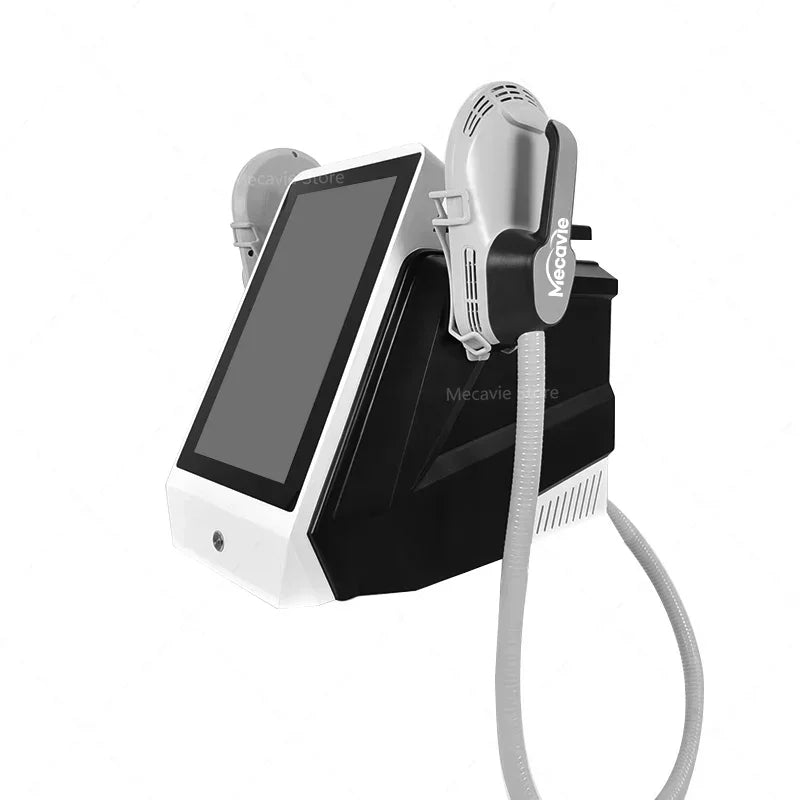
Different machines deliver different forms of energy. Cryolipolysis uses controlled cooling to affect fat tissue. RF uses electromagnetic energy to generate heat in tissue and can be used in protocols intended to improve skin firmness. HIFU delivers focused ultrasound energy at selected tissue depths. EMS and HIEMT systems stimulate muscles to produce repeated contractions. Certain non-invasive laser systems use light energy as part of a body-contouring protocol.
Because these mechanisms are fundamentally different, it is misleading to treat every body contouring machine as interchangeable. A device designed primarily for muscle activation should not be evaluated using the same criteria as a fat-focused treatment.
Body Contouring vs Weight Loss
Non-invasive body contouring is not a substitute for nutrition, physical activity, or medically appropriate weight-management treatment. Its purpose is generally localized shape modification. Someone concerned about stubborn areas that remain after broader lifestyle efforts may therefore be evaluating a different problem from someone seeking overall weight reduction.
5 Non Invasive Body Contouring Technologies Compared
Cryolipolysis
Cryolipolysis, commonly associated with controlled cooling treatments, is primarily a fat-focused technology. An applicator cools a selected area to influence subcutaneous fat cells while attempting to limit damage to surrounding tissue.
It is most relevant when the primary concern is localized fat rather than muscle definition or loose skin. Common treatment areas can include the abdomen, flanks, thighs, and other areas depending on the specific device and its approved indications.
Best suited for: localized fat reduction.
Main limitation: it does not primarily train or strengthen muscle, and results are not equivalent to overall weight loss.
Radiofrequency (RF)
RF body-contouring systems use electromagnetic energy to produce controlled heating in tissue. Depending on the device and treatment protocol, RF may be used to support skin tightening, tissue remodeling, or selected body-contouring objectives.
RF is therefore often more relevant when firmness and skin appearance are part of the goal. Treatment response is influenced by the device, energy parameters, treatment area, and individual tissue characteristics.
Best suited for: skin firmness and selected body-contouring applications.
Main limitation: RF should not automatically be interpreted as a primary muscle-building technology.
High-Intensity Focused Ultrasound (HIFU)
HIFU uses focused ultrasound energy to deliver energy at targeted tissue depths. Unlike broad surface heating, focused ultrasound is designed to concentrate energy within selected areas.
Depending on the specific system and indication, HIFU can be used in body-contouring protocols involving tissue remodeling or localized cosmetic treatment. Professional assessment is particularly important because treatment depth, applicator selection, energy settings, and anatomical location affect both effectiveness and safety.
Best suited for: selected tissue-remodeling and body-contouring applications.
Main limitation: device indications and treatment protocols vary substantially, so buyers should verify exactly what a specific system is designed and cleared to do.
Electromagnetic Muscle Stimulation (EMS)
EMS focuses on muscle activation rather than simply targeting fat. Electromagnetic muscle stimulation technologies can induce powerful muscle contractions, making them relevant to people primarily interested in muscle toning, definition, or targeted muscle activation.
HIEMT is a term used for high-intensity electromagnetic muscle stimulation systems. The important distinction is the intended outcome: muscle stimulation is not the same thing as a fat-removal procedure. A person choosing EMS should therefore evaluate muscle activation, treatment-area compatibility, applicator design, intensity control, and treatment protocols.
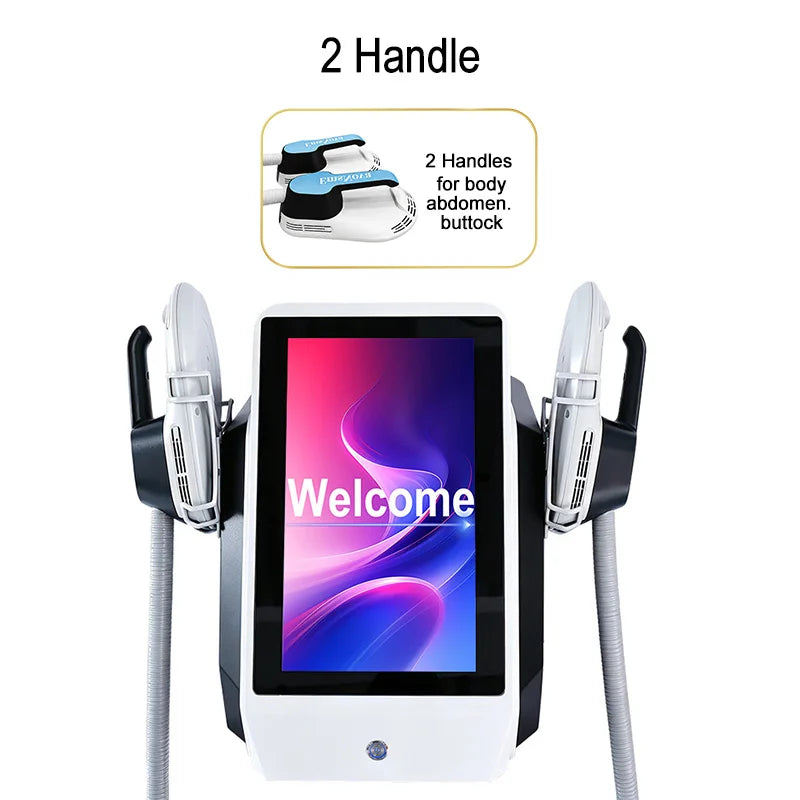
For professional systems that combine technologies, an EMS platform may also incorporate RF. The Emsnova EMS Body Sculpting Machine, for example, combines HIEMT, EMS, and RF and is described for use on areas including the abdomen, buttocks, arms, and legs.
Best suited for: targeted muscle activation and muscle-toning objectives.
Main limitation: EMS should not be marketed or evaluated as a direct replacement for exercise or as a universal fat-loss solution.
Laser Body Contouring
Non-invasive laser body-contouring approaches use selected light energy as part of a cosmetic treatment protocol. These systems differ from surgical laser-assisted procedures because the goal is to affect tissue externally without an incision.
Laser technologies occupy their own category rather than being interchangeable with RF, HIFU, cryolipolysis, or EMS. Buyers should examine the exact wavelength, applicator, intended tissue target, regulatory indication, treatment protocol, and evidence supporting the specific device.
Best suited for: device-specific non-invasive body-contouring applications.
Main limitation: results and indications vary significantly between laser platforms.
Technology-to-Outcome Matrix: Which Machine Does What?
There is no single best non invasive body contouring machine for every objective. A useful comparison starts by matching the mechanism to the desired outcome:
- Cryolipolysis → localized fat: strongest fit when reducing selected subcutaneous fat is the primary objective.
- RF → skin firmness: generally better aligned with controlled tissue heating and skin-tightening objectives.
- HIFU → focused tissue treatment: relevant when a system is specifically designed for targeted tissue remodeling or contouring.
- EMS/HIEMT → muscle activation: the clearest fit when the objective is targeted muscle contractions and toning.
- Laser → device-specific contouring: evaluate according to the exact laser technology, indication, and treatment protocol.
Best Technology by Primary Goal
- Localized body fat reduction: consider fat-focused technologies such as cryolipolysis before muscle-focused EMS.
- Skin tightening and firmness: RF is commonly considered when controlled tissue heating and skin appearance are the priority.
- Muscle toning: EMS or HIEMT is more directly aligned with muscle activation.
- Multiple contouring goals: a combination platform may be attractive when different technologies address different aspects of the desired result.
Best Technology by Body Area
The body area matters because applicators, treatment depth, tissue composition, and device indications differ. The abdomen may be relevant to both fat-focused and muscle-focused treatments, but those treatments address different tissues. Buttocks may be evaluated for muscle stimulation, while thighs and flanks may be considered for fat-focused contouring. Arms can involve either localized fat or muscle-definition goals.
Before buying a machine, confirm that its applicators and intended treatment areas specifically match the area you plan to treat. Do not assume that because a device can contact a body area, it is automatically appropriate for that area.
Quick Comparison: Fat Reduction, Skin Tightening, and Muscle Activation
- Cryolipolysis: high relevance to localized fat; low relevance to direct muscle activation; limited role in primary skin tightening.
- RF: moderate body-contouring relevance depending on the system; strong relevance to heating-based skin-firming objectives; low direct muscle activation.
- HIFU: technology and indication dependent; focused tissue effect; not primarily a muscle-training modality.
- EMS/HIEMT: high muscle-activation relevance; not primarily a fat-removal technology; RF combination systems may address additional tissue objectives.
- Laser: highly dependent on wavelength, device design, and indication; evaluate the specific system rather than the word “laser” alone.
Which Non Invasive Body Contouring Machine Is Best for Your Goal?
Best for Localized Body Fat Reduction
If the central problem is a localized pocket of subcutaneous fat, a fat-focused technology generally makes more sense than choosing a muscle-stimulation system solely because it is marketed for “body sculpting.” Cryolipolysis is one established category to investigate, while other technologies may have device-specific fat-contouring indications.
Best for Skin Tightening and Firmness
When loose or less-firm-looking skin is the main concern, evaluate technologies designed around controlled tissue heating or remodeling. RF is frequently positioned for this purpose, but the specific device parameters and indication matter more than the technology name alone.
Best for Muscle Toning
If your priority is muscle activation and definition, EMS and HIEMT are more directly aligned with the objective. These systems are designed to create repeated muscle contractions rather than simply heating or cooling fat tissue.
For professional buyers looking for a multi-technology approach, an EMS body sculpting machine with HIEMT and RF can be evaluated when muscle stimulation and broader body-contouring functionality are both relevant.
Best for Multiple Body-Contouring Goals
Combination platforms can make sense when the treatment plan involves more than one target. However, having multiple technologies does not automatically make a machine better. Each technology should have a clear role, appropriate controls, compatible applicators, and a defensible treatment protocol.
For additional professional and personal body-device options, explore the Body Care and Health Devices collection and compare machines according to their actual intended function.
At-Home vs Professional Body Contouring Machines
The distinction between at-home and professional equipment is one of the most important buying considerations. A professional machine may provide greater output, more sophisticated applicators, broader parameter controls, and protocols intended for trained operators. An at-home device generally emphasizes convenience, simpler operation, and lower-intensity use.
What Professional Machines Offer
- Higher treatment capability: professional platforms may be designed for more intensive treatment protocols.
- Operator control: trained providers can select settings and applicators based on the treatment plan.
- Screening: professional environments can include consultation and contraindication screening.
- Repeatable protocols: clinics can establish standardized treatment procedures and document patient response.
What At-Home Devices Offer
- Convenience: users can incorporate treatments into their own schedules.
- Repeat use: the economics may become attractive for people who expect frequent use over a longer period.
- Simpler operation: consumer devices often reduce the number of user-adjustable parameters.
- More modest expectations: lower-intensity devices should not automatically be expected to produce results equivalent to professional systems.
Are At-Home Machines as Effective as Professional Machines?
Not necessarily. An at-home machine should not be assumed to be equivalent to a professional system simply because both use the same technology label. Output, applicator design, treatment duration, controls, intended indication, treatment protocols, and supervision can all differ.
For professional or aesthetic settings, the Emsnova HIEMT and RF body sculpting system is one example of a professional-oriented platform that combines EMS/HIEMT and RF, offers manual and automatic operation, and is specified with a 6500W power rating. Those specifications describe the product; they should not be interpreted as a guarantee of a particular clinical or cosmetic result.
Safety Thresholds and Device Specifications to Check
Do not choose a machine based only on wattage, marketing terminology, or before-and-after photographs. Check the device's intended indication, applicable regulatory status, treatment-area compatibility, energy parameters, applicator configuration, operating instructions, contraindications, maintenance requirements, and available safety controls.
For professional use, operator training and screening procedures are equally important. A machine with extensive controls still requires appropriate protocols and responsible operation.
Realistic Results Timeline: Sessions, Weeks, and Maintenance
What to Expect After the First Treatment
The sensation immediately after treatment is not necessarily the same as the eventual cosmetic result. EMS can produce an obvious muscle-contraction sensation during treatment, while technologies intended to influence fat or stimulate tissue remodeling may require more time before visible changes become apparent.
Avoid providers or manufacturers that promise identical results for every person. Response varies with the technology, treatment parameters, body area, baseline condition, and individual biology.
Typical Results at 4, 8, and 12 Weeks
A four-week checkpoint can be useful for evaluating early changes, but it should not be treated as a universal deadline. Some treatment effects are progressive and may become more noticeable over several weeks. By eight to twelve weeks, a person may have a better basis for evaluating the overall cosmetic response to a treatment series, depending on the technology.
Muscle stimulation and tissue-remodeling technologies should therefore be judged using different timelines. A temporary post-treatment sensation is not proof of long-term contour change.
How Many Sessions Are Usually Needed?
There is no universal session number for every non invasive body contouring machine. Treatment frequency depends on the technology, device instructions, treatment objective, body area, intensity, and individual response.
Maintenance After Initial Results
Maintenance can matter because cosmetic body-contouring results do not eliminate the biological processes that influence body composition, skin appearance, or muscle conditioning. Lifestyle habits, future weight changes, aging, and the underlying treatment objective can all affect how long results remain noticeable.
Body Contouring Machine Cost and ROI Comparison
Professional Treatment Cost Factors
The total cost of professional treatment depends on the technology, provider, location, treatment area, number of sessions, and whether the provider offers individual sessions or packages. A lower price per session is not automatically better if the treatment requires more sessions or provides a poorer fit for the intended goal.
At-Home Device Cost Factors
For an at-home device, calculate more than the purchase price. Consider expected lifespan, warranty coverage, accessories, consumables, maintenance, frequency of use, and whether the device can realistically be used on the intended body areas.
Simple ROI Framework for Choosing a Machine
A practical starting point is:
Estimated cost per useful treatment = total ownership or treatment cost ÷ expected number of useful treatments.
For a professional business, also consider utilization rate, treatment pricing, staff time, maintenance, consumables, training, and downtime. For personal use, consider how often you realistically expect to use the device compared with the cost of recurring professional sessions.
ROI should never override safety. A cheap machine with unclear specifications is not a good value if its indications, controls, support, or operating requirements are inadequate.
Who Should Not Use Non-Surgical Body Contouring Treatments?
Eligibility depends heavily on the technology. A person who may be suitable for one type of body-contouring treatment may not be suitable for another. Always follow the manufacturer's contraindications and seek professional medical advice when the treatment involves a medical condition, implanted device, pregnancy, altered sensation, or another potential risk factor.
Common Contraindications and Precautions
- Implanted electronic devices: electrical or electromagnetic technologies may be unsuitable for some people with implanted devices.
- Pregnancy: many energy-based cosmetic treatments are avoided during pregnancy unless specifically cleared by an appropriate healthcare professional.
- Active skin conditions: irritated, infected, or damaged skin may require postponement or additional evaluation.
- Impaired sensation: reduced ability to perceive heat, cold, or discomfort can increase treatment risk for certain technologies.
- Device-specific exclusions: every machine has its own instructions, warnings, and contraindications.
When Professional Screening Is the Better Choice
Professional consultation is preferable when the treatment involves higher-intensity energy, an unclear diagnosis, significant skin laxity, unusual pain, implanted medical devices, or uncertainty about whether the desired outcome is fat reduction, skin tightening, or muscle activation.
Questions to Ask Before Treatment
- What tissue is this machine actually designed to target?
- What is the device's intended indication?
- Who is qualified to operate it?
- What results are realistic for this treatment?
- How many sessions are normally recommended?
- What side effects or adverse reactions should be expected?
- What conditions or implanted devices make treatment inappropriate?
- What aftercare and maintenance are required?
How to Choose a Non Invasive Body Contouring Machine
Choose by Goal
Start with the desired outcome. Choose a fat-focused approach when localized fat is the priority, an appropriate RF or remodeling technology when skin firmness is central, and EMS/HIEMT when targeted muscle activation is the main objective.
Choose by Budget
Compare the recurring cost of professional treatments with the total ownership cost of a device. Include maintenance, accessories, training, and expected use rather than comparing purchase prices alone.
Choose by Body Area
Confirm that the applicator and device indication cover the exact body area you want to treat. A machine suitable for abdominal muscle stimulation is not automatically suitable for every anatomical region or every treatment objective.
Choose by Evidence and Safety
Prioritize clearly defined indications, credible evidence, manufacturer instructions, appropriate safety controls, operator qualifications, and realistic claims. Certifications can provide useful information about compliance, but a certification mark by itself does not prove that a machine will deliver a specific cosmetic outcome.
If your primary use case is professional muscle stimulation and body contouring, you can review the Emsnova EMS Body Sculpting Machine as one example of a HIEMT + RF platform. Its listed features include automatic and manual operation, treatment areas such as the abdomen, buttocks, arms, and legs, CE and RoHS certification, a two-year warranty, and five-year spare-parts service.
Pros and Cons of Non Invasive Body Contouring Machines
Pros
- Non-surgical approach without incisions.
- Multiple technologies can address different cosmetic objectives.
- Some systems can target localized areas rather than requiring overall weight loss.
- EMS and HIEMT provide a direct approach to targeted muscle activation.
- Professional combination platforms can provide more than one treatment modality.
Cons
- Results vary substantially between technologies, devices, and individuals.
- Non-invasive contouring is not a replacement for overall weight management.
- Professional equipment can require significant upfront investment and operator training.
- At-home devices should not be assumed to match professional treatment intensity or results.
- Contraindications and safety requirements differ by technology.
- Some cosmetic changes require multiple sessions and maintenance.
Final Verdict: Which Non Invasive Body Contouring Machine Is Best?
There is no universally best non invasive body contouring machine. The right choice depends on the tissue you want to target and the result you expect. Cryolipolysis is primarily associated with localized fat reduction, RF is commonly used for controlled heating and skin-firming objectives, HIFU provides focused ultrasound treatment, EMS and HIEMT emphasize muscle activation, and laser systems occupy a separate device-specific category.
For buyers comparing machines, the most important questions are not simply “Which machine is strongest?” or “Which technology is newest?” Instead, ask whether the device is appropriate for your goal, body area, budget, treatment setting, evidence requirements, and safety profile.
For readers focused specifically on professional muscle toning and body contouring, a combined HIEMT/EMS and RF system such as the Emsnova platform may be worth evaluating as part of a broader professional equipment comparison. The best purchasing decision is the one that matches the machine's actual capabilities with the treatment outcome you intend to pursue.
Pillar Article: Abdominal Muscle Stimulation Device: Benefits, Safety & Buying Guide













