

Professional Muscle Stimulation Machine With RF: Specs, Safety & ROI
A professional muscle stimulation machine with RF combines two distinct technologies: EMS/HI-EMT for targeted muscle stimulation and radiofrequency (RF) for controlled tissue heating. For clinics, medspas, salons, and aesthetic practices, choosing the right platform requires more than comparing advertised power. Buyers should evaluate the technology, applicator configuration, treatment controls, safety documentation, workflow, training, warranty, maintenance, and expected business economics.
This guide explains what to compare before investing in a professional EMS + RF platform, while keeping muscle stimulation and RF heating clearly differentiated.
What Is a Professional Muscle Stimulation Machine With RF?
A professional muscle stimulation machine with RF is a body-contouring platform that combines muscle stimulation technology with radiofrequency energy in one professional system. The EMS/HI-EMT component is intended to produce targeted muscle contractions, while RF uses electromagnetic energy to generate controlled tissue heating. These functions should be evaluated separately because they have different operating principles, controls, and treatment considerations.
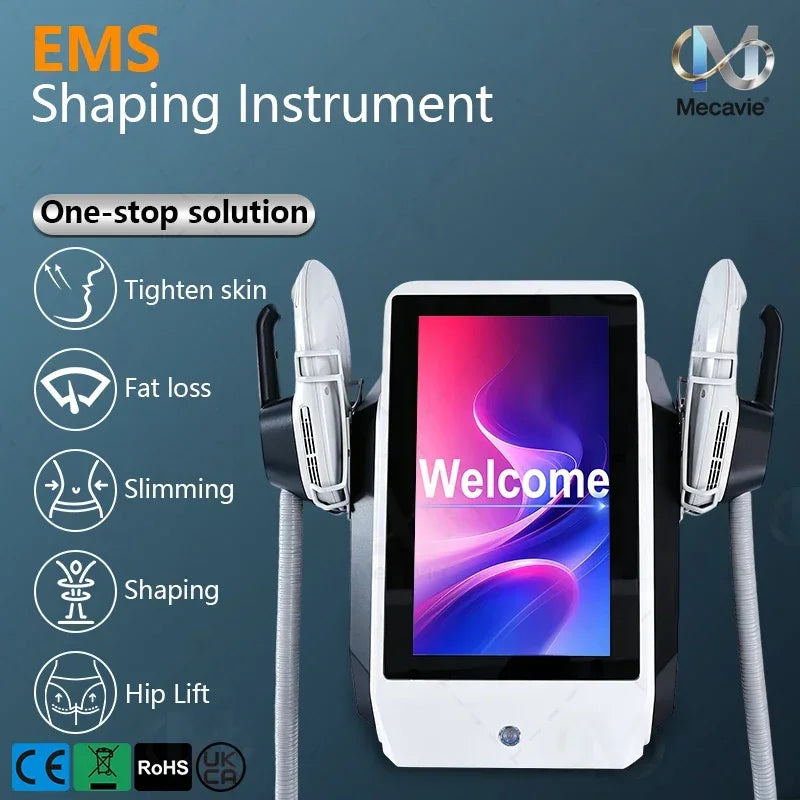
EMS and HI-EMT: Electromagnetic Muscle Stimulation
Electrical muscle stimulation (EMS) uses electrical impulses to stimulate muscles, typically through surface electrodes. HI-EMT, or high-intensity electromagnetic technology, uses electromagnetic energy to induce muscle contractions without relying on conventional adhesive electrical electrodes. Depending on the machine design, professional operators may have access to adjustable intensity, treatment modes, timers, and other parameters.
The practical buying question is not simply whether a machine says “EMS” or “HI-EMT.” Buyers should verify the exact technology, output characteristics, applicator design, treatment protocol, and intended use documented by the manufacturer.
RF: Controlled RF Tissue Heating
RF technology uses radiofrequency energy to generate heat within targeted tissue. In a professional body-contouring platform, RF functionality may include temperature monitoring, time controls, output adjustment, or thermal-management features. RF should not be described as another form of muscle stimulation: its primary physical function is controlled tissue heating.
Why Combine EMS/HI-EMT With RF?
A combination platform can give a practice access to two different treatment modalities through one equipment system. This may simplify service-menu planning and room utilization when the device is designed for compatible simultaneous or sequential operation.
However, combining technologies does not automatically mean better clinical or cosmetic outcomes. The value of a combination platform depends on the specific device design, documented intended use, treatment protocols, operator training, and the needs of the practice.
EMS/HI-EMT vs RF: What Each Technology Actually Does
Understanding the distinction between EMS/HI-EMT and RF is essential when comparing professional muscle stimulation machines. EMS/HI-EMT focuses on muscle activation and contraction, while RF focuses on controlled tissue heating.
EMS/HI-EMT Function, Controls, and Treatment Goals
EMS/HI-EMT systems may provide adjustable stimulation intensity, treatment modes, timers, and frequency or pulse controls depending on the equipment. Professional operators should look for clear documentation describing which parameters can be adjusted and how those parameters relate to the manufacturer's treatment protocols.
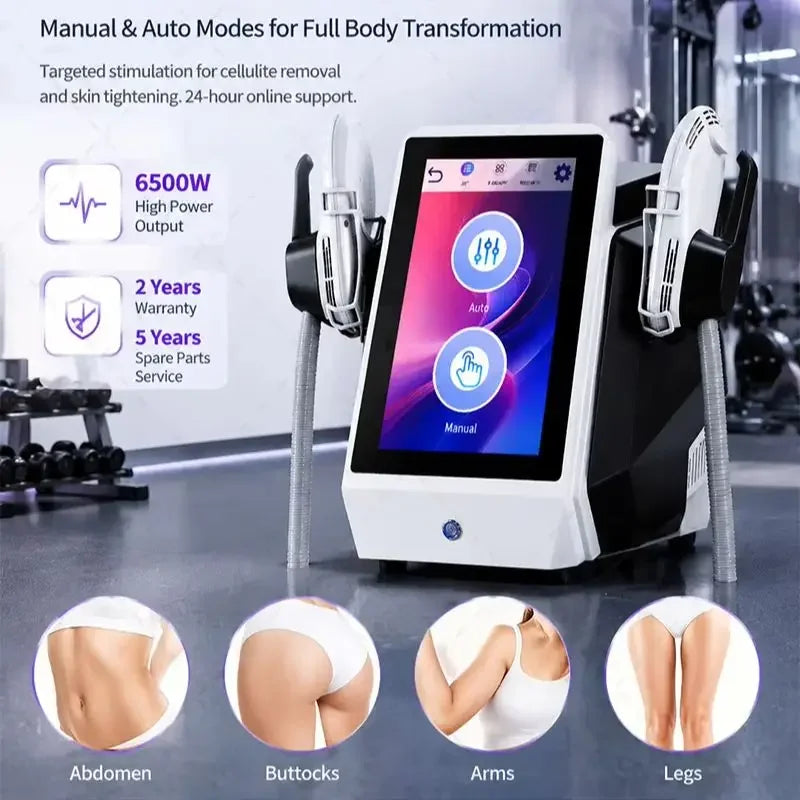
For practices interested in targeted muscle stimulation, treatment-area compatibility is equally important. Common areas documented for professional body-contouring systems can include the abdomen, buttocks, arms, and legs.
RF Function, Temperature, and Tissue-Heating Controls
RF functionality should be assessed independently. Important specifications can include RF frequency, output controls, treatment duration, temperature monitoring, cooling or thermal-management systems, and automatic safety limits.
A machine with extensive RF controls can provide greater operational flexibility, but only when operators understand the manufacturer's defined parameters and safety procedures.
Can the Two Technologies Work Simultaneously?
Some combination systems are designed for simultaneous EMS/HI-EMT and RF operation, while others may use the technologies sequentially. This capability depends entirely on the specific machine architecture and manufacturer's protocol.
Never assume that any EMS and RF devices can be combined or operated simultaneously. Confirm compatibility, treatment sequence, applicable parameters, and safety instructions in the device documentation.
Professional EMS RF Machine Specifications to Compare
Specifications should be evaluated as a complete system rather than as isolated headline numbers. A high advertised power rating does not by itself establish treatment performance, safety, or suitability for a particular clinic.
EMS/HI-EMT Output and Treatment Controls
Ask manufacturers for the exact EMS/HI-EMT output characteristics, adjustable intensity range, frequency or pulse settings where applicable, available treatment modes, timer functions, and number of independently controlled channels.
Also verify whether the system offers automatic programs, manual customization, or both. A practice serving different operator experience levels may value the flexibility of having preset and customizable operating modes.
RF Output, Frequency, Temperature, and Cooling
For RF, compare the documented frequency, output controls, temperature monitoring, cooling or thermal-management system, treatment timer, and automatic limits. These details can have a direct impact on workflow and operator control.
Applicator Configuration and Treatment Areas
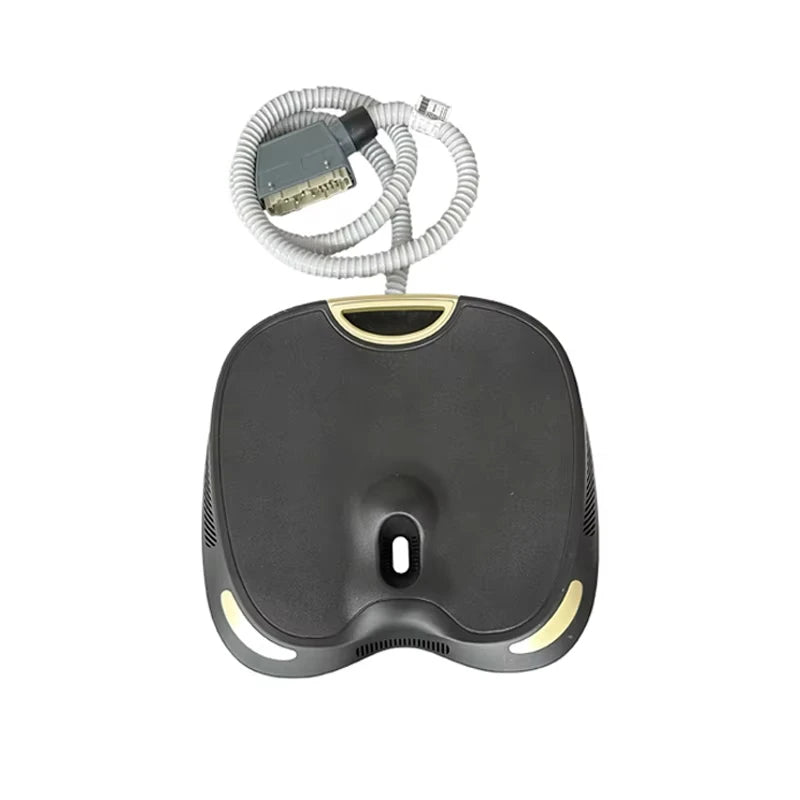
Applicator configuration can be just as important as the machine's main specifications. Compare the number and type of applicators, channel configuration, intended treatment areas, and whether multiple areas can be treated according to the manufacturer's protocol.
For a clinic focused on body contouring, confirm compatibility with the areas the practice actually plans to offer, such as the abdomen, buttocks, arms, or legs.
Machine Configuration and Clinic Usability
Professional buyers should also assess touchscreen controls, preset programs, portability, electrical requirements, machine footprint, operator ergonomics, cleaning requirements, and setup time. A technically capable machine may still be a poor operational fit if it creates unnecessary workflow bottlenecks.
For practices evaluating broader professional body-care equipment, the Body Care and Health Devices collection can provide additional context on equipment categories.
One example of a documented combination platform is the Emsnova EMS Body Sculpting Machine, which lists HIEMT + RF + EMS technology, 6500W power, manual and automatic operation, and CE and RoHS certification. Buyers should still request the complete technical and regulatory documentation for their intended market before purchasing.
Single-Function EMS vs Combination EMS + RF Platforms
When an EMS-Only Machine May Be the Better Fit
An EMS-only platform may make sense for a practice that primarily wants muscle stimulation and does not need RF functionality. A narrower service offering can reduce equipment complexity, training requirements, and maintenance considerations.
It may also be appropriate when the practice already owns a separate RF platform or has no business demand for RF-based services.
When an EMS + RF Platform May Make More Sense
A combination platform may be attractive when a clinic wants multiple technologies in one system and has a service model that can support both. Combining capabilities can potentially improve room utilization and simplify equipment planning compared with purchasing completely separate systems.
The decision should still be based on documented functionality rather than the assumption that combined technology is automatically more effective.
Combination Platform Trade-Offs
- Equipment cost: Combination systems may require a larger initial investment.
- Training: Operators need to understand both technologies and their respective protocols.
- Maintenance: More functions can mean more components and service considerations.
- Workflow: Multiple treatment capabilities can be useful, but only if the clinic has sufficient demand.
- Safety: Each technology requires appropriate operating procedures and screening.
- Space: One integrated platform may simplify equipment layout compared with multiple machines.
Safety, Certifications, and Regulatory Documentation
Professional equipment buyers should treat documentation as a purchasing requirement, not an afterthought. Certifications, test reports, labeling, intended-use statements, instructions for use, and regulatory status should be verified for the exact model being purchased.
What Safety Documentation Should Buyers Request?
Request the device's technical specifications, intended use, labeling, operating instructions, electrical safety documentation, applicable test reports, risk-management documentation where relevant, and treatment protocols. The documentation should identify the specific manufacturer and model rather than relying on generic statements.
FDA Device Clearance: What Buyers Should Verify
In the United States, buyers should distinguish FDA device clearance from marketing language such as “FDA approved” or “FDA certified.” Verify the exact manufacturer, model, device classification, intended indication, and applicable FDA regulatory status through appropriate documentation.
A supplier's general statement about FDA compliance is not enough to establish the regulatory status of a particular device.
IEC 60601 and ISO 13485
IEC 60601 standards are relevant to safety considerations for applicable medical electrical equipment, while ISO 13485 relates to quality-management systems for medical devices. A certificate or reference to a standard does not, by itself, prove that every regulatory requirement for a particular market or device has been satisfied.
Ask suppliers to identify exactly which standards, certificates, test reports, and quality systems apply to the model being evaluated.
Operator Contraindications and Treatment Screening
Screening requirements should come from the manufacturer's instructions and, where appropriate, qualified clinical guidance. Considerations may include implanted electronic devices, metal or heat-sensitive conditions, pregnancy-related restrictions, skin conditions, and other device-specific contraindications.
Do not rely on a generic online contraindication list when establishing a professional treatment protocol. The device's instructions for use and applicable professional requirements should take priority.
A Typical Professional EMS + RF Treatment Workflow
1. Consultation and Treatment Screening
Begin by documenting the client's goals, relevant history, screening information, treatment area, and expectations. Confirm that the proposed treatment is appropriate under the manufacturer's screening requirements before proceeding.
2. Applicator Placement and Parameter Selection
Position the applicators according to the manufacturer's instructions and select the applicable treatment protocol. Operators should understand which controls affect EMS/HI-EMT stimulation and which affect RF output or temperature.
3. EMS/HI-EMT and RF Treatment
During treatment, follow the device-specific protocol, monitor the client, adjust intensity gradually when permitted, and observe relevant temperature or system indicators. Operators should never exceed documented parameters simply because a higher setting appears available on the control panel.
4. Post-Treatment Documentation and Follow-Up
Record the treatment performed, settings where appropriate, client feedback, and any relevant observations. Practices may also use standardized photographs or measurements when suitable and consistently documented. Follow-up scheduling should reflect the manufacturer's recommended treatment protocol.
For related educational content, practices can explore the Body & Face Blog for additional body and facial care topics.
Results, Treatment Protocols, and What Clinics Should Measure
Why Device Specifications Do Not Equal Guaranteed Results
Specifications describe how a machine is designed to operate; they do not guarantee a particular client outcome. Results can depend on device design, intended use, treatment parameters, client selection, operator technique, protocol adherence, and other factors.
Professional marketing should therefore avoid guaranteeing fat loss, muscle building, or specific body-contouring results unless those claims are supported by the device's intended use and appropriate evidence.
Which Treatment Metrics Are Worth Tracking?
Clinics can track both operational and client-facing metrics. Useful measures may include treatment completion, equipment utilization, client satisfaction, repeat bookings, treatment-area measurements when appropriate, and standardized before-and-after documentation.
Tracking these variables helps a practice evaluate whether the service is commercially useful without confusing internal business performance with guaranteed clinical outcomes.
Use Manufacturer Protocols as the Starting Point
The manufacturer's instructions should define the starting point for treatment parameters, intended treatment areas, contraindications, applicator placement, session procedures, and equipment operation. Operators should be trained on the exact model rather than assuming that protocols transfer directly between different machines.
Training, Warranty, Maintenance, and After-Sales Support
Operator Training and Protocol Support
Before purchasing, ask whether the supplier provides onboarding, technical training, operating manuals, treatment-protocol guidance, certification programs, or continuing support. Training can be particularly important for combination systems because operators must understand two different technologies.
Warranty and Service Coverage
Compare warranty duration, covered components, repair procedures, replacement-part availability, expected response times, and service coverage. A low purchase price may become less attractive if repairs are difficult or spare parts are unavailable.
The Emsnova platform described in the supplied product information includes a 2-year warranty and 5-year spare-parts service. Buyers should confirm the exact warranty terms, exclusions, service process, and geographic coverage before purchase.
OEM/ODM and Customization Considerations
For distributors and private-label buyers, evaluate OEM/ODM capabilities, production consistency, packaging, documentation, quality control, customization options, and regulatory responsibilities. Customization should never come at the expense of traceability or required technical documentation.
For practices comparing additional professional beauty technologies, the Skin and Beauty Care Devices collection can help place body-contouring equipment within a broader equipment strategy.
Professional EMS RF Machine ROI: How to Evaluate Payback
ROI should be calculated from the economics of the actual practice rather than from generic revenue promises. The most useful question is how much incremental contribution margin the service can realistically generate after accounting for utilization and operating costs.
The Core ROI Variables
- Equipment purchase price
- Installation and setup costs
- Operator training
- Consumables, if applicable
- Maintenance and service costs
- Treatment price
- Sessions performed per day
- Operating days per month
- Expected equipment utilization
- Staffing and operator time
- Financing costs
- Local market demand
Simple Payback Calculation
A straightforward framework is:
Payback period = Total equipment investment ÷ Monthly incremental contribution margin attributable to the service
This calculation is more useful than dividing equipment cost by gross treatment revenue because contribution margin accounts for relevant operating costs.
Capacity Matters as Much as Treatment Price
A treatment priced highly does not necessarily produce strong equipment economics. Applicator count, session duration, setup time, operator involvement, treatment-room availability, and realistic demand all influence the number of treatments a clinic can complete.
Example ROI Scenario With Adjustable Assumptions
Consider a purely hypothetical example in which total equipment investment is $12,000 and the service generates $2,000 per month in incremental contribution margin. The simple payback calculation would be $12,000 ÷ $2,000, or approximately 6 months.
This is not an industry benchmark or expected result. If utilization falls or operating costs rise, payback becomes longer. If the clinic generates a higher sustainable contribution margin, payback becomes shorter. Buyers should substitute their own equipment quote, pricing, utilization, staffing, and market-demand assumptions.
Professional EMS RF Machine Comparison Checklist
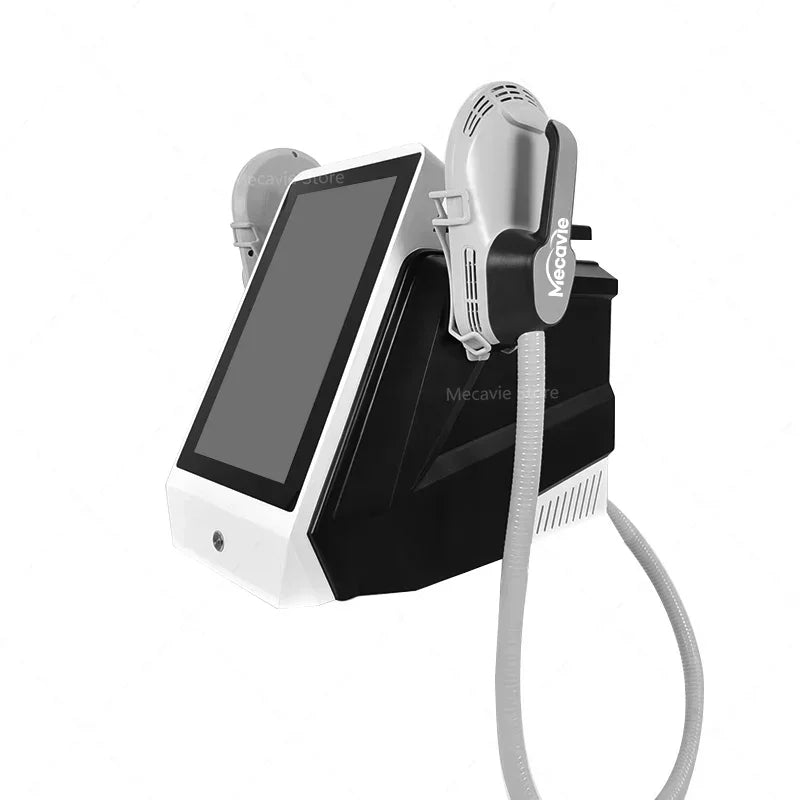
Use the following matrix when comparing professional EMS RF machines. The goal is to evaluate the complete business and operational package rather than choosing the platform with the most impressive headline specification.
| Evaluation Area | What to Compare | Buyer Priority |
| Technology | EMS/HI-EMT method, RF technology, and whether operation is simultaneous or sequential | Confirm documented functionality |
| Output & Controls | Intensity, frequency or pulse controls, RF output, temperature controls, timers, and modes | Match to treatment protocols |
| Applicators | Applicator quantity, configuration, channels, and intended treatment areas | Match to planned services |
| Safety | Temperature monitoring, automatic limits, electrical safety, manuals, and screening requirements | Request model-specific documentation |
| Workflow | Setup, treatment duration, operator involvement, cleaning, footprint, and room utilization | Assess actual clinic throughput |
| Support | Training, warranty, spare parts, repairs, technical support, and service availability | Evaluate total cost of ownership |
| Commercial Fit | Purchase price, financing, treatment demand, pricing, utilization, and payback assumptions | Model using local business data |
For a concrete example to evaluate against these criteria, the Emsnova professional EMS body sculpting machine lists HIEMT + RF + EMS technology, manual and automatic operation, 6500W power, CE and RoHS certification, and treatment areas including the abdomen, buttocks, arms, and legs in its supplied product information.
Pros of a Combination EMS + RF Platform
- Combines muscle stimulation and RF functionality in one platform.
- Can support a broader professional service offering.
- May simplify equipment planning compared with separate systems.
- Can provide automatic and customizable operating modes when supported by the device.
- May improve room utilization when both modalities have sufficient demand.
Cons to Consider
- More technology can mean greater training and maintenance complexity.
- Higher upfront cost may not be justified for every practice.
- Regulatory and technical documentation must be evaluated for the exact model.
- Combination capability does not automatically establish superior outcomes.
- ROI depends heavily on utilization, staffing, pricing, and local demand.
When the technical specifications appear suitable, request the complete specification sheet, intended-use documentation, safety information, warranty terms, training details, and current commercial quotation before making a purchasing decision.
Questions to Ask Before Requesting a Quote
Technical Questions
- What exact EMS/HI-EMT technology does the machine use?
- What are the documented EMS/HI-EMT output and adjustable parameters?
- What RF frequency and output specifications are provided?
- Does the system operate EMS/HI-EMT and RF simultaneously or sequentially?
- How many applicators and independent channels are included?
- Which treatment areas are specifically supported?
- Does the RF system include temperature monitoring or cooling?
- What are the electrical requirements and total machine dimensions?
Regulatory and Safety Questions
- What is the exact manufacturer and model designation?
- What regulatory documentation applies to the intended market?
- What certifications and test reports are available?
- What are the device's intended-use statements and labeling?
- Can the supplier provide the complete instructions for use?
- What contraindications and screening requirements are specified?
Business and Support Questions
- What is included in the warranty?
- How long are spare parts available?
- What operator training is included?
- How are repairs and technical support handled?
- What are typical maintenance requirements?
- What are the shipping, installation, and lead-time terms?
- Are OEM/ODM or private-label options available?
- What documentation is supplied for distributors or professional buyers?
For qualified buyers, the next step is to compare the answers against the clinic's actual service model. A supplier quotation is most useful when it includes complete specifications, applicable documentation, warranty coverage, training, spare-parts support, and all relevant purchasing costs.
Conclusion: Choose the Platform That Fits the Clinic
The best professional muscle stimulation machine with RF is not necessarily the machine with the highest advertised output. A stronger buying decision comes from evaluating documented EMS/HI-EMT and RF capabilities, applicator configuration, controls, safety systems, intended use, operator training, reliability, support, and realistic economics.
For practices that want a combination platform, the Emsnova EMS Body Sculpting Machine provides a concrete example with documented HIEMT + RF + EMS technology, manual and automatic operation, and professional-use positioning. Before purchase, qualified clinic buyers should compare their requirements with the machine's complete technical and regulatory documentation rather than relying on promotional claims alone.
If the platform's technology, treatment configuration, support package, and economics align with your planned service model, consider reviewing the professional EMS + RF body sculpting machine and requesting the specifications, documentation, warranty, training, and pricing information needed for a complete purchasing evaluation.
Pillar Article: Abdominal Muscle Stimulation Device: Benefits, Safety & Buying Guide













