

RF and EMS Treatment Benefits: Evidence, Results, and Safety
RF and EMS are non-invasive technologies, but they are designed to affect different biological processes. Radiofrequency (RF) primarily delivers controlled electromagnetic energy to heat tissue, making it more relevant to skin appearance and tissue remodeling. Electrical muscle stimulation (EMS) delivers electrical impulses that trigger muscle contractions, making it more relevant to muscle activation and conditioning. The better option depends on the treatment goal, target area, device parameters, and individual suitability.
RF and EMS Treatment Benefits at a Glance
The most important distinction is simple: RF is primarily heat-focused, while EMS is primarily muscle-activation-focused. RF treatments may be selected when the goal involves skin appearance, tissue heating, or collagen-related remodeling. EMS is generally selected when the goal is targeted muscle stimulation, contraction, and conditioning.
What RF is primarily used for
Radiofrequency therapy uses electromagnetic energy to generate controlled heat within targeted tissue. Depending on the technology and treatment design, RF may be used for aesthetic goals involving skin appearance, firmness, and tissue remodeling. RF should not automatically be described as a substitute for weight loss or as a guaranteed fat-reduction treatment because outcomes depend on the device, parameters, treatment area, and clinical evidence.
What EMS is primarily used for
Electrical muscle stimulation uses externally delivered electrical impulses to activate nerves and produce muscle contractions. EMS and neuromuscular electrical stimulation (NMES) are used in different clinical and wellness contexts, including muscle activation and conditioning. Some aesthetic systems use high-intensity muscle stimulation as part of a body-contouring approach.
Where their benefits overlap—and where they do not
RF and EMS can both appear in body-contouring systems because their functions can be complementary. However, combining two technologies does not automatically mean that every claimed benefit is stronger or clinically proven. RF does not perform the same function as electrical muscle stimulation, and EMS does not replace RF when the primary objective is a heat-based skin treatment.
How RF Treatment Works
How radiofrequency energy heats tissue
Radiofrequency treatment uses electromagnetic energy to create controlled heating within the treatment area. The exact depth and distribution of heating depend on the RF system, electrode configuration, frequency, energy level, applicator design, and treatment technique. Professional systems therefore should not be evaluated based on the term “RF” alone.
Controlled heating is important because excessive or poorly controlled energy can increase the risk of unwanted tissue effects. Proper device operation, treatment parameters, skin assessment, and manufacturer instructions are therefore central to responsible RF treatment.
RF, collagen remodeling, and skin appearance
RF is commonly associated with collagen remodeling and changes in skin appearance. Heating tissue can influence collagen structures and stimulate biological processes involved in remodeling. The visible outcome, however, is not necessarily immediate and can vary considerably between individuals.
For readers evaluating skin and beauty care devices, the key question is not simply whether a product uses RF. Look at the intended treatment area, energy delivery system, operating parameters, safety instructions, and evidence supporting the specific device or technology.
RF treatment benefits supported by clinical evidence
Clinical research supports the use of certain RF technologies for selected aesthetic applications, particularly treatments involving skin appearance and tissue remodeling. Evidence strength varies substantially by device and indication. A study of one RF platform should not automatically be treated as proof that every RF device produces identical results.
What RF cannot reliably do
RF should not be presented as a universal solution for body transformation. It cannot reliably replace nutrition, resistance training, or medical treatment when those interventions are appropriate. Claims about substantial fat loss, dramatic body reshaping, or permanent results require careful evaluation of the underlying evidence and the exact technology being used.
How EMS Muscle Stimulation Works
EMS vs neuromuscular electrical stimulation
EMS is a broad term for electrical stimulation intended to produce or influence muscle activity. NMES specifically refers to electrical stimulation that activates peripheral motor nerves and produces muscle contractions. Terminology can vary across consumer, rehabilitation, fitness, and aesthetic settings, so the actual operating mechanism and intended indication matter more than the label alone.
How electrical impulses trigger muscle contractions
When an appropriate electrical stimulus reaches motor nerves, it can cause muscle fibers to contract. Repeated stimulation can create substantial muscular activity without the person voluntarily initiating every contraction. The intensity, pulse characteristics, electrode placement, treatment duration, and individual tolerance all influence the experience and response.
Potential EMS benefits for muscle activation and conditioning
EMS can be useful when targeted muscle activation is the primary objective. Depending on the application, electrical stimulation may support muscle conditioning or activation and can be incorporated into broader training or aesthetic routines. High-intensity systems may be designed specifically for strong contractions in areas such as the abdomen or buttocks.
For body-focused device research, a body care and health devices collection can provide broader context, but device specifications should always be reviewed individually rather than assuming that every EMS product operates in the same way.
What EMS cannot replace
EMS is not a complete replacement for voluntary exercise, progressive resistance training, cardiovascular activity, or a balanced lifestyle. It may provide targeted stimulation, but muscle performance, strength, body composition, and overall health involve multiple factors. A responsible treatment plan should therefore position EMS as a tool rather than a shortcut that eliminates conventional fitness.
RF vs EMS: Benefits, Goals, Sensations, and Results
RF vs EMS comparison table
| Factor | RF | EMS |
| Primary technology | Radiofrequency electromagnetic energy | Electrical muscle stimulation |
| Primary target | Targeted tissue heating and skin-focused effects | Motor nerves and muscle contractions |
| Common aesthetic goal | Skin appearance and tissue remodeling | Muscle activation, conditioning, and body sculpting |
| Typical sensation | Controlled warmth or heating | Rhythmic tingling and muscle contractions |
| Results timeline | Often develops gradually depending on treatment and indication | Muscle effects may be noticed progressively with repeated use |
| Downtime | Usually designed as a non-invasive treatment, but device-specific effects vary | Generally designed as non-invasive stimulation with little or no scheduled recovery |
| Main limitation | Does not directly replace muscle training | Does not provide the same tissue-heating mechanism as RF |
Which technology fits which treatment goal?
Choose RF when your primary objective is skin-focused and involves tissue heating or remodeling. Choose EMS when your primary objective is targeted muscle activation and contraction. If the goals are complementary—for example, addressing both muscle stimulation and a skin-focused treatment objective—a system combining technologies may be worth evaluating, provided its specific claims and safety instructions are appropriate.
RF vs EMS treatment sensations and downtime
RF commonly produces a warming sensation as tissue is heated. EMS typically produces tingling followed by noticeable muscle contractions that can become stronger as intensity increases. Neither sensation alone proves that a treatment is effective. Comfort, intensity, treatment duration, and recovery requirements depend on the device and protocol.
Can RF and EMS Treatments Be Used Together?
RF and EMS can be integrated into the same body-contouring system because they use different mechanisms. The rationale is generally complementary rather than interchangeable: RF provides controlled electromagnetic heating, while EMS provides electrical muscle activation. A combined device should therefore be assessed according to what each technology actually contributes.
Why practitioners may combine RF and EMS
Combination systems may be attractive when a treatment plan has both muscle-focused and skin or tissue-focused objectives. Instead of choosing between two completely separate modalities, a professional system can provide multiple treatment functions within one platform.
Potential complementary benefits for body sculpting
A combined approach may make sense when a client wants targeted muscle stimulation while also pursuing an RF-related skin or tissue objective. However, the existence of multiple technologies in one device does not establish that the combined treatment produces superior long-term outcomes.
What the evidence says about combined treatments
Evidence for combined RF and EMS approaches should be evaluated separately from evidence supporting RF or EMS alone. Look for research involving the same or closely comparable technology, treatment parameters, treatment areas, number of sessions, and follow-up period. Broad claims about one technology cannot automatically validate a particular combination device.
When combination treatment may not be necessary
If the treatment goal is narrowly defined, using one appropriate technology may be sufficient. Someone primarily concerned with muscle activation may not need an RF function, while someone pursuing a skin-focused objective may not require electrical muscle stimulation. More technology is not necessarily better technology.
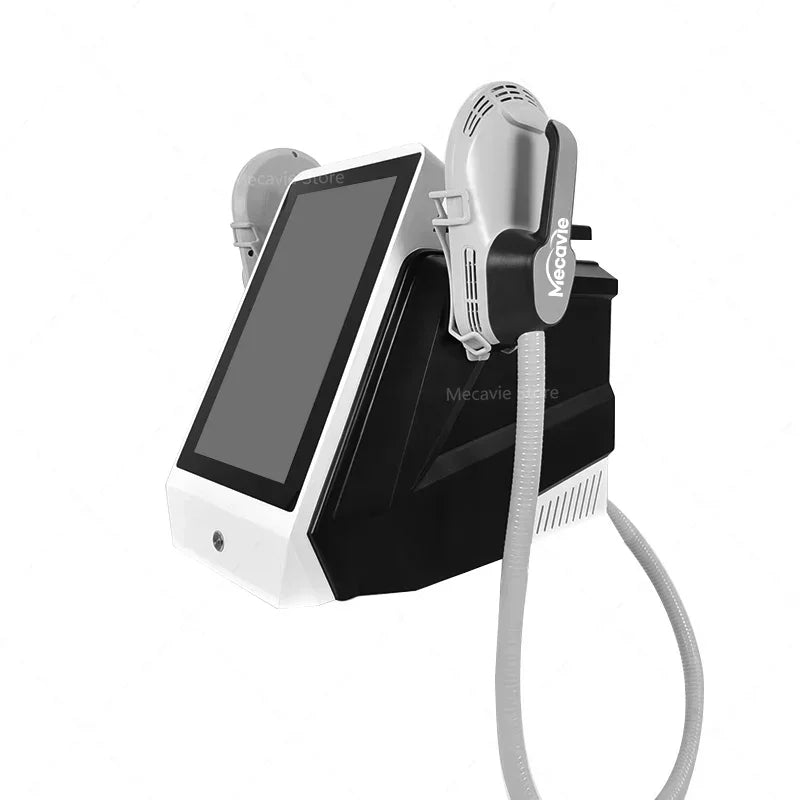
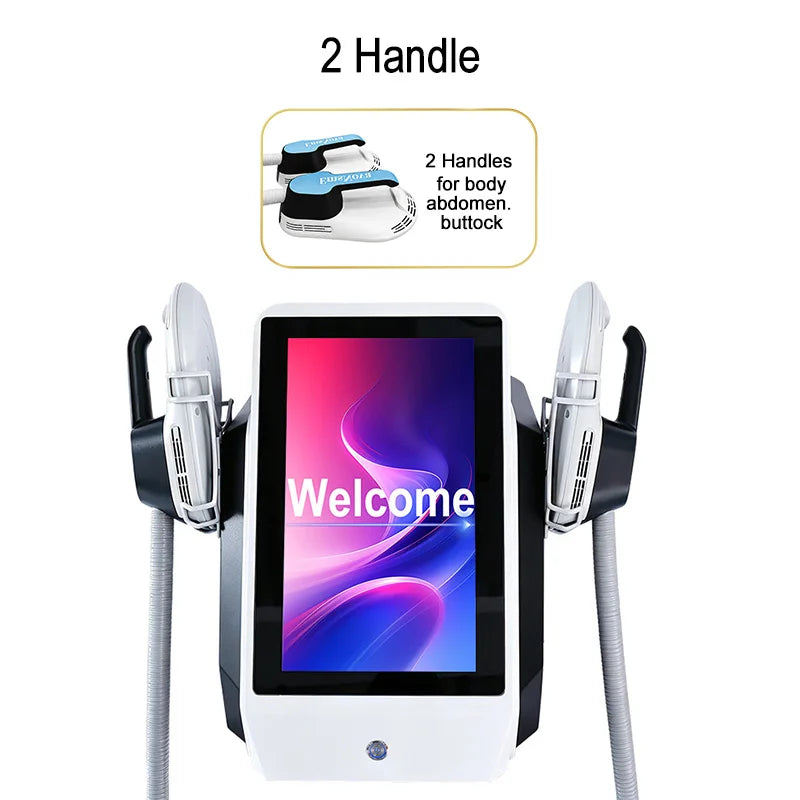
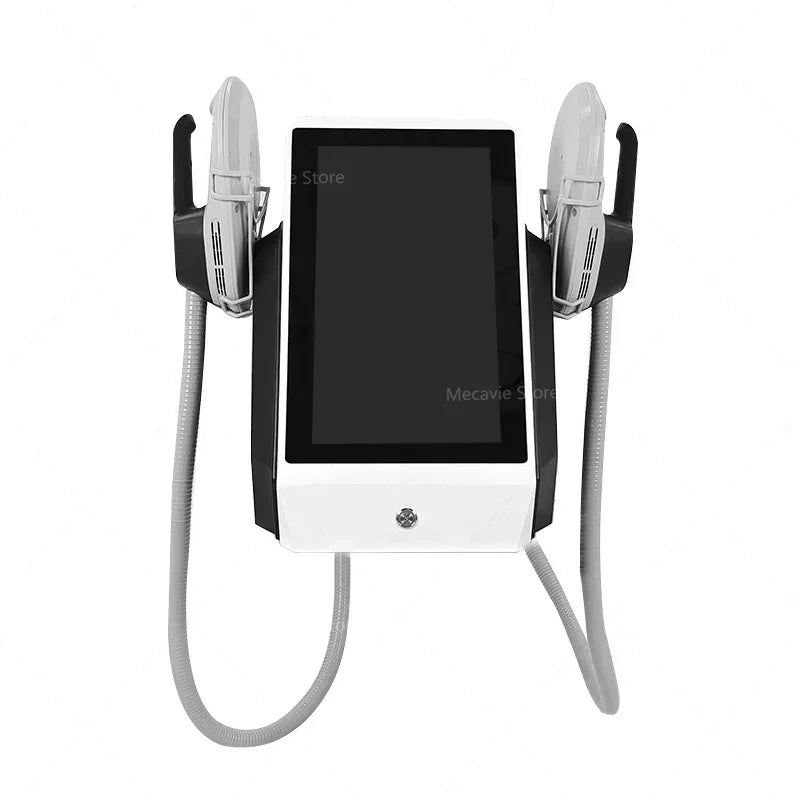
For clinics, wellness businesses, and professional aesthetic environments evaluating an integrated platform, the Emsnova EMS Body Sculpting Machine combines HIEMT, EMS, and RF technologies. Its documented specifications include manual and automatic operation, a 6500W power rating, and intended treatment areas including the abdomen, buttocks, arms, and legs. These specifications describe the device itself and should not be treated as evidence that it produces every benefit associated with RF or EMS research.
If your goal is to evaluate a multi-function platform, focus on the intended treatment areas, operating modes, manufacturer instructions, applicable certifications, warranty support, and the evidence available for the specific system.
RF and EMS Treatment Areas: Face and Body
Face and neck: RF for skin-focused goals
RF technologies are commonly used in aesthetic settings for facial and neck applications where the objective is focused on skin appearance and tissue remodeling. Facial treatment requires device-specific applicators and parameters because tissue depth, sensitivity, and treatment goals differ from those of large body areas.
Abdomen, arms, thighs, and other body areas
Body-contouring systems may be designed for larger areas such as the abdomen, arms, thighs, buttocks, and legs. The appropriate technology depends on the intended outcome. An RF applicator and an EMS applicator may target the same general region while producing very different physiological effects.
EMS-focused muscle stimulation areas
EMS body-sculpting systems commonly focus on muscle groups that can be accessed with appropriately positioned applicators. The abdomen and buttocks are frequent targets, while some professional systems are designed for arms and legs as well.
Why treatment area and device design matter
Two devices using the same broad technology may not deliver equivalent treatments. Applicator geometry, electrode placement, energy output, pulse characteristics, treatment coverage, cooling or temperature controls, and software settings can all influence how a treatment is delivered.
How Long Does It Take to See RF and EMS Results?
What you may notice immediately after treatment
Immediately after RF, the treated area may feel warm or appear temporarily different because of the treatment response. EMS can produce a clear sensation of muscle contraction during and immediately after stimulation. These immediate sensations should not be confused with proof of a lasting aesthetic outcome.
When RF-related skin changes may become noticeable
RF-related changes can develop over time because tissue remodeling is not necessarily an instantaneous process. The timing varies according to the RF modality, treatment parameters, treatment frequency, individual characteristics, and the specific aesthetic objective.
When EMS-related muscle effects may become noticeable
EMS produces muscle contractions during treatment, but visible or functional changes depend on repeated exposure, stimulation intensity, baseline conditioning, treatment area, and other lifestyle factors. A single session should not be treated as a guarantee of substantial or permanent muscle definition.
Why results vary and why maintenance may matter
Results vary because devices, protocols, biological responses, and starting conditions differ. Maintenance may also be relevant because aesthetic changes are not necessarily permanent. Before treatment, ask how many sessions are typically recommended, what outcome is being measured, and whether follow-up treatments are expected.
Safety, Side Effects, and Treatment Contraindications
Common RF treatment sensations and side effects
RF commonly produces warmth during treatment. Temporary redness, tenderness, or sensitivity may occur depending on the device and treatment parameters. Excessive energy or improper use can increase the risk of burns or other unwanted tissue effects, which is why correct settings and device-specific instructions are essential.
Common EMS treatment sensations and side effects
EMS can cause tingling, rhythmic contractions, muscle fatigue, or temporary soreness, particularly when stimulation intensity is high. The experience varies by person and device. Treatment should remain within the manufacturer's specified operating parameters and should not be intensified simply to make contractions feel stronger.
Who should avoid or postpone treatment
Contraindications differ between RF and EMS devices. People with implanted electronic devices, certain metal implants, acute injuries, active skin problems in the treatment area, or other relevant medical considerations may need to avoid particular technologies. Pregnancy and other special circumstances may also require postponement or professional clearance.
Because contraindications are device- and patient-specific, this article should not be used as a substitute for medical screening. Review the manufacturer's contraindications and consult an appropriately qualified healthcare or aesthetic professional when there is uncertainty.
Why device-specific instructions and practitioner screening matter
Professional treatment should begin with screening rather than simply selecting the highest available intensity. Operators should understand the technology, treatment area, recommended parameters, contraindications, and appropriate response to unexpected discomfort or skin reactions.
Who Is a Good Candidate for RF, EMS, or Both?
Choose RF when the primary goal is skin-focused
RF may be more appropriate when the main concern involves skin appearance, firmness, or a tissue-remodeling objective that matches the specific RF technology. Expectations should remain realistic, and the evidence for the exact device should be considered whenever possible.
Choose EMS when the primary goal is muscle-focused
EMS may be the more logical choice when targeted muscle activation and strong contractions are the primary objective. It can be particularly relevant for people looking for a non-invasive muscle stimulation modality as part of a broader body-contouring or conditioning routine.
Consider both when treatment goals are complementary
A combined RF and EMS system can be considered when both technology-specific goals are relevant. For professional buyers, the decision should include treatment versatility, intended areas, operating modes, device support, training requirements, and the evidence behind the exact system rather than relying on technology names alone.

For a professional setup, a device such as the Emsnova HIEMT and RF body sculpting system may be relevant when both muscle stimulation and RF functionality are part of the intended service offering. Its automatic and manual operating modes provide flexibility, while the documented two-year warranty and five-year spare-parts service may be relevant considerations for professional buyers.
When neither technology is the right fit
RF or EMS may not be appropriate when the desired outcome requires a different medical or aesthetic intervention. Significant weight management, treatment of a medical condition, substantial muscle weakness, or concerns requiring diagnosis should not be approached as a simple device-selection problem.
Pros and Cons of RF and EMS
RF pros
- Non-invasive technology for selected aesthetic applications.
- Can provide controlled tissue heating.
- Relevant to skin-focused treatment objectives.
- May support collagen-related remodeling depending on the technology.
RF cons
- Results vary substantially by device and treatment protocol.
- Heating creates a
Pillar Article: Abdominal Muscle Stimulation Device: Benefits, Safety & Buying Guide













