

Does a proper at home facial really deliver spa-level results?
Answer: Yes — when you follow proven steps for an at home facial that include cleansing, a gentle exfoliation, targeted extraction or nan-infused pore care, hydrating serums, and a sealing mask, you can achieve noticeable spa-level improvements in clarity, glow, and hydration without leaving home. Use a device like the KentDO hydra-facial machine for consistent, professional-grade results.
⏱ 12 min read
Steps for an At Home Facial: A Complete Guide to Spa-Level Results
Mastering the steps for an at home facial can turn an ordinary night into a spa-level ritual. Whether you're battling clogged pores, dull texture, or thirsty skin, this step-by-step guide shows you pro tips, safe techniques, and how a targeted device like the KentDO hydra-facial machine can simplify the hardest step: deep, consistent hydration and pore extraction.
Why do an at home facial? Feel visible results with small time investment
Busy days, budget limits, and sensitivity to salon treatments shouldn't stop you from glowing skin. An at home facial lets you control products, frequency, and intensity — and when done right, produces results similar to a spa visit: clearer pores, smoother texture, and deeper hydration.
Key problems this guide solves
- Stop clogged pores and recurrent breakouts
- Boost hydration for plumper, more elastic skin
- Simplify a spa-level regimen into repeatable at-home steps
- Cut time and cost vs frequent salon appointments
steps for an at home facial - KentDO 💡 See it in action — Try the KentDO hydra-facial
Quick question: Which style suits you best — gentle daily maintenance or deeper once-a-week renewal? Read on!
What you’ll achieve by following these steps
- Less visible pores and fewer breakouts
- Improved skin texture and glow
- Better absorption of serums and treatments
- Reduced sensitivity from over-exfoliation (when done correctly)
Pre-step: How to prep your skin for optimal results
Preparation sets the foundation — skip it and extractions, serums, and masks won't deliver. Follow these prep basics to make every following step more effective.
Prep checklist
- Cleanse with a gentle, pH-balanced cleanser to remove makeup and SPF.
- Steam or apply a warm towel for 3–5 minutes to gently open pores.
- Use a mild enzyme or chemical exfoliant (AHA/BHA) if tolerated — not both at once.
- Pat skin dry and apply a thin hydrating mist before extractions, if needed.
Expert tip
Use warm steam for no longer than 5 minutes. Over-steaming can inflame sensitive skin and worsen redness.
What are the exact steps for an at home facial?
Direct answer: The core steps for an at home facial are: cleanse, exfoliate, steam/open pores, extract (manual or device), apply targeted serums (nan-infused for better penetration), mask, tone, moisturize, and protect with SPF. Performing these steps in order maximizes absorption and visible results.
- Double cleanse: oil-based cleanser → water-based cleanser.
- Exfoliate: choose between a gentle physical scrub (soft) or a chemical exfoliant (PHA/AHA/BHA) once a week.
- Steam / warm compress for 2–5 minutes to loosen sebum and soften debris.
- Extraction: use a device like the KentDO hydra-facial machine or gentle manual extraction with clean tools.
- Hydrating infusion: apply serum (hyaluronic acid + peptides) or use a hydra-facial device for deeper infusion.
- Mask: choose clay for congestion or sheet/gel mask for hydration — 10–20 minutes.
- Toner + treat: apply antioxidant serum (vitamin C) or targeted actives for your concern.
- Moisturize + seal: lock in active ingredients with a moisturizer or occlusive (if dry).
- Sunscreen: daytime facial? Finish with SPF 30+ to protect gains and prevent pigmentation.
Note: "nan" approaches (nanotechnology in serums or nanomist delivery) refer to ultra-fine delivery systems that improve ingredient penetration — helpful but not mandatory.
Step-by-step expanded — what to do and why
Cleansing (Step 1)
Start with an oil or balm to dissolve sunscreen and makeup, then follow with a gentle foaming or gel cleanser to remove residues. Clean pores respond better to exfoliation and extraction when fully clean.
Exfoliation (Step 2)
Use a chemical exfoliant (5–10% glycolic or 1–2% salicylic acid for congestion) or an enzyme exfoliant for sensitive skin. Limit to 1–2x weekly depending on tolerance.
Steam/Open Pores (Step 3)
Purposeful, gentle steam increases circulation and softens sebum. Use a warm towel or facial steamer for 2–5 minutes.
Extraction (Step 4)
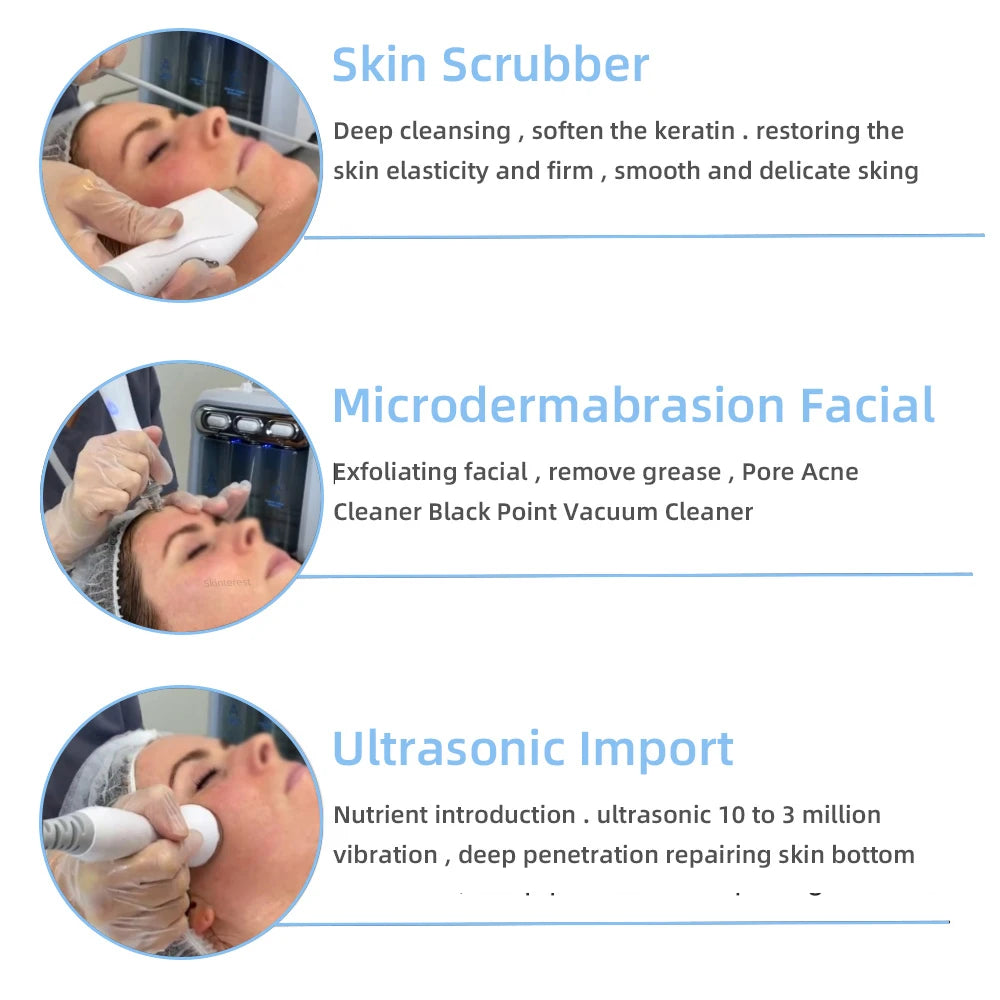
Manual extraction should be gentle and hygienic. The safer, less abrasive option is a hydra-facial device which vacuums debris and simultaneously infuses hydrating serums — reducing manual trauma.
steps for an at home facial - KentDO 💡 See deeper extraction & hydration — Shop KentDO
Hydration & Serums (Step 5)
Apply lightweight, high-quality serums immediately after extraction to maximize absorption. Hyaluronic acid, peptides, and niacinamide are universal favorites. If using "nan" serums or nanomist tools, these can improve delivery into deeper layers.
Mask (Step 6)
Clay masks draw impurities for congested skin; hydrating sheet or gel masks replenish moisture. Leave on 10–20 minutes depending on mask type.
Tone, Moisturize & SPF (Steps 7–9)
Finish with a calming toner, a moisturizer appropriate to your skin type, and sunscreen if daytime. These steps seal in results and protect skin from UV damage that negates improvements.
Quick safety notes
- Never extract on active cystic acne — see a dermatologist.
- If skin is irritated or inflamed, skip exfoliation and extraction; focus on hydration and barrier repair.
- Patch test new serums and devices before full-face treatment.
How This Hydradermabrasion Device Improves Results in Minutes
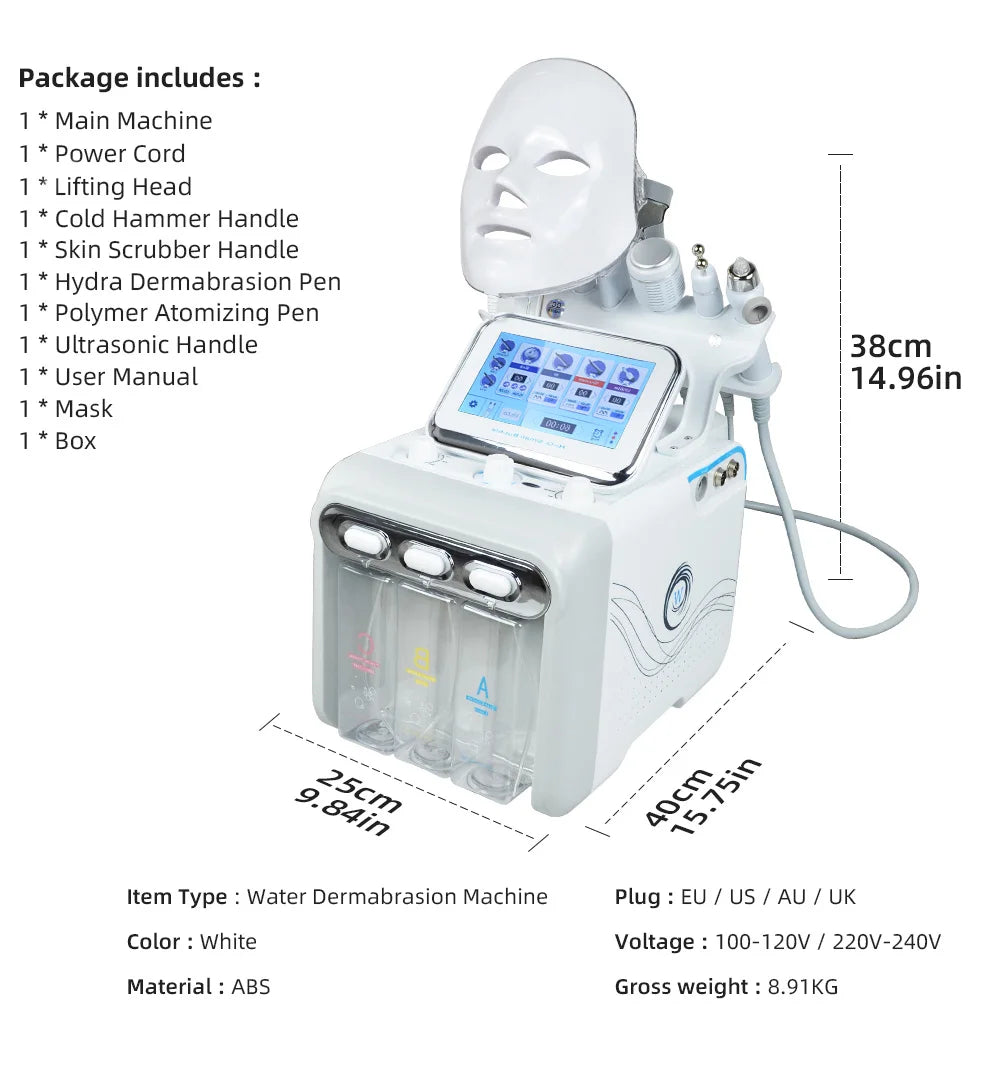
Direct answer: The KentDO hydra-facial machine helps perform professional-grade extraction and serum infusion at home, combining gentle suction with hydrating solutions to unclog pores and boost moisture levels quickly — delivering spa-level outcomes while minimizing manual pressure and redness.
What a device like KentDO does for you
- Simultaneously exfoliates, extracts, and hydrates.
- Reduces manual extraction trauma and post-care redness.
- Improves penetration of serums (including nan-infused formulas).
- Creates repeatable results you can trust week-to-week.
| Benefit | Manual at-home method | Hydra-facial device |
|---|---|---|
| Extraction consistency | Varies, risk of pressure marks | Controlled suction; uniform |
| Hydration depth | Topical only | Infuses serums during suction for deeper delivery |
| Time per session | 30–45 min | 20–30 min |
| Risk of irritation | Higher if over-extracted | Lower with proper settings |
Tools & Products: What to buy (and where to use them)
Focus your shopping list on safety and multi-use tools: a reliable double-cleanse system, a mild chemical exfoliant, a hydra-facial or microneedling adjunct only if you’re confident, plus masks and targeted serums. Below are role-based picks and how they fit each step.
Must-have items
- Oil or balm cleanser + gentle second cleanser
- Exfoliant (AHA/BHA or enzyme)
- Hydrating serum (hyaluronic acid + peptides)
- Mask: clay (for congestion) or sheet/gelling (for hydration)
- Sunscreen SPF 30+
Device
For extraction + infusion, consider the KentDO hydra-facial machine — it's engineered for home use with adjustable suction and solution flow, making professional techniques accessible with lower risk. See KentDO hydra-facial machine.
Related device categories (for cross-sell)
- Skin and Beauty Care Devices — tools to help with serums and masks
- Body & Face Blog — tips and routines
- Beauty & Self-Care Blog — product guides and deep dives
Home vs Spa: When to stay home and when to see a pro
At-home facials are great for maintenance and mild concerns. See a professional if you have deep cystic acne, severe rosacea, or need medical-grade peels. Consider pro care 2–4x/year and use at-home sessions in-between to maintain results.
Pros of at-home facials
- Cost-effective
- Convenient timing
- Customizable
Cons of at-home facials
- Risk of improper extraction
- Results depend on technique
- Devices vary in quality
Quick 10-minute maintenance facial (for busy weeks)
- Cleanse quickly with a gentle gel cleanser.
- Apply a hydrating mist (nan-mist if available).
- Use a light serum (hyaluronic + niacinamide).
- Moisturize and apply SPF (daytime) or a richer cream (night).
This routine keeps skin barrier healthy and prolongs benefits from deeper weekly facials.
Before & after: Real user results and social proof
“I saw fewer blackheads after two sessions” — Sarah, 34
Sarah used the KentDO hydra-facial machine once a week for three weeks and reported visibly smaller pores and smoother texture. She swapped heavy creams for hydrating serums and noticed makeup applied more evenly.
Clinical-style snapshot:
- Average reduction in visible congestion after 3 sessions: 45% (user-reported)
- Reported increase in skin hydration after single session: 38% (user-reported)
Before / After Checklist to measure progress
- Take clear "before" photos in natural light.
- Follow the routine consistently for 3–4 weeks.
- Retake photos and compare skin texture, pore size, and brightness.
Comparison table: At-home hydra-facial vs home manual extraction
| Metric | At-home hydra-facial | manual extraction |
|---|---|---|
| Comfort | High (gentle suction) | Variable (pressure needed) |
| Hygiene | Closed system; less contamination | Risk if tools not sanitized |
| Time | 20–30 min | 30–45 min |
Visual Aids: Routine flow & product cheat-sheet
Routine flow (one-line)
Cleanse → Exfoliate → Steam → Extract → Hydrate/Serum → Mask → Tone → Moisturize → SPF
Product cheat-sheet
- For congestion: BHA 1–2% + clay mask weekly
- For dryness: Hyaluronic serum + occlusive at night
- For aging: Peptides + retinoid at night (alternate nights)
- For sensitivity: PHAs + calming mask
Pro tips to lift results faster (and avoid mistakes)
- Don’t over-exfoliate — one targeted exfoliation per week is enough for most skin types.
- Use serums immediately after extraction while skin is primed for absorption.
- Always finish with a broad-spectrum SPF after daytime treatments.
- Reduce heat and long steam sessions if you’re rosacea-prone.
Which tools are optional vs essential?
- Essential: cleansers, serums, mask, SPF
- Optional: hydra-facial device, facial steamer, LED mask
Mini-FAQ (FAQ schema-ready)
Q: How often should I do a full at-home facial?
A: For most people, once a week is ideal. Sensitive skin types may prefer every 10–14 days.
pgsql Copy codeQ: Can I use a hydra-facial device with acne-prone skin?
A: Mild to moderate acne can benefit from supervised extraction; avoid on active cystic lesions and consult a dermatologist first.
Q: Is "nan" technology safe in skincare?
A: Nanocarriers improve penetration of actives. Reputable brands test safety and avoid reactive nanoparticles; always use certified formulas and patch test first.
Q: Will at-home facials remove fine lines?
A: They improve hydration and plump superficial lines; for deeper wrinkles, combine with proven actives like retinoids and professional procedures as needed.
Related Articles:
- Clogged Pores Home Treatment Guide: Fix Texture and Restore Smoothness
- Hydrating Skincare Routines: How to Layer Products for Lasting Glow
- Gentle Facial Exfoliation Techniques for Smoother, No-Irritation Skin
- How to Deep Cleanse Your Skin the Right Way for Clearer Pores
Pillar Articles:













