

Classic Lashes vs Volume Lashes: Which Is Right for You?
Classic lashes and volume lashes create distinctly different results, but neither style is automatically better. Classic eyelash extensions use a 1:1 application—one extension on one natural lash—for definition and a relatively natural finish. Volume extensions use multiple lightweight extensions arranged into fans to create greater density and customizable fullness. The right choice depends on natural lash health, desired fullness, eye shape, lash mapping, extension diameter, curl, artist technique, maintenance expectations, and budget.
For clients, the most useful question is not simply “classic or volume?” It is “what result can my natural lashes safely support, and what appearance do I want?” For lash artists, the decision also depends on isolation, attachment, fan control, adhesive performance, and the specifications of the extensions being used.
Classic Lashes vs Volume Lashes: What Is the Difference?
Classic lashes create a defined enhancement by attaching one extension to one natural lash. Volume lashes create a denser lash line by attaching a fan containing multiple lightweight extensions to an individual natural lash. Volume does not mean simply using heavier lashes; properly designed volume fans distribute several fine extensions while keeping the total weight appropriate for the natural lash.

Classic eyelash extensions: 1:1 application
Classic eyelash extensions follow a straightforward 1:1 technique. After isolating a single natural lash, the lash artist attaches one extension with the appropriate adhesive amount and placement. Because each natural lash receives an individual extension, the finished set tends to emphasize separation, length, direction, and definition.
Classic sets can look subtle or more noticeable depending on extension length, diameter, curl, mapping, and the client's natural lash density. They are often selected by clients who want a mascara-like effect without the uniform density associated with a full volume set.
Volume eyelash extensions: fan-based application
Volume lashes use fans made from several lightweight extensions. A fan may be handmade by the lash artist or supplied as a premade fan. The number of extensions in each fan, the diameter of each extension, the fan's spread, and the overall attachment determine the resulting density.
A properly constructed volume fan should be selected according to the strength and characteristics of the natural lash. Increasing the number of extensions does not automatically mean increasing weight beyond what the natural lash can support. Diameter and total fan weight matter just as much as fan size.
Quick comparison: classic vs volume lashes
| Factor | Classic lashes | Volume lashes |
|---|---|---|
| Application | One extension to one natural lash | Multiple lightweight extensions in a fan to one natural lash |
| Typical appearance | Defined, separated, natural-looking | Fuller, denser, softer or more dramatic |
| Fullness | Limited by natural lash density | Can visually increase coverage and density |
| Texture | More linear and separated | More dimensional and textured |
| Technique | Isolation and precise 1:1 attachment | Isolation plus fan creation or fan placement |
| Suitability | Works best when natural lashes can support the selected extension | Lightweight fans can provide coverage, but weight must still be appropriate |
| Appointment factors | Generally involves a simpler application workflow | Fan creation or placement can add technical complexity |
| Cost factors | Often influenced by time, materials, and artist expertise | May cost more because of additional technical skill and appointment time |
Classic vs Volume Lashes: Which Gives the Look You Want?
The difference becomes easier to understand when you focus on the visual result rather than the application terminology. Two sets using the same curl can look very different if one uses classic extensions and the other uses volume fans.
Choose classic lashes for a clean, defined, natural look
Classic lashes are a strong option when the goal is definition rather than maximum density. The 1:1 pattern makes individual extensions visually distinct, which can create a clean, elongated appearance. Clients with naturally dense lashes may especially like classic extensions because their existing lash line already provides some fullness.
Classic styling can also be customized. A lash artist can adjust length, curl, diameter, and mapping to create a subtle enhancement or a more noticeable lifted appearance. The result is therefore not limited to one “natural” look.
Choose volume lashes for fullness, softness, and a denser lash line
Volume lashes are useful when the desired result includes more visible coverage across the lash line. Fans can fill visual gaps and create a softer, more dimensional appearance. Depending on fan size, extension diameter, curl, and mapping, volume can range from understated to highly dramatic.
Volume can be particularly useful when a client wants density that classic extensions cannot visually provide because the client's natural lashes are relatively sparse. However, sparse natural lashes do not automatically make volume the safer choice. The artist still needs to select an appropriate fan weight and attachment.
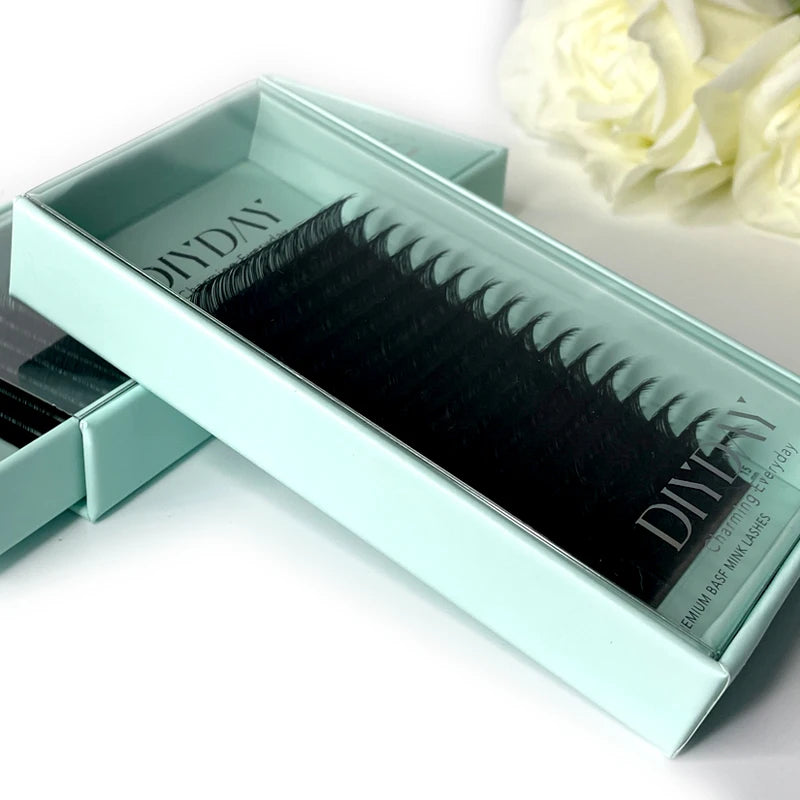
How lash mapping and curls change the final result
Lash mapping determines where different lengths and curls are placed across the eye. Curl selection influences lift and direction, while length influences visual emphasis. A classic set and a volume set can therefore use similar mapping concepts while producing different levels of density.
When selecting a style, discuss the desired eye effect with the lash artist rather than choosing only by the words “classic” or “volume.” A professional can consider eye shape, natural lash direction, existing density, and the desired balance between length and fullness.
For more beauty-related education, readers can also explore the Beauty & Self-Care Blog for related styling and care topics.
Are Classic or Volume Lashes Better for Thin Natural Lashes?
Neither classic nor volume lashes are automatically better for thin natural lashes. Natural lash health, extension weight, diameter, length, and application technique matter more than the category name. A lash artist should evaluate the natural lashes before deciding which extension design is appropriate.
Natural lash health comes first
The artist should consider natural lash thickness, length, density, direction, and overall condition. The extension or fan must be appropriate for the natural lash that supports it. Excessive length or weight can create unnecessary mechanical stress, regardless of whether the set is classic or volume.
When classic lashes may be suitable
Classic lashes can work well when individual natural lashes have sufficient strength and density to support the selected extension. Because the application uses one extension per natural lash, the finished look remains dependent on how many suitable natural lashes are available.
If the natural lash line is sparse, classic extensions may leave visible gaps simply because there are fewer natural lashes available for 1:1 attachment. The appropriate response is not necessarily to choose longer or thicker extensions; the artist should select specifications that respect the natural lash.
When lightweight volume may create more coverage
Lightweight volume fans can create the appearance of greater coverage because multiple fine extensions occupy the visual space around each attachment point. This can make volume useful for clients seeking a fuller lash line when classic would appear too separated.
However, volume should never be treated as a shortcut for weak natural lashes. A lightweight fan still has a total weight, and the fan's diameter, number of extensions, attachment, and natural-lash condition must be considered together.
Classic vs Volume Lash Application: What Changes for the Lash Artist?
The technical distinction between the two styles is significant. Classic application emphasizes precise isolation and consistent 1:1 attachment, while volume requires the additional skill of creating or placing fans with controlled bases, symmetry, spread, and weight.
Classic application and isolation
For a classic set, the artist isolates one natural lash before attaching one extension. Consistent isolation helps prevent neighboring natural lashes from becoming bonded together. The artist also needs to control adhesive amount, attachment point, direction, and distance from the skin while maintaining consistent styling across the set.
Volume application and fan control
Volume application adds fan management to the isolation process. With handmade volume, the artist creates a fan with a stable base and controlled spread. With premade fans, the artist selects an appropriate fan and attaches it securely. In both cases, the base should be properly positioned and the total weight should remain suitable for the supporting natural lash.
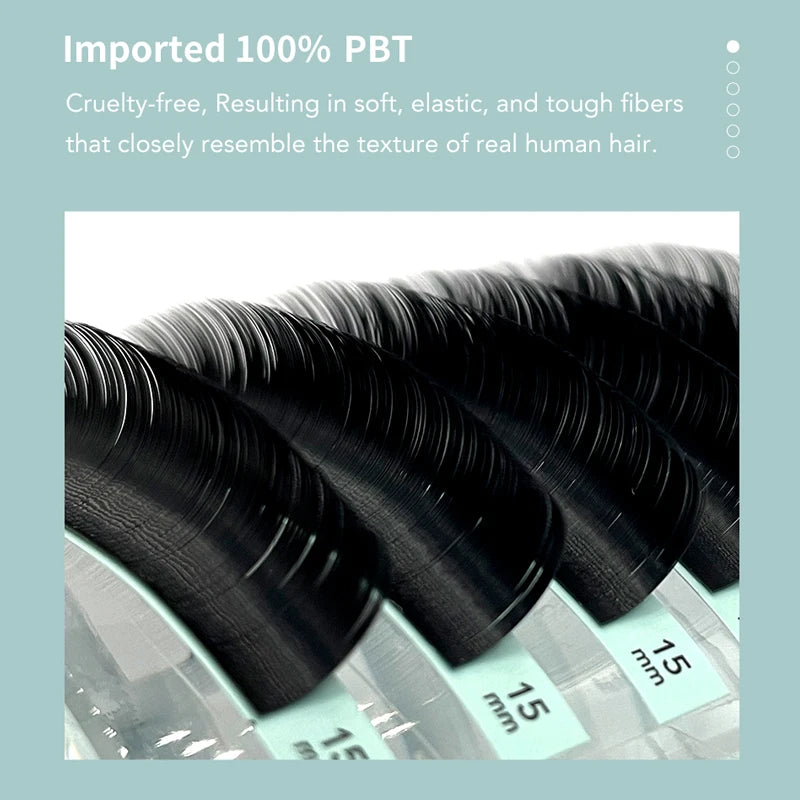
Why lash artist technique affects retention and appearance
Retention is not determined solely by whether a set is classic or volume. Isolation, attachment, adhesive control, curing conditions, extension specifications, natural lash shedding, cleansing habits, friction, oil and moisture exposure, and environmental conditions can all influence how long extensions remain attached.
Product consistency matters too. Consistent curl, diameter, fiber behavior, and adhesive performance can make it easier for an experienced artist to produce repeatable results. This is one reason professional lash supplies should be evaluated by specifications and consistency rather than price alone.
Classic vs Volume Lashes: Maintenance, Longevity, and Retention
There is no universal rule that classic lashes always last longer than volume lashes, or vice versa. Extensions remain attached to natural lashes, and natural lashes follow their own growth and shedding cycles. As those lashes shed, the attached extensions shed with them.
Which lasts longer: classic or volume lashes?
Neither category guarantees longer wear. Retention depends on the quality of the application, adhesive performance, isolation, attachment, natural lash cycle, aftercare, lifestyle, and environmental exposure. A technically excellent volume set can retain well, just as a well-applied classic set can.
What affects lash extension retention?
Important factors include proper isolation, sufficient adhesive contact, suitable adhesive curing conditions, appropriate extension weight, regular cleansing, reduced friction, and following the artist's aftercare instructions. Natural lash shedding is unavoidable and can make one side appear thinner before the other depending on individual growth patterns.
Clients who exercise frequently, experience high humidity or heat exposure, rub their eyes, sleep directly against their lashes, or use unsuitable products around the eye area may experience different retention from someone with a lower-friction routine.
When to schedule a lash extension fill
Fill timing should be based on the amount of retained extension coverage and individual shedding rather than a guaranteed number of weeks. Your lash artist can assess the set and determine whether a fill is appropriate or whether a new full set would provide a better foundation.
Classic vs Volume Lash Cost: What Are You Paying For?
Lash extension pricing reflects much more than the number of extensions used. Artist experience, appointment length, technique, location, materials, adhesive, lash quality, customization, and maintenance all influence the total cost.
Why volume sets may cost more
Volume appointments can require additional technical skill, especially when the artist creates handmade fans. Fan consistency, symmetry, weight control, and placement require practice and concentration. Premade fans can streamline part of the workflow, but professional judgment is still required for selection and attachment.
How maintenance affects total cost
A lower initial price does not necessarily mean a lower long-term cost. The total investment can include fills, removal, replacement sets, and the quality of products used. Compare the full service experience rather than judging classic versus volume strictly by the initial appointment price.
How lash extension diameter and product quality affect value
Extension diameter should be selected according to the intended technique and natural lash condition. Curl consistency, fiber softness, length accuracy, and predictable behavior can also affect application efficiency. A professional may reasonably prefer a product with consistent specifications even when it costs more than an inconsistent alternative.
Classic vs Hybrid Lashes: What Is the Difference?
Hybrid eyelash extensions combine classic and volume techniques in the same set. Instead of choosing exclusively between individual extensions and fans, the artist can use both to create a mixture of definition, texture, and fullness.
How hybrid eyelash extensions combine classic and volume techniques
Classic extensions provide separated definition, while volume fans add coverage and dimensional texture. The artist can distribute these elements according to the client's natural lash pattern and desired result. This makes hybrid styling highly customizable rather than a single standardized look.
Who may prefer hybrid lashes?
Hybrid can suit clients who want more fullness than a traditional classic set but do not want the uniform density of a full volume design. It can create a textured appearance with noticeable definition, making it a useful middle-ground option when classic feels too sparse and volume feels too dense.
For additional eye-focused content, the Eye Care Blog provides a broader collection of eye-care and beauty information.
Classic vs Premade Lash Fans: Which Should You Choose?
Premade lash fans are ready-formed volume fans designed to reduce some of the time required to construct handmade fans. They can be useful for artists who want a more efficient volume workflow while still creating a fan-based lash design.
What are premade lash fans?
A premade fan contains multiple lightweight extensions already arranged into a fan. Instead of manually opening and shaping individual extensions, the artist selects a suitable premade fan and attaches it using the appropriate professional technique.
Premade fans vs handmade volume fans
Handmade fans allow the artist extensive control over fan width, number of extensions, and overall design. Premade fans emphasize consistency and workflow efficiency. The trade-off is that the artist works within the specifications of the premade fan rather than constructing every fan from scratch.
Regardless of fan type, secure attachment, correct weight, appropriate diameter, clean isolation, and suitable natural-lash support remain essential. Premade does not mean universally appropriate for every client or every natural lash.
When premade fans can be practical for lash artists
Premade fans can be practical when appointment efficiency and consistent fan shapes are priorities. For artists evaluating professional lash supplies, look for predictable fiber behavior, consistent curl, clean fan bases, and specifications that support the intended technique.
For example, Classic Eyelash Extension 10 Trays Soft Natural Volume Pro+ provides individual extensions in multiple lengths and curl options. While it is a classic extension product rather than a premade-fan system, a broad range of curls and lengths can help an artist customize classic styling and compare how product specifications affect the finished look.
How to Choose Between Classic, Volume, and Hybrid Lashes
The simplest way to choose is to start with the desired result, then confirm what the natural lashes can safely support. The style should follow the natural lash assessment—not the other way around.
Choose classic if you want...
- A clean and defined lash appearance.
- Visible separation between individual extensions.
- A relatively natural or mascara-like enhancement.
- A style that works well with adequate natural lash density.
- Customized length and curl without the density of a full volume set.
Choose volume if you want...
- A fuller and denser-looking lash line.
- More visual coverage across sparse areas.
- Soft, dimensional texture created with lightweight fans.
- More flexibility in creating subtle to dramatic density.
- A fan-based styling approach tailored to natural lash strength.
Choose hybrid if you want...
- A balance between definition and fullness.
- More texture than a traditional classic set.
- Less uniform density than a full volume set.
- A customized combination of 1:1 extensions and volume fans.
Questions to discuss with your lash artist before choosing
- What is the condition, thickness, length, and density of my natural lashes?
- What extension diameter and length are appropriate for my natural lashes?
- Which curl and lash mapping best suit my desired eye appearance?
- Would classic, volume, or hybrid provide the coverage I want?
- Would handmade or premade fans be more appropriate for the planned volume design?
- What retention should I realistically expect based on my natural lash cycle and routine?
- How should I cleanse and maintain the extensions between appointments?
Lash artists can also review related professional beauty resources through the Skin and Beauty Care Devices collection when building a broader professional beauty setup.
The Bottom Line: Classic vs Volume Lashes
Classic lashes are generally the better match for a defined, separated, relatively natural enhancement, while volume lashes are designed to provide customizable fullness and greater lash-line density. Hybrid lashes sit between the two by combining classic extensions and volume fans.
The most important distinction is that the “best” lash style is not determined by the label alone. Natural lash health, extension diameter, total weight, curl, mapping, adhesive performance, isolation, attachment technique, product consistency, aftercare, and natural lash shedding all influence the final result.
For clients, choose the look first and let a qualified lash artist determine the appropriate specifications. For lash artists, evaluate each set according to the natural lash, styling objective, and technical requirements rather than treating classic, volume, or hybrid as universally superior. That approach produces a more personalized result and supports better expectations for appearance, maintenance, and retention.
Pillar Article: Lash Extension Curl Retention: What Pros Should Look For













