

Lash Extension Curl Retention: What Pros Should Look For
Two lash trays can look nearly identical when they arrive at the salon yet perform differently during application, storage, and wear. For professional lash artists, that difference matters because a curl that starts consistently should also remain predictable enough to support clean lash mapping and repeatable finished sets. Lash extension curl retention refers to an extension's ability to maintain its manufactured curve and visual shape under appropriate handling and normal professional conditions. It is influenced by fiber quality, manufacturing consistency, curl design, thickness, weight, heat resistance, storage, adhesive technique, and client aftercare—not by one specification alone.
When evaluating classic eyelash extensions, the goal is therefore not to find a curl that supposedly lasts for a guaranteed number of days. A better approach is to evaluate measurable product specifications and look for consistent performance from tray to tray.
What Is Lash Extension Curl Retention?
Lash extension curl retention is the ability of an eyelash extension to preserve its manufactured curvature and appearance rather than noticeably changing shape under appropriate professional use and storage. Strong curl retention supports predictable styling because the curl you select during lash mapping is more likely to remain visually consistent with the intended design.
Curl Shape vs. Curl Retention
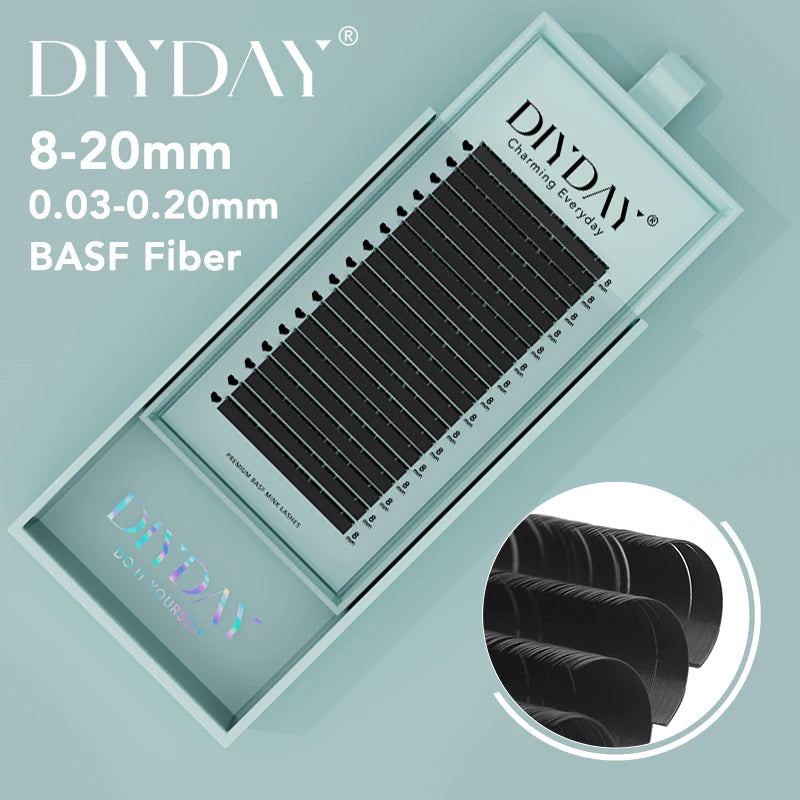
Curl shape describes the profile of an extension when you purchase it—for example, B, C, CC, D, or a specialty L-style curl. Curl retention describes how consistently that manufactured profile is maintained. A strongly curved D curl and a moderately curved C curl serve different styling purposes, but neither should be judged solely by how dramatic it looks when first removed from the tray.
Professionals should distinguish initial curl appearance from long-term shape stability. A well-defined curl is useful only when the fiber and manufacturing process provide sufficient consistency for that profile to remain predictable during handling and application.
Why Curl Consistency Matters in Professional Sets
Consistent curls make lash mapping easier to reproduce. When individual fibers within the same tray have noticeably different curvature, an artist may need to compensate during isolation and placement, potentially affecting symmetry, direction, and the finished visual effect. Consistency is especially valuable for salons that need repeatable results across multiple appointments.
What Affects Lash Extension Curl Retention?
Several product characteristics can influence how reliably an extension maintains its manufactured curve. The most useful evaluation framework connects each feature to a professional outcome rather than treating one specification as proof of retention.
Lash Extension Fiber Quality
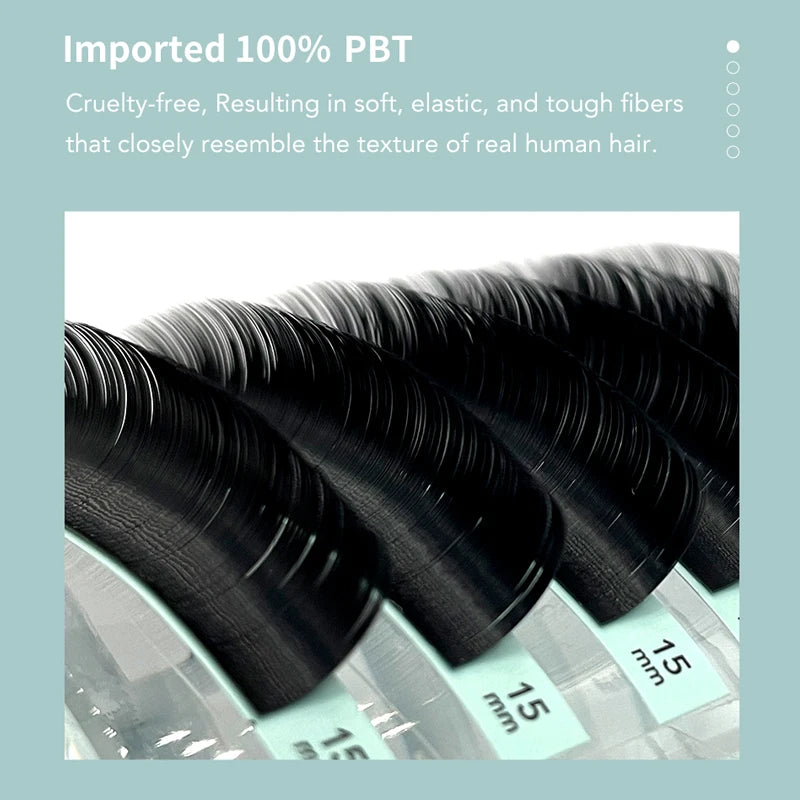
Fiber composition and manufacturing quality influence softness, flexibility, finish, and shape consistency. High-quality synthetic lash fibers should provide a controlled balance between flexibility and structural stability. Excessively stiff fibers can feel less natural during application, while inconsistent fibers can make a tray less predictable.
For professional buyers, documented material information is more useful than vague claims such as “premium” or “long-lasting.” Look for clearly stated fiber characteristics, finish, curl options, diameters, and manufacturing specifications.
Heat Resistance and Material Stability
Heat resistance can be relevant because lash extensions may encounter environmental heat during storage and normal professional handling. A material engineered to maintain its manufactured characteristics under appropriate conditions can provide greater confidence in shape consistency.
However, heat resistance should not be interpreted as a guarantee against every possible change in curl. Excessive heat, unsuitable storage conditions, or prolonged exposure to environmental extremes can affect professional lash supplies. Manufacturer-specific storage recommendations should always take priority.
Manufacturing Consistency
Manufacturing consistency is one of the most important indicators for professional purchasing. Uniform curl formation, fiber diameter, length, and labeling help an artist know what to expect when moving from one strip or tray to another.
Handmade or precision-manufactured claims are useful only when they correspond with observable consistency. For a salon, repeatability can be more valuable than a single tray that looks exceptional.
Thickness and Lash Extension Weight
Diameter affects the amount of fiber used in an individual extension and therefore contributes to its weight and visual density. This does not mean thickness alone determines curl retention. Instead, diameter should be evaluated alongside the natural lash, curl profile, length, and intended styling effect.
Softness, Finish, and Surface Characteristics
Softness affects handling and the visual character of a finished set. A matte black finish, for example, can create a softer, less reflective appearance than a highly glossy fiber. Finish does not automatically determine curl retention, but it is an important product characteristic when professionals compare the appearance and handling of classic lash extensions.
Lash Extension Curls Compared: Which Holds Its Shape Best?
There is no universally “best” lash extension curl for retention. Curl selection should instead consider the manufactured consistency of the product, the client's natural lash direction, the desired visual effect, and the artist's lash map.
C Curl
C curl is a versatile choice for classic lash applications that require visible lift without an especially dramatic curve. Its balanced profile makes it useful for natural-looking and everyday styling.
CC Curl
CC curl generally provides more lift than C curl while remaining versatile for many professional applications. It can be useful when a client wants more visible opening and definition without moving immediately to a very strong curl.
D Curl
D curl provides a stronger visual lift and can create a more noticeable effect. Because the curve is more pronounced, professionals should assess the client's natural lash direction and intended map before selecting it. Stronger visual lift does not automatically mean superior curl retention.
L and Other Specialty Curls
L, L+, LU, LC, and LD-style curls can provide specialty profiles for particular eye structures, styling goals, or natural lash directions. These curls are best evaluated according to their intended use rather than ranked against standard C or D curls.
Curl Comparison Matrix
| Curl | Profile | Visual Effect | Professional Consideration |
| B | Subtle | Natural, soft lift | Useful for understated styling and compatible natural lash directions |
| C | Moderate | Balanced, natural lift | Versatile option for classic sets |
| CC | Moderate-to-strong | More visible lift | Useful when additional definition is desired |
| D | Strong | Dramatic lift | Requires careful consideration of natural lash direction and mapping |
| L / Specialty | Profile-specific | Specialized lift and direction | Best selected for specific client and mapping requirements |
Does Lash Extension Thickness Affect Curl Retention?
Thickness can influence how an extension behaves and looks, but it should not be treated as an independent measure of curl retention. Diameter contributes to extension weight, and weight must be appropriate for the natural lash supporting it.
Thickness, Weight, and Natural-Lash Compatibility
Classic lash extensions involve one extension being applied to an individual natural lash. The selected diameter and length therefore need to be appropriate for that natural lash. A professional should consider natural-lash strength, length, direction, and overall condition when selecting the extension.
Why Heavier Does Not Mean Better Curl Retention
A heavier extension does not inherently hold its curl better. Structural stability comes from the fiber and manufacturing process, while weight influences how the extension interacts with the natural lash and how the finished set appears.
Choosing a thicker diameter simply because it appears more substantial can therefore be counterproductive. The better objective is a balanced combination of curl, diameter, length, and natural-lash compatibility.
Choosing Thickness by Classic Lash Application
Natural-looking classic sets often benefit from appropriately lightweight diameters and moderate curls. More defined classic sets can use different diameter and curl combinations when the natural lashes can safely support them. There is no single thickness that works for every client or every lash map.
How to Choose Classic Lash Trays for Consistent Curl Retention
Once the core performance factors are clear, selecting a professional tray becomes a specification-matching exercise. Before purchasing, check the curl range, diameter options, length range, finish, fiber characteristics, manufacturing consistency, and tray configuration.
Check Curl, Diameter, and Length Specifications
A professional tray should clearly identify its available curl types, diameters, and lengths. Wide length ranges can be useful for customized mapping, while multiple curl options can help a salon adapt its inventory to different service requirements.
Look for Consistent Fiber Formation Across the Tray
Inspect strips for uniformity. The extensions should present a consistent relationship between length, diameter, and curl. Variability makes precise mapping more difficult and can reduce workflow efficiency.
Evaluate Finish, Softness, and Color
For artists who prefer a softer visual effect, matte black lash extensions can be an attractive option. Soft synthetic fibers can also support comfortable handling and seamless blending. These characteristics should be assessed separately from curl retention rather than assumed to prove it.
Review Tray Configuration and Professional Usability
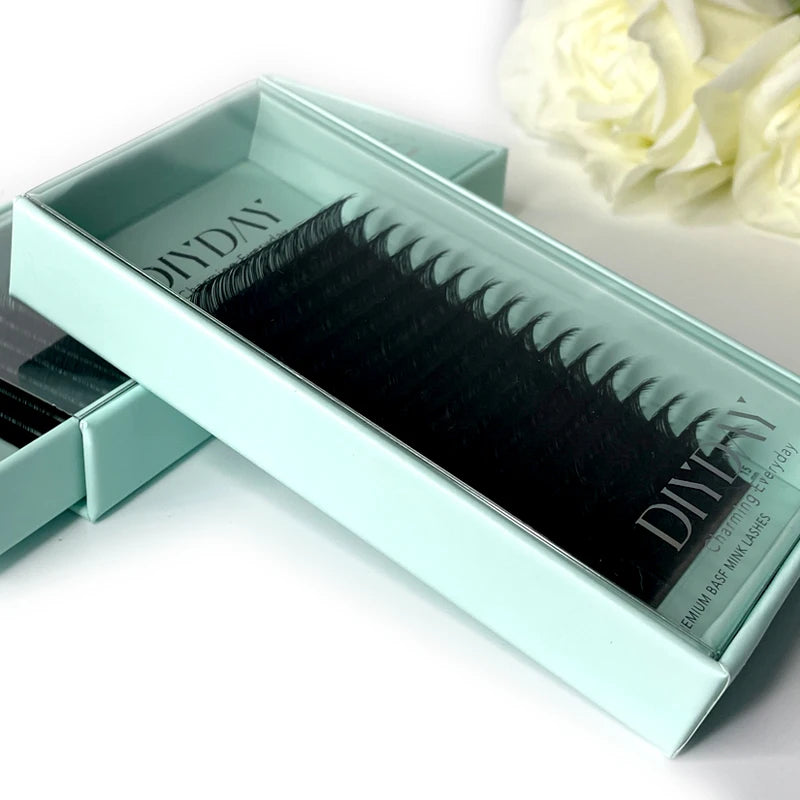
Consider whether the tray provides single or multiple lengths, clear labeling, organized strips, and a configuration that fits the salon's workflow. A technically strong fiber is less useful if its packaging makes selection unnecessarily slow.
Prioritize Substantiated Product Specifications
Buyers should favor documented specifications over fixed retention promises. Product descriptions that identify material, curl, diameter, length, finish, quantity, and manufacturing characteristics provide a stronger basis for professional purchasing.
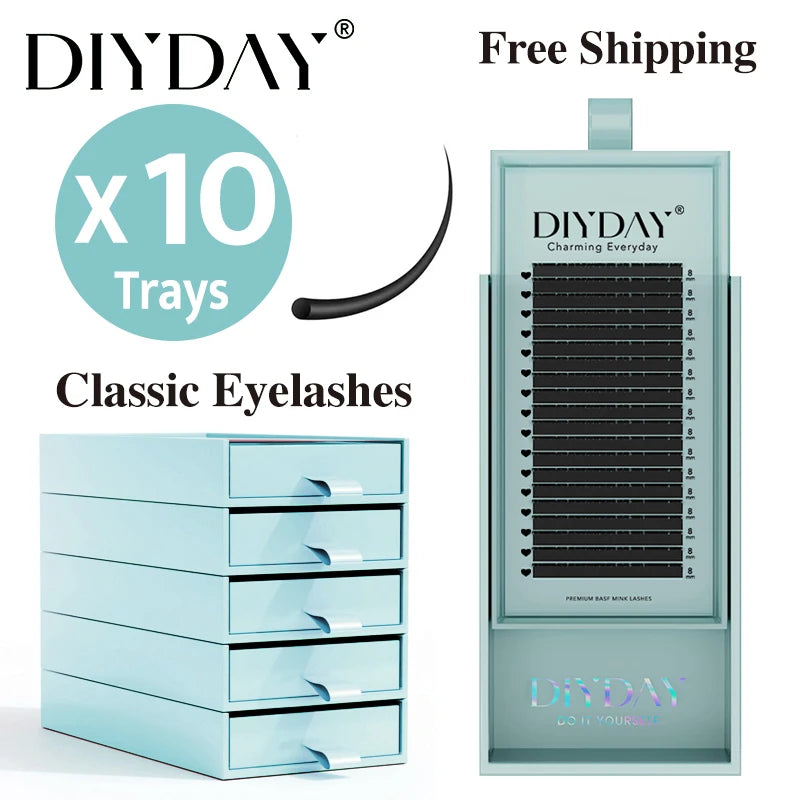
One relevant example is the Classic Eyelash Extension 10 Trays Soft Natural Volume Pro+. The product is specified as premium synthetic fiber with a matte black finish, B through D and specialty curl options, a 7–25 mm length range, and 10 trays per set. Its listed features include soft fibers, handmade manufacturing, and curl-lock technology intended to support shape stability. Those specifications make it worth evaluating as a professional tray option, but they should not be interpreted as a guarantee of a fixed wear period.
For additional beauty-related resources, explore the Skin and Beauty Care Devices collection or browse the Beauty & Self-Care Blog for related professional beauty guidance.
Pros of Evaluating Curl Retention by Product Specifications
- Creates a more objective purchasing process.
- Helps compare trays across curl, diameter, length, and finish.
- Supports more predictable lash mapping and application.
- Reduces reliance on unsupported retention-duration claims.
Limitations to Keep in Mind
- Product specifications cannot guarantee identical performance under every application condition.
- Natural-lash characteristics influence the finished result.
- Storage, adhesive, application technique, and aftercare also affect overall wear.
How Application Technique Can Influence Curl Performance
Even a well-manufactured extension does not operate independently from the application system. Professional technique determines how the extension is positioned, attached, and maintained throughout service.
Natural-Lash Assessment and Weight Selection
Start by assessing the client's natural lashes and selecting an extension that is appropriate for their characteristics. Curl, length, and diameter should work together rather than being chosen independently.
Adhesive and Attachment Technique
Eyelash extension adhesive, isolation, attachment quality, and curing conditions affect the overall stability of the extension-to-natural-lash attachment. A curl can remain structurally intact while the overall extension wear is compromised by poor attachment technique. Product curl retention and adhesive retention are therefore different concepts.
Lash Mapping and Curl Selection
Lash mapping should account for natural lash direction, eye shape, desired visual effect, and curl profile. A stronger curl may look excellent on one client but produce an unsuitable direction or visual transition on another.
How Should Lash Extension Trays Be Stored to Help Preserve Curl Shape?
Proper lash extension storage helps protect the condition of professional supplies and minimizes unnecessary environmental exposure. Storage cannot improve a poorly manufactured curl, but it can help preserve a product's intended characteristics.
Keep Trays Protected From Excessive Heat and Moisture
Store trays in conditions appropriate for the material and manufacturer recommendations. Avoid unnecessary exposure to excessive heat, moisture, or other environmental extremes that could affect product condition.
Keep Extensions in Their Original Organized Configuration
Keeping extensions organized reduces unnecessary handling and makes it easier to preserve strips and labels. Organized storage also supports faster selection during professional appointments.
Follow the Manufacturer's Storage Guidance
Material-specific instructions should take priority over generic storage advice. If a manufacturer provides defined temperature, humidity, packaging, or handling recommendations, use those instructions as the primary reference.
Professional Curl Retention Checklist Before Buying a Lash Tray
Fiber and Finish
- Verify the stated fiber material and finish.
- Assess softness and flexibility for professional handling.
- Check that color and finish are consistent across the tray.
Curl and Diameter
- Confirm the available curl profiles.
- Verify diameter options and their intended use.
- Match curl and diameter to the planned lash map and natural-lash characteristics.
Manufacturing Consistency
- Look for uniform curl formation.
- Check consistency across lengths and diameters.
- Use clear labeling to support repeatable salon workflows.
Storage and Handling
- Review manufacturer storage recommendations.
- Protect trays from unsuitable heat and moisture.
- Keep strips organized to reduce unnecessary handling.
Application Compatibility
- Consider compatibility with your professional adhesive and workflow.
- Evaluate the extension's weight relative to natural lashes.
- Confirm that the curl works with the client's natural lash direction and intended map.
For professionals comparing trays, the Classic Eyelash Extension 10 Trays Soft Natural Volume Pro+ provides a useful specification set to evaluate, including 10 trays, 7–25 mm lengths, matte black synthetic fibers, and B, C, CC, D, DD, L, L+, LU, LC, and LD curl choices.
Choosing Lash Extension Curl by Client and Service Need
Natural-Looking Classic Sets
For understated classic sets, professionals may favor moderate curl profiles, appropriate lightweight diameters, and softer-looking finishes. The goal is definition without overwhelming the natural lash line.
Defined Everyday Classic Sets
A versatile C or CC profile can provide a balance between natural appearance and visible lift. The final selection should still reflect natural lash direction and the desired mapping pattern.
More Dramatic Classic Styling
D and specialty curls can provide stronger visual lift when appropriate for the client and natural lash structure. Stronger curl should be selected for the intended styling outcome rather than assumed to offer superior durability.
Clients Requiring Predictable Repeat Results
For repeat appointments, manufacturing consistency becomes especially important. Standardized curl profiles, predictable diameters, clear labeling, and consistent tray configurations can help an artist reproduce a familiar service more efficiently.
Why Product Quality and Professional Technique Both Matter
Product Factors
Product-side factors include fiber quality, manufacturing consistency, curl formation, thickness, extension weight, finish, and material stability. These characteristics establish the physical performance potential of the extension.
Professional Factors
Storage, natural-lash assessment, adhesive selection, isolation, attachment, curing conditions, lash mapping, and client aftercare all influence the final service. Curl retention should therefore be evaluated separately from overall extension wear.
What to Look for Instead of Guaranteed Retention Claims
The strongest buying decision is based on measurable information: fiber type, curl options, diameter, length, finish, manufacturing method, tray quantity, configuration, and documented material characteristics. Be cautious of claims that promise a specific retention period without explaining the conditions under which that result was measured.
Commercial Questions Professionals Should Ask Before Buying
What affects lash extension curl retention?
Fiber quality, manufacturing consistency, curl formation, material stability, storage, handling, and environmental conditions can affect curl stability. Diameter and weight influence how the finished extension behaves on the natural lash, while adhesive technique and aftercare affect overall extension wear.
Which lash extension curl holds its shape best?
No single curl is universally best. C, CC, D, and specialty curls are manufactured for different styling profiles. The better choice is the curl that combines consistent manufacturing with the client's natural lash direction and the intended lash map.
Does lash extension thickness affect curl retention?
Thickness does not independently determine curl retention. Diameter contributes to extension weight and visual density, so it should be selected together with length, curl, and natural-lash compatibility.
How do you choose classic lash trays for consistent curl retention?
Compare documented fiber, curl, diameter, length, finish, manufacturing consistency, tray configuration, and storage requirements. Favor repeatable specifications over unsupported promises of a fixed retention period.
How should lash extension trays be stored to help preserve curl shape?
Keep trays organized, protected from excessive heat and moisture, and stored according to the manufacturer's recommendations. Proper storage helps preserve product condition but cannot compensate for inconsistent manufacturing.
Final Takeaway: Evaluate Curl Retention as a System
Lash extension curl retention is best evaluated as a product-performance system rather than a single durability claim. Curl design, fiber quality, manufacturing consistency, thickness, weight, finish, heat resistance, storage, application technique, adhesive, and aftercare all interact with the final result.
For professional buyers, the most reliable approach is to compare measurable specifications and select trays that fit the intended service, natural-lash characteristics, and salon workflow. If you are evaluating a classic lash tray, compare curl, diameter, length, finish, fiber characteristics, and tray configuration before making the purchase rather than choosing solely on a promised retention period.
Compare the Classic Eyelash Extension 10 Trays Soft Natural Volume Pro+ specifications when you are ready to evaluate a multi-curl professional tray against your lash-mapping and service requirements.
Related Articles:
- Wholesale Classic Lash Extensions: Bulk Buying Guide & Pricing
- Synthetic Classic Eyelash Extensions: A Professional Guide
- Professional Lash Extensions Supplies: Complete Artist Guide
- Natural Classic Lash Extensions: The Complete Selection Guide
- Matte Black Lash Extensions: Best Styles, Finishes & Buying Guide
- Lash Extensions Curl Guide: How to Choose the Right Curl
- Handmade Classic Lash Extensions: Handmade vs Machine-Made
- Lash Extension D Curl: Professional Comparison & Styling Guide
- Classic Lashes vs Volume Lashes: Which Is Right for You?
- Best Classic Lash Trays Professionals: 2026 Buying Guide
- Lash Extension Tray Quality: How to Evaluate Professional-Grade Lashes
- Eyelash Extension Length Range: A Professional 7–25mm Guide
- Classic Lash Extension Styling Guide: Mapping & Customization
- Classic Eyelash Extensions Full Set: Professional Buying Guide
- Eyelash Extension Lengths: Professional Guide to Choosing the Right Length
- How to Maintain Lash Curl: Keep Classic Extensions Curled Longer
- How to Apply Classic Lashes: A Complete 1:1 Guide
- Classic Eyelash Extensions for Professional Lash Artists
- Lash Extension Tray Guide: Shop Professional Classic Trays
- C Curl Lash Extensions: How to Choose the Right Curl













