

How to relieve muscle tension quickly at home?
How to relieve muscle tension starts with simple daily actions that improve blood flow, reduce stiffness, and calm overworked muscles. A consistent routine combining stretching, hydration, massage tools, and relaxation can ease tightness within minutes and prevent long-term pain without expensive treatments or complicated therapies.
How to Relieve Muscle Tension: Step-by-Step Guide
Muscle tightness creeping into your neck, shoulders, and back after long days? You’re not alone. Whether it’s parenting stress, screen time, or poor posture, tension builds silently—until it becomes pain you can’t ignore. This guide shows exactly how to relieve muscle tension using simple, effective methods you can do at home, even with a busy schedule.
⏱ 5 min read
Body Care and Health Devices
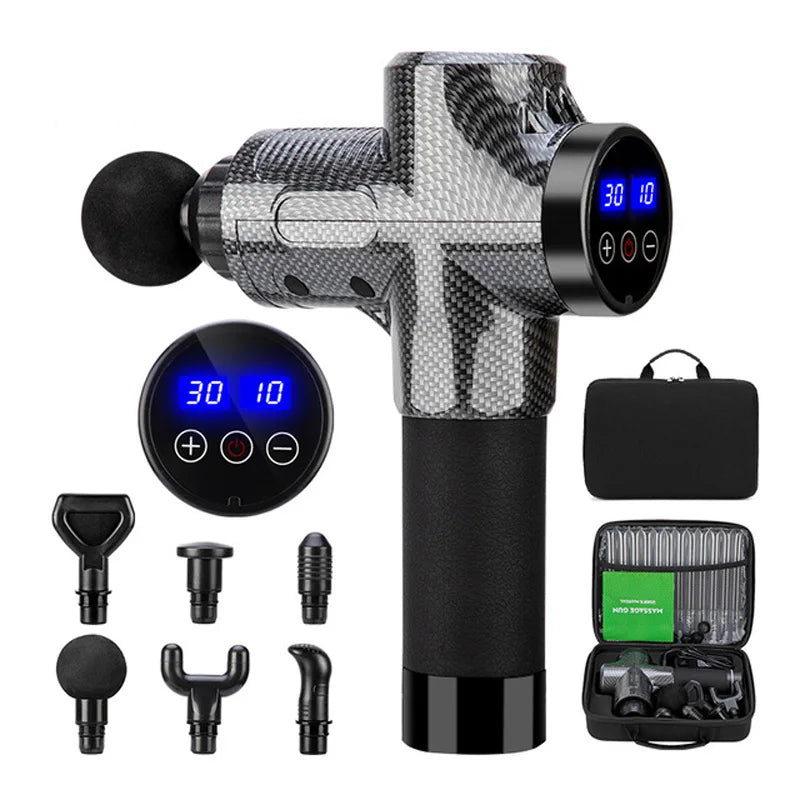
Simple techniques for how to relieve muscle tension at home 💡 See it in action
Ever wonder why your muscles feel tight even when you rest? The answer might surprise you—read on to uncover what most people miss.
Why Muscle Tension Happens Daily (And Why It Keeps Coming Back)
Muscle tension isn’t just about physical strain. It’s a combination of lifestyle habits that quietly add up.
- Stress overload: Emotional stress causes muscles to stay contracted longer.
- Poor posture: Sitting, scrolling, and lifting incorrectly strain key areas.
- Lack of movement: Muscles stiffen without regular activity.
- Sleep deprivation: Recovery slows, increasing tightness.
For parents, this is even more intense. Carrying kids, multitasking, and lack of rest all contribute to chronic tension.
Real user insight: “After just one week of using a structured recovery routine, my shoulder pain dropped by 60%,” says a busy mom of two.
How to Relieve Muscle Tension Step-by-Step
How to relieve muscle tension effectively involves combining movement, targeted pressure, hydration, and relaxation. Within 10–15 minutes, you can reduce stiffness by increasing circulation and releasing tight muscle fibers. Consistency matters more than intensity, making short daily routines more effective than occasional deep treatments.
Step 1: Start With Gentle Stretching (2–3 Minutes)
- Neck rolls (slow and controlled)
- Shoulder shrugs and rotations
- Hamstring stretch (seated or standing)
- Lower back twist
These movements wake up your muscles and prepare them for deeper relief.
Step 2: Apply Targeted Pressure
This is where most people feel immediate relief.
- Use hands or a massage tool
- Focus on knots (tight, painful spots)
- Apply steady pressure for 20–30 seconds
👉 For deeper relief, try this powerful solution:
Fascial Massage Gun Deep Tissue Relief
Step 3: Hydrate to Support Recovery
Dehydrated muscles tighten faster. Drink water before and after your routine to help flush toxins.
Step 4: Use Heat or Cold Therapy
- Heat: Relaxes muscles and improves circulation
- Cold: Reduces inflammation and soreness
Step 5: Relax Your Nervous System
Even 2 minutes of deep breathing can signal your body to release tension.
Start your recovery routine now
How This Daily Muscle Recovery Routine for Parents Restores Comfort Fast
Parents need something realistic—not a 1-hour routine.
| Time | Action | Benefit |
|---|---|---|
| Morning (5 min) | Stretch + hydrate | Wake up muscles |
| Afternoon (3 min) | Quick massage | Prevent buildup |
| Evening (10 min) | Deep tissue + heat | Full recovery |
This routine works because it prevents tension instead of just reacting to it.
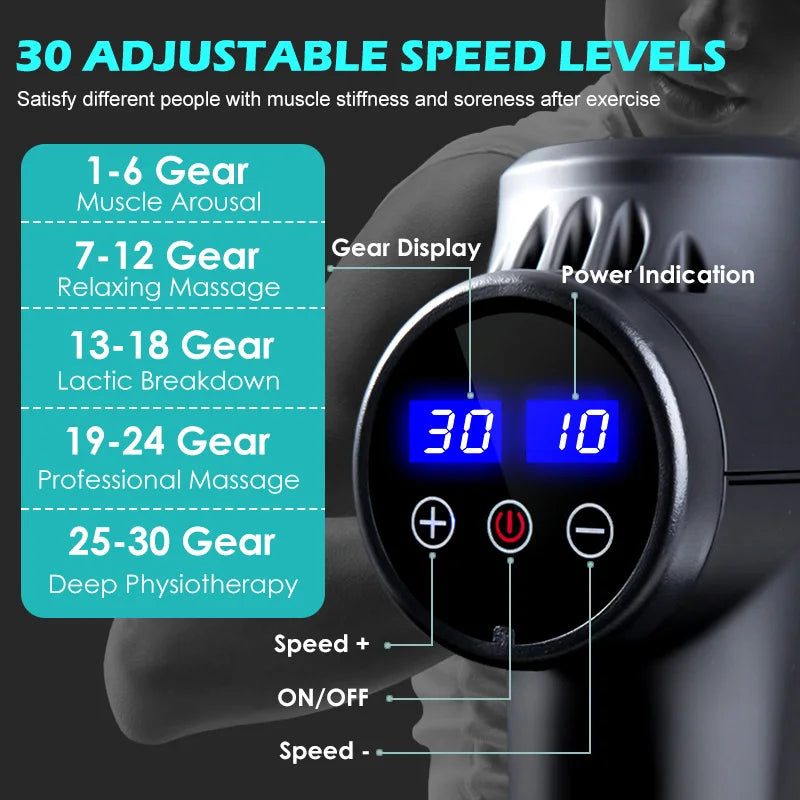
Daily muscle recovery routine for parents 💡 See how it works
Safe Muscle Recovery Methods for Beginners That Actually Work
If you’re new, simplicity is key.
- ✅ Start with light pressure only
- ✅ Limit sessions to 10–15 minutes
- ✅ Focus on major muscle groups
- ❌ Avoid overusing painful areas
- ❌ Don’t skip warm-up
Consistency beats intensity every time.
How This One Tool Transforms Muscle Recovery in Minutes
Manual techniques help—but tools make everything easier and faster.
Why a massage gun stands out:
- Delivers deep tissue relief instantly
- Targets hard-to-reach areas
- Reduces recovery time by up to 70%
- Improves circulation and flexibility
👉 Try it yourself:
Fascial Massage Gun Deep Tissue Relief
User review: “It feels like a professional massage in minutes. My back pain disappeared after a week.”
Best Muscle Relief Methods Compared
| Method | Effectiveness | Time Required | Ease |
|---|---|---|---|
| Stretching | Medium | Low | Easy |
| Manual massage | Medium | Medium | Moderate |
| Massage gun | High | Low | Very Easy |
| Professional therapy | High | High | Inconvenient |
For most people, combining stretching + a massage tool delivers the best results.
Common Mistakes That Keep Muscle Tension Coming Back
- Skipping daily routines
- Using too much pressure too soon
- Ignoring hydration
- Not addressing stress
Avoid these, and you’ll see faster, lasting results.
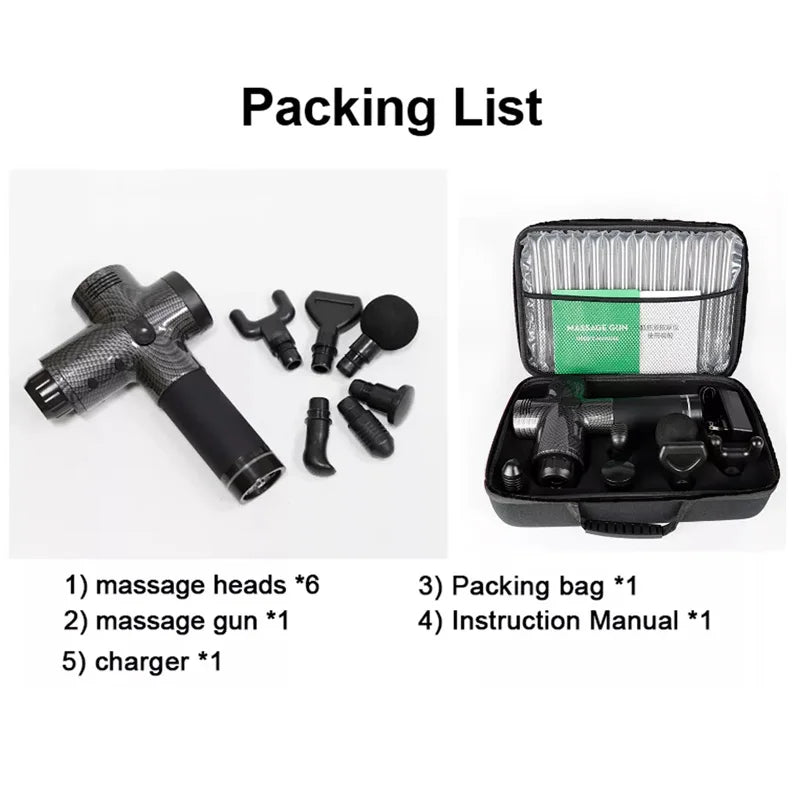
Advanced tools for safe muscle recovery methods 💡 See results
How to Build Long-Term Relief Habits That Actually Stick
The secret isn’t doing more—it’s doing it consistently.
- Pair recovery with daily habits (after shower, before bed)
- Keep tools visible for easy access
- Track how your body feels weekly
Small habits create lasting change.
Upgrade your recovery routine today
Frequently Asked Questions
1. How long does it take to relieve muscle tension?
Most people feel relief within 5–15 minutes using proper techniques like stretching and massage tools. Long-term improvement happens with consistent daily routines.
2. Can I relieve muscle tension without professional therapy?
Yes. Home methods like stretching, hydration, and massage devices are highly effective when used regularly.
3. What is the best tool for muscle recovery at home?
A massage gun is one of the most effective tools because it delivers deep tissue relief quickly and easily.
4. Is it safe to use muscle recovery tools daily?
Yes, as long as you use moderate pressure and avoid overworking sensitive areas.
5. Why do my muscles stay tight even after resting?
Tension often comes from stress, poor posture, and lack of movement—not just physical activity.













