

Professional Lash Extensions Supplies: Complete Artist Guide
Professional lash extensions supplies are more than a collection of trays, tweezers, adhesive, and disposables. Every item at a lash station has a job: preparing the natural lashes, protecting the eye area, isolating individual lashes, placing extensions accurately, managing adhesive, finishing the set, supporting aftercare, and keeping the workspace organized and sanitary. A professional setup should therefore be built around the workflow—not simply around how many products can fit in a kit.
This guide walks through the complete professional lash workflow, from client preparation to salon restocking. It also explains how to choose lash trays, adhesive-system products, precision tools, environmental-control equipment, sanitation supplies, and training materials according to your skill level, service menu, studio environment, and purchasing volume.
What Supplies Does a Professional Lash Artist Need?
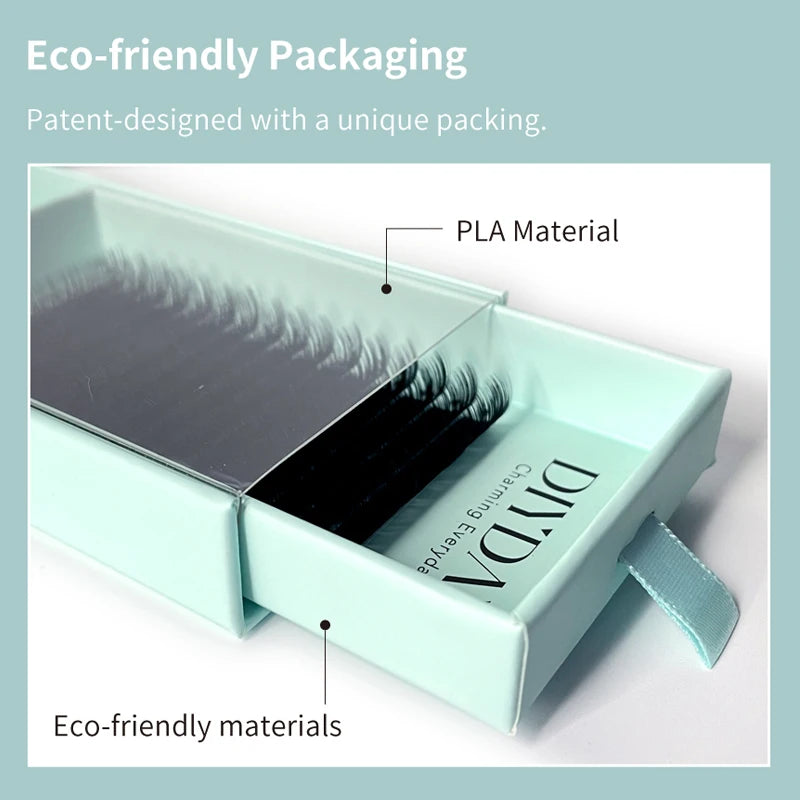
A professional lash artist generally needs lash extension trays, adhesive, preparation products, isolation and application tweezers, under-eye pads, tape, micro brushes, spoolies, applicators, cleansing supplies, finishing products, sanitation supplies, storage tools, and environmental-monitoring equipment. Artists who are training or expanding their services may also need practice lashes, mannequin heads, training tools, and specialty styling supplies.
Professional lash supplies at a glance
- Lash extensions: trays organized by curl, length, diameter, color, finish, and styling purpose.
- Preparation: lash shampoo or cleanser, primer when appropriate, lint-free applicators, micro brushes, and cleansing tools.
- Eye protection: under-eye pads, lash tape, and suitable positioning accessories.
- Precision tools: isolation tweezers, pickup or placement tweezers, curved tweezers, and specialty tools matched to technique.
- Adhesive system: professional lash adhesive, with compatible primer, bonder, and remover selected according to manufacturer guidance.
- Environmental control: hygrometer, thermometer, adhesive storage solution, and other tools appropriate to the adhesive system.
- Finishing and aftercare: spoolies, cleansing products, applicators, and client aftercare materials.
- Sanitation and disposables: single-use applicators, protective barriers, cleaning supplies, and appropriate reusable-tool processing equipment.
- Practice equipment: mannequin heads, practice strips, training lashes, and isolation practice tools.
Essential supplies vs optional supplies
Essential supplies are those required to perform your core services safely, consistently, and efficiently. Optional supplies are upgrades or specialty products that solve a specific problem, support advanced styling, or improve workflow speed. A new artist generally benefits more from investing in dependable essentials than from purchasing a large assortment of specialty tools.
The professional lash workflow
- Prepare and cleanse the natural lashes.
- Position eye pads and tape.
- Select the appropriate lash style, curl, length, and diameter.
- Isolate the natural lash.
- Pick up and place the extension.
- Manage adhesive and environmental conditions.
- Check attachment, direction, symmetry, and separation.
- Finish, cleanse, explain aftercare, and reset the station.
When building your supply inventory, ask one question for every product: Which stage of the service does this improve? That simple test prevents unnecessary purchases and keeps your station focused on service quality.
For additional beauty-device resources, you can also explore the Beauty & Self-Care Blog and Eye Care Blog.
Professional Lash Supplies by Application Stage
The most useful way to evaluate professional lash supplies is by application stage. A tray may influence styling consistency, while tweezers influence isolation and placement, and environmental-control equipment influences adhesive behavior. Thinking in stages makes it easier to identify the supplies that actually affect your service.
1. Client cleansing and preparation
Preparation supplies help create a clean working surface before extensions are applied. Lash shampoo or an appropriate professional cleanser, lint-free applicators, micro brushes, and suitable cleansing tools can be used according to the product's intended instructions.
Preparation should not become a product-stacking exercise. More products do not automatically mean better preparation. Use products for a defined purpose and follow manufacturer instructions, particularly when combining cleansing and adhesive-preparation products.
2. Eye protection and lash separation
Under-eye pads and lash tape help position and separate lashes during the service. The correct choice depends on client anatomy, skin sensitivity, eye shape, and the artist's technique. Application should avoid unnecessary pressure or contact with the ocular surface.
3. Lash selection and styling
Lash trays provide the raw material for the finished design. Professional artists typically maintain a useful range of curls, lengths, and diameters rather than relying on a single tray for every client.
4. Isolation and extension placement
Isolation tweezers need to provide controlled handling and a comfortable grip. Placement tweezers should suit the artist's technique and the extension style being used. Micro brushes, applicators, and spoolies support preparation and finishing rather than replacing good isolation technique.
5. Adhesive application and curing
Adhesive is a system component, not an isolated purchase. Workability depends on the adhesive's specifications and the environment in which it is being used. Keep the adhesive's manufacturer instructions, storage requirements, working range, and professional-use documentation accessible.
6. Finishing, cleansing, and aftercare
Finishing supplies can include clean spoolies, suitable cleansing products, applicators, and client aftercare materials. The objective is a clean, separated result and clear client instructions rather than simply adding more products to the service.
7. Sanitation, practice, and station reset
Professional stations also require a defined reset process. Separate clean supplies from used items, dispose of single-use materials appropriately, process reusable tools according to applicable requirements, and protect products from unnecessary contamination.
Choosing Professional Lash Extension Trays
Professional lash extension trays should be evaluated for more than appearance. Curl consistency, length accuracy, diameter, strip design, fiber characteristics, pickup behavior, and overall consistency can affect how efficiently an artist works.
Lash extension curls: when to choose each type
B and C curls can support softer or more natural styling, while CC and D curls provide progressively stronger visual lift. L, L+, LC, LD, LU, and other specialty curls can be useful for particular styling objectives and eye characteristics. The appropriate curl depends on the desired result, natural lash direction, client features, and the artist's technique.
Lash extension lengths and diameters
Length should be selected according to the desired design and the condition of the natural lashes rather than simply choosing the longest extension available. Diameter also matters because different diameters serve different styling applications and weight considerations.
How tray quality affects pickup, placement, and consistency
Consistent fibers can make it easier to predict how extensions behave during pickup and placement. Poor consistency may lead to differences in curl, shape, or handling between strips. A tray that is easy to work with can also reduce unnecessary manipulation during a busy appointment schedule.
Build a practical curl and length assortment
Instead of buying every available variation immediately, build an assortment around the styles you actually perform. A classic-focused artist may prioritize several natural and lifted curls across commonly used lengths and diameters. An artist offering multiple styling techniques can expand the assortment as client demand becomes clear.
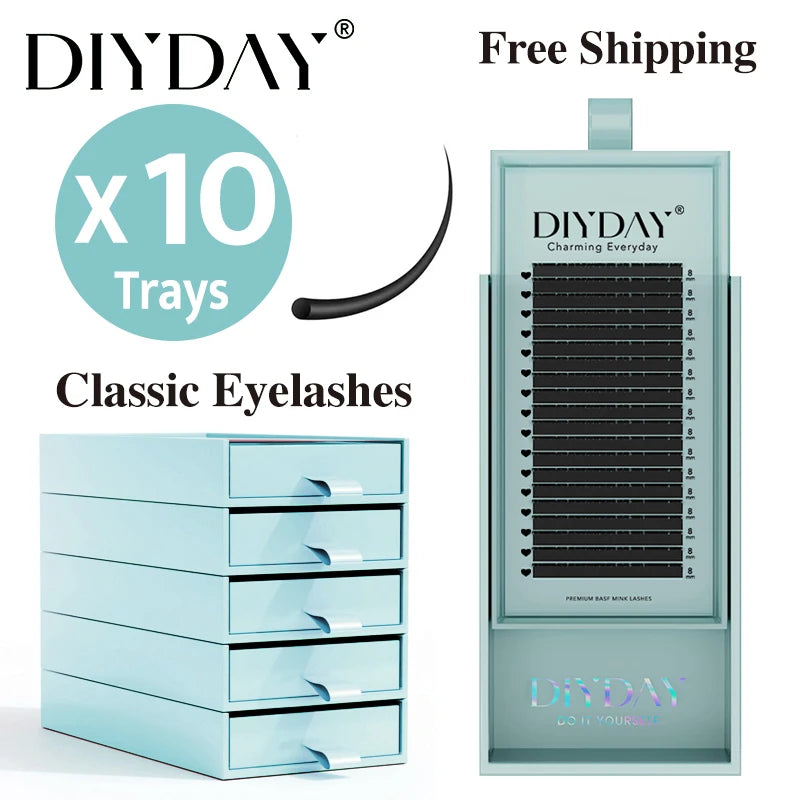
Product fit: KentDo's Classic Eyelash Extension 10 Trays Soft Natural Volume Pro+ are positioned for professional use and include B, C, CC, D, DD, L, L+, LU, LC, and LD curl options with 7–25 mm lengths. The product description specifies premium synthetic fiber, a matte black finish, and 10 trays per set. Review the product specifications and your own technique requirements before purchasing.
How to Choose Lash Extension Adhesive, Primer, Bonder, and Remover
Choosing a lash adhesive system requires more care than choosing a product based on advertised retention time. Professional artists should consider adhesive viscosity, intended working speed, environmental requirements, storage instructions, ingredients or available safety documentation, expiration information, and compatibility with other products in the system.
Lash extension adhesive: what specifications matter
Look for clearly stated product specifications, intended professional use, storage requirements, working conditions, and manufacturer guidance. Adhesive performance can vary with technique and environment, so avoid assuming that one adhesive is universally suitable for every artist or studio.
Lash extension primer: when and why it is used
Primer is generally used as part of natural-lash preparation when the product's instructions indicate it is appropriate. It should not automatically be added to every adhesive workflow. Follow the specific preparation protocol supplied by the manufacturer.
Lash extension bonder: role in the finishing process
A bonder may be designed to support the finishing stage of an adhesive system. Because formulations differ, use only according to the manufacturer's instructions rather than assuming products from different systems are interchangeable.
Lash extension remover: professional selection and handling
Professional remover should be selected for its intended lash-extension use and handled carefully around the eye area. Follow application, contact-time, ventilation, storage, and disposal instructions supplied with the product.
Adhesive compatibility: avoid mixing systems without guidance
Do not assume that an adhesive, primer, bonder, and remover from different manufacturers are automatically compatible. If compatibility is not clearly documented, seek manufacturer guidance before combining systems.
Pros:
- Clear specifications make product selection more predictable.
- A complete system can simplify training and workflow consistency.
- Proper documentation supports safer professional handling.
Cons:
- Professional adhesives can have specific environmental and storage requirements.
- Different formulations may require different working techniques.
- Mixing products without manufacturer guidance can introduce unnecessary uncertainty.
Humidity, Temperature, and Adhesive Performance
Environmental conditions matter because cyanoacrylate-based lash adhesives can respond to moisture and temperature. An artist should know the working conditions specified for the adhesive being used rather than relying on a universal humidity or temperature number.
How humidity affects lash adhesive
Changes in humidity can change adhesive behavior and curing characteristics. If an adhesive suddenly feels faster, slower, thicker, or less predictable, check the room conditions and the adhesive's stated operating range before changing technique or replacing multiple products.
How temperature affects adhesive behavior
Temperature can also influence viscosity and curing behavior. A stable workspace is generally easier to manage than an environment with large fluctuations. Record environmental readings when troubleshooting recurring application problems.
Using a hygrometer to monitor the lash room
A hygrometer gives the artist an objective humidity reading instead of relying on how the room feels. Pair humidity information with temperature readings and the adhesive manufacturer's stated requirements.
When a nano mister is appropriate
A nano mister should only be used when appropriate for the adhesive system and manufacturer instructions. It should not be treated as a universal shortcut for correcting poor environmental control.
Adhesive storage, replacement, and expiration practices
Record when adhesive is opened, follow the manufacturer's storage instructions, protect it from unsuitable conditions, and replace it according to the stated shelf-life or use guidance. Keep lot or batch information when available so product issues can be traced more easily.
The Professional Lash Station Checklist
A station audit should take place before the client arrives, not after an essential supply runs out. Use this workflow-based checklist to identify gaps.
Client preparation supplies
- Lash cleanser or shampoo suitable for professional use
- Micro brushes and lint-free applicators
- Under-eye pads
- Lash tape
- Disposable spoolies
Isolation and application tools
- Isolation tweezers
- Placement or pickup tweezers
- Primary lash trays
- Styling palette or organized lash tile
- Backup precision tweezers
Adhesive and curing supplies
- Professional lash adhesive
- Compatible preparation products
- Adhesive palette, stone, or suitable disposable surface
- Hygrometer
- Thermometer where useful for environmental monitoring
Finishing and aftercare supplies
- Clean spoolies
- Appropriate cleansing supplies
- Disposable applicators
- Client aftercare information
Sanitation and disposable supplies
- Single-use applicators
- Protective barriers where appropriate
- Approved cleaning and sanitation supplies
- Separate storage for clean and used tools
- Closed or protected storage for unused consumables
After building the station, keep frequently used items within consistent reach. Organization is not merely cosmetic: repeatable placement reduces searching and helps create a more predictable service routine.
For broader beauty equipment and workspace accessories, browse the Skin and Beauty Care Devices collection.
Essential vs Optional Professional Lash Supplies
The following comparison matrix can help prioritize spending without turning the supply list into an unnecessarily large inventory.
| Supply group | Priority | Primary purpose | When to upgrade |
|---|---|---|---|
| Lash trays | Essential | Core styling and application | When service styles or client demand expand |
| Isolation tweezers | Essential | Natural-lash separation | When comfort, grip, or precision becomes limiting |
| Adhesive | Essential | Extension bonding | When workflow or environmental requirements change |
| Eye pads and tape | Essential | Eye-area positioning and separation | When client anatomy or technique requires alternatives |
| Hygrometer | Strongly recommended | Environmental monitoring | Immediately useful when adhesive behavior is inconsistent |
| Nano mister | Optional | Specific adhesive-system finishing workflow | Only when compatible and professionally appropriate |
| Specialty curls | Optional | Advanced styling | When client demand justifies inventory |
| Practice mannequin | Training priority | Skill development | When learning new techniques |
Essential supplies for every working artist
Prioritize dependable trays, suitable tweezers, adhesive, preparation products, eye protection, disposable supplies, sanitation equipment, and aftercare materials.
Useful upgrades for speed and consistency
Consider additional tweezers, better organization systems, environmental monitoring, multiple lash palettes, and backup supplies once your basic workflow is reliable.
Specialty supplies for advanced services
Specialty curls, additional diameters, advanced styling tools, and technique-specific training supplies make sense when they correspond to actual services you offer.
What beginners should not overbuy
Beginners rarely need every curl, every length, multiple adhesive systems, or large quantities of products with short usable lifespans. Build the core station first, then expand based on technique and client demand.
Professional Lash Supplies for Beginners vs Advanced Artists
Professional starter setup
A starter setup should cover the full workflow without excessive specialization: a practical selection of lash trays, reliable isolation and placement tweezers, adhesive and compatible preparation products, eye pads, tape, micro brushes, spoolies, sanitation supplies, and a hygrometer.
Intermediate artist setup
As technique improves, add styles that match the services clients actually request. Additional curls, lengths, diameters, tweezers, organization tools, backup adhesive supplies, and training materials can improve versatility.
Advanced artist and high-volume salon setup
High-volume artists need redundancy as much as variety. Keep backup tweezers, core lash trays, consumables, and approved sanitation supplies available. Separate everyday inventory from specialty products so a rarely used style does not consume the same storage or purchasing priority as high-use essentials.
How client needs should influence your inventory
Inventory should follow your service menu. If most clients request natural classic sets, prioritize appropriate classic trays and reliable application tools. If your salon offers several styling approaches, gradually expand the curl and length range according to documented demand.
The Classic Eyelash Extension 10 Trays Soft Natural Volume Pro+ can be considered where a broad curl and length selection is useful. Its listed range covers 7–25 mm and multiple curl types, making the format relevant for artists who need variety in one tray set. Always assess individual specifications against your technique and service requirements before purchase.
Tools That Improve Isolation, Precision, and Application Speed
Lash isolation tweezers
Isolation tweezers should allow the artist to separate the target natural lash without excessive repositioning. Tip alignment, tension, length, and grip preference all matter.
Under-eye pads and lash tape
These supplies support lower-lash separation and eye-area positioning. Choose products appropriate for your technique and use them carefully around the eye.
Micro brushes and spoolies
Micro brushes are useful for controlled application of small amounts of preparation or finishing products. Disposable spoolies support brushing and client aftercare while helping reduce cross-contamination when used appropriately.
Lash adhesive palettes and jade stones
Adhesive palettes and jade stones provide a controlled surface for adhesive during application. The surface should be managed according to the adhesive manufacturer's instructions and replaced or cleaned appropriately.
Palettes, tile systems, and organization tools
Organized lash palettes can reduce searching and help artists maintain consistent access to commonly used lengths and curls. Labeling sections by length or style can be especially useful in high-volume environments.
Cleansing, Sanitation, and Disposable Supplies
Lash shampoo and cleansing supplies
Professional cleansing products should be used for their intended purpose and according to their instructions. Avoid assuming that any household cleanser is appropriate for use around the eye area or before lash extension application.
Disposable applicators and spoolies
Single-use applicators and spoolies are practical for reducing unnecessary reuse between clients. Dispose of them appropriately after their intended use.
Reusable tool cleaning and sanitation workflow
Reusable tools require a defined cleaning and processing workflow appropriate to the tool and applicable professional requirements. Cleaning and disinfection are not interchangeable concepts, so follow the relevant product instructions and local regulations.
Storage practices that protect clean supplies
Keep clean supplies protected from dust, moisture, and unnecessary handling. Separate clean and used tools and keep adhesive products stored according to their specific requirements.
Practice and Training Supplies for Lash Artists
Practice equipment is particularly valuable when learning isolation, pickup, placement, direction, and styling before applying a new technique to a live client.
Practice lashes and mannequin heads
Practice strips and mannequin heads provide a repeatable surface for developing hand positioning and extension placement. They can also help experienced artists rehearse unfamiliar curls or styling patterns.
Training tools for isolation and placement
Training should focus on repeatable isolation, controlled pickup, consistent placement, direction, and separation. A larger supply inventory cannot compensate for inconsistent technique.
When to upgrade from practice to live models
Move from practice to supervised or appropriately selected live-model work only when your training and professional requirements support it. Follow applicable licensing, education, and safety requirements for your location.
How to Evaluate Professional Lash Supply Quality
Product specifications and transparent materials information
A credible supplier should provide useful specifications instead of relying only on phrases such as “premium” or “professional.” Look for material information, dimensions, curl options, quantities, intended use, and clear product instructions.
Adhesive ingredient, SDS, lot, and batch information
For adhesive products, access to appropriate safety documentation and traceability information can be an important supplier-quality signal. Where available, keep lot or batch details and consult the current manufacturer documentation.
Expiration and storage guidance
Products should have understandable storage and shelf-life guidance. This is particularly important for adhesives and other products whose performance can change after opening or under unsuitable storage conditions.
Real artist testing and verified reviews
Reviews are most useful when they describe real working conditions, application technique, product specifications, and repeat purchasing experience. Avoid treating an isolated review as proof of universal performance.
Supplier longevity, support, shipping, and returns
For professionals, supplier reliability matters because a stockout can interrupt scheduled services. Evaluate shipping timelines, return policies, customer support, documentation, and the supplier's ability to provide consistent product information.
Salon Restock Checklist and Inventory Planning
High-consumption supplies to monitor first
Monitor adhesive, lash trays used most frequently, eye pads, tape, micro brushes, spoolies, cleansing products, and other disposable supplies first. These products can affect service continuity more quickly than specialty items.
Set minimum stock levels and reorder points
Choose a minimum quantity for every high-use item. When inventory reaches that level, reorder rather than waiting until the product is completely depleted. Your reorder point should account for average consumption and supplier shipping time.
Track adhesive opening dates and replacement cycles
Record adhesive opening dates and follow the manufacturer's replacement guidance. A simple written log or inventory spreadsheet can prevent old adhesive from remaining unnoticed in a busy station.
Separate everyday stock from specialty inventory
Keep high-turnover supplies easy to access and specialty supplies separately organized. This makes it easier to see what needs replenishment and prevents expensive specialty inventory from becoming mixed with everyday consumables.
For artists expanding into broader beauty equipment, the Body Care and Health Devices collection provides another category pathway for studio-related equipment.
Buying Professional Lash Supplies in Bulk or Wholesale
When bulk buying makes sense
Bulk purchasing can make sense when a product has predictable consumption, suitable shelf life, reliable storage requirements, and a supplier you already trust. High-volume salons can benefit from reducing repeated small orders when unit economics and storage conditions make sense.
Which supplies are safest to buy in volume
Longer-life disposables and frequently used lash trays can be easier to plan in volume than products with short post-opening lifespans. Purchase quantities should be based on actual usage rather than the apparent discount alone.
Which products should not be overstocked
Do not automatically stock large quantities of adhesives or specialty products simply because the per-unit price is lower. Shelf life, opening dates, storage conditions, product changes, and evolving client demand can turn an apparent saving into unnecessary inventory.
Compare unit cost, shelf life, shipping, and supplier reliability
True purchasing cost includes product price, shipping, storage, expiration risk, replacement frequency, and the operational cost of running out of a critical supply. A slightly higher unit price can be reasonable if the supplier provides dependable availability and support.
How to Build Your Professional Lash Supply List
Start with workflow-critical essentials
Build the station in service order: preparation, eye protection, lashes, isolation, adhesive, finishing, sanitation, and aftercare. This creates a functional station before optional upgrades are introduced.
Match supplies to your lash styles and client base
Choose curls, lengths, diameters, and specialty products according to the sets you actually perform. Your inventory should reflect client demand rather than an arbitrary goal of owning every possible variation.
Add environmental and efficiency tools
Once the essentials are dependable, add environmental monitoring, improved organization, backup precision tools, and other equipment that solves a measurable workflow problem.
Create a recurring restock system
Set minimum stock levels, record adhesive opening dates, monitor high-consumption items, and review inventory regularly. Consistent restocking is part of professional service management—not an afterthought.
For a practical core lash inventory, the Classic Eyelash Extension 10 Trays Soft Natural Volume Pro+ can be evaluated as one option for artists who want multiple curl and length choices in a single set. Its listed specifications should be compared with your service menu, technique, and purchasing requirements before ordering.
Frequently Asked Questions About Professional Lash Extensions Supplies
What supplies does a professional lash artist need?
A professional lash artist generally needs lash extension trays, adhesive, preparation products, isolation and placement tweezers, under-eye pads, tape, micro brushes, spoolies, cleansing and finishing supplies, sanitation equipment, disposable applicators, storage solutions, and environmental-monitoring tools. Training supplies may also be needed when learning new techniques.
What are the essential professional lash extension supplies for beginners?
Beginners should prioritize a manageable range of lash trays, reliable tweezers, an appropriate professional adhesive system, preparation supplies, eye pads and tape, disposable applicators, sanitation supplies, and a hygrometer. It is usually more practical to master a focused inventory before expanding into specialty curls, large diameter ranges, or multiple adhesive systems.
How should lash artists choose adhesive, primer, bonder, and remover?
Choose these products according to their specifications, intended professional use, working conditions, storage requirements, safety documentation, and manufacturer compatibility guidance. Do not assume that products from different systems are universally compatible.
How do humidity and temperature affect lash adhesive and retention?
Humidity and temperature can affect adhesive behavior, including curing characteristics and workability. The correct operating range depends on the adhesive formulation. Use a hygrometer and, where appropriate, temperature monitoring to compare actual room conditions with the manufacturer's stated requirements rather than relying on a universal target.
How often should a professional lash artist restock lash extension supplies?
Restocking frequency depends on appointment volume, service mix, consumption rate, product shelf life, and supplier shipping time. High-use disposables and popular lash trays may require frequent replenishment, while specialty items can be purchased less often. Adhesive replacement should follow the manufacturer's storage and use guidance.
Final Takeaway: Build the Station Around the Service
The best professional lash extensions supplies setup is not necessarily the largest inventory. It is the one that reliably supports every stage of the service. Start with core lash trays and styling supplies, dependable isolation tools, a compatible adhesive system, environmental control, sanitation and disposables, finishing and aftercare products, practice equipment, and a repeatable restocking process.
From there, expand according to your technique, client demand, studio environment, and service volume. Evaluate suppliers by specifications, documentation, traceability, storage guidance, reviews, support, shipping, and returns—not by marketing claims alone. For artists looking for a broad classic-lash tray assortment, review the Classic Eyelash Extension 10 Trays Soft Natural Volume Pro+ alongside your actual workflow requirements.
A professional station should make the next appointment easier to perform, easier to restock, and easier to deliver consistently. Build around that objective, and every supply has a clear reason for being there.
Pillar Article: Lash Extension Curl Retention: What Pros Should Look For













