

How to cut ingrown toenails properly at home?
How to cut ingrown toenails properly involves softening the nail, trimming straight across without digging into corners, and using precise, non slip nail clippers for toenails. This method reduces pain, lowers infection risk, and helps the nail grow out naturally without worsening the ingrown edge.
How to cut ingrown toenails properly at home: full guide
Struggling with sharp pain every time you walk? Learning how to cut ingrown toenails properly can feel overwhelming—especially when trimming becomes difficult and uncomfortable. This guide simplifies safe techniques, shows you the right tools to use, and helps you avoid the one mistake that makes ingrown nails worse.
⏱ 6 min read
👉 Discover the best tools for precise nail care
Explore Nail Care Devices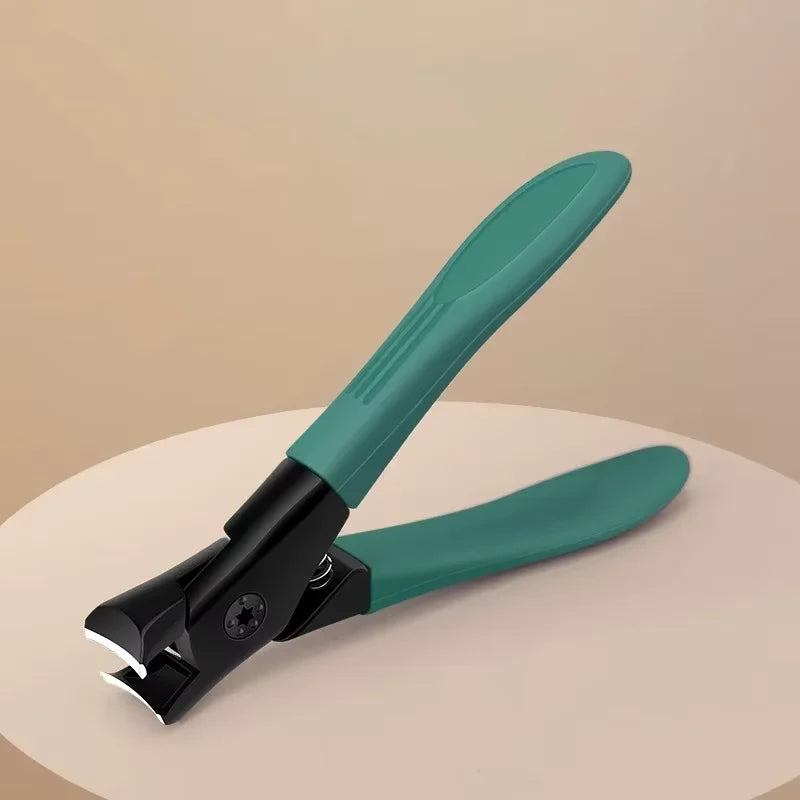
💡 See it in action - how to cut ingrown toenails properly / safe techniques for ingrown toenail care, difficulty trimming ingrown toenails at home, best ingrown toenail clippers detailed guide, non slip nail clippers for toenails
Are you unknowingly making your ingrown toenail worse? Many people cut too deep into the corners—this small mistake can increase pain and delay healing. Let’s fix that today.
Why ingrown toenails happen and how to prevent them
Understanding the cause helps you avoid repeating the same painful cycle. Ingrown toenails develop when the nail edge grows into surrounding skin.
- Cutting nails too short or curved
- Tight shoes putting pressure on toes
- Thick or hard nails that are difficult to trim
- Poor nail trimming tools causing uneven cuts
Prevention tip: Always trim nails straight across and avoid digging into corners.
How this step-by-step method reduces pain and improves healing
How to cut ingrown toenails properly starts with softening the nail, using steady pressure, and trimming straight across without cutting too deep into the sides. This reduces inflammation, prevents infection, and allows the nail to grow out naturally instead of digging further into the skin.
-
Soften the nail first
Soak your feet in warm water for 10–15 minutes to reduce hardness. -
Dry thoroughly
Moisture can make tools slip, increasing risk of injury. -
Use proper clippers
Choose a non slip, heavy-duty clipper for control. -
Trim straight across
Avoid rounding the corners. -
Lift gently if needed
Use a clean tool to slightly lift the nail edge—not cut into skin. -
Disinfect after trimming
Apply antiseptic to prevent infection.
👉 Learn step-by-step how to trim safely at home
View Recommended Nail ClipperHow the right tools make trimming faster and safer
Struggling with thick nails or slipping clippers? The right tools can completely change your experience.
- Non slip grip: prevents accidental cuts
- Sharp curved blades: clean, precise trimming
- Heavy-duty build: ideal for thick or hard nails
- Ergonomic design: reduces hand strain
Explore more options in Body Care and Health Devices for complete foot care solutions.
Recommended tool for best results
For reliable performance, try the heavy-duty nail clipper for thick nails. It provides strong cutting power and better control—especially useful when dealing with stubborn ingrown edges.
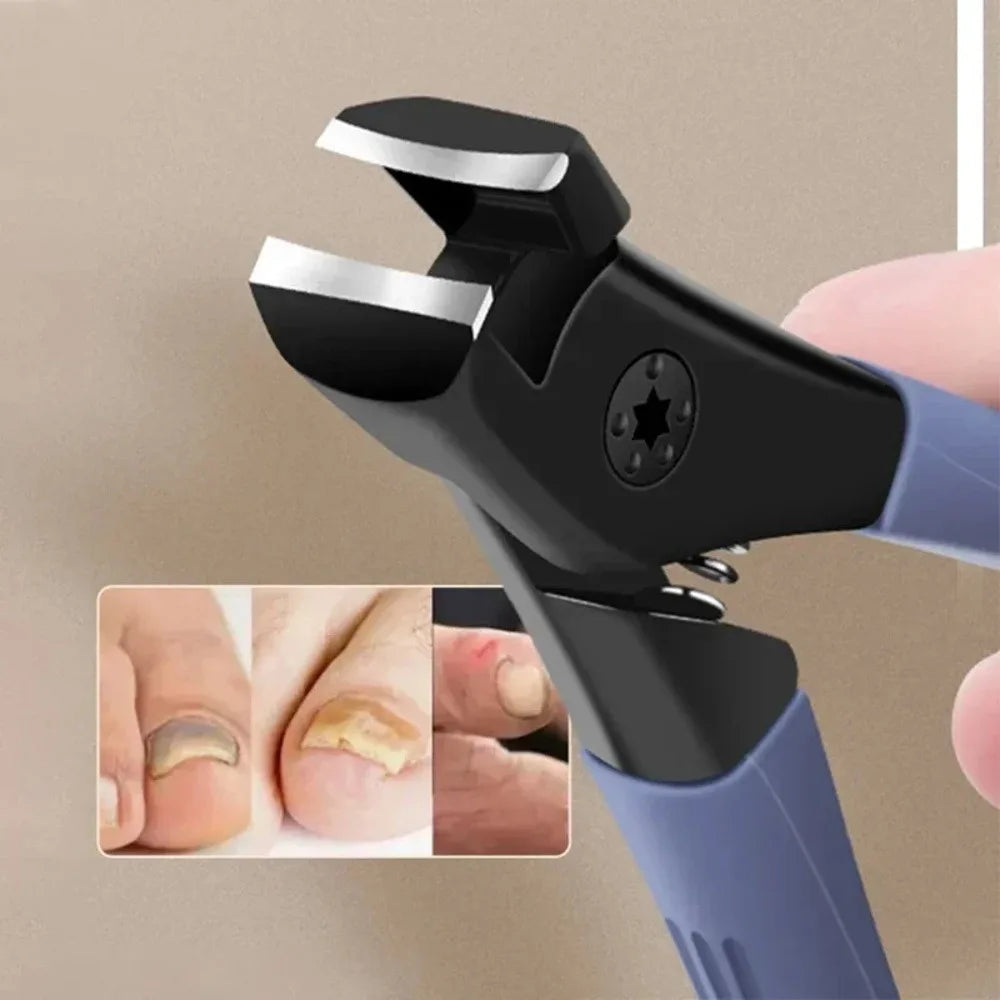
💡 See it in action - how to cut ingrown toenails properly / safe techniques for ingrown toenail care, difficulty trimming ingrown toenails at home, best ingrown toenail clippers detailed guide, non slip nail clippers for toenails
Avoid these common mistakes that worsen ingrown toenails
- ❌ Cutting nails too short
- ❌ Digging into nail corners
- ❌ Using dull or slippery clippers
- ❌ Skipping cleaning or disinfection
Fixing these habits can dramatically reduce recurring pain.
How proper aftercare speeds up recovery
After trimming, your toe is more sensitive and needs protection.
- Apply antiseptic cream
- Wear open or breathable footwear
- Avoid pressure on the toe for 24–48 hours
- Monitor for redness or swelling
Looking for full self-care routines? Visit Beauty & Self-Care Blog for more guidance.
Comparison: basic vs precision nail care tools
| Feature | Basic Clippers | Precision Clippers |
|---|---|---|
| Grip | Slippery | Non slip ergonomic |
| Cutting power | Weak on thick nails | Strong and smooth |
| Control | Low accuracy | High precision |
| Comfort | Strains hand | Easy handling |
Why users prefer precision tools
“I used to struggle every time I trimmed my nails. Switching to a heavy-duty clipper made it painless and quick.” – Verified user
👉 Get yours now — limited stock!
Shop Now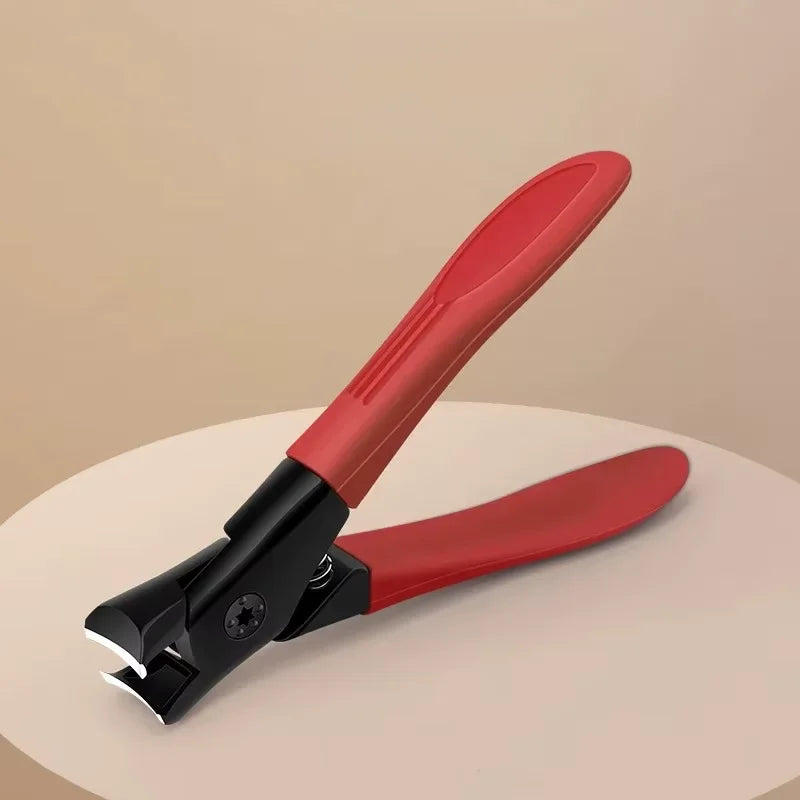
💡 See it in action - how to cut ingrown toenails properly / safe techniques for ingrown toenail care, difficulty trimming ingrown toenails at home, best ingrown toenail clippers detailed guide, non slip nail clippers for toenails
FAQs about ingrown toenail care
1. How often should I trim an ingrown toenail?
Answer: Trim only when the nail grows long enough to manage safely, usually every 2–3 weeks. Over-trimming too frequently can worsen the condition and increase sensitivity.
2. Can I treat an ingrown toenail at home safely?
Answer: Yes, mild cases can be treated at home using proper tools and techniques. However, severe pain, swelling, or infection should be checked by a professional.
3. What is the best tool for thick ingrown toenails?
Answer: A heavy-duty, non slip nail clipper designed for thick nails provides better control, cleaner cuts, and reduces the risk of splitting or tearing the nail.
Pillar Article: How to trim thick toenails: Step-by-step safe trimming guide
Other Related Articles:
- How to cut a thickened toenail without pain or damage
- How to cut thick nails safely: simple step-by-step method
- How to use ingrown toenail clipper: 5 safe steps explained
Explore More:













