

How to use ingrown toenail clipper safely?
To learn how to use ingrown toenail clipper safely, start by softening the nail, disinfecting your tools, and trimming straight across without digging into the sides. Use gentle pressure and non slip nail clippers for control. This method reduces pain, prevents infection, and supports proper nail regrowth.
How to use ingrown toenail clipper: 5 safe steps explained
Struggling with pain every time you trim your nails? Learning how to use ingrown toenail clipper properly can completely change your routine. This guide walks you through safe techniques for ingrown toenail care, helps you avoid common mistakes, and shows how the right tools make trimming easier, safer, and far less stressful.
⏱ 5 min read
Does trimming your toenails feel risky or painful? You’re not alone. Many people deal with the difficulty trimming ingrown toenails at home—and one wrong move can make things worse.
👉 Discover the best tools for safer trimming and pain-free results
Explore Nail Care Devices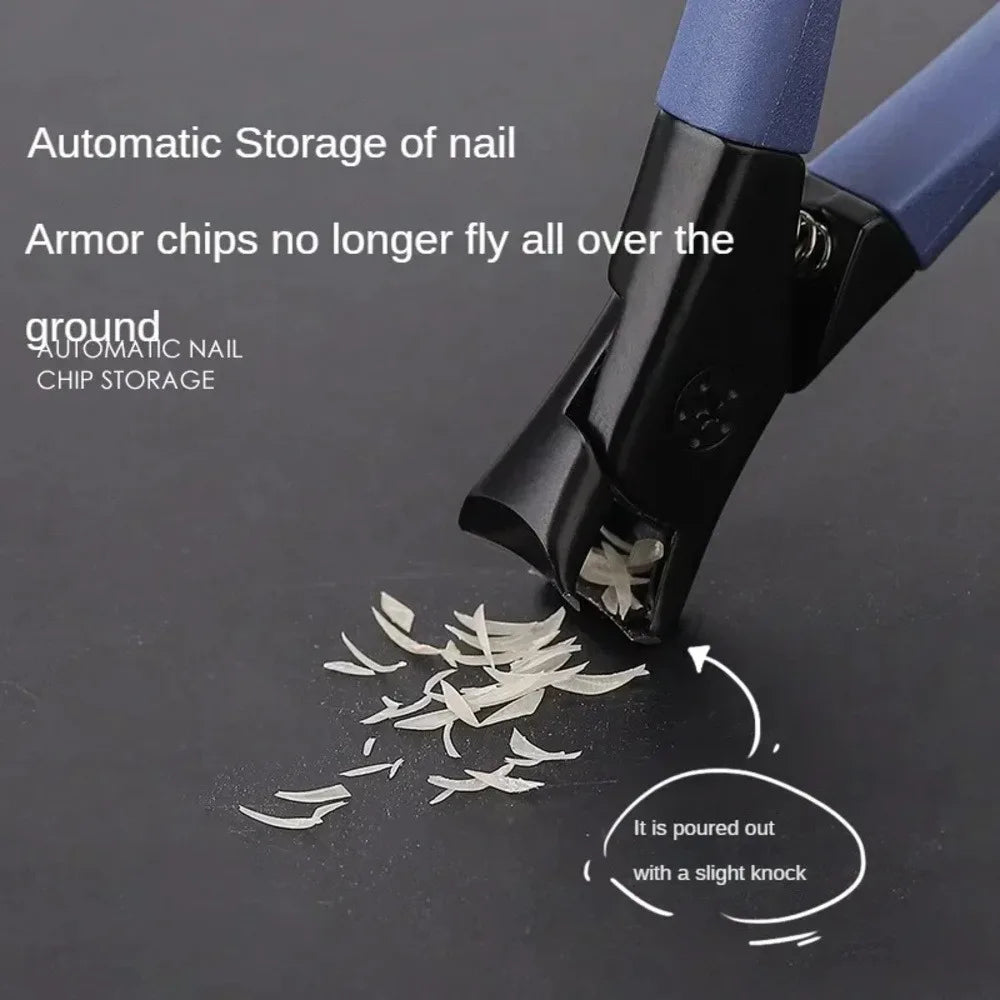
💡 See it in action - how to use ingrown toenail clipper / safe techniques for ingrown toenail care, difficulty trimming ingrown toenails at home, how to use heavy duty nail clippers, non slip nail clippers for toenails
Why Proper Technique Prevents Pain and Infection
Ingrown toenails often start small—but poor trimming habits can quickly lead to swelling, redness, and even infection.
The most common issue? Cutting too deep into the corners. This pushes the nail edge further into the skin, increasing discomfort.
- ❌ Cutting nails too short
- ❌ Using dull or slippery clippers
- ❌ Ignoring early signs of irritation
- ❌ Trimming without softening nails first
Safe techniques for ingrown toenail care focus on control, precision, and patience—not force.
How This Step-by-Step Method Makes Trimming Safe
To master how to use ingrown toenail clipper, begin by soaking your feet, sanitizing your tools, and trimming straight across with controlled pressure. Avoid cutting into corners, use non slip nail clippers for stability, and smooth edges gently to prevent irritation and future ingrown growth.
-
Soften the nail first
Soak your feet in warm water for 10–15 minutes. This reduces resistance and minimizes pain. -
Disinfect your clipper
Clean your tool before use to avoid bacteria entering sensitive areas. -
Trim straight across
Never curve into the edges. This is key to preventing further ingrowth. -
Use gentle, steady pressure
Heavy duty nail clippers help cut thick nails without forcing the motion. -
Smooth sharp edges
Use a file lightly to prevent the nail from digging into surrounding skin.
👉 Learn step-by-step how to trim safely at home
View Heavy Duty Nail ClipperWhy the Right Tools Make Trimming Effortless
Not all clippers are designed for thick or ingrown nails. Using the wrong tool is often why trimming feels difficult or painful.
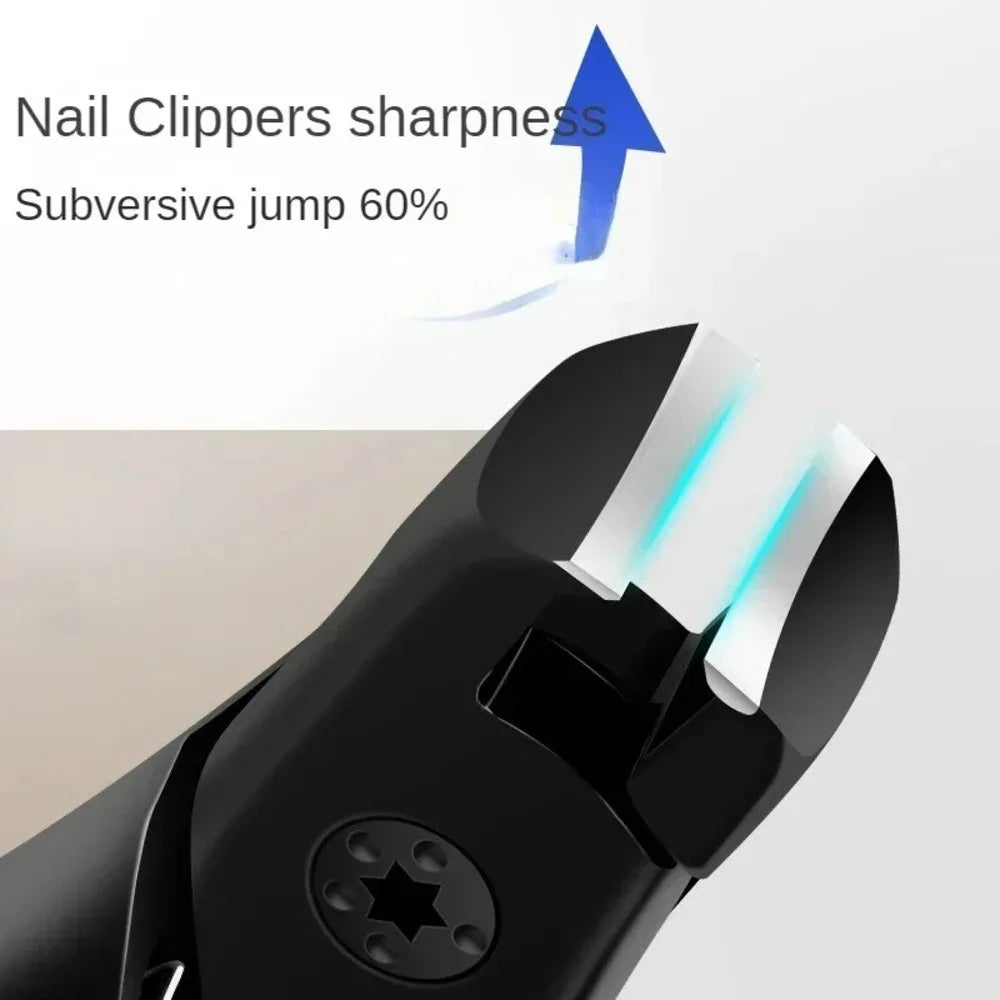
💡 See it in action - how to use ingrown toenail clipper / safe techniques for ingrown toenail care, difficulty trimming ingrown toenails at home, how to use heavy duty nail clippers, non slip nail clippers for toenails
| Feature | Standard Clippers | Heavy Duty Clippers |
|---|---|---|
| Grip | Slippery | Non slip design |
| Cutting Power | Weak | Strong for thick nails |
| Precision | Limited | High control |
| Comfort | Can cause strain | Smooth cutting action |
Non slip nail clippers for toenails provide stability, especially when dealing with sensitive areas. This reduces the risk of accidental cuts and improves accuracy.
Many users report noticeable improvement after switching tools:
"I used to dread trimming my toenails. With a better clipper, it’s quick, clean, and pain-free."
Mistakes That Make Ingrown Nails Worse
Even with the best intentions, small errors can worsen the condition.
- Cutting too deep: Leads to inflammation
- Skipping soaking: Makes nails harder to cut
- Using dull blades: Causes tearing instead of clean cuts
- Ignoring discomfort: Delays proper care
Which habit sounds familiar? Fixing just one can dramatically improve your results.
How Proper Care Improves Comfort and Confidence
When you learn how to use heavy duty nail clippers correctly, everything changes—from pain levels to daily comfort.
- ✅ Less pain during trimming
- ✅ Reduced risk of infection
- ✅ Cleaner, more precise cuts
- ✅ Healthier nail growth over time
It’s not just about trimming—it’s about regaining control over your routine.
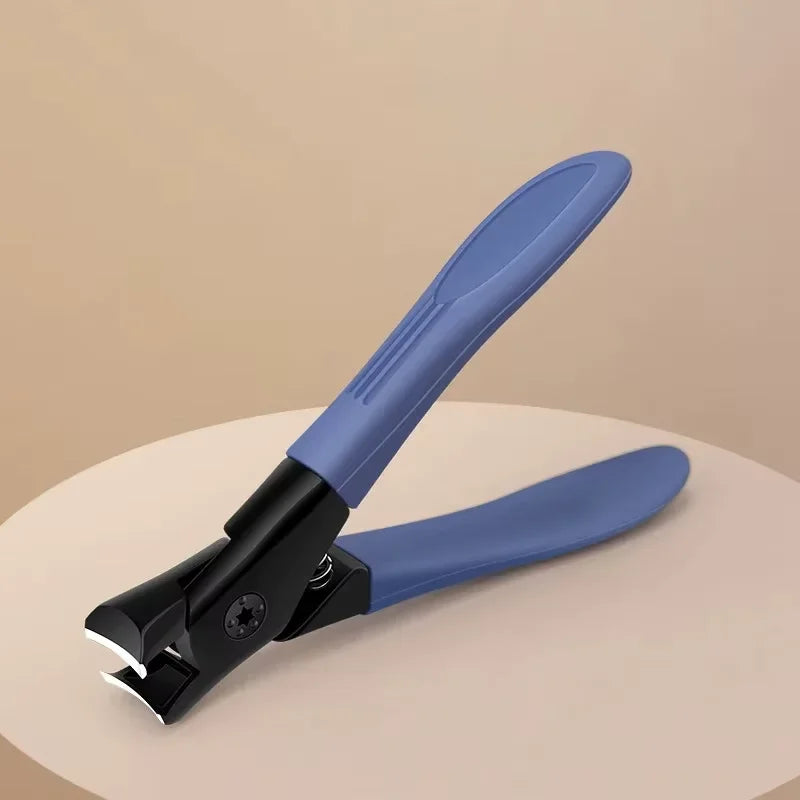
💡 See it in action - how to use ingrown toenail clipper / safe techniques for ingrown toenail care, difficulty trimming ingrown toenails at home, how to use heavy duty nail clippers, non slip nail clippers for toenails
👉 Get yours now — limited stock!
Shop NowFrequently Asked Questions
Can I treat an ingrown toenail at home?
Yes, mild cases can be managed at home using safe trimming techniques, proper tools, and regular soaking. However, severe pain or infection should be checked by a professional.
What makes trimming ingrown toenails difficult?
The nail’s thickness, sensitivity of surrounding skin, and poor tool control all contribute to difficulty trimming ingrown toenails at home.
Are heavy duty nail clippers necessary?
They are highly recommended for thick or ingrown nails because they provide better cutting power and precision, reducing effort and discomfort.
How often should I trim my toenails?
Typically every 2–3 weeks, depending on growth. Regular trimming prevents nails from becoming too long and pressing into the skin.
What should I do if it hurts while trimming?
Stop immediately, soak your foot, and reassess your technique. Pain usually signals incorrect cutting angle or pressure.
Pillar Article: How to trim thick toenails: Step-by-step safe trimming guide
Other Related Articles:
- How to cut ingrown toenails properly at home: full guide
- How to cut a thickened toenail without pain or damage
- How to cut thick nails safely: simple step-by-step method
Explore More:













