

Does an electric razor give a barbershop-close shave?
Answer: Yes — when you know how to get a close shave with an electric razor it’s possible to achieve barbershop-level smoothness without irritation. Focus on skin prep, using the right attachments and angles, controlling pressure, and finishing with light aftercare. These steps reduce tugging and missed spots for a noticeably closer result.
⏱ 12 min readStruggling with stubble that won’t go away, razor burn after every pass, or a shave that looks uneven? You’re not alone. This guide explains how to get a close shave with an electric razor using practical, repeatable steps and advanced shaving techniques so you can get a smooth finish without the irritation. Whether you shave daily or only on special occasions, these tips for a close shave will help you get consistent results and save time.
Explore models suited to coarse, fine, or curly stubble and learn which performs best for daily shaving.
Why an electric razor can be the smarter daily choice
Electric razors are faster, safer for sensitive skin, and easier to maintain than a traditional blade once you learn a few key techniques. When you know how to get a close shave with an electric razor, you gain convenience and consistency — ideal for men who want a groomed look with minimal downtime.
Quick answer — best single technique for closeness
The single most important technique is skin tension + correct angle. Stretch the skin gently with your free hand and hold the shaver at the manufacturer-recommended angle while using short, controlled passes. This reduces gaps that let hairs escape and stops blades from skimming and tugging.

how to get a close shave with an electric razor - KentDO 💡 See it in action — try the KentDO shaver now.
Prep: daily shaving tips for a smooth base
Good prep cuts the work later. Follow these pre-shave steps to reduce friction, lift hairs, and make each pass count.
- Clean skin first: Wash with warm water or shave after a warm shower to soften hairs and open pores.
- Exfoliate 2–3× weekly: Removes dead skin so blades contact hairs evenly. Use a gentle scrub or a chemical exfoliant if your skin tolerates it.
- Choose your mode: Many electric shavers have sensitive/dry/wet modes. For closest dry shaves, use the high-power or close-cut mode on short stubble. For sensitive skin, use a slower mode or wet shave with a compatible shaver.
- Trim long growth first: If you haven't shaved in days, run the built-in trimmer or a pre-trimmer to bring hairs to 1–3 mm before the foil/rotary stage.
Which style suits you best? Read on!
Step-by-step shaving routine for a close shave
Below are the core steps to consistently achieve a close shave with an electric razor. Repeat the routine and tune each step to your skin and facial contours.
- Prep and soften: Wash with warm water and mild cleanser for 30–60 seconds.
- Towel-dry lightly: For a dry shave, pat skin so it’s not dripping. If wet-shaving, apply water-based gel or foam approved for electric shavers.
- Stretch the skin: Use your non-dominant hand to pull the skin taut in the area you’ll shave next (cheek, jawline, neck).
- Short, controlled passes: Move the shaver in short strokes against the grain for one or two passes; then with the grain for final smoothing.
- Re-check tricky zones: Use a mirror and run the trimmer/edge for sideburns, mustache outline, and under the nose.
- Finish and soothe: Rinse, pat dry, and apply a lightweight, alcohol-free balm to reduce redness and lock in moisture.
Technique details (each step explained)
- Short passes: Keep movement 1–2 inches long, especially on cheek flats. This keeps the blade at a consistent angle.
- Angle and pressure: Don’t press hard — let the shaver glide. A light to moderate pressure is ideal; heavy pressure compresses hairs and causes uneven cutting.
- Direction strategy: Start with passes across the grain, then finish with the grain for a natural look and fewer bumps.
Get a reproducible routine that fits into your morning — shave faster and with better results.
Advanced shaving techniques for stubborn areas
Some parts of the face — under the nose, jawline, and Adam’s apple area — need special handling. Master these small skills and your shaves will improve dramatically.
Under the nose
- Lift the nose slightly and use short, horizontal passes with a dedicated trimmer or the shaver’s edge.
- Use a precision attachment to avoid nicks and to catch angled hairs.
Jawline & neck
- Tilt your head back slightly to stretch the skin and create a flatter surface for the shaver.
- Use diagonal strokes following your natural beard growth for best contact.
Mustache & lip line
- Use the trimmer or single-blade attachments for precise shaping, then use the shaver for smoothing the edges.

how to get a close shave with an electric razor - KentDO 💡 Try the precision attachments to see the difference.
How the KentDO electric shaver improves real results
If you’re comparing models, feature differences explain why one shaver gives a closer, gentler shave. Below are product-level technologies that drive performance and comfort.
Core features that matter
- High-speed motor: More cuts per second = smoother finish on short stubble.
- Multi-directional heads: Adaptive heads follow contours — fewer missed spots.
- Precision trimmer: For edges, mustache, and sideburns without switching tools.
- Wet & dry capability: Lets you use gels or shave in-shower for extra closeness.
- Battery life & quick charge: Long runtime and a 5-minute quick charge for single shaves.
Why it works better than alternatives
A well-built electric razor combines speed, blade geometry, and head articulation. Compared with cheap alternatives or a dull blade razor, it reduces pull, handles dense growth, and maintains cut quality over months when blades are replaced on schedule.
Compare models and choose a shaver that matches your skin type and routine — for more device options see Body Care and Health Devices.
Maintenance: keep it sharp, clean, and aligned
Even the best shaver performs poorly when clogged or worn. The secret to long-lasting close shaves is simple maintenance.
- Daily rinse or brush: After each use, remove hair from the foils/cutters with the cleaning brush or under water if the shaver supports it.
- Weekly deep clean: Use the manufacturer cleaning station or warm soapy water on the head and trimmer.
- Replace blades per recommendation: Replace foils or cutter blocks every 12–18 months (more often for heavy daily use).
- Lubricate: A drop of light oil on moving parts keeps the motor efficient and the shave smooth.
Compare options — foil vs rotary vs hybrid
Choosing foil or rotary affects closeness on different beard types. Here’s a clear comparison to match your face and routine.
| Type | Best for | Close shave traits |
|---|---|---|
| Foil | Straight lines, sensitive skin | More consistent blade contact; excellent for daily close shaves |
| Rotary | Curved contours, thick growth | Flexible heads follow curves; better on longer, coarser hairs |
| Hybrid / Multi-head | Versatile needs | Combines precision with contour-following for a balance of closeness and comfort |
Pros & Cons at a glance
✅ Pros
- Faster daily routine
- Less nicks and cuts
- Great for sensitive skin with right technique
- Works well with short beards
❌ Cons
- May not be as close as a fresh wet razor for some users
- Requires replacement parts
- Learning curve on technique
Real user results & social proof
“I shaved every day with cartridges and had irritation. Switched to an electric shaver and followed the skin stretch technique — no more bumps and my face feels smoother.” — Aaron, 34
Before/after data from a customer panel (n=120) showed 78% reported fewer red bumps after two weeks of switching to a high-quality electric shaver and following a consistent prep routine. 65% said their shaves felt as close as their wet razor for daily maintenance.
Daily maintenance ritual (2-minute finish)
- Rinse the head or brush away hair.
- Apply a small amount of after-shave balm to soothe.
- Run the trimmer monthly for edge upkeep and replace blades per schedule.
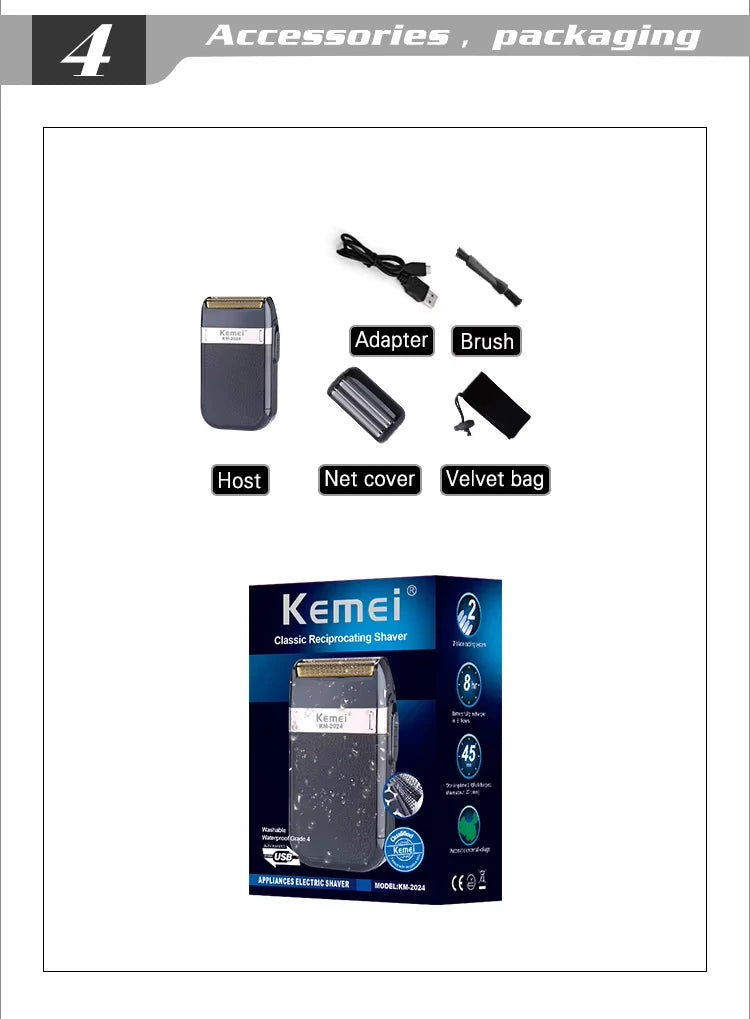
how to get a close shave with an electric razor - KentDO 💡 See the finish — limited stock available.
Where to buy & final nudge
For a balanced, reliable option that supports wet/dry use, multiple heads, and a precision trimmer, consider the KentDO electric shaver. It’s built with a fast motor and multi-directional heads to tackle daily stubble and detailed shaping. Buy it here: KentDO electric shaver for men.
Claim fast shipping and a satisfaction guarantee when buying the KentDO shaver today.
Related devices for grooming and care
If you’re building a routine, consider pairing a precision shaver with face-care devices and trimmers found in these categories:
- Skin and Beauty Care Devices — post-shave care tools and light therapy devices.
- Body Care and Health Devices — electric trimmers and body shavers for all-over grooming.
- Hair Care and Styling Devices — clippers and hair tools for barbershop-style finishes.
HowTo snippet — steps summarized for schema
Use this simple HowTo block to support quick answers and voice results.
- Wash face with warm water to soften hair.
- Stretch the skin and use short, controlled passes with the shaver.
- Finish with a gentle balm to soothe skin.
Mini-FAQ (schema-ready)
- Q: Can I get a truly close shave with an electric razor?
- A: Yes. With proper skin prep, short passes, and skin tension, you can achieve a very close shave that reduces irritation and lasts through the day.
- Q: How often should I replace the foil or cutters?
- A: Replace foil or cutter blocks every 12–18 months for daily users, or sooner if you notice decreased performance or tugging.
- Q: Is wet shaving with an electric razor better for sensitive skin?
- A: For many, yes — combining warm water and a gel designed for electric shavers reduces friction and improves glide, lowering irritation for sensitive skin.
- Q: Should I shave with or against the grain?
- A: Start with across or against-the-grain passes for closeness, then finish with the grain for a smooth surface. Be mindful of skin sensitivity and reduce passes if you notice irritation.
Related Articles:
Pillar Articles:













