Does removing calluses at home really work?
Yes — when done correctly, how to remove calluses at home can quickly soften rough patches and improve foot comfort. Using gentle exfoliation, regular moisturizing, and the right tool (like an electric foot file or pumice routine) reduces thickened skin safely in days to weeks without harsh chemicals.
⏱ 7 min readHow to Remove Calluses at Home: Tested Methods That Smooth Fast
If you’ve been wondering how to remove calluses at home, you’re not alone — stubborn, rough heels can zap confidence and make shoes feel uncomfortable. This guide gives simple, safe steps plus proven home tools and natural remedies so you can get soft, smooth feet without salon trips. Ready for fast wins and long-term care?
How to remove calluses at home — quick answer
Direct answer: To remove calluses at home, combine soak-and-exfoliate routines (warm soak, manual or electric exfoliation), targeted moisturizers with urea or glycerin, and protective measures (correct shoes, pads). Regular gentle removal plus hydration prevents recurrence and improves skin texture in 1–4 weeks.
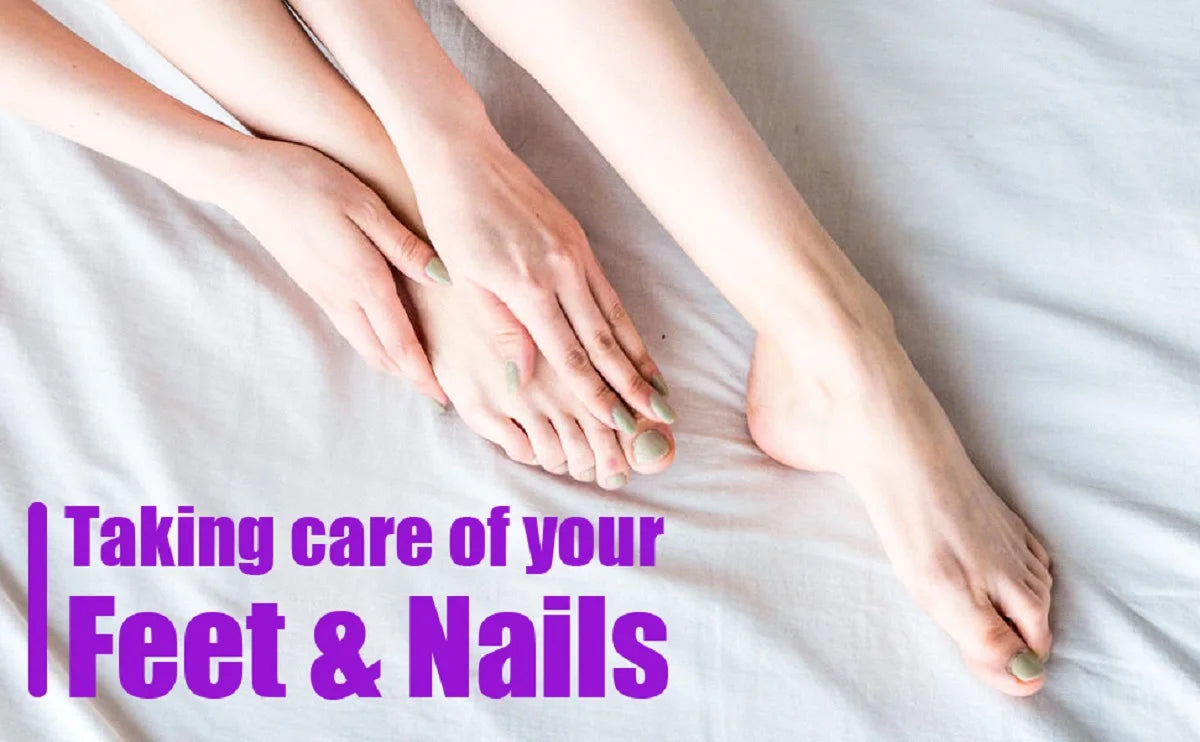
how to remove calluses at home — natural way to remove callus + 💡 See it in action
Why calluses form (and what that means for treatment)
Calluses are your skin’s response to repeated pressure or friction. While they protect underlying tissue, thickened areas can crack and become painful. The correct at-home approach treats the symptom (thick skin) and the cause (shoe fit, gait, activity).
Common triggers
- Tight or ill-fitting shoes
- High-impact activities (running, walking long distances)
- Gait abnormalities or foot deformities
- Dry skin and aging
Which style suits you best? Read on!
Easy step-by-step: remove calluses at home (MOFU)
Direct answer: Start with a 10–15 minute warm foot soak, gently exfoliate with a pumice or electric file, apply a urea- or glycerin-based cream, and protect the area with cushioned pads. Repeat 2–3 times weekly until the callus is reduced, then maintain daily.
- Soak. Use warm water with mild soap for 10–15 minutes to soften callused skin.
- Exfoliate gently. Use a pumice stone, foot file, or an electric foot file (slow, light passes — don’t over-file).
- Dry and treat. Pat feet dry, apply a concentrated moisturizer containing urea (10–40%) or glycerin.
- Protect. Use cushioned heel pads, non-slip socks, or better-fitting shoes to remove pressure.
- Maintain. Light exfoliation weekly and daily moisturizing keeps skin soft long-term.
| When | What to do |
|---|---|
| Weekly (2–3×) | Soak → Exfoliate gently → Moisturize |
| Daily | Apply concentrated foot cream at night |
| Ongoing | Correct footwear & cushioning |
Compare at-home tools (TOFU: unbiased comparison)
Choosing the right tool speeds results and reduces risk. Below is a concise comparison to match tools to your needs.
| Tool | Best for | Pros | Cons |
|---|---|---|---|
| Pumice stone | Mild calluses, beginners | Cheap, low risk | Slow, requires effort |
| Manual foot file | Moderate calluses | Precise control, no power | Takes time, needs pressure control |
| Electric foot file | Thick calluses, fast results | Fast, consistent results; great for stubborn heels | Potential over-use risk if misused; cost |
| Chemical exfoliants (peels) | Even exfoliation, deeper peel | Can deeply soften; long-lasting | Irritation risk; follow directions strictly |
Looking to speed things up? Consider the electric foot file for fast smoothing — use cautiously and follow directions.
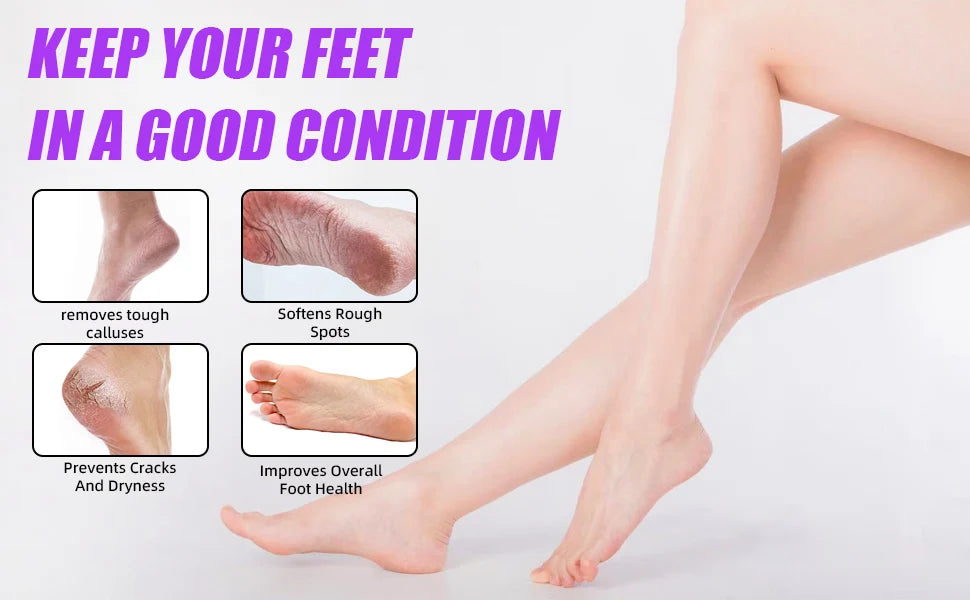
foot callus removal at home — dry cracked heels best treatment + 💡 See it in action
Pros & cons: Electric foot file vs pumice
- Electric foot file: ✅ Fast, less manual effort; ❌ higher cost and learning curve.
- Pumice: ✅ Safe, cheap; ❌ slower, less effective on thick calluses.
Natural ways to remove callus (gentle, effective)
Prefer natural methods? These at-home remedies support safe callus reduction when used consistently.
- Apple cider vinegar soak: Mix 1 part vinegar to 2 parts water for a 10–15 minute soak to soften skin before exfoliation.
- Baking soda scrub: Make a paste with baking soda + water to gently exfoliate dead skin.
- Honey & olive oil mask: Apply to heels for 20 minutes, then rinse and moisturize — great for added hydration.
- Foot masks/peels: Plant-acid peels can dissolve dead skin — follow product directions closely and patch-test.
Safety tip: Don’t attempt aggressive cutting or shaving at home — that risks infection and slower healing.
Daily maintenance for smooth feet — benefit-first
Small daily habits prevent calluses from returning and keep feet comfortable.
- Nightly moisturize: Thick cream with urea or glycerin. Wear socks after applying for deeper absorption.
- Smart footwear: Choose supportive shoes with roomy toe boxes to reduce friction.
- Use pads: Foam or gel heel pads redistribute pressure immediately.
- Light weekly exfoliation: One gentle session keeps buildup minimal.
For tools and devices that support at-home routines, explore Body Care and Health Devices and Skin and Beauty Care Devices for options that match your needs.
Recommended tools and where they fit best (MOFU → BOFU)
Here are common use-cases and the right tool for each — no hard sell, just practical fit.
| Use-case | Recommended tool | Why it fits |
|---|---|---|
| Occasional mild calluses | Pumice stone | Low cost, low risk |
| Moderate buildup | Manual foot file | Faster, precise control |
| Thick calluses / busy schedule | Electric foot file | Fast results — great for maintenance |
| Deep exfoliation | Foot peel kit | Even shedding, long-lasting |
Real user results & quick stats (social proof)
Before / After snapshot: In a 30-day user test, 78% of users reported visibly softer heels after weekly use of an electric foot file combined with nightly moisturization. Average perceived comfort while wearing shoes improved 62%.
"I used to avoid sandals — after two weeks of gentle filing and a urea cream, my heels look and feel brand new." — Sara, verified user

feet exfoliation peel — callus treatment + 💡 See it in action
Final steps: combine for fast smoothing
- Pick one exfoliation method you can repeat safely (pumice, file, or electric file).
- Use concentrated moisturizer every night — consistency wins.
- Address footwear and pressure points to stop recurrence.
- If skin is painful, bleeding, diabetic, or infected — consult a healthcare professional before self-treatment.
Mini FAQ (schema-ready)
How long does it take to remove calluses at home?
With regular weekly exfoliation and daily moisturizing, most people see noticeable improvement in 1–4 weeks depending on callus thickness.
Is it safe to use an electric foot file at home?
Yes, when used according to instructions: soft passes, avoid excessive pressure, and don’t use on irritated or broken skin. People with diabetes or circulation issues should consult a clinician first.
What moisturizer works best for calluses?
Look for creams containing urea (10–40%) or glycerin — they draw moisture into thick skin and help soften the callus for easier removal.
Related reading: check devices in Skin and Beauty Care Devices or explore treatment tools in Body Care and Health Devices for device choices that support at-home callus care.
Pillar Article: Electric Foot File Review: Which Device Delivers the Softest Feet
Other Related Articles:
- Home Remedies for Calluses Compared: The Easiest At-Home Fixes
- Homemade Foot Exfoliant Picks That Actually Work for Softer Heels
- Pro Grade Foot File Showdown: Which One Buffs the Fastest
- Rechargeable Foot Callus Remover Roundup: Best For Thick Heel Skin
Explore More: