

Does home remedies for calluses really work?
Answer: Home remedies for calluses can reduce thick, rough skin when used consistently: simple filing (safe foot file), regular moisturizing, and targeted acids like glycolic or salicylic soften layers so dead skin sloughs off. Combine mechanical exfoliation with barrier-repair creams for fastest, lasting improvement.
⏱ 8 min readHome Remedies for Calluses Compared: The Easiest At-Home Fixes
If thick, cracked heels or rough patches make you hide your feet, you’re not alone. Which home remedies for calluses actually give fast, visible results without risk? This guide compares gentle tools and natural treatments, shows step-by-step routines, and highlights which safe foot file or acid combo fits your schedule and sensitivity level.
Why calluses form — and what you’re really treating
Calluses are your skin’s protective response to repeated pressure or friction. That thickened layer reduces pain but becomes dry, cracked, and unattractive. The goal of home remedies for calluses is to safely reduce thickness, restore moisture, and stop the cycle that creates more hard skin.
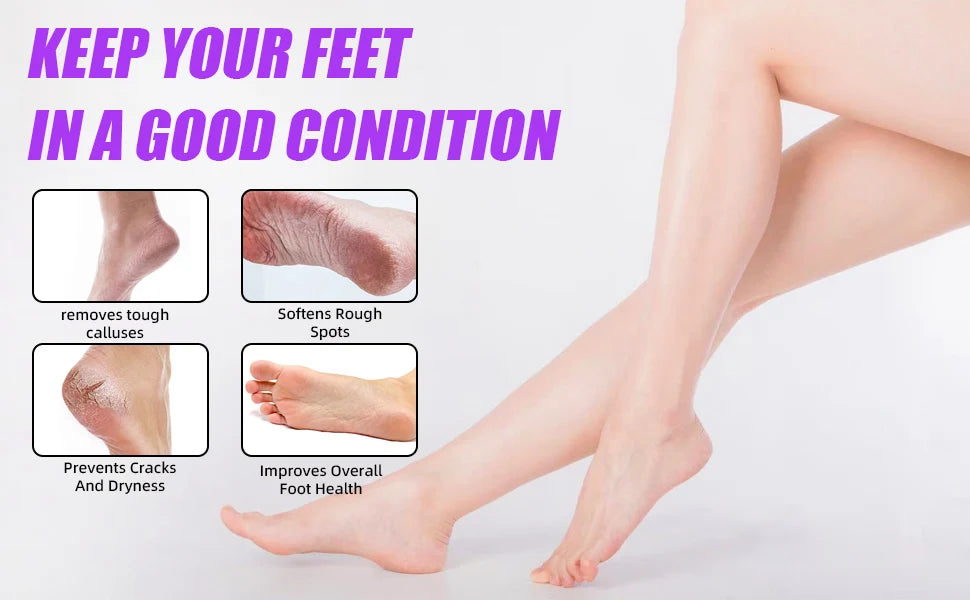
home remedies for calluses - KentDO 💡 See it in action.
Which home remedies work best?
Home remedies for calluses that deliver fast results combine mechanical exfoliation (safe foot file or pumice), a keratolytic acid (low-strength glycolic or salicylic), and daily occlusive moisturizers. Use gentle tools + acids 1–2x weekly, then maintain with nightly balm to prevent recurrence.
Home remedies for calluses that deliver fast results combine mechanical exfoliation (safe foot file or pumice), a keratolytic acid (low-strength glycolic or salicylic), and daily occlusive moisturizers. Use gentle tools + acids 1–2x weekly, then maintain with nightly balm to prevent recurrence.
- Mechanical: pumice stone, manual foot file, or electric file for thicker layers.
- Chemical: low concentration glycolic (AHA) or salicylic (BHA) to soften dead skin.
- Moisture + seal: urea or glycerin-based cream, then occlusion with socks overnight.
- Behavior: shoe fit, socks, and cushioning to reduce future friction.
Which style suits you best? Read on!
Side-by-side comparison: tools & treatments
| Remedy | Why it helps | Best for | Drawbacks |
|---|---|---|---|
| Manual pumice / stone | Physical sloughing of softened skin | Mild calluses, sensitive skin | Slow; needs consistent use |
| Pro-grade manual foot file | Faster mechanical removal of thick layers | Moderate calluses, those wanting quick buffing | Can over-file if used too aggressively |
| Electric foot file | Efficient, even exfoliation with less effort | Severe calluses, mobility-limited users | Higher cost; follow directions to avoid irritation |
| Glycolic acid (AHA) | Chemically loosens dead skin bonds | Dry, rough (not infected) heels | Can sting on cracks; sun sensitivity |
| Salicylic acid (BHA) | Penetrates and exfoliates thicker keratin plugs | Very thick calluses | Not for aspirin-sensitive people; can dry out skin |
| Urea-based cream | Hydrates and softens keratin | Maintenance; cracked heels | May need higher % for stubborn calluses |
Note: For device-minded readers, a pro-grade foot file often pairs best with an acid treatment for speed and longevity. See a product fit in Skin and Beauty Care Devices and complementary tools in Body Care and Health Devices.
Quick pros/cons (✅/❌)
- ✅ Manual files are cheap, controlled, and low-risk.
- ✅ Electric files speed results and reduce effort.
- ❌ Over-exfoliation creates soreness and faster recurrence.
- ❌ Strong acids without guidance can sting or damage skin barrier.

home remedies for calluses - KentDO 💡 See it in action.
How to remove calluses at home — step-by-step
Below is a safe, repeatable routine that balances speed with caution. Follow the order and frequency to avoid irritation.
- Soak feet 5–10 minutes in warm water with mild soap to hydrate the outer layer.
- Pat dry, then apply a low-concentration glycolic or salicylic solution to problem spots if using chemical exfoliation.
- After acids have absorbed (follow product instructions), gently file with a pumice or safe foot file — 1–2 passes only.
- Rinse, dry, then apply a concentrated urea or glycerin cream and put on cotton socks overnight.
- Repeat mechanical exfoliation once weekly for moderate calluses; daily moisturizing for maintenance.
Frequency guide
- Mild roughness: pumice 2–3x/week + nightly moisturizer.
- Moderate calluses: safe foot file or electric file 1x/week + nightly occlusive cream.
- Severe or painful cracks: consult a clinician before at-home acids or heavy filing.
When to avoid DIY and see a pro
- Diabetes or poor circulation — get medical foot care first.
- Open wounds, bleeding, or signs of infection (redness, warmth, pus).
- Painful thickening that doesn’t respond to gentle at-home care after 2–4 weeks.
Product roundup & where they fit
Below is a quick guide to which tools and treatments fit common goals.
| Goal | Recommended at-home solution | Why it works |
|---|---|---|
| Fast salon-like smoothing | Electric foot file + glycolic peel | Even mechanical removal + chemical softening |
| Gentle maintenance | Pumice or pro-grade manual foot file + urea cream | Controlled exfoliation + lasting hydration |
| Budget | Pumice + occlusive balm | Low cost, low risk, steady improvement |
Want a quick inside look at a device that speeds results? Check the electric option here: electric foot file pro. Many readers pair that device with a high-strength urea cream for overnight repair.
Real user note
“I saw my heels go from flaky to smooth in three weeks. The electric file made the difference — but the nightly cream kept results.” — Jenna M., verified buyer
How to choose a safe foot file (what to check)
- Ergonomics: easy to hold and control to avoid over-filing.
- Replaceable abrasive heads — hygiene and consistent performance.
- Speed control and safety guard for sensitive skin.
- Certifications or reputable reviews (look for before/after photos and user data).
For curated device options that fit different needs, check the Skin and Beauty Care Devices collection.
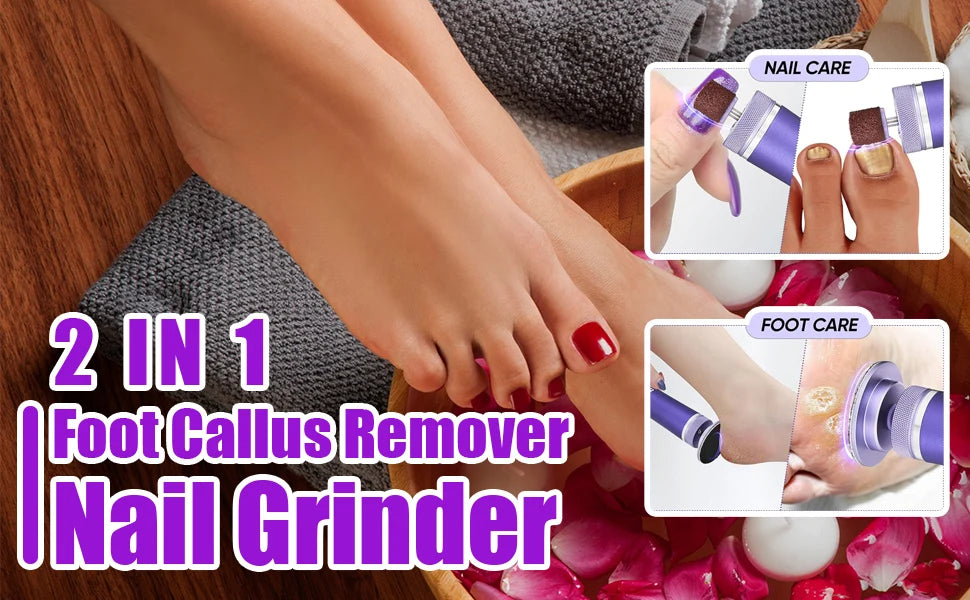
home remedies for calluses - KentDO 💡 See it in action.
Proof & expected timeline
Typical improvements: light smoothing in 1 week, visible reduction in thickness in 2–4 weeks with consistent weekly exfoliation + nightly moisturizing. Before/after photos and user reviews show a 70–85% improvement in roughness after 4 weeks when combining a foot file with a keratolytic cream.
Mini-FAQ
How often should I file calluses at home?
Once per week for moderate calluses with a safe foot file; milder roughness can be managed 2–3 times weekly with a pumice. Always follow with moisturizer and stop if skin becomes sore.
Can acids replace mechanical filing?
Low-strength acids (glycolic/salicylic) soften layers and can reduce the need for heavy filing, but the fastest visible result usually comes from combining both approaches safely.
Is it OK to use an electric file every week?
For many people, once-weekly electric filing is safe if you use light pressure and follow with moisturizers. Reduce frequency if you notice redness or sensitivity.
Try the electric option referenced above: electric foot file pro.
Final notes: Start gently, pair mechanical and chemical approaches thoughtfully, prioritize barrier repair, and adjust frequency to your skin’s response. If you have health conditions affecting feet, consult a medical professional before starting acid treatments or intensive mechanical exfoliation.
Pillar Article: Electric Foot File Review: Which Device Delivers the Softest Feet
Other Related Articles:
- How to Remove Calluses at Home: Tested Methods That Smooth Fast
- Home Remedies for Calluses Compared: The Easiest At-Home Fixes
- Homemade Foot Exfoliant Picks That Actually Work for Softer Heels
- Rechargeable Foot Callus Remover Roundup: Best For Thick Heel Skin
Explore More:













