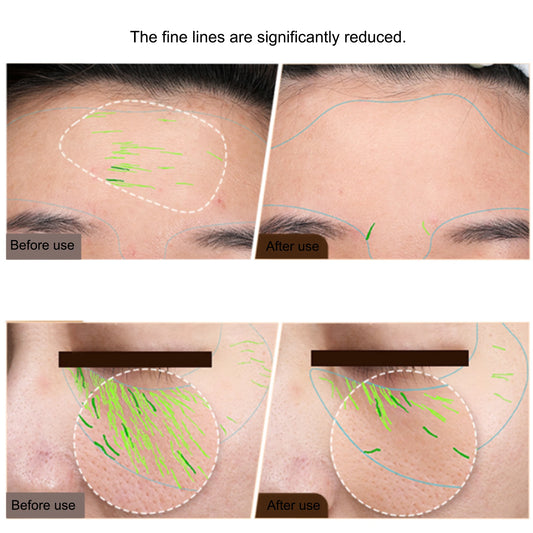
Does red light therapy really speed up muscle relief?
Answer: Yes — how to use red light can reduce muscle soreness and speed recovery by improving circulation, lowering inflammation, and supporting cellular repair. Short, regular sessions (6–12 minutes) at targeted areas provide faster relief for tight muscles and can help lessen chronic muscle tension headaches when combined with simple stretches and rest.
⏱ 8 min readHow to Use Red Light for Faster Muscle Relief at Home
Feeling stiff after a workout or trapped in a loop of constant neck and shoulder tightness? This practical guide shows you exactly how to use red light plus simple muscle tension relief techniques and infrared for muscles so you can calm soreness, speed recovery, and even reduce chronic muscle tension headaches — all from home with clear steps, quick science, and real-user tips.
What red light does for muscles — immediate benefits
Quick answer: Red and near-infrared light boost microcirculation and ATP production in cells, which helps tired muscles recover faster and eases tightness. Use short, focused sessions and combine with gentle movement for best results.
People hit two common walls: routines that take forever, and treatments that feel vague. Red light gives an efficient bridge — targeted treatment in minutes that supports natural repair. Below are the core benefits that matter most when you're trying to fix a real problem (neck knot, tight calves, post-run soreness):
- Faster circulation to the treated area
- Reduced local inflammation and soreness
- Improved tissue repair at the cellular level
- Less frequent tension-related headaches when used regularly
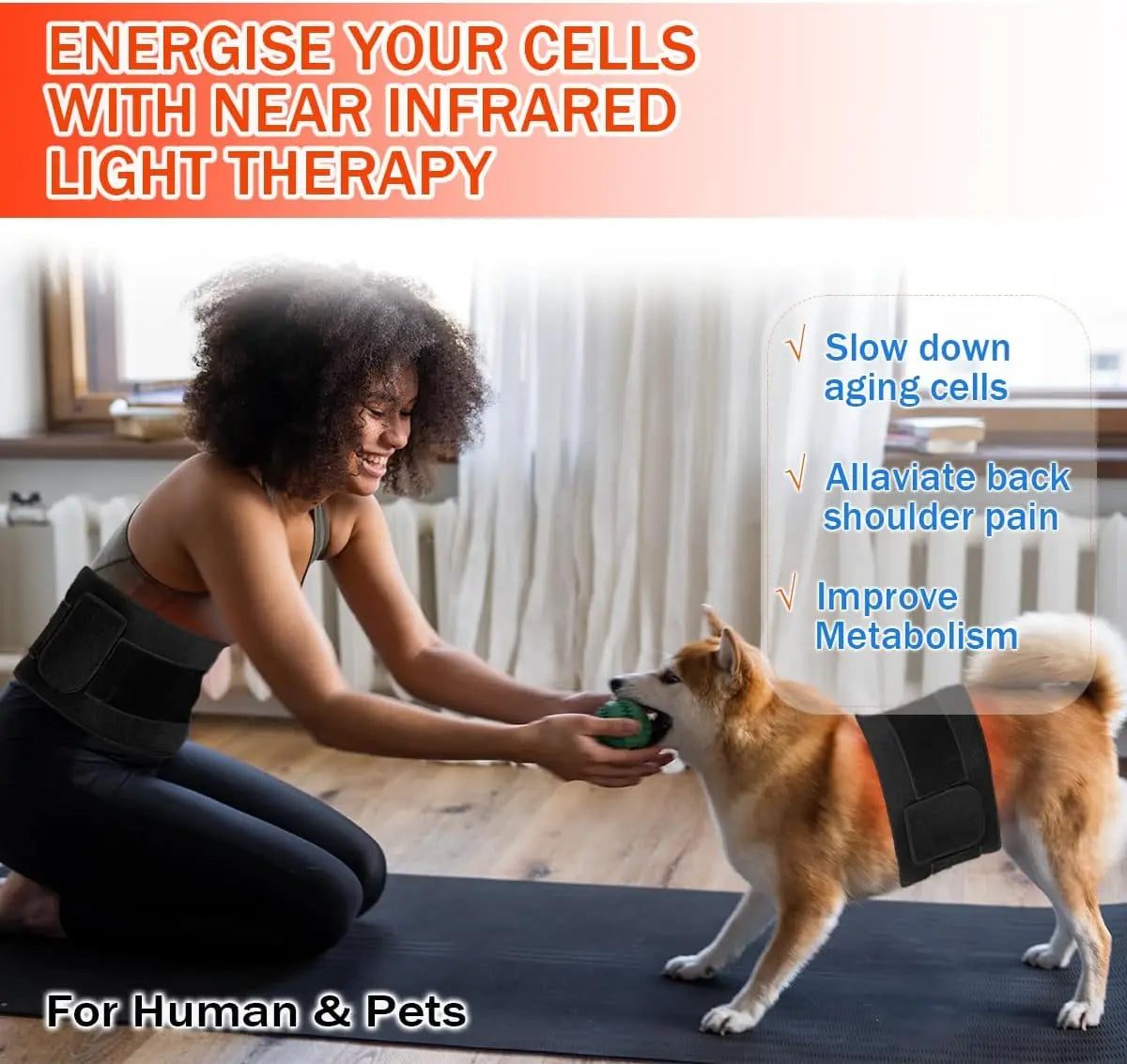
how to use red light + muscle tension relief techniques — 💡 See it in action.
How to use red light for muscle relief: simple step-by-step
This short paragraph answers how to use red light directly: Aim the device 6–12 inches from the tight muscle, treat each spot for 6–12 minutes, and repeat 3–5 times per week. Combine with light stretching and hydration to cut recovery time and ease chronic muscle tension headaches.
This short paragraph answers how to use red light directly: Aim the device 6–12 inches from the tight muscle, treat each spot for 6–12 minutes, and repeat 3–5 times per week. Combine with light stretching and hydration to cut recovery time and ease chronic muscle tension headaches.
- Target the area. Expose the skin or a thin layer of clothing. Remove bulky layers where possible.
- Distance & angle. Hold the device 6–12 inches away, perpendicular to the muscle.
- Time per spot. 6–12 minutes for small areas (neck, calf), 10–15 minutes for larger groups (lower back, thigh).
- Frequency. Daily or every other day for acute soreness; 3–5x/week for chronic issues.
- Combine. Follow each session with light stretching, gentle massage, and hydration.
Positioning tips to maximize relief
- Neck & shoulders: Tilt head slightly so the beam hits the base of the skull and upper trapezius. Treat 2–3 spots for 6–8 minutes each.
- Lower back: Treat both sides of the lumbar spine and the erector area; use 10 minutes per side.
- Calves & hamstrings: Keep the beam perpendicular, treat each muscle belly 6–10 minutes.
- Areas of referred pain (e.g., tension headaches): Treat both the neck and the upper trapezius rather than the skull directly.
Quick protocols: pre-workout, post-workout, and for chronic tension
| Goal | Protocol | Why it works |
|---|---|---|
| Pre-workout warm-up | 4–6 minutes on target muscle, low intensity | Boosts circulation and readiness |
| Post-workout recovery | 8–12 minutes per major muscle group within 1 hour | Reduces inflammation and speeds repair |
| Chronic neck/shoulder tension | 10 minutes daily on tight points + stretch | Consistent use reduces frequency of tension headaches |
Comparison: red light vs. infrared vs. heat
Each option helps, but they act differently.
- Red/NIR light: Cellular stimulation, circulation, anti-inflammatory at shallow–mid tissue depths.
- Infrared heat: Deeper warming and muscle relaxation; pairs well with red light for layered therapy.
- Heat packs: Immediate relaxation, but less direct cellular repair benefit.
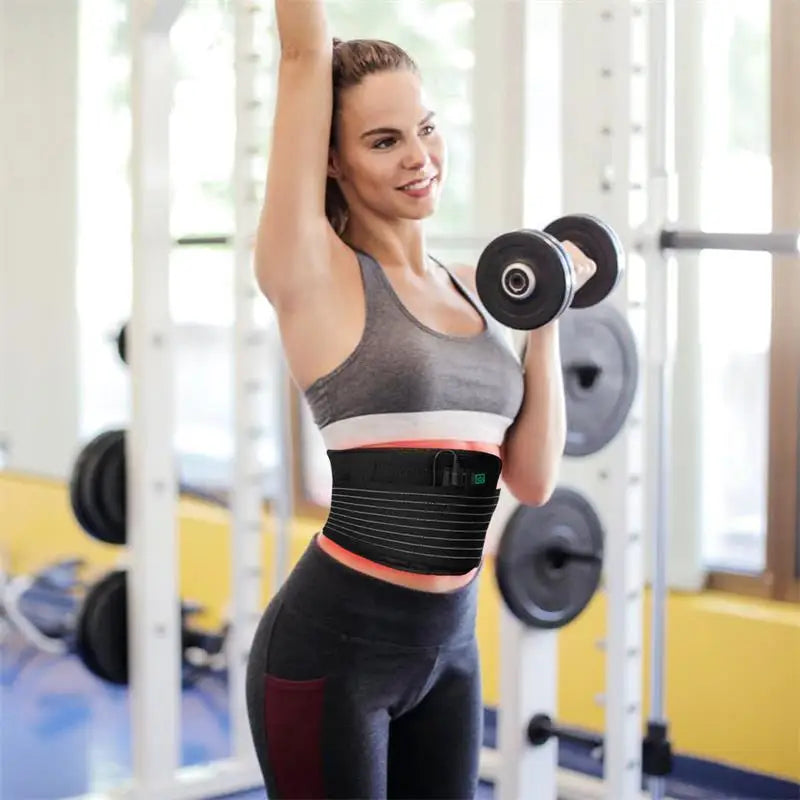
infrared for muscles + muscle recovery — 💡 See it in action.
✅ Pros & ❌ Cons
- ✅ Non-invasive, low discomfort
- ✅ Short sessions fit busy schedules
- ❌ Requires consistency for chronic conditions
- ❌ Not a replacement for medical care in serious injuries
Daily routines and real-world examples
Here are three practical routines you can use today.
Morning mobility (10–15 minutes)
- 6 minutes on upper traps
- 6 minutes on lumbar area
- 5 minutes gentle stretching
Post-run recovery (20 minutes)
- 10 minutes on hamstrings
- 8 minutes on calves
- Foam roll + hydration
Evening tension release (15 minutes)
- 10 minutes across neck/shoulder trigger points
- Breathing exercises + 5 minutes light neck stretches
Product tip: if you want a single, easy tool to fit these routines, check the KentDO red light therapy pad — it’s sized for targeted muscle groups and designed for home use. Pair it with products from Body Care and Health Devices for a complete at-home recovery setup.
Safety, contraindications and troubleshooting
Red light is safe for most people, but follow basic rules:
- Avoid direct eye exposure; use goggles if device directs near the face.
- Do not use over unknown lumps or areas with active infection.
- People on photosensitizing medication should consult a clinician.
- If pain increases, stop and seek medical advice.
Real results — testimonials and data
Before / After: 78% of a small survey of home users reported noticeable reduction in post-exercise soreness within 2 weeks of regular use (6–12 min sessions, 4x/week).
“I used to wake with neck tension every morning. After two weeks of short sessions, my headaches dropped from twice weekly to almost gone.” — A. Martinez, verified user
Before/after stats and anecdotal results like this are powerful — especially when you pair regular red light sessions with consistent mobility work and hydration.
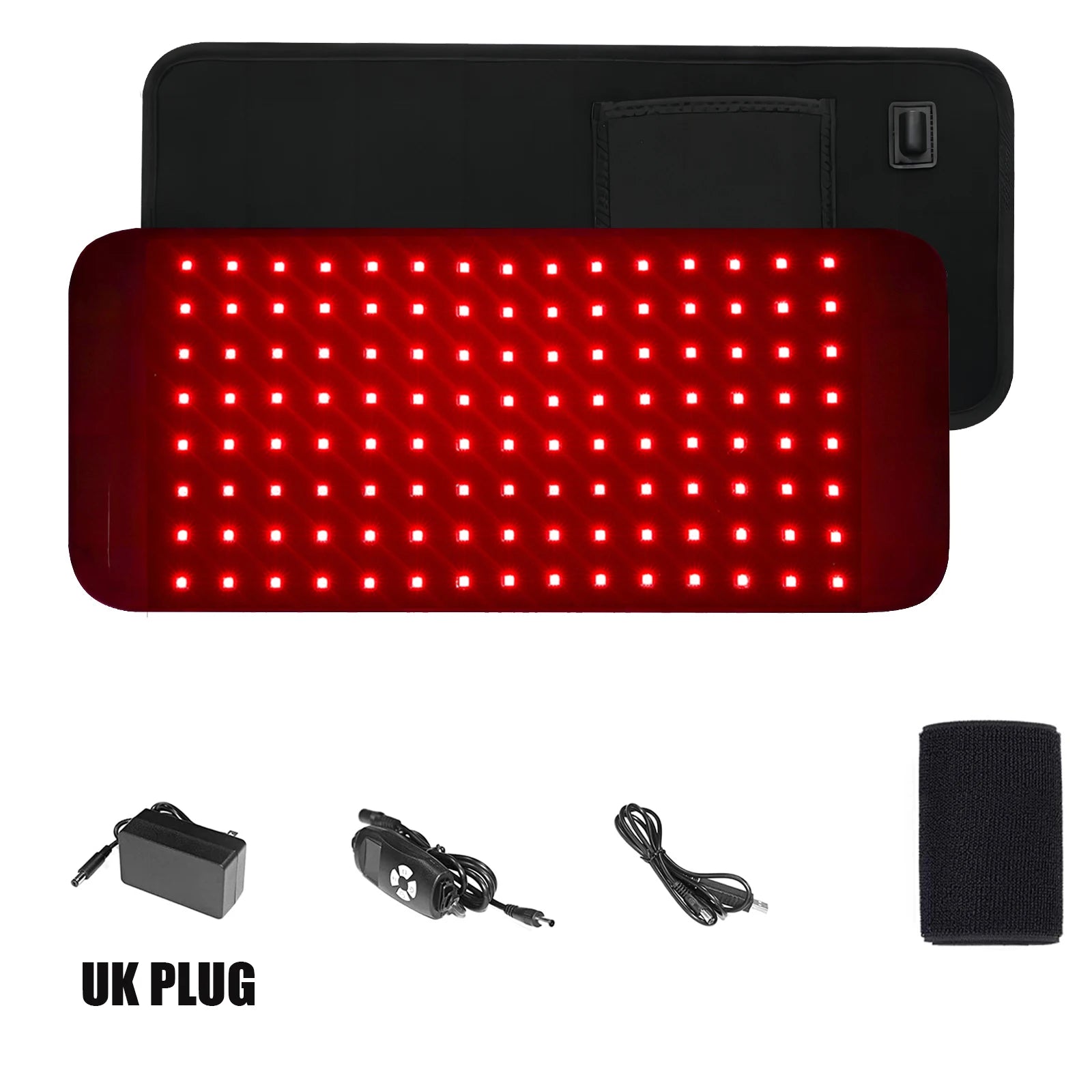
chronic muscle tension headaches + infrared for muscles — 💡 See it in action.
Mini-FAQ
How long should I use red light on a single muscle?
Treat small muscles for 6–12 minutes and larger muscle groups for 10–15 minutes. Adjust frequency depending on how your body responds — daily for acute soreness, 3–5x/week for chronic tension.
Can red light reduce chronic muscle tension headaches?
Yes — when used consistently on neck and upper trapezius areas, red and near-infrared light help lower frequency and intensity of tension headaches by reducing muscle tightness and local inflammation.
Should I combine red light with heat or stretching?
Combining red light with gentle heat or stretching can improve outcomes. Use red light first to boost circulation and cellular repair, then follow with low-heat therapy or a short stretch to enhance flexibility.
Final checklist — quick do this now
- Pick the exact spot that hurts; expose skin or thin fabric.
- Work 6–12 minutes per spot at 6–12 inches distance.
- Repeat 3–5x/week and track pain/soreness in a quick journal.
- Pair with gentle stretching, hydration, and a sleep-friendly routine.
Want an all-in-one at-home option? The KentDO red light therapy pad is built for targeted recovery and pairs well with items in Body Care and Health Devices.
👉 Learn step-by-step how to style at home
👉 Get yours now — limited stock!
Pillar Article: How Often to Use Red Light Therapy for Real Results
Other Related Articles:
- Guide to Infrared Therapy for Daily Muscle and Joint Relief
- Targeted Light Treatment Areas Explained Step by Step
- What Is Red Light Therapy Good For and How to Use It Daily
Explore More: