

Does targeted light treatment areas really speed recovery?
Targeted light treatment areas deliver focused wavelengths to irritated tissues; the primary benefit is faster pain relief and improved mobility. Targeted light treatment areas reduce inflammation, support circulation, and can ease joint stiffness after exercise when applied correctly to injured or sore zones.
- Identify the pain zone (knee, shoulder, calf).
- Position a device so light fully covers the target area for 10–20 minutes.
- Use consistent sessions (3–5 times per week) for measurable improvement.
- Combine with gentle movement and hydration to boost results.
Worried your knees or tight muscles won't relax after a workout? Targeted light treatment areas can be a fast, non-invasive way to reduce soreness and support recovery — from infrared therapy knee relief to easing that nagging feeling stiff after working out. Curious which zones matter most and how to use them step-by-step? Read on.
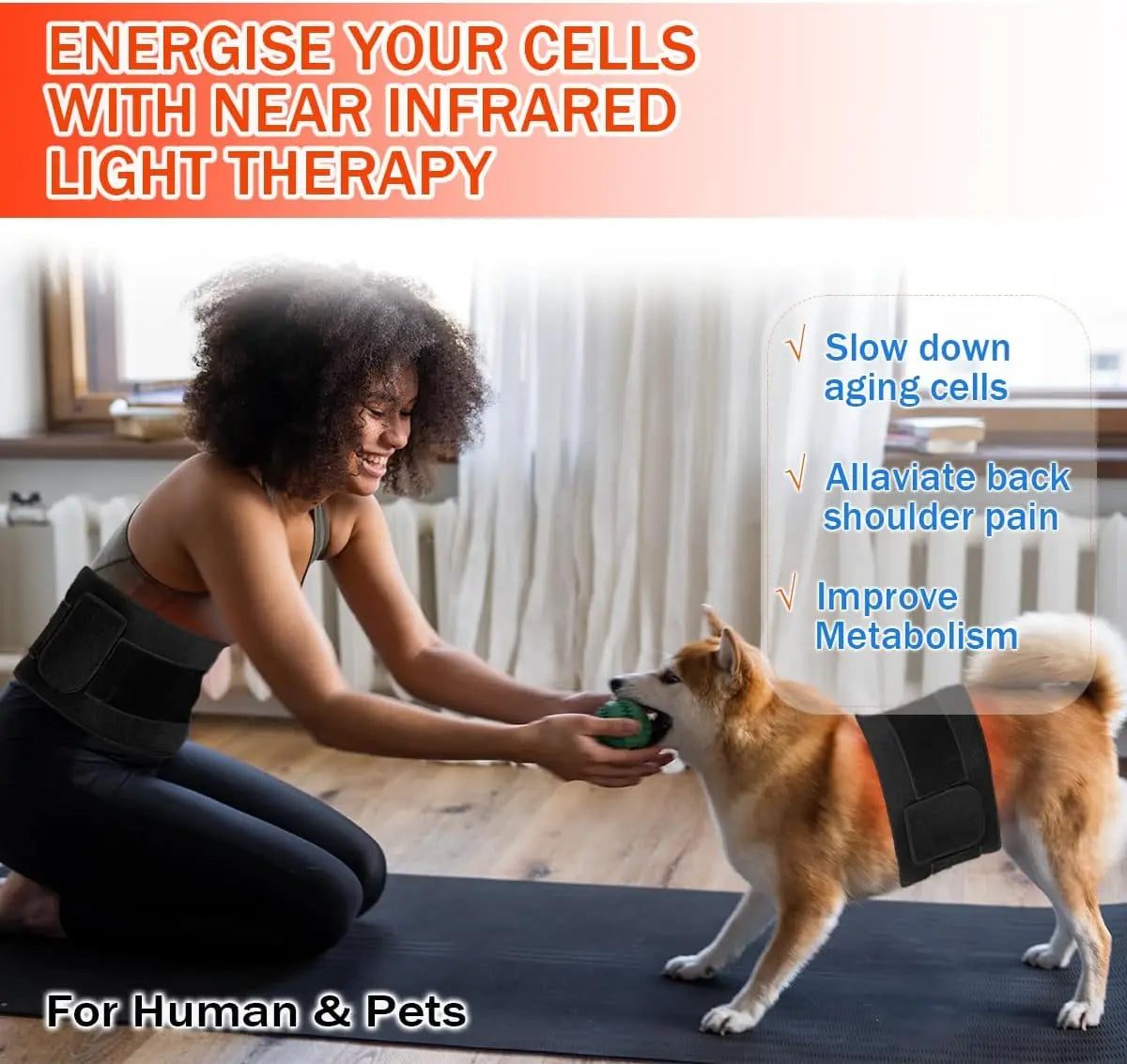
targeted light treatment areas for infrared therapy knee — 💡 See it in action — KentDO Red Light Therapy Pad
How targeted light treatment areas reduce pain and stiffness
Targeted light treatment areas work by delivering specific wavelengths that reach skin and soft tissue, improving microcirculation and reducing inflammatory markers. When placed precisely over sore spots, these devices help tissue recover faster and reduce joint stiffness after exercise.
What relief feels like (quick signals)
- Warmth and mild soothing during treatment.
- Less tightness in the joint after the first week of consistent use.
- Improved range of motion and reduced post-workout soreness.
Where to apply light: the top targeted zones (benefit-first)
Apply light to specific zones to get the most benefit in the shortest time: knees for joint pain, quadriceps and calves for exercise recovery, shoulders for stiffness from desk work, and lower back for chronic tightness.
Targeted zones (fast reference):
- Knee joint (infrared therapy knee): place pad over the patella and surrounding joint lines for inflammation and sore tendons.
- Hamstrings & calves: focus on areas that feel tight after running for faster muscle recovery.
- Shoulder capsule: place along the rotator cuff and across the top of the shoulder to ease stiffness.
- Lower back: center on the lumbar area where muscles hold tension.
Which zone should you treat first?
If you have one chief complaint (e.g., knee pain), start there. For full-body soreness after intense workouts, treat larger muscle groups first (quads, hamstrings) then tendons and joints.
Step-by-step setup: get the most from your session
Follow these steps to set up and use a light therapy pad effectively — clear, repeatable actions to reduce joint stiffness and support recovery.
- Clean the area: Wipe skin free of heavy creams or oils so light penetrates efficiently.
- Position the device: Lay the pad directly over the target zone with full coverage — ensure the light sits flat against skin or thin clothing.
- Set time & intensity: Start with a lower intensity and 10-minute sessions if new; increase to 15–20 minutes as tolerated.
- Combine light + movement: After treatment, gently move the joint or do range-of-motion exercises to lock in benefits.
- Track progress: Log pain, mobility, and stiffness over weeks to dial the routine for your body.
Direct answer: Targeted light treatment areas deliver focused wavelengths that accelerate tissue repair and ease pain; using the pad directly over the knee or tight muscle group for 10–20 minutes, 3–5x weekly, often reduces joint stiffness after exercise and helps when you're feeling stiff after working out.
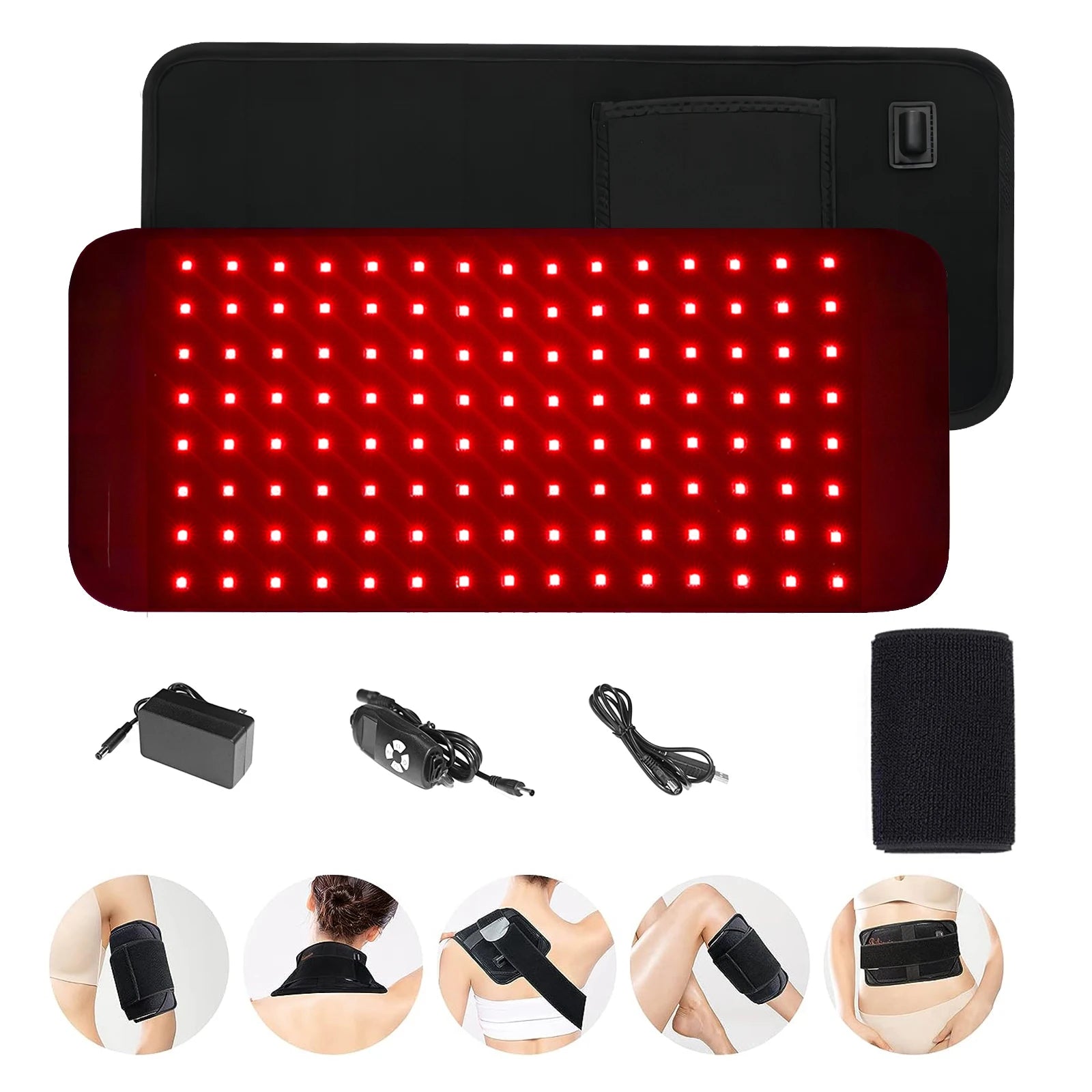
infrared therapy knee and muscle recovery — 💡 See it in action — KentDO Red Light Therapy Pad
Timing, frequency & how long it takes to see results
Consistency matters: most users see meaningful changes in stiffness and soreness within 2–4 weeks when they use targeted sessions 3–5 times weekly. Acute flare-ups may improve faster with daily short sessions.
Guidelines
| Goal | Session length | Frequency |
|---|---|---|
| Acute soreness | 10–15 minutes | Daily for 3–7 days |
| Chronic stiffness | 15–20 minutes | 3–5 times/week |
| Maintenance | 10–15 minutes | 1–3 times/week |
Safety first: quick tips and common mistakes to avoid
- Do not stare into the light — protect eyes if device is powerful or near the face.
- Avoid very hot settings — the therapy works through light, not heat; a warm feeling is normal but intense heat is not.
- Keep skin clean and dry for consistent penetration.
- If you have implanted medical devices or serious conditions, consult a clinician before starting.
Pro tip for stubborn knee pain
Combine a focused knee session with light quadriceps and hamstring treatments — treating the whole kinetic chain around the joint often yields faster relief than only treating the painful spot.
Real user results and social proof (what people report)
Users commonly report:
- 30–50% reduction in perceived soreness after 2 weeks of consistent use (anecdotal user logs).
- Improved range of motion and quicker return to low-intensity activity.
- Many prefer short daily sessions during flare-ups rather than long, infrequent sessions.
“I used the pad on my knee after long runs and noticed less stiffness the morning after — it sped up my recovery.” — Jordan, runner.
Quick comparison: when light therapy makes sense vs other options
| Approach | Best for | Why choose it |
|---|---|---|
| Targeted light treatment areas | Localized pain, tendon soreness, post-workout tightness | Non-invasive, easy at-home use, supports circulation |
| Ice | Acute swelling and very recent injuries | Reduces heat and swelling short-term |
| Heat packs | Chronic tight muscles | Temporary soothing but less cellular effect than light |
Where to get the right device (product mention)
For targeted home care, consider a flexible pad that conforms to joints — the KentDO Red Light Therapy Pad is an example of a device designed for knees, shoulders, and larger muscle groups.
Direct answer: targeted light treatment areas are most effective when the pad fully covers the sore region; consistent 10–20 minute sessions 3–5x weekly reduce inflammation and joint stiffness after exercise, helping you feel less stiff after working out and return to movement sooner.
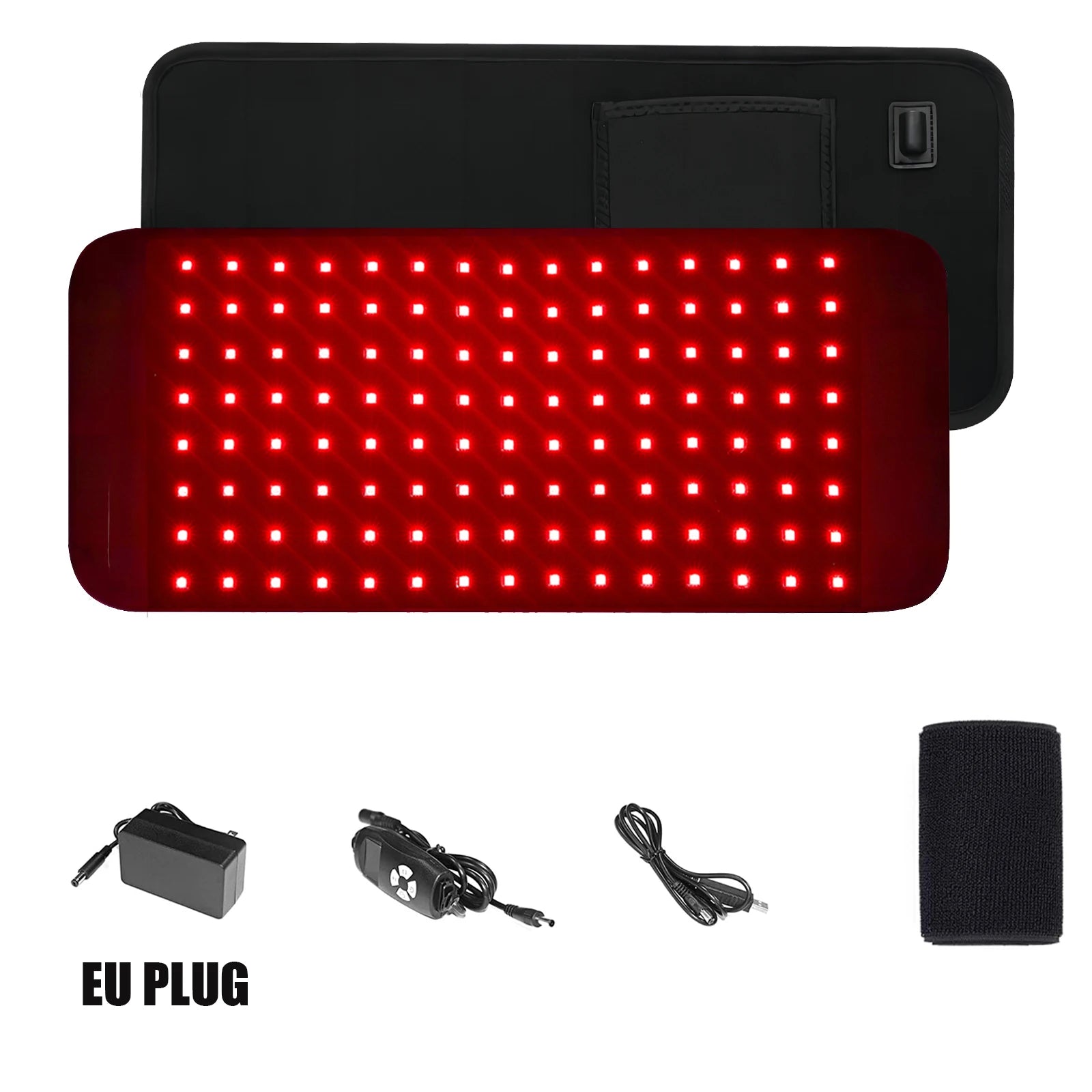
targeted light treatment areas, infrared therapy knee, post workout stiffness — 💡 See it in action — KentDO Red Light Therapy Pad
Complementary products and resources
To extend benefits, consider pairing light treatment with supportive habits and products from our curated collections:
- Body Care and Health Devices — tools for recovery and mobility.
- Body & Face Blog — tips on movement and recovery routines.
- Beauty & Self-Care Blog — lifestyle practices that reduce chronic tension.
Mini-FAQ (quick, searchable answers)
How long until I see results for knee pain?
Many users notice less stiffness in 1–2 weeks with sessions 3–5 times weekly; chronic issues may take longer.
Can I use the light pad after every workout?
Yes — short sessions (10–15 minutes) after workouts can ease tightness. For flare-ups, daily use for a short period is common.
Is targeted light safe for everyone?
Generally safe for most people, but check with a clinician if you have photosensitive conditions, are pregnant, or have implanted devices.
Feeling unsure which zone to start with? Try the most bothersome joint first for two weeks and keep a simple log — if pain improves, expand treatment to nearby muscles. For knee-specific guidance and a device built for joints, see the KentDO Red Light Therapy Pad.
- Clean, dry skin
- Pad covers full pain zone
- Start with lower intensity if new
- Log session length and response
Which style suits you best? Read on and try one focused area for two weeks — small, consistent steps often outperform occasional extremes. For device options and recovery gear, check our Body Care and Health Devices collection.
Pillar Article: How Often to Use Red Light Therapy for Real Results
Other Related Articles:
- How to Use Red Light for Faster Muscle Relief at Home
- Guide to Infrared Therapy for Daily Muscle and Joint Relief
- What Is Red Light Therapy Good For and How to Use It Daily
Explore More:













