⏱ 6 min read
LED Face Mask Color Meaning: What Each Light Color Does for Your Skin
LED light therapy masks use different colors of light to target specific skin concerns such as acne, wrinkles, redness, and pigmentation. Each color corresponds to a different wavelength that penetrates the skin at varying depths and triggers different biological responses.
Understanding LED face mask color meaning helps you choose the right light therapy for your skincare goals. From red light for anti-aging to blue light for acne treatment, each shade plays a unique role in improving skin health.

💡 Discover the led face mask colours meaning with KentDO’s light therapy mask in action
What Does Each LED Face Mask Color Mean?
The colors on an LED face mask represent different wavelengths of light, each designed to target specific skin concerns. Some lights penetrate deeper layers of skin to stimulate collagen, while others focus on bacteria reduction or pigmentation correction.
Below is a quick overview of the most common LED face mask colors and their benefits.
LED Face Mask Color Chart
- Red Light: Anti-aging, collagen production, wrinkle reduction
- Blue Light: Acne treatment and bacteria control
- Green Light: Reduces hyperpigmentation and dark spots
- Yellow Light: Calms redness and improves skin tone
- Purple Light: Combines anti-aging and acne benefits
- Cyan Light: Soothes irritation and balances skin
- White Light: Penetrates deepest layers to support skin regeneration
Red LED Light
Red LED light typically operates between 620–750 nanometers and penetrates deeper layers of the skin. It stimulates collagen and elastin production, helping reduce fine lines, wrinkles, and signs of aging. Many red light therapy skincare devices are designed specifically to boost firmness and improve overall skin elasticity.
Blue LED Light
Blue light usually ranges from 405–470 nanometers and targets acne-causing bacteria on the skin’s surface. It helps reduce breakouts by destroying the bacteria responsible for inflammation, making it one of the most popular colors for acne-prone skin.
Green LED Light
Green LED light focuses on pigmentation issues. It helps reduce melanin production, which may fade dark spots, sun damage, and uneven skin tone. Many users choose green light specifically for its green LED light skin benefits when dealing with redness and discoloration.
Yellow LED Light
Yellow light therapy is often used to calm sensitive or irritated skin. It may help reduce redness, swelling, and inflammation while improving circulation and overall radiance. These yellow light therapy skin benefits make it ideal for dull or reactive skin types.
Purple LED Light
Purple light combines the benefits of red and blue wavelengths. It can support both acne treatment and anti-aging results, making it useful for combination skin concerns such as acne scars and uneven texture.
Cyan (Light Blue) LED Light
Cyan light sits between blue and green wavelengths and helps soothe irritated skin. It may also support calming effects for stressed or sensitive skin types after treatments.
White LED Light
White light penetrates deeper layers of the skin and is often associated with overall skin rejuvenation. Some devices use it to support regeneration and improve skin firmness.

💡 Understand each led face mask colour meaning to personalize your skincare results
How LED Light Therapy Works for Skin
LED light therapy uses specific wavelengths of light to stimulate biological processes within the skin. When light energy reaches skin cells, it triggers reactions that can boost collagen production, reduce bacteria, and improve circulation.
What Are LED Light Wavelengths?
Each LED color corresponds to a different wavelength measured in nanometers (nm). The wavelength determines how deeply the light penetrates the skin and which cells it affects.
- Short wavelengths target surface-level concerns such as acne bacteria.
- Medium wavelengths address pigmentation and redness.
- Long wavelengths penetrate deeper layers to stimulate collagen and skin repair.
How Light Energy Affects Skin Cells
When LED light reaches the skin, it interacts with mitochondria inside cells. This process helps increase cellular energy production, which can accelerate healing, reduce inflammation, and stimulate collagen synthesis. Over time, consistent sessions may improve skin tone, texture, and clarity.
Key Benefits of LED Face Masks
- Non-invasive and painless treatments
- Safe for all skin types and tones
- Customizable sessions with multiple colors
- At-home convenience saves time and money
LED Mask Color Chart by Skin Concern
- Acne and breakouts: Blue light
- Fine lines and wrinkles: Red light
- Dark spots and pigmentation: Green light
- Redness and irritation: Yellow or cyan light
- Combination concerns: Purple light
How to Choose the Right LED Face Mask Color
If you’re overwhelmed by color options, here’s a quick breakdown to guide your choice:
| Color | Target Concern | Benefit Summary |
|---|---|---|
| Red | Aging skin, fine lines | Collagen production, firmer skin |
| Blue | Acne, oiliness | Kills bacteria, reduces breakouts |
| Green | Redness, uneven tone | Green LED light skin benefits: soothes and balances |
| Yellow | Dullness, sensitivity | Yellow light therapy skin benefits: brightens and boosts glow |
| Purple | Scarring, fine texture | Healing and renewal |
Can You Combine Different LED Light Colors?
Many modern LED face masks allow multiple light settings or combination modes. Using different colors can address several skin concerns in one routine.
- Blue + Red: Treats acne while supporting skin repair
- Red + Green: Targets wrinkles and pigmentation
- Yellow + Red: Calms irritation while boosting collagen
Always follow the recommended session length for each color to avoid overexposure.
How Often Should You Use an LED Face Mask?
Most dermatologists recommend using LED light therapy masks three to five times per week for the best results. Sessions typically last between 10 and 20 minutes depending on the device.
Consistency matters more than intensity. Regular use over several weeks is usually required before noticeable improvements appear.
Is LED Light Therapy Safe for All Skin Types?
LED light therapy is generally considered safe for most skin types because it does not use ultraviolet (UV) radiation. The treatment is non-invasive and painless when used according to manufacturer instructions.
However, individuals with certain skin conditions or light sensitivity should consult a dermatologist before starting LED treatments.
Why KentDO’s Light Therapy Device Stands Out
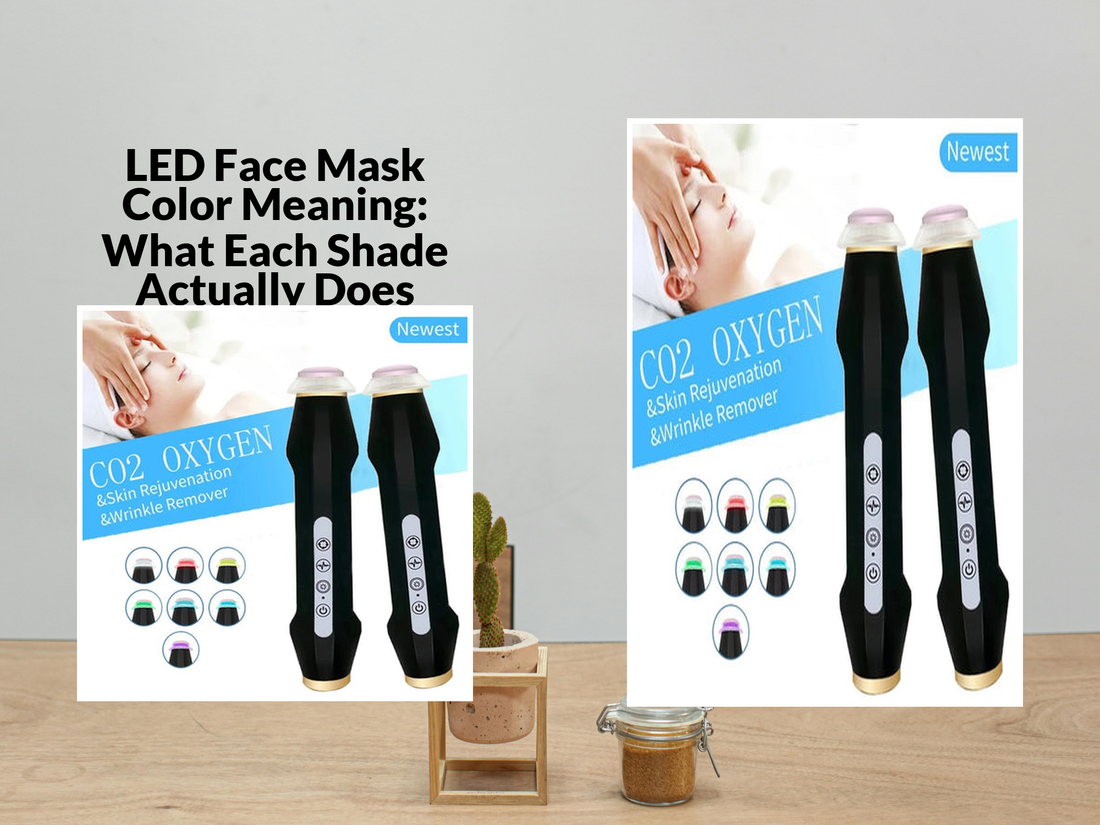
The KentDO CO2 Oxygen Facial Device isn’t just another red light therapy skincare device. It’s a premium multi-spectrum solution that combines multiple wavelengths for customizable treatments—all in one ergonomic, skin-safe design.
- 7-Color LED Light Panel with clinically proven wavelengths
- Adjustable intensity and timer settings
- CO2 and oxygen infusion function enhances absorption
- High-end design perfect for at-home facial devices
| ✅ Pros | ❌ Cons |
|---|---|
| Multiple color modes in one | May require multiple sessions for results |
| Boosts both hydration and radiance | Initial learning curve for beginners |
| Safe, non-invasive, pain-free | Not for use on open wounds or infections |

💡 Upgrade your skincare with a light therapy mask that adapts to you
Mini FAQ
How often should I use an LED face mask?
For best results, start with 3–5 sessions per week (10–20 minutes each), depending on skin sensitivity and color used.
Is LED light therapy safe for all skin types?
Yes, it's generally safe for all skin tones and types. However, consult your dermatologist if you have photosensitive conditions.
Can I combine different LED light colors in one session?
Absolutely. Many masks allow cycling through modes or layering treatments for multiple concerns.
When will I see visible results?
Some users see changes in skin tone or texture in as little as two weeks, with significant improvements after 4–6 weeks of consistent use.
Pillar Article: The Real LED Light Therapy Skin Benefits You Don’t Hear About
Other Related Articles:
Explore More: