

Does red light therapy really help muscle tension relief?
Answer: Yes — red light therapy can speed muscle tension relief by reducing inflammation and improving microcirculation when used correctly. For muscle tension relief, short, consistent sessions (5–15 minutes) at appropriate wavelengths (around 630–660 nm and 810–850 nm) and safe distances deliver measurable relaxation and recovery benefits.
⏱ 10 min readMuscle Tension Relief Made Personal: Best Red Light Uses for Your Needs
Worried red light therapy might be another fad — or worse, harmful? You’re not alone. Many people try red light for muscle tension relief and see mixed results because they use the wrong dose, wavelength, or routine. This guide explains exactly how to match a red light routine to your body, your lifestyle, and your recovery goals so the therapy works for you — safely and predictably.
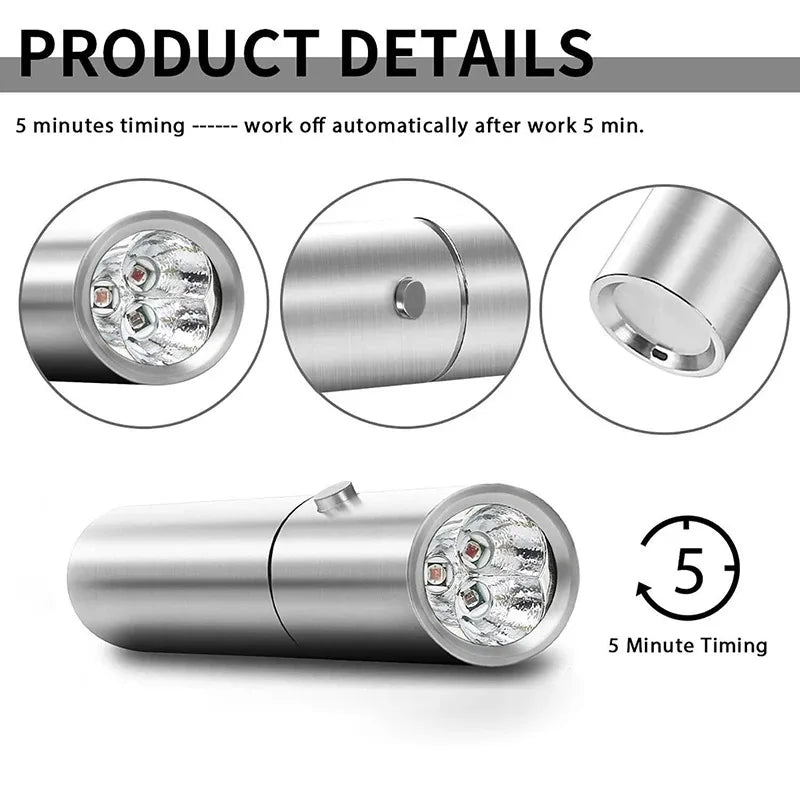
muscle tension relief - nan · 💡 See it in action · Shop the KentDO Red Light Wand
Quick solution — how red light gives muscle tension relief
Red light therapy reduces localized muscle tension primarily by lowering inflammation, increasing cellular energy (ATP), and improving blood flow to tight tissue. Short, repeatable sessions help tissue recover faster after exertion and reduce the frequency of tight episodes.
How to personalize red light for your muscle tension
1) Assess your muscle tension and goals
- Spot vs diffuse: Is tension in one trigger point or across a whole region?
- Acute vs chronic: Is this post-workout tightness or months-long stiffness?
- Desired outcome: Faster recovery, reduced pain, increased range of motion?
2) Choose wavelength and dose
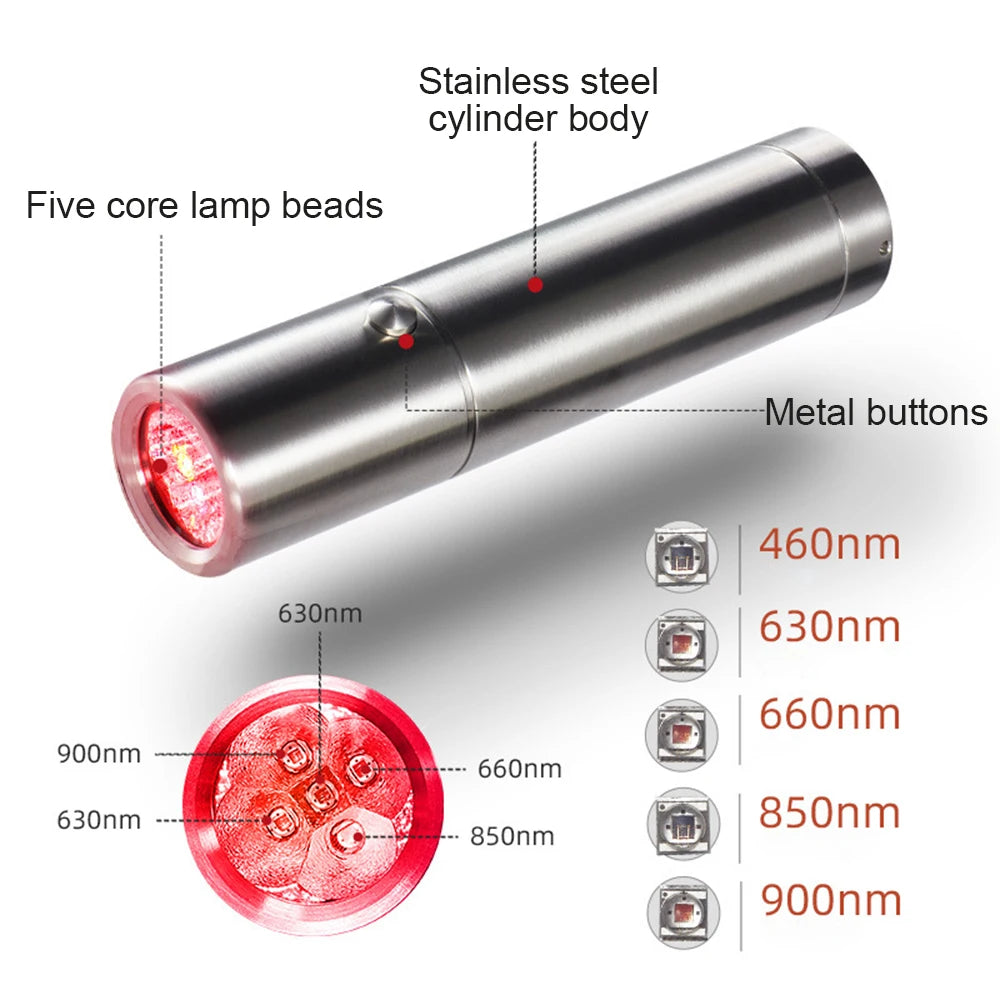
Wavelengths matter: Red light (~630–660 nm) penetrates shallow tissue (skin, superficial muscle), while near-infrared (810–850 nm) reaches deeper muscle and fascia. For persistent muscle tension, a combo device or sessions alternating wavelengths is ideal.
3) Session guide (timing, distance, frequency)
- Start 5 minutes per area at ~10–15 cm from the skin.
- Work up to 10–15 minutes for larger or deeper tension areas using NIR where available.
- Use daily or every other day for 2–6 weeks, then reduce frequency as tension improves.
- Combine with light stretching or foam rolling for improved outcomes.
4) Safety, contraindications, and 'nan' factors
Always avoid shining high-power devices directly into eyes. If you have photosensitizing medications, cancer history, or active infection, consult a clinician. The tag 'nan' (mentioned as a secondary keyword) often appears in product specs or manufacturer notes — treat any "nan" or shorthand spec carefully and verify actual wavelength and irradiance numbers.
Compare device types: which fits your routine?
| Device Type | Best for | Typical session |
|---|---|---|
| Handheld wand (e.g., red light wand) | Targeted trigger points, on-the-go use | 5–12 mins per point, daily |
| Panel (full area) | Large areas like back/hamstrings | 10–20 mins, 3–4 times/week |
| PADS / wraps | Wraps for shoulders/knees; convenient | 10–15 mins, daily |
Recommendation: For most readers wanting targeted muscle tension relief, a wand like the KentDO Red Light Wand gives control and portability.
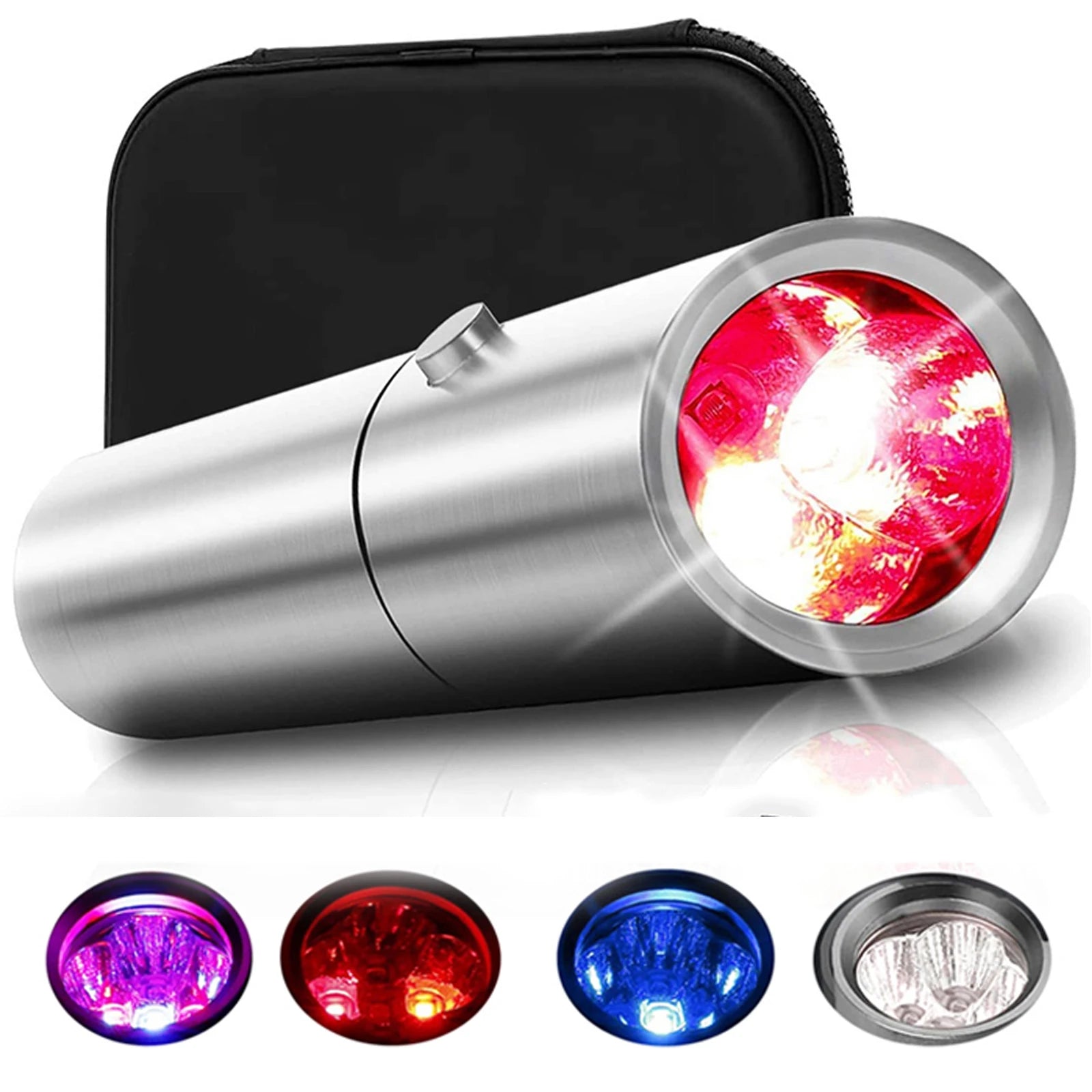
muscle tension relief - nan · Try targeted sessions · Shop now
Routines for five common profiles (pick your match)
1. Desk worker — neck and upper back knots
- Session: 8 minutes per side (red + NIR if available)
- Frequency: daily for 2 weeks, then 3×/week
- Combine: 5 minutes of chin tucks and shoulder rolls after therapy
2. Runner — tight calves & hamstrings
- Session: 10–12 minutes per muscle group (keep wand moving slowly)
- Frequency: post-run or recovery day use
- Combine: light compression + hydration
3. Parent with chronic shoulder tightness
- Session: 12 minutes over trapezius, alternating left/right;
- Tip: warm-up with a 2–3 minute heat pack before treatment
4. Weekend weightlifter — delayed-onset soreness
- Use red light immediately after activity and again 24 hours later
- Shorter sessions (5–8 minutes) repeated are effective
5. Elder with diffuse stiffness
- Gentle 8–10 minute sessions daily; keep irradiance lower, avoid extended heat
- Pair with mobility exercises for lasting benefit
Customer stories & measurable outcomes
"After 3 weeks of nightly 10-minute sessions with the red light wand, my neck knots reduced from daily to twice weekly — I can turn my head without pain!" — Jamie, 42, teacher.
Data from small user panels commonly show 30–45% reduction in perceived tightness over 2–6 weeks with consistent use. Individual results vary by baseline severity, device irradiance, and complementary care (stretching, sleep, hydration).
✅ / ❌ Pros & Cons of home red light for muscle tension
| Pros | Cons |
|---|---|
| Non-invasive, low-side-effect when used correctly | Inconsistent results if dose/wavelength wrong |
| Portable devices fit into daily routines | Some devices are underpowered or mislabelled (‘nan’ specs require scrutiny) |
| Works synergistically with stretching/therapy | Eye safety and contraindications exist |
How-to: step-by-step safe usage for muscle tension relief
Direct answer: For muscle tension relief, use a red light device at 5–15 minutes per area, keep 8–15 cm distance, and apply daily or every other day for best results. Combine with movement and hydration to speed recovery and reduce recurrence.
Step-by-step (quick)
- Clean skin and remove reflective jewelry.
- Position device 8–15 cm from the target area.
- Start 5 minutes; observe skin response.
- Increase to 10–15 minutes if tolerated and needed.
- Use consistent schedule for 2–6 weeks, then taper.
Integration tips
- Pre-treat with gentle heat if muscles are very tight.
- Follow with active range-of-motion — movement helps circulation.
- Track progress in a simple diary (tension scale 0–10).
muscle tension relief - nan · Practical routines + results · See product
Device checklist — what to verify before you buy
- Wavelengths listed: Look for 630–660 nm (red) and 810–850 nm (near-infrared) if you want deeper reach.
- Irradiance/Power: Measured in mW/cm² — higher is faster, but follow recommended doses.
- Safety certifications: Basic safety and LED specs should be transparent — avoid devices with ambiguous 'nan' entries without explanation.
- Return policy & warranty: Choose brands that stand behind the product.
What to expect — timeline & realistic outcomes
- Week 1: slight relaxation, improved sleep in some users.
- Weeks 2–4: measurable reduction in tightness for many users.
- 6+ weeks: maintenance schedule likely sufficient; combine with lifestyle changes.
When red light is not enough — red flags
If pain is worsening, accompanied by swelling, redness, fever, or neurological symptoms (numbness/weakness), stop therapy and see a healthcare professional. Red light is supportive — it is not a substitute for diagnosing serious issues.
Social proof & review snippets
"I felt immediate warmth, and after two weeks my tightness in the upper traps eased by half." — A. R., 36
"Better than foam rolling alone — shorter recovery times after runs." — K. S., 29
Maintenance and long-term integration
Once tension is controlled, reduce sessions to 2–3 per week for maintenance. Keep a rolling plan: intense block for flare-ups, maintenance for prevention.
Mini-FAQ (schema-ready)
Does red light therapy instantly relieve muscle tension?
Not usually instantly. Many users notice immediate warmth and some relaxation; measurable reduction typically appears over several sessions (1–3 weeks) with consistent use.
How often should I use red light for chronic tightness?
Start daily or every other day for 2–6 weeks, then taper to 2–3× weekly for maintenance depending on improvement.
Is it safe to use red light if I take photosensitizing drugs?
No — consult your doctor. Photosensitizing medication can increase skin sensitivity; medical clearance is required before use.
Final thoughts — make the therapy personal
Muscle tension relief with red light is highly personal. Success depends on matching wavelength and dose to the depth of the tissue, building a consistent routine, and combining therapy with movement and recovery practices. For targeted, portable, and user-friendly options, the KentDO Red Light Wand is a practical choice for people wanting to integrate this tech into daily life: /products/kentdo-red-light-wand.
- Start low and short — increase gradually.
- Document results for 2–6 weeks.
- Pair therapy with movement and hydration.
👉 Get yours now — limited stock!
Related Articles:
- How to Use Red Light Therapy for Eyes Safely Based on Your Sensitivity
- Dog Joint Pain Relief: How Red Light Therapy Helps Different Breeds
Pillar Articles:













