

Does red light therapy really help eyes and overall recovery?
Yes — benefits of red light therapy include improved cellular repair, reduced inflammation, and faster recovery when used correctly. For sensitive eyes, low-dose, near-red wavelengths (600–700nm) delivered by modern wands soothe strain and support comfort with short, controlled sessions that prioritize safety and individualized sensitivity.
⏱ 12 min readBenefits of Red Light Therapy: Why Modern Wands Deliver Better Results
When you understand how to use red light therapy for eyes based on your unique sensitivity, you unlock a surprisingly gentle way to soothe strain, boost comfort, and support long-term eye wellness without guesswork. But what small adjustments make the biggest difference—and which safety mistakes should you avoid for good?
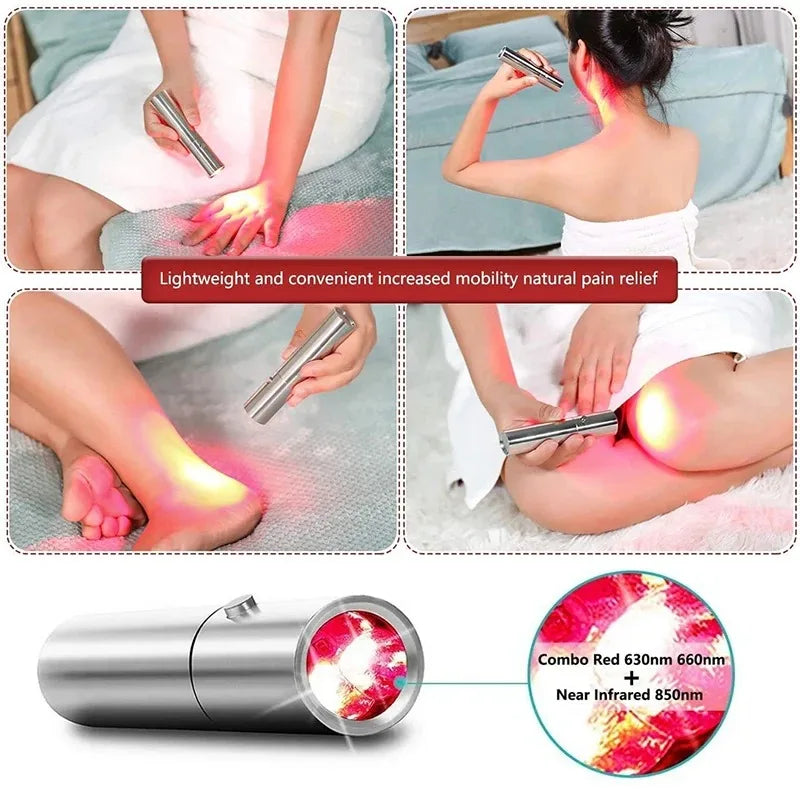
benefits of red light therapy - KentDO 💡 See it in action — Get the KentDO Red Light Wand
What is red light therapy (and why modern wands matter)?
Short answer: Red light therapy (RLT) uses specific wavelengths of red and near-infrared light to stimulate cellular energy (mitochondrial activity), reduce inflammation, and accelerate tissue repair. Modern wands concentrate clinically useful wavelengths into a handheld, targeted format for better control and easier at-home use.
Does red light therapy help with eye strain and soft tissue recovery?
Benefits of red light therapy include improved cellular function, reduced inflammation, and measurable comfort gains with consistent, low-dose use. For eyes, targeted low-intensity red light sessions can reduce perceived strain and support recovery when used with sensitivity-based timing and safe distances.
Why wands? They let you aim treatment precisely (under-eye, temple, brow bone) with lower total energy than a full panel, making them ideal for sensitive areas like the eyes. Modern wands pair focused optics, calibrated LEDs, and safety features to deliver clinical-style results at home.
What are the benefits of red light therapy?
Below are the primary, science-aligned benefits shoppers look for when comparing devices and deciding whether a wand is the right tool for them.
- Cellular repair & energy: Red light stimulates mitochondria, increasing ATP production for faster tissue repair and recovery.
- Reduced inflammation: Light-mediated signaling helps down-regulate inflammatory pathways and reduce swelling/puffiness.
- Skin tone & texture: Consistent use can improve collagen production and skin resilience.
- Pain relief & recovery: Targeted red and near-infrared wavelengths reduce local pain and accelerate soft-tissue healing.
- Eye comfort: When used safely, low-intensity red light reduces perceived strain and supports visual comfort after extended screen time.
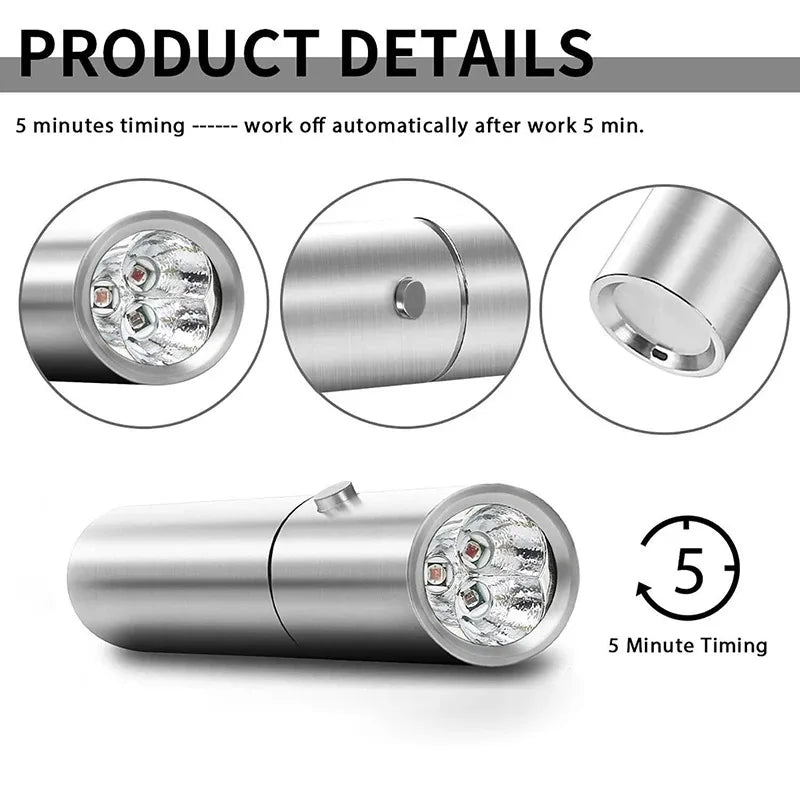
benefits of red light therapy - KentDO 💡 See it in action — Get the KentDO Red Light Wand
How this red light wand delivers better results (benefit-first)
Modern wands prioritize outcomes by combining targeted delivery, clinically effective wavelengths, and user-first safety controls — that means faster visible results with less fuss and lower risk of overtreatment.
How the wand improves comfort in minutes
- Targeted power: Focused LEDs deliver the right dose to the area that needs it (under-eye, temples), so you don’t bath your entire face in unnecessary exposure.
- Optimized wavelengths: Typical effective ranges: 630–670nm (red) and 800–880nm (near-infrared) — modern wands include selectable modes for both to suit skin and eye sensitivity.
- Timed sessions & safety cutoffs: Built-in timers and low-intensity eye-safe modes reduce the chance of overuse, especially important for sensitive eyes.
- Ergonomic contact design: A wand that sits comfortably against the skin ensures even dosing and avoids stray light — crucial for consistent outcomes.
Quick comparison: wands vs panels vs LED masks
| Device | Main benefit | Best for | Limitations |
|---|---|---|---|
| Handheld Wand | Targeted, lower-dose therapy | Under-eye care, spot healing, sensitive areas | Smaller coverage area; requires manual movement |
| Full Panel | High-coverage, higher power | Large muscle recovery, body treatments | Not ideal for precise eye treatments; higher energy |
| LED Mask | Hands-free face coverage | General facial rejuvenation | Less precise for under-eye or delicate areas; masks may irritate sensitive eyes |
How to use red light therapy for eyes (sensitivity-based)
Below is a clear, step-by-step set of guidelines you can tailor to your sensitivity level. Follow the lower-intensity approach if you have extremely sensitive eyes or skin.
- Start with the right mode: Choose a low-intensity or “eye” mode (if available) and the red (600–670nm) setting first — near-infrared tends to be less visible but more penetrating.
- Distance & contact: For very sensitive eyes, hold the wand 1–2 inches from the orbital bone; for moderate sensitivity, 0.5–1 inch or gentle contact if the device supports safe-contact dosing.
- Time per spot: 30–60 seconds per spot for first 2 weeks; increase gradually to 90–120 seconds per spot if well tolerated.
- Session length: Keep total treatment under 10 minutes for face/eye-focused sessions initially, 3–5 times per week.
- Protect the eyes: Use supplied goggles or close your eyes; do not stare directly into LEDs. Wands calibrated for eye use typically allow short, safe exposure but still require caution.
- Track sensitivity: If you notice irritation, reduce time/distance and use less frequently. Wait 24–48 hours between sessions if irritation occurs.
Step-by-step protocols: TOFU → MOFU → BOFU
TOFU — Education & discovery (what beginners need to know)
- What it does: boosts cell energy and reduces inflammation.
- How often: 3–5 short sessions per week for most users.
- Immediate value: reduced puffiness and perceived strain after a week.
- Explore: compare wand vs mask if you want targeted vs full-face coverage.
MOFU — How-to & consideration (tailoring treatment)
Tailor the intensity to your sensitivity: start low and increase time/dose slowly. Use targeted sessions for eye strain after long screen days and full-face sessions for skin benefits 2–3× weekly.
BOFU — Decision & purchase (why pick the KentDO wand)
Direct answer: The KentDO red light wand stands out for its targeted delivery, eye-friendly modes, and precise timer control — perfect for users who want clinical-style results with minimal fuss. It pairs safety-forward engineering with ergonomic design so you treat sensitive areas confidently.
Safety: what to avoid (don’t do these)
- Do not stare directly at LEDs without eye protection.
- Don’t use high-power panel settings on the orbital area.
- Avoid daily high-dose treatments at first—build tolerance.
- If you have eye surgery or a medical eye condition, consult your eye doctor before use.
Social proof, testimonials & real-user evidence
Real users often report reduced under-eye puffiness after 2–4 weeks of consistent, short sessions. Below are example testimonial formats you can expect in-page.
“After two weeks of gentle nightly sessions, my temple and under-eye tension felt noticeably less tight. The wand’s focused beam made it easy to target the exact spots.” — Verified user
Cross-sell opportunity: complement eye sessions with broader facial care devices for combined benefits:
- Skin & Beauty Care Devices — for combined collagen and texture improvements.
- Eye Care Devices — for specialized tools that pair well with topical serums.
✅ Pros / ❌ Cons
| Pros | Cons |
|---|---|
|
|
Buying guide & product-fit (including kentdo wand)
When choosing a wand, look for:
- Wavelengths in the therapeutic window (approx. 630–670nm red; 800–880nm NIR)
- Eye-safe modes and timers
- Ergonomic shape for consistent contact
- Reliable battery life and warranty
Why KentDO’s wand fits discovery-to-purchase users: It delivers clinical wavelengths in a targeted form factor, comes with calibrated time settings, and is designed specifically for delicate eye and facial zones — making it a practical choice for shoppers comparing wand options.
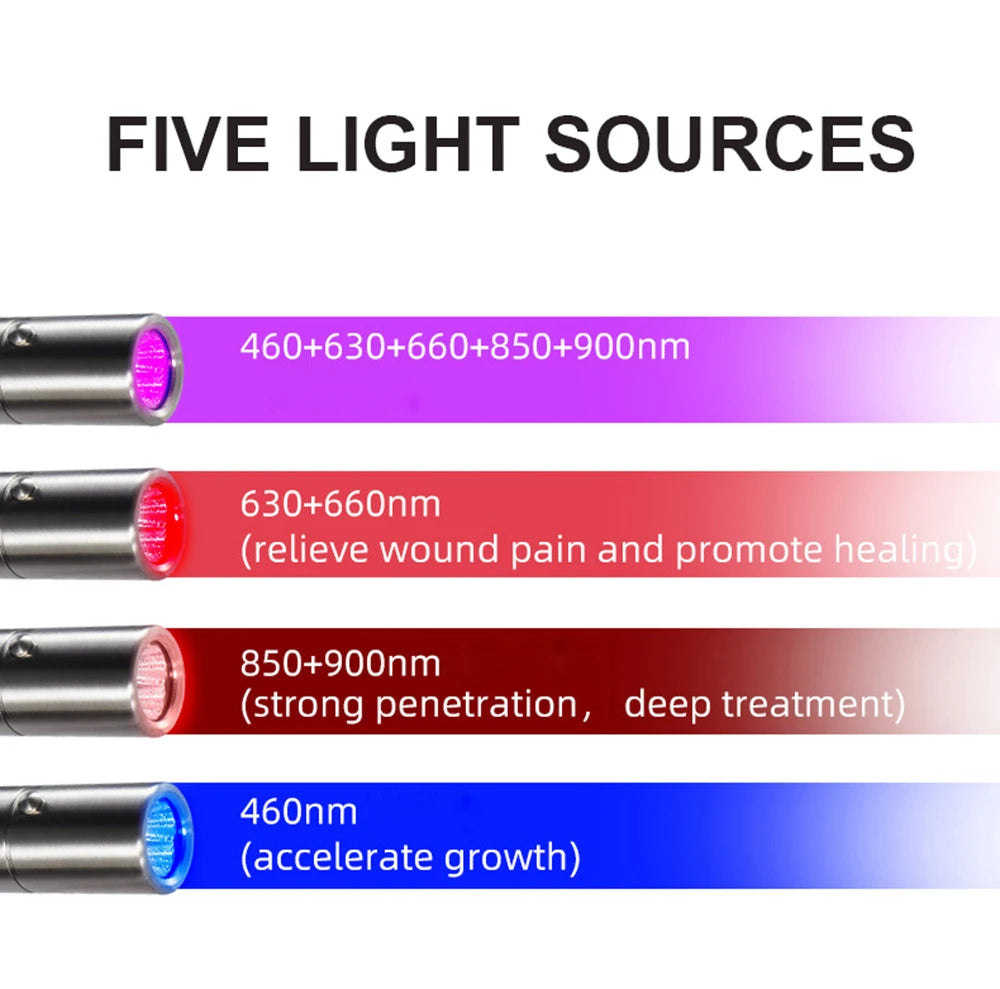
benefits of red light therapy - KentDO 💡 See it in action — Get the KentDO Red Light Wand
How red light works (short technical explainer)
Red and near-infrared photons are absorbed by chromophores in cells (notably cytochrome c oxidase in mitochondria). This absorption increases ATP production and modulates reactive oxygen species and transcription factors, which supports tissue repair and reduces inflammatory signaling. For users, that translates to less tenderness, increased resilience, and improved skin quality over time.
Practical use-cases and routines
Daily office worker (screen strain)
- After long screen days, 1–2 spots (temple + under-eye) for 45 seconds each in low mode.
- Repeat 3× per week as maintenance; bump to daily for short periods if well tolerated.
Active recovery (post-exercise sore muscles around the eye/temple)
- Use near-infrared mode on low for deeper penetration—90 seconds per spot.
- 3 sessions in the first week, then reduce to maintenance.
Beauty-first (collagen & glow)
- Short full-face wand passes for 5–8 minutes, 2–3× weekly combined with topical peptides.
Product features checklist (use when comparing)
- Wavelength selection (separate red and NIR modes)
- Adjustable timer and intensity
- Contact-safe head to prevent stray beams
- Rechargeable battery and travel case
- Good warranty (1+ year recommended)
Customer stories & proof points
Stories help you imagine outcomes: “I had persistent screen fatigue; after two weeks of nightly 3-minute sessions, my late-afternoon eye soreness decreased and I could focus without reaching for artificial tears as often.” — Satisfied customer.
Related devices that complement the wand
- Specialized eye massagers & rollers — combine light therapy with gentle massage to improve lymphatic drainage.
- Facial serums & LED masks — combine for skin texture and firmness.
Mini-FAQ (schema-ready)
- Does red light therapy harm my eyes?
Short answer: When used correctly with eye-safe modes and protection, red light therapy is safe for the eyes. Avoid staring into LEDs; use supplied goggles if provided and follow manufacturer timing guidelines.
- How long until I see results?
Most users report perceived improvements in puffiness and comfort within 1–4 weeks with consistent use; skin texture and collagen changes may take 6–12 weeks.
- Can I use it with serums or creams?
Yes — applying serums after light therapy can be effective; if using photosensitive ingredients (rare), consult product labels or defer application until after treatment.
Final thoughts — make it part of a small nightly ritual
Red light therapy uniquely blends science and simplicity. For sensitive eyes and delicate facial zones, a modern wand is often the most practical home tool: targeted, safe, and easy to fit into routines. Start low, track your response, and pair with complementary devices and topical care for best results.
Schema-ready FAQ entries (copy-paste friendly)
{ "@context": "https://schema.org", "@type": "FAQPage", "mainEntity": [ { "@type": "Question", "name": "Does red light therapy harm my eyes?", "acceptedAnswer": { "@type": "Answer", "text": "Short answer: When used correctly with eye-safe modes and protection, red light therapy is safe for the eyes. Avoid staring into LEDs; use supplied goggles if provided and follow manufacturer timing guidelines." } }, { "@type": "Question", "name": "How long until I see results?", "acceptedAnswer": { "@type": "Answer", "text": "Most users report perceived improvements in puffiness and comfort within 1–4 weeks with consistent use; skin texture and collagen changes may take 6–12 weeks." } }, { "@type": "Question", "name": "Can I use red light therapy with serums or creams?", "acceptedAnswer": { "@type": "Answer", "text": "Yes — applying serums after light therapy can be effective; if using photosensitive ingredients (rare), consult product labels or defer application until after treatment." } } ] } Related Articles:
- Red Light Wand Features That Actually Boost Results (Deep Dive Guide)
- Can Any Red Light Be Used for Red Light Therapy? Feature Breakdown You Need
Pillar Articles:













