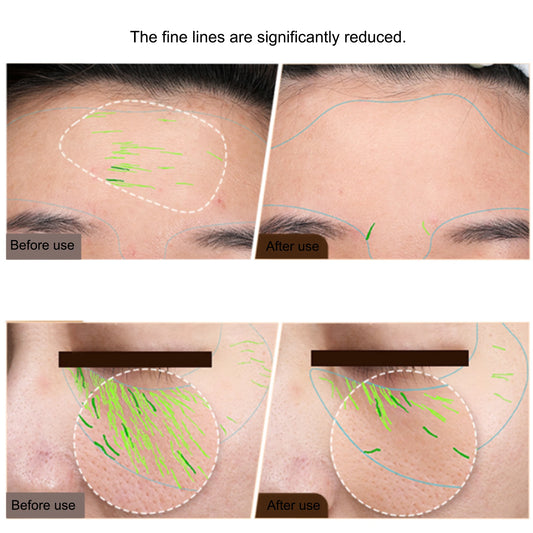
Portable Red Light Therapy Device Picks for Muscle Recovery
⏱ 8 min read
Does a portable red light therapy device really help muscle recovery?
Answer: A portable red light therapy device can support faster muscle recovery by delivering targeted wavelengths that boost cellular energy and circulation. The best portable red light therapy devices combine 660nm and 850nm wavelengths, sufficient irradiance, and easy placement to reduce soreness and speed return-to-training without bulky panels.
Struggling with lingering soreness after workouts or travel days that leave your body tight? If you want a compact solution that delivers treatment wherever you are, a portable red light therapy device could be the missing piece in your recovery routine. Which models actually speed recovery, which are best for travel, and how do you use one safely and effectively? Read on for clear comparisons, quick how-tos, and honest pros/cons so you can pick the right at-home tool.

portable red light therapy device — 💡 See it in action. View product
Why red light helps muscles
A portable red light therapy device uses specific red and near-infrared wavelengths that penetrate skin and soft tissue to support cellular energy (ATP) and microcirculation. For everyday users, this translates into reduced post-exercise soreness, quicker recovery between sessions, and easier mobility after travel or long days on your feet.
How a portable red light therapy device works — short answer
Portable red light therapy devices emit 600–900nm wavelengths, primarily 660nm (red) and 810–850nm (near-infrared). These wavelengths interact with mitochondrial chromophores in cells to stimulate energy production, which supports repair and reduces inflammation signaling when paired with consistent use.
Top portable devices — comparison table
Below is a clean comparison to help you evaluate power, portability, and best use-case at a glance.
| Model | Wavelengths | Irradiance | Battery / Portable | Best for |
|---|---|---|---|---|
| KentDO Red Light Pad | 660nm + 850nm | Medium–High | USB / Rechargeable | Travel & targeted muscle groups |
| Pocket wand (compact) | 660nm | Low–Medium | AAA or USB | Post-workout spot treatments |
| Foldable panel | 660nm + 850nm | High | Large battery / plug-in | Full-area sessions (home) |
Direct answer: Why choose a portable red light therapy device?
A portable red light therapy device gives targeted treatment where you need it most—after workouts, on flight days, or between sessions—without bulky setups. With combined 660nm and 850nm wavelengths and enough irradiance, portable units support cellular recovery and circulation for faster relief and better training consistency.
Which model fits you best?
Match your priorities:
- Frequent traveler: Lightweight pad or wand, USB-chargeable, easy to pack.
- Serious athlete: Higher irradiance foldable panel or larger pad for stronger coverage.
- Casual user: Small pad or wand with intuitive timer and safe heat profile.
How to use a portable red light therapy device — simple steps
- Clean and dry the skin area you want to treat.
- Position the device 1–8 inches from the skin depending on device guide.
- Run sessions 8–15 minutes per area, 3–5 times per week for best cumulative effect.
- Keep a consistent schedule (post-workout or evening) and track soreness levels.

portable red light therapy device — portable red light therapy benefits & how to use. 💡 See it in action.
Benefit-first highlights — what you’ll feel
- Less soreness: Short-term reduction in post-exercise tightness when used regularly.
- Quicker recovery windows: Faster readiness for next workout or event.
- Convenience: Treatments at home, gym, or hotel without scheduling appointments.
- Low maintenance: No gels, no complicated setup—just power on and place.
Pros / Cons — quick reality check
✅ Pros
| ❌ Cons
|
Care, safety, and travel tips
- Follow device safety instructions — avoid eye exposure to high-intensity LEDs.
- Store in a padded pouch when traveling to protect diodes.
- Charge before a trip and keep a short USB cable for on-the-go use.
- Pair treatments with hydration and sleep for best results.
Real user notes & usage data
Users commonly report decreased stiffness within 1–2 weeks of consistent use (3–5 sessions per week). A typical testimonial: “After adding 10-minute sessions on my quads post-run, I felt ready for my next workout sooner and needed less massage.” These practical notes are useful when setting expectations.
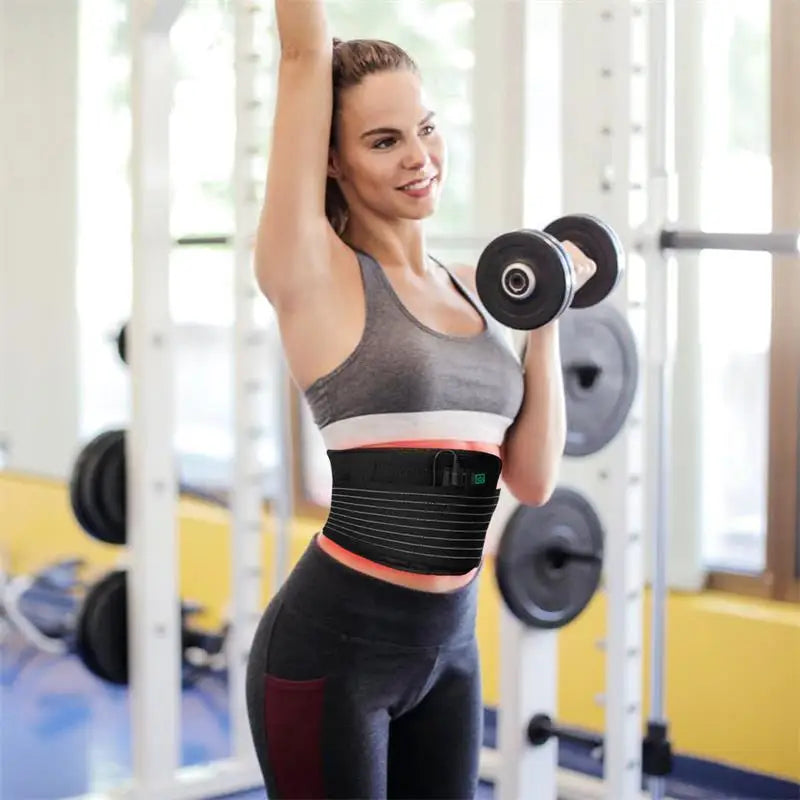
portable red light therapy device — red light therapy portable benefits. 💡 Try targeted sessions today.
Ready to try targeted recovery?
If you want a travel-ready pad that balances power and convenience, consider the KentDO option for targeted sessions: KentDO Red Light Therapy Pad. It’s designed to be easy to place on shoulders, quads, or calves and recharge quickly between uses.
Mini-FAQ
How long should I use a portable red light therapy device per session?
Most devices recommend 8–15 minutes per area. Shorter daily sessions are often more effective than infrequent long sessions because effects are cumulative.
Can I use red light therapy right after a workout?
Yes — applying a session after cooldown can help reduce immediate soreness and support recovery. Pair with hydration and gentle stretching.
Is near-infrared necessary or is red enough?
Near-infrared (about 810–850nm) penetrates deeper into tissue and complements 660nm red light, so combined devices typically give broader benefits for muscles beneath the skin.
Need more product comparisons, packing tips, or tailored routine ideas? Explore Body Care and Health Devices for tools that fit your recovery plan.
Pillar Article: Best Red Light Therapy Pad Review for Fast At-Home Relief
Other Related Articles:
- Red Light Therapy Pad Reviews: What to Expect for Daily Relief
- How to Use Red Light Therapy Safely: Top Devices Compared
- Improve Poor Circulation with Light: Best Devices Reviewed
- Near Infrared Lamp Therapy vs Pads: Which Works Better for Pain
Explore More: